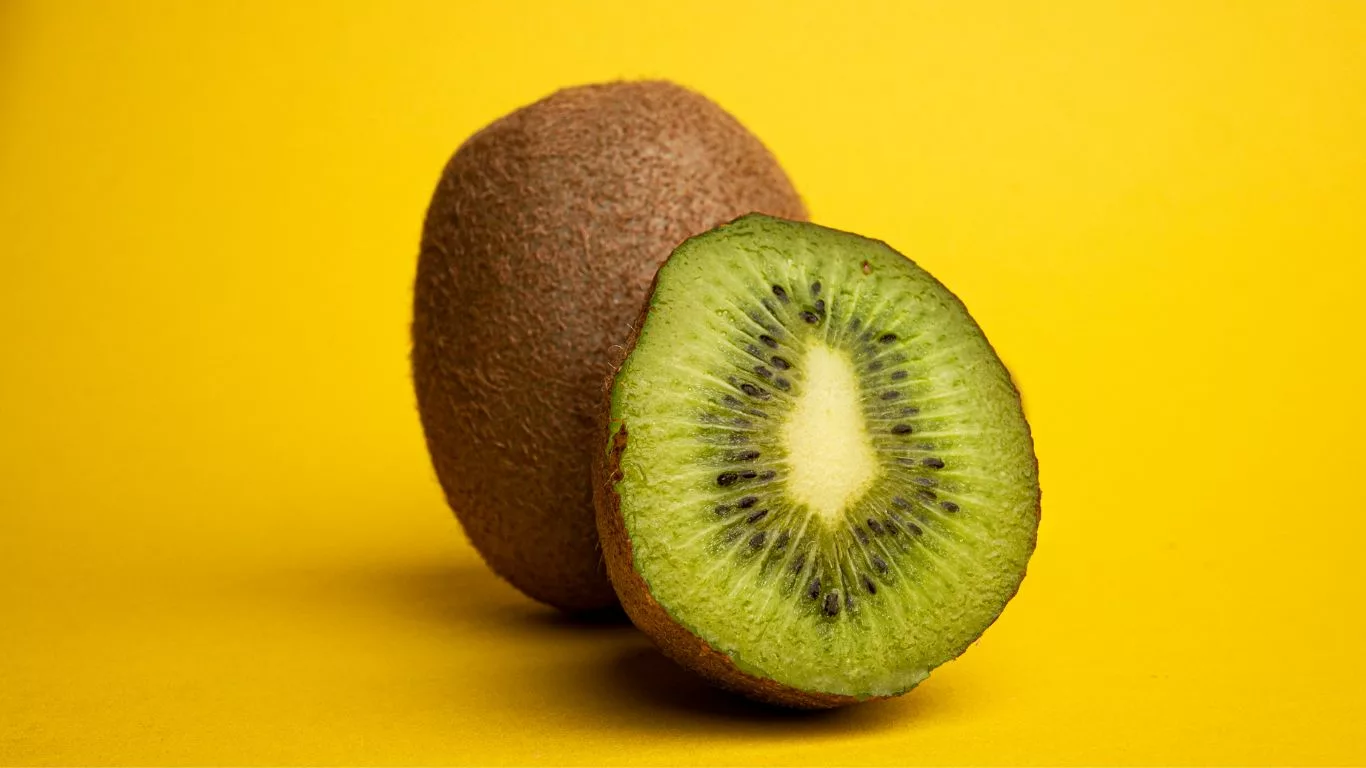
Is Kiwi Good for Acid Reflux? A Sweet Solution That Might Surprise You
Not long ago, I stumbled across an unexpected ally in my never-ending battle with acid reflux—kiwi. At first, I wasn’t entirely sold. It’s tangy, slightly acidic, and just didn’t seem like the type of fruit you’d associate with calming your stomach. But after seeing a few promising studies and hearing others rave about its digestive perks, I decided to give it a go. And surprisingly, it helped more than I expected. So let’s talk about whether kiwi deserves a place on your plate if you’re dealing with GERD or acid reflux.
Is Kiwi Good for Acid Reflux?

Kiwi is often praised for its impressive nutritional profile—loaded with vitamin C, fiber, antioxidants, and digestive enzymes. But is it actually safe for those with acid reflux?
The short answer: it depends on your individual triggers and the type of kiwi you eat. For some, kiwi can be a gentle aid in digestion. For others, especially those with highly sensitive stomachs, its slight acidity might still provoke symptoms.
The Science Behind Kiwi’s Digestive Perks
Kiwi contains an enzyme called actinidin, which supports protein digestion. It may help reduce bloating and improve gastric motility—something that’s often sluggish in people with GERD. A clinical study published in the Journal of Nutritional Science found that consuming green kiwi may aid gastric emptying, which reduces the chances of acid build-up and reflux episodes.
Green vs. Gold Kiwi: Is One Better?
In my experience—and what research backs up—golden kiwi tends to be gentler on the digestive tract. It’s less acidic than its green cousin and still packs plenty of digestive enzymes. Plus, it’s sweeter and softer, which makes it easier to tolerate.
For those with moderate reflux or sensitive digestion, starting with a small portion of golden kiwi may be the safer route. Monitor your body’s response closely.
Why Kiwi May Be Good for GERD (In Moderation)

- High fiber content: Fiber helps food move smoothly through the digestive system, reducing pressure on the LES (lower esophageal sphincter).
- Natural enzymes: Actinidin promotes better digestion, especially after protein-heavy meals.
- Anti-inflammatory compounds: Kiwi is rich in antioxidants like vitamin C and polyphenols that may help soothe irritated esophageal tissue.
- Low fat and sugar: Unlike rich desserts or processed snacks, kiwi won’t trigger reflux due to high fat or added sugars.
While these are all helpful traits, individual tolerance is key. Some people thrive with kiwi, while others might find it too acidic—even if it’s technically low on the acid scale compared to citrus fruits.
How to Eat Kiwi Safely with Acid Reflux

Start Small and Observe
I started with just half a golden kiwi after lunch, sliced thin, and chewed thoroughly. No issues. The next day, I tried a whole one and again, smooth sailing. But the moment I tried green kiwi on an empty stomach—boom, throat burn. So the context matters.
Pair It with Low-Acid Foods
To make kiwi even gentler, try combining it with oatmeal, non-dairy yogurt (like almond milk-based yogurt), or mix into a smoothie with banana and spinach. This helps balance the pH and buffers any potential acidity.
Never Eat It Right Before Bed
Even if kiwi works well for you, avoid it late at night. Lying down with any food in your stomach—especially fruit—can still trigger reflux symptoms. Learn more about sleeping positions that help prevent reflux.
When to Avoid Kiwi for Acid Reflux

Despite its health perks, there are cases where kiwi might make GERD symptoms worse:
- When it’s unripe: Under-ripe kiwi is significantly more acidic and harsh on the stomach lining.
- During GERD flare-ups: When your esophagus is already inflamed, even mildly acidic fruits can worsen the burn.
- In large amounts: Overeating kiwi, like any fruit, can delay gastric emptying and cause bloating.
If you’re in the middle of a reflux episode, skip kiwi and focus on gentler options like oatmeal, steamed veggies, or bananas.
Other Fruits to Consider (or Avoid)

- Safe bets: Bananas, melon, papaya, cooked apples
- Sometimes okay: Kiwi, peaches, berries (in small amounts)
- Reflux triggers: Oranges, lemons, pineapple, grapefruit
If you’re curious about a wider list of fruits that work with GERD, check out this complete GERD-safe fruit guide.
Expert Recommendations on Kiwi and GERD

According to the Mayo Clinic, low-acid fruits are typically tolerated well by GERD patients. While kiwi isn’t officially labeled as “low-acid,” golden kiwi in particular skirts that line. It’s more alkaline than many assume, and with its enzyme profile, it’s got real digestive potential—if eaten wisely.
The American Gastroenterological Association also emphasizes that individualized tolerance testing is key when introducing borderline fruits like kiwi. There’s no one-size-fits-all with GERD diets.
For a deeper understanding of what actually causes GERD and which foods might help or hurt in the long run, check out our foundational resource: Surprising Causes of GERD That Might Be Harming Your Digestive Health.
My Experience: When Kiwi Helped—and When It Didn’t

I’ll be honest—kiwi wasn’t an overnight miracle. I had to test it on and off over a few weeks. Some days, golden kiwi was fine, especially after a meal with lean protein and whole grains. But the one time I had green kiwi alongside coffee (bad idea), I felt the burn creeping back before I even finished my cup. Lesson learned: even good foods need the right timing and pairing.
What really helped was keeping a food journal. I wrote down what I ate, how I felt, and when symptoms flared up. That’s how I figured out golden kiwi in the afternoon—paired with something neutral like plain oats or almond yogurt—was my sweet spot.
Best Ways to Add Kiwi to a GERD-Safe Diet

1. Kiwi Smoothie Bowl
Blend half a golden kiwi with a small banana, unsweetened almond milk, and a spoonful of ground flaxseed. Top with GERD-safe toppings like steamed pear slices or cooked oats. Avoid citrus, chocolate, or dairy yogurt additions.
2. Mid-Afternoon Snack
Slice a ripe golden kiwi and eat it on its own or with a spoonful of almond butter. Not only is it refreshing, but it’s also low-fat and easy on your system during the day—when digestion is strongest.
3. Light Post-Meal Dessert
Mix chopped golden kiwi with low-acid fruits like cantaloupe or honeydew melon. It’s a naturally sweet, enzyme-rich way to support digestion after meals—without added sugar.
Tips for Testing Kiwi Safely

If you’re curious to try kiwi but worried about triggering symptoms, here’s how I recommend easing in:
- Choose golden kiwi over green: It’s less acidic, sweeter, and generally more tolerable for sensitive stomachs.
- Always eat it with other GERD-friendly foods: Avoid eating kiwi alone, especially on an empty stomach.
- Stick to one small serving: Half a kiwi or one small fruit per day is a safe trial dose.
- Track your reactions: If you notice any tightness, burning, or bloating after, wait a few days before trying again.
If you’re unsure about what combinations work well for acid reflux, this GERD diet plan can help you build safe, balanced meals.
Other Natural Digestive Enzyme Sources

Kiwi isn’t the only fruit loaded with digestive enzymes. If it doesn’t work for you, try one of these gentler options:
- Papaya: Contains papain, which helps digest proteins. It’s naturally sweet and much lower in acidity.
- Ripe bananas: While not high in enzymes, they help coat the esophagus and calm acid irritation.
- Cooked apples: Gentle on the gut, especially when peeled and stewed. Avoid raw if you’re sensitive.
For a deeper dive into natural enzyme-rich foods that can support digestion, check out our resource on papaya enzymes and GERD.
What Experts and Research Say About Kiwi and Reflux

Nutritionists and gastroenterologists tend to agree: kiwi can be part of a reflux-friendly diet—but it really depends on how your individual digestive system reacts. According to a review from the National Institutes of Health, green kiwi has been linked to improved gastric motility and reduced indigestion symptoms, especially in patients with functional dyspepsia.
Still, most professionals urge caution during reflux flares or when the esophagus is already inflamed. It’s about balance, not blanket recommendations. What helps one person may irritate another.
Should You Add Kiwi to Your GERD Routine?

If you’re managing GERD and curious about adding kiwi into your diet, the key is moderation and personalization. Start slow, pay attention, and stick to golden kiwi if you’re new to it. And always make it part of a balanced, reflux-friendly lifestyle—not a one-off fix.
And if you’re working on long-term strategies to improve digestion, reduce symptoms, and understand your root causes, check out our comprehensive resource on GERD lifestyle changes that actually work. That’s the kind of game-changer that made the difference for me—and could for you too.

Camellia Wulansari is a dedicated Medical Assistant at a local clinic and a passionate health writer at Healthusias.com. With years of hands-on experience in patient care and a deep interest in preventive medicine, she bridges the gap between clinical knowledge and accessible health information. Camellia specializes in writing about digestive health, chronic conditions like GERD and hypertension, respiratory issues, and autoimmune diseases, aiming to empower readers with practical, easy-to-understand insights. When she’s not assisting patients or writing, you’ll find her enjoying quiet mornings with coffee and a medical journal in hand—or jamming to her favorite metal band, Lamb of God.