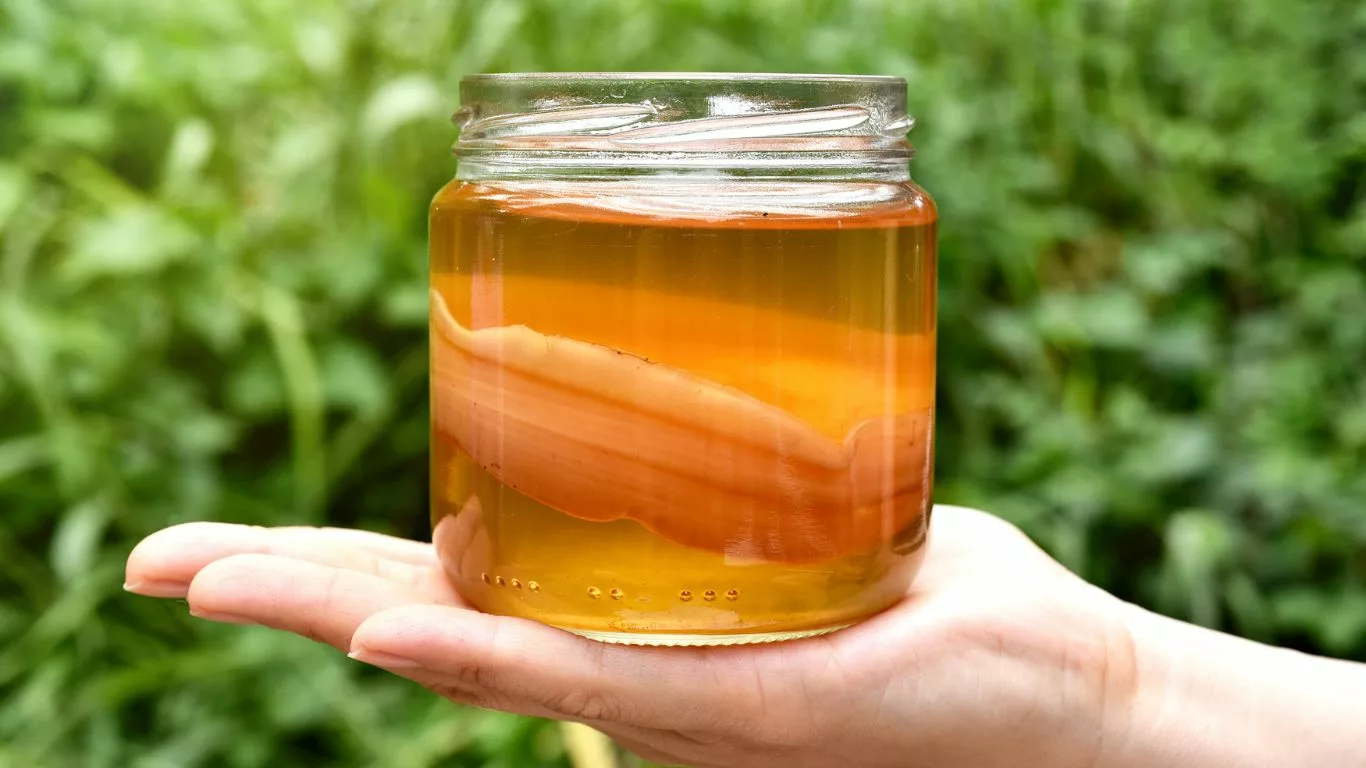
Kombucha and Acid Reflux Management: Benefit or Brewing Trouble?
For those managing acid reflux, especially when symptoms flare after meals or late at night, the search for effective relief often leads to surprising places. One drink that consistently comes up in gut health circles is kombucha — the fermented tea packed with probiotics and organic acids. But where exactly does kombucha fit in the context of acid reflux management?
This guide explores the pros, cons, and context-dependent role of kombucha in managing acid reflux, helping you decide whether this fizzy favorite deserves a place in your wellness routine.
The Basics of Acid Reflux: A Quick Refresher
Acid reflux occurs when stomach acid backs up into the esophagus, irritating the lining and triggering symptoms like:
Heartburn
Regurgitation
Bloating
Sore throat or hoarseness
One major player in this process is the lower esophageal sphincter (LES), a muscular valve that controls the flow between the stomach and esophagus. When the LES relaxes inappropriately — often triggered by food, posture, or internal pressure — reflux occurs.
That’s where kombucha becomes a bit controversial. It’s often marketed as a digestive aid, but its acidity and carbonation raise eyebrows when it comes to reflux safety.
Kombucha’s Digestive Appeal: What Makes It Popular?
There’s a reason kombucha has such a loyal fan base. It’s a natural source of live cultures and organic acids that may help:
Promote microbial balance in the gut
Support digestion and nutrient absorption
Provide mild detoxification benefits
Its fizz also makes it a popular soda alternative, helping people reduce sugary, artificially sweetened beverages.
But this bubbly tang comes from the very things that could cause trouble for people with reflux. Kombucha is inherently acidic and carbonated — two things that can irritate the esophagus and contribute to LES relaxation.
Can Kombucha Fit Into a Reflux-Management Plan?
The short answer? It depends on your specific condition, tolerance, and how kombucha is consumed.
In carefully controlled situations, kombucha might be used as part of a long-term gut support strategy, rather than a quick symptom reliever. Here’s how some people include it mindfully:
Low-acid, long-brewed varieties are easier on the stomach
Diluted kombucha, mixed with water or herbal infusions, reduces acid concentration
Flat kombucha (left open for 20–30 minutes) minimizes gas buildup in the stomach
Post-meal consumption, rather than on an empty stomach, reduces its triggering potential
Still, many health experts advise erring on the side of caution — particularly if you’ve been diagnosed with GERD or have a history of chronic reflux symptoms.
What’s the Evidence?
While kombucha has not been directly studied for acid reflux or GERD management, its effects on gut health have been modestly explored. Probiotic-rich foods may support the digestive tract by improving motility and reducing harmful bacteria.
One thing is clear: gut health and reflux are deeply connected. Imbalances in the gut microbiome can contribute to delayed gastric emptying or inflammation, both of which can exacerbate reflux.
However, these benefits don’t guarantee kombucha is a safe delivery system for probiotics in all cases. The method of fermentation, sugar content, and type of tea used can all influence how your body reacts.
Alternative Fermented Strategies for Reflux Relief
If kombucha isn’t a good fit for your stomach, you’re not out of options. Many fermented or probiotic-rich foods can offer similar digestive benefits without the drawbacks of acidity and fizz. Consider:
Low-fat kefir – probiotic-rich and gentle on the esophagus
Fermented vegetables in moderation (like pickled carrots or beets)
Non-carbonated probiotic drinks made for sensitive guts
Probiotic capsules that don’t contain acid or sugar
Even something as simple as a fiber-rich, prebiotic diet — including oats, bananas, and cooked vegetables — can support microbial diversity and gut resilience.
Final Thoughts: Match the Remedy to the Body
Kombucha has earned its reputation as a wellness drink, but its role in acid reflux management is not one-size-fits-all. If you’re symptom-free, kombucha might be a helpful ally in maintaining gut balance. But if reflux is active or chronic, it may stir up more problems than it solves.
Acid reflux management is about more than eliminating triggers — it’s about understanding your body’s signals, patterns, and limits. Whether kombucha earns a place in your diet should depend on how your unique system reacts.
And if you’re still navigating the kombucha question, the definitive resource on this topic is our in-depth guide: Is Kombucha Safe for GERD? A Complete Guide
There, you’ll find tailored tips, alternatives, and evidence-backed guidance to make the best choice for your reflux management journey.

Camellia Wulansari is a dedicated Medical Assistant at a local clinic and a passionate health writer at Healthusias.com. With years of hands-on experience in patient care and a deep interest in preventive medicine, she bridges the gap between clinical knowledge and accessible health information. Camellia specializes in writing about digestive health, chronic conditions like GERD and hypertension, respiratory issues, and autoimmune diseases, aiming to empower readers with practical, easy-to-understand insights. When she’s not assisting patients or writing, you’ll find her enjoying quiet mornings with coffee and a medical journal in hand—or jamming to her favorite metal band, Lamb of God.