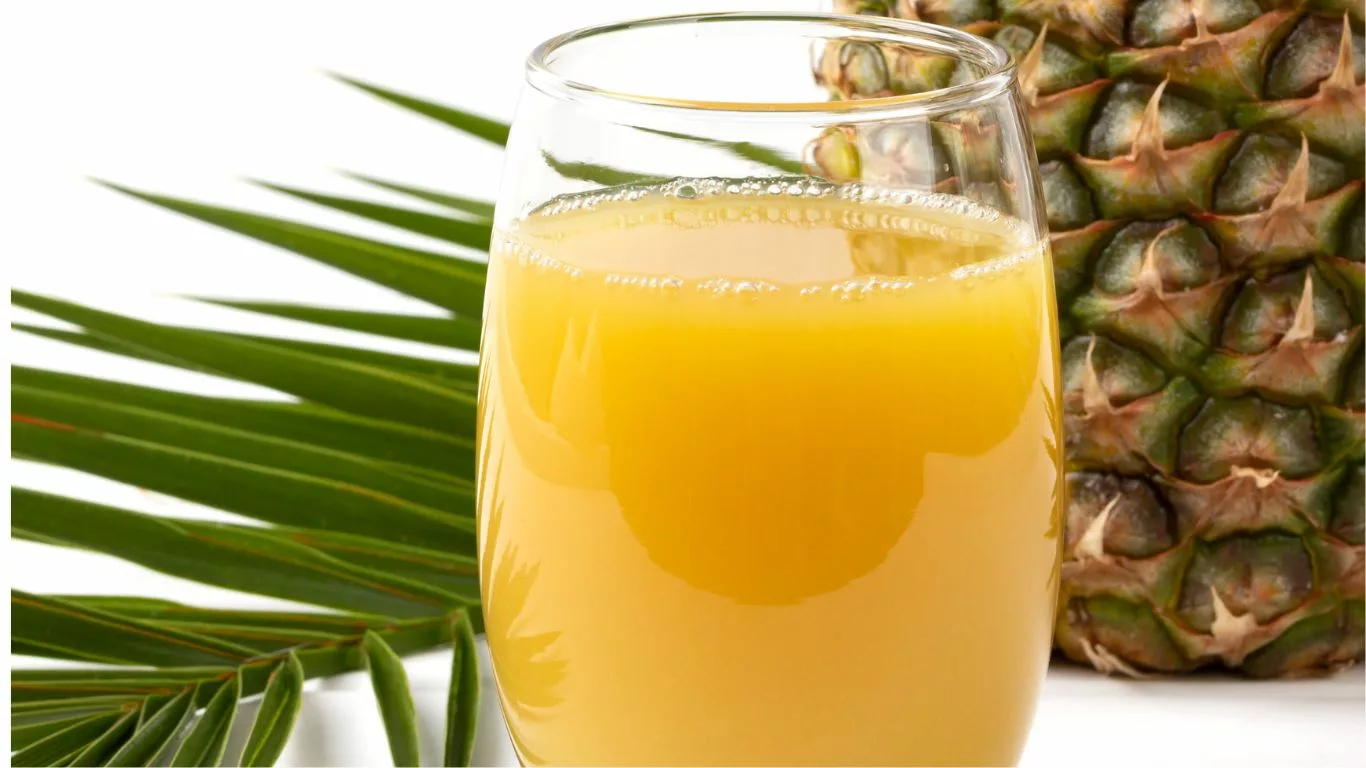
Is Pineapple Juice Good for Acid Reflux? Weighing Its Digestive Perks
I’ll admit it—pineapple juice was one of the hardest drinks for me to give up when I first started managing my acid reflux. That sweet, tropical flavor? Irresistible. But I also noticed that sometimes it hit my stomach just right… and other times, not so much. So what gives? Is pineapple juice actually good for acid reflux—or does its tangy kick make it more of a trigger than a remedy?
The Sweet and Sour Truth About Pineapple Juice

Pineapple juice walks a nutritional tightrope. On one hand, it’s rich in bromelain—a digestive enzyme that helps break down protein and reduce inflammation. On the other, it’s naturally acidic, with a pH around 3.3 to 3.6. That puts it close to orange and grapefruit juice on the acidity scale—two common reflux triggers.
But here’s the nuance: bromelain’s anti-inflammatory and digestion-aiding properties might actually help some people digest meals more efficiently, potentially reducing the likelihood of reflux. So the answer isn’t a hard yes or no. It’s more like… “maybe, if you do it right.”
Bromelain: Pineapple’s Secret Digestive Ally

Bromelain is a group of enzymes found primarily in pineapple stems and juice. It’s best known for:
- Improving protein digestion – Especially helpful after protein-heavy meals that often trigger reflux.
- Reducing inflammation – Both in tissues and the digestive tract, potentially calming the esophagus.
- Supporting regularity – By aiding enzyme function and promoting better gut motility.
In fact, some studies show bromelain may help relieve certain forms of indigestion and inflammation-related gut discomfort. But bromelain content in store-bought juice is often reduced during processing—so freshness matters if you’re hoping to reap any real benefit.
When Pineapple Juice Might Be GERD-Friendly

Here’s when I’ve personally found pineapple juice to be okay (and sometimes even helpful):
- It’s diluted with water or aloe vera juice – This significantly cuts down the acidity.
- I’m drinking it in small amounts – Usually around 2–4 ounces, never a full glass.
- It’s paired with food – Especially lighter meals with complex carbs or proteins.
- It’s fresh or cold-pressed – Not canned or packed with added sugars or citric acid.
When taken in moderation and under these conditions, pineapple juice hasn’t triggered my reflux—and may actually help settle digestion after a dense or protein-heavy meal. But when I’ve had it on an empty stomach or drank too much? Total mistake.
Who Should Avoid Pineapple Juice (At Least for Now)

If your GERD is currently flaring up or you’re dealing with high sensitivity to acidic foods, pineapple juice is probably best avoided temporarily. Its acidity can relax the lower esophageal sphincter (LES), the very valve you want staying closed.
Other cases where it might not be suitable:
- During fasting or empty stomach hours
- If you’re already reacting to citrus or sour fruits
- When using high-sugar or processed varieties
In contrast, there are safer options—like aloe vera or celery juice—that offer mild alkalizing and soothing benefits without the same acidity risks. You can see how they compare in our full guide to GERD-friendly juices.
Smart Ways to Add Pineapple Juice to a Reflux-Smart Diet

If you want to experiment with pineapple juice without upsetting your stomach, here’s a routine that’s worked for me:
- Start with 2 oz diluted in 4 oz of water or aloe juice.
- Drink it mid-morning or after lunch—never before bed.
- Always pair it with non-acidic foods like oatmeal, bananas, or whole grains.
- Choose cold-pressed, no-added-sugar juice or make your own fresh juice at home.
Even better? Blend it into a mild smoothie with banana, oat milk, and a touch of ginger. That combo supports digestion while minimizing acidic impact—our smoothie guide has even more ideas to build on that approach.
Final Thoughts: Pineapple Juice—Handle with Care

Pineapple juice isn’t a top-tier GERD remedy—but it’s not automatically off-limits either. It’s one of those “use with caution” drinks. Thanks to its bromelain content, it may help ease digestion when used wisely. But its natural acidity can backfire quickly if consumed in excess or on an empty stomach.
If you’re building a reflux-friendly juice plan, it’s okay to enjoy pineapple juice in small, diluted amounts—especially alongside milder drinks like apple juice or cabbage juice. For a full comparison, visit our guide to the best juices for acid reflux and find what works best for your gut.

Camellia Wulansari is a dedicated Medical Assistant at a local clinic and a passionate health writer at Healthusias.com. With years of hands-on experience in patient care and a deep interest in preventive medicine, she bridges the gap between clinical knowledge and accessible health information. Camellia specializes in writing about digestive health, chronic conditions like GERD and hypertension, respiratory issues, and autoimmune diseases, aiming to empower readers with practical, easy-to-understand insights. When she’s not assisting patients or writing, you’ll find her enjoying quiet mornings with coffee and a medical journal in hand—or jamming to her favorite metal band, Lamb of God.