Exploring the Effectiveness of a Vegan Diet for GERD Relief
I’ll be honest—when I first heard someone say that a vegan diet could help manage GERD, I rolled my eyes. I’d already cut spicy food, coffee, chocolate… you name it. The idea that just removing meat and dairy would fix my acid reflux sounded like a reach. But after months of stubborn symptoms and constant discomfort, I gave it a shot—and the results genuinely surprised me. Let’s take a closer look at how effective a vegan diet can be for GERD relief, based on real-life experience and emerging evidence.
What Makes a Vegan Diet GERD-Friendly?

Not all vegan diets are created equal—but when done thoughtfully, they tend to emphasize high-fiber, low-fat, and anti-inflammatory foods. These factors are crucial when it comes to managing reflux. According to a review published in Current Gastroenterology Reports, diets high in saturated fats (especially from animal sources) can delay gastric emptying and reduce lower esophageal sphincter pressure, both of which aggravate reflux symptoms.
On the flip side, plant-based meals tend to be lighter, quicker to digest, and naturally alkaline—especially when you avoid acidic produce like tomatoes or citrus. Many of the common triggers for GERD (cheese, bacon, fried meats) are eliminated instantly on a vegan plan. But the magic really happens when you combine thoughtful vegan eating with reflux-aware food choices.
What the Research Says (and Doesn’t)

Research linking plant-based diets directly to GERD outcomes is still emerging, but there are promising signs. A 2017 study in the Journal of the American Medical Association (JAMA Otolaryngology) found that a plant-based Mediterranean-style diet significantly improved laryngopharyngeal reflux symptoms—often considered a cousin to traditional GERD.
What’s particularly interesting is that this plant-focused group experienced relief similar to those who took proton-pump inhibitors (PPIs), but without the side effects. That’s huge if you’re trying to reduce medication dependence.
Still, most studies stress the importance of food quality. Swapping meat for vegan junk food (hello, fried cauliflower wings and vegan cheese pizza) won’t deliver the same anti-reflux benefits as a plate of brown rice, lentils, and steamed veggies.
Who Might Benefit Most from a Vegan GERD Approach?
While I can’t speak for everyone, I noticed a big difference in these areas after a few weeks of mindful vegan eating:
- Less bloating and pressure in my stomach after meals
- Reduced nighttime symptoms—especially when paired with early dinners
- Improved regularity and smoother digestion
- Fewer trigger flare-ups, especially after eliminating processed fats
This approach may work best for those who:
- Have already identified certain trigger foods like dairy or red meat
- Struggle with delayed gastric emptying
- Want a natural alternative to long-term reflux medications
- Are open to cooking simple meals at home
What to Watch Out for

Just because it’s vegan doesn’t mean it’s reflux-friendly. I made a few rookie mistakes early on, like loading up on acidic pasta sauces or drinking citrus smoothies. Here’s what to be cautious about:
- High-fat plant foods: Think avocado toast with oil-heavy spreads. Keep portions moderate.
- Acidic vegetables: Tomatoes, peppers, and raw onions still trigger symptoms.
- Spicy plant-based meals: Hot sauce, chili, even black pepper can cause issues.
- Fried vegan options: Even if it’s tofu, frying it can increase reflux risk.
If you’re looking for more structured food suggestions, this Vegan GERD Diet Guide offers a comprehensive breakdown of ingredients and meals that support relief.
Combining Vegan Eating with Other GERD Strategies
The real power comes from synergy—pairing a low-acid vegan diet with smart habits like:
- Elevating your bed head to reduce nighttime reflux
- Eating slowly and chewing thoroughly to aid digestion
- Avoiding late-night snacks (at least 2–3 hours before sleep)
- Managing stress, which can intensify GERD symptoms
You might also explore lifestyle additions like gum chewing or melatonin for nighttime reflux if symptoms persist.
Is a Vegan Diet a Long-Term GERD Solution?

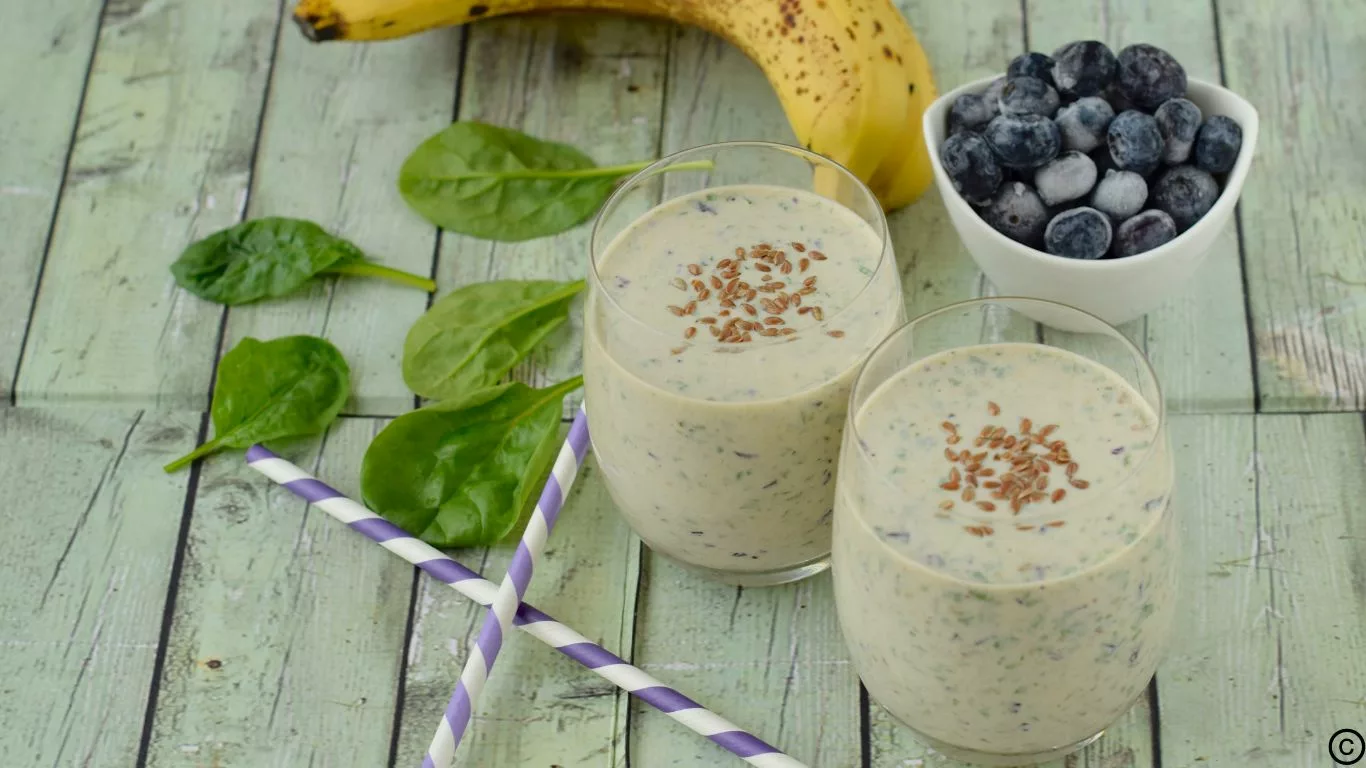
I’ve found it sustainable—but only because I’ve made it enjoyable. I now rotate satisfying meals like veggie stir-fries, lentil soup, and almond milk smoothies. Is it perfect? No. I still have the occasional flare-up, especially during high-stress weeks or when I get careless with portions. But overall, my reflux is significantly better than it was before.
Ultimately, a vegan diet isn’t a miracle cure—but for many, including myself, it’s a powerful tool in a broader GERD relief strategy. If you’re curious, consider trying it for a few weeks—your gut may surprise you.

Camellia Wulansari is a dedicated Medical Assistant at a local clinic and a passionate health writer at Healthusias.com. With years of hands-on experience in patient care and a deep interest in preventive medicine, she bridges the gap between clinical knowledge and accessible health information. Camellia specializes in writing about digestive health, chronic conditions like GERD and hypertension, respiratory issues, and autoimmune diseases, aiming to empower readers with practical, easy-to-understand insights. When she’s not assisting patients or writing, you’ll find her enjoying quiet mornings with coffee and a medical journal in hand—or jamming to her favorite metal band, Lamb of God.