Can Tight Clothing Worsen GERD? Let’s Talk About It!
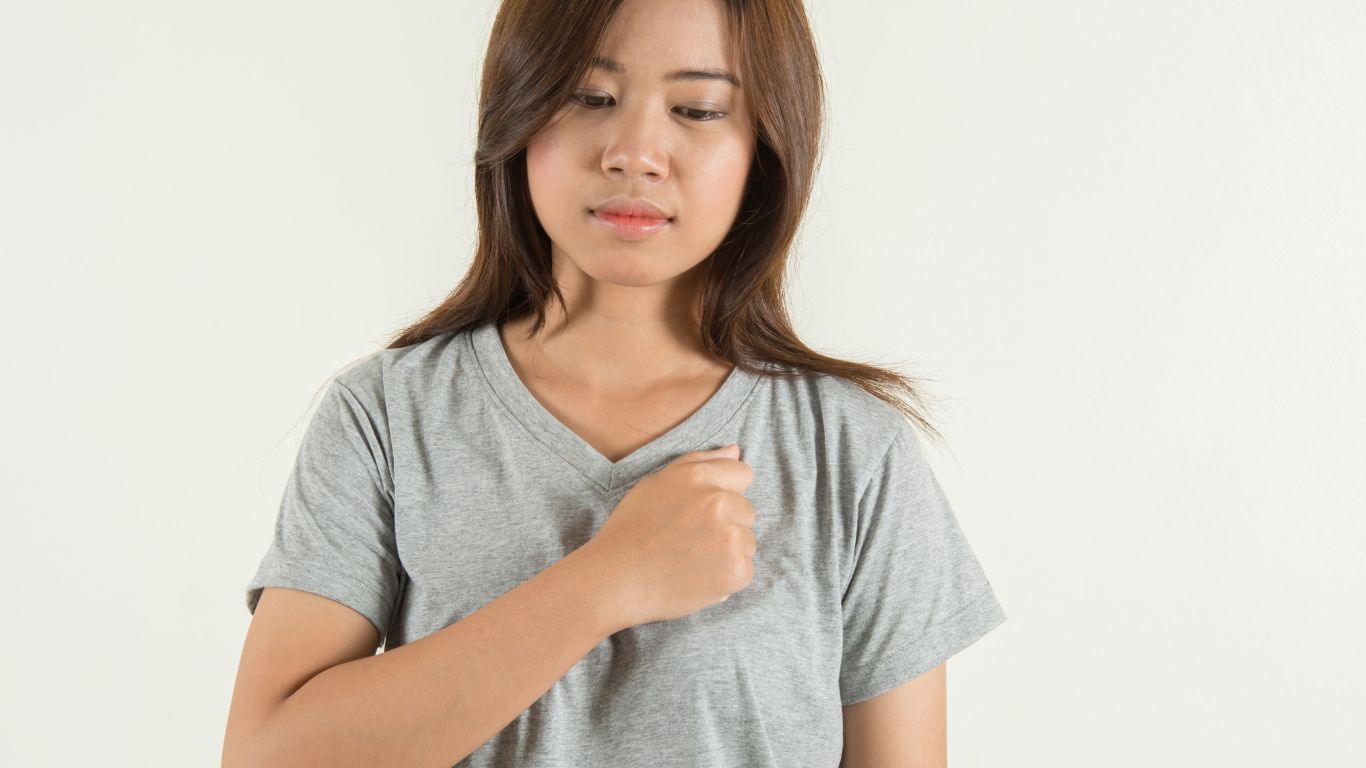
If you’ve ever found yourself unbuttoning your jeans halfway through the day because your chest is burning or your stomach feels like it’s staging a full-blown protest, trust me—you’re not alone. As someone who’s dealt with GERD on and off over the years, I’ve picked up on a few unexpected triggers. One of the sneakiest? Tight clothing. Yep. That favorite pair of skinny jeans might be hugging more than just your curves—they could be squeezing your digestive system into dysfunction.
How Tight Clothing Could Be Making GERD Worse
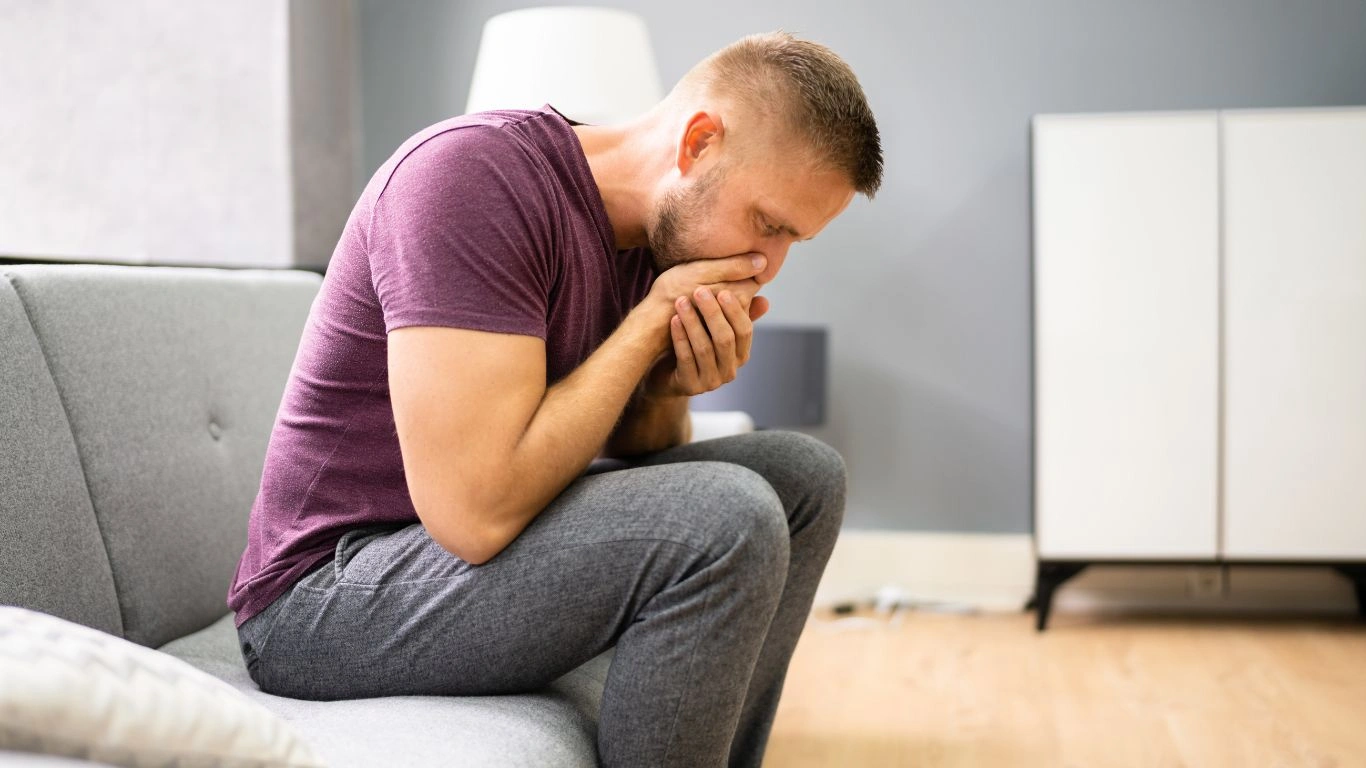
The Pressure Factor
Let’s cut to the chase. Tight clothes—especially around the waist and abdomen—can create external abdominal pressure. This pressure doesn’t just make you feel bloated; it can also interfere with how well your lower esophageal sphincter (LES) does its job. The LES is like a valve between your esophagus and stomach. When it weakens or gets pushed open due to pressure, stomach acid can rise up—hello, heartburn.
What Clothing Items Are the Worst Offenders?
- High-waisted jeans – stylish, yes, but a GERD flare-up in disguise.
- Shapewear – compresses everything, and that includes your stomach acid.
- Tight belts – essentially squeezing your midsection like a tube of toothpaste.
- Form-fitting bodysuits or corsets – these can be especially bad during meals.
Been There, Felt That
I remember wearing a fitted dress to a wedding—feeling fabulous until the cake hit. Within 15 minutes, I was gulping water and searching for antacids in my purse. Not the vibe. That night was a wake-up call. I started experimenting with looser fits and noticed a clear difference in my reflux symptoms.
How the Science Backs This Up
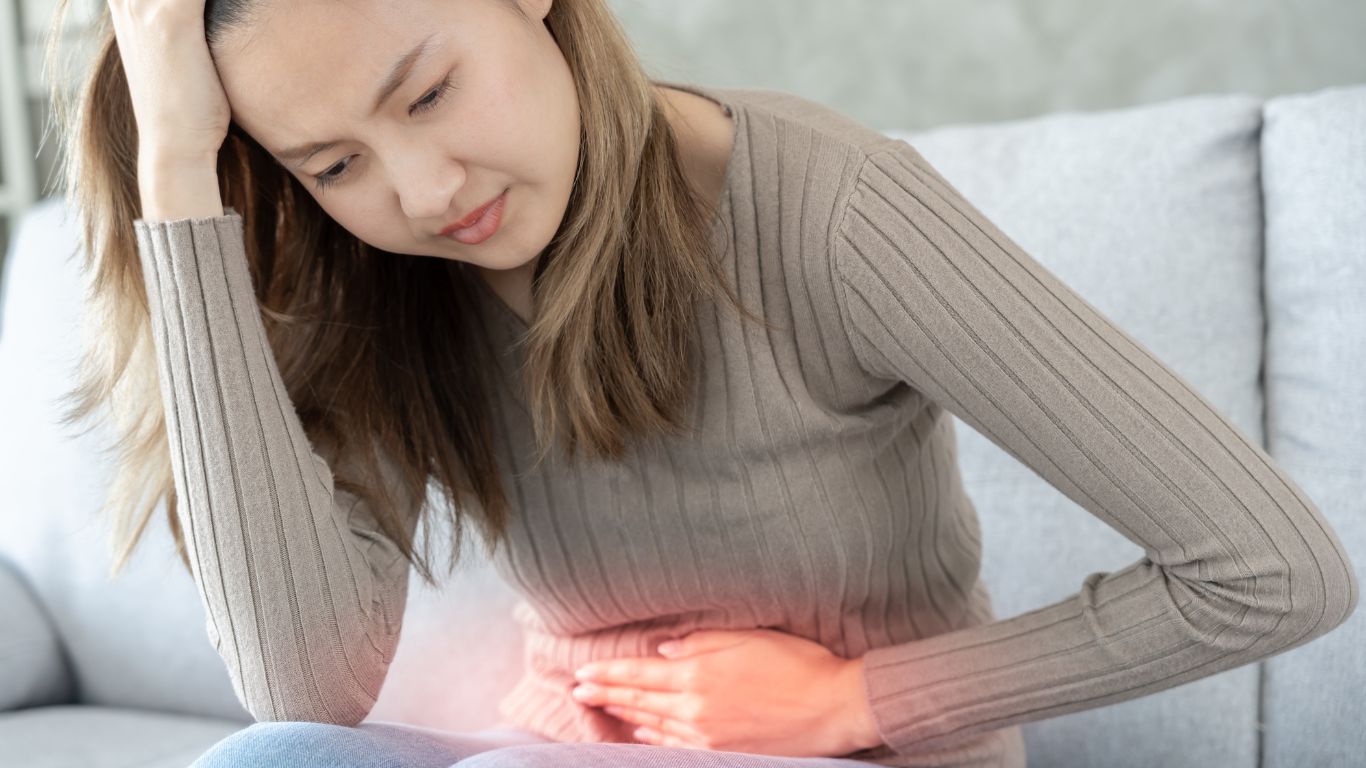
Multiple studies have suggested that garments exerting pressure around the abdomen can worsen acid reflux. The increased intra-abdominal pressure can cause transient LES relaxations, which is medical speak for “your stomach contents are more likely to sneak back up.”
It’s not just about food anymore—it’s what you wear before, during, and after meals. And no, that doesn’t mean you need to live in sweatpants (although, honestly, no judgment if you do).
Clothing Tips for GERD Warriors
Recommended Outfits to Stay Stylish Without Suffering
- Elastic waistbands – Go for pants or skirts with flexible waistbands. They adjust with your body and don’t dig in after a meal.
- Flowy tops and dresses – These can disguise bloating and allow you to move (and digest) freely.
- Soft knits and stretch fabrics – Comfy but still polished enough for the office or a night out.
- Jumpsuits with adjustable belts – Control the snugness without sacrificing shape.
What Surprised Me the Most
Switching to joggers and relaxed-fit jeans wasn’t just more comfortable; it made eating out more enjoyable. I could actually sit through a meal without feeling like my insides were being wrung out. I even found a pair of wide-leg trousers that became my go-to whenever I felt a flare coming on.
Why You Shouldn’t Ignore This

Ignoring the role of clothing in GERD is a mistake I made for years. Sure, we all focus on diet—and rightly so—but mechanical pressure on your gut is a trigger that’s often overlooked. If you’re eating all the “safe” foods and still getting hit with heartburn, your outfit might be the culprit.
This isn’t just about comfort. If tight clothing contributes to prolonged reflux, it could raise the risk of more serious issues over time—like esophagitis or Barrett’s esophagus. Swapping to clothes that are kinder to your midsection is a small change with potentially big benefits.
Getting Ahead with Smarter Choices
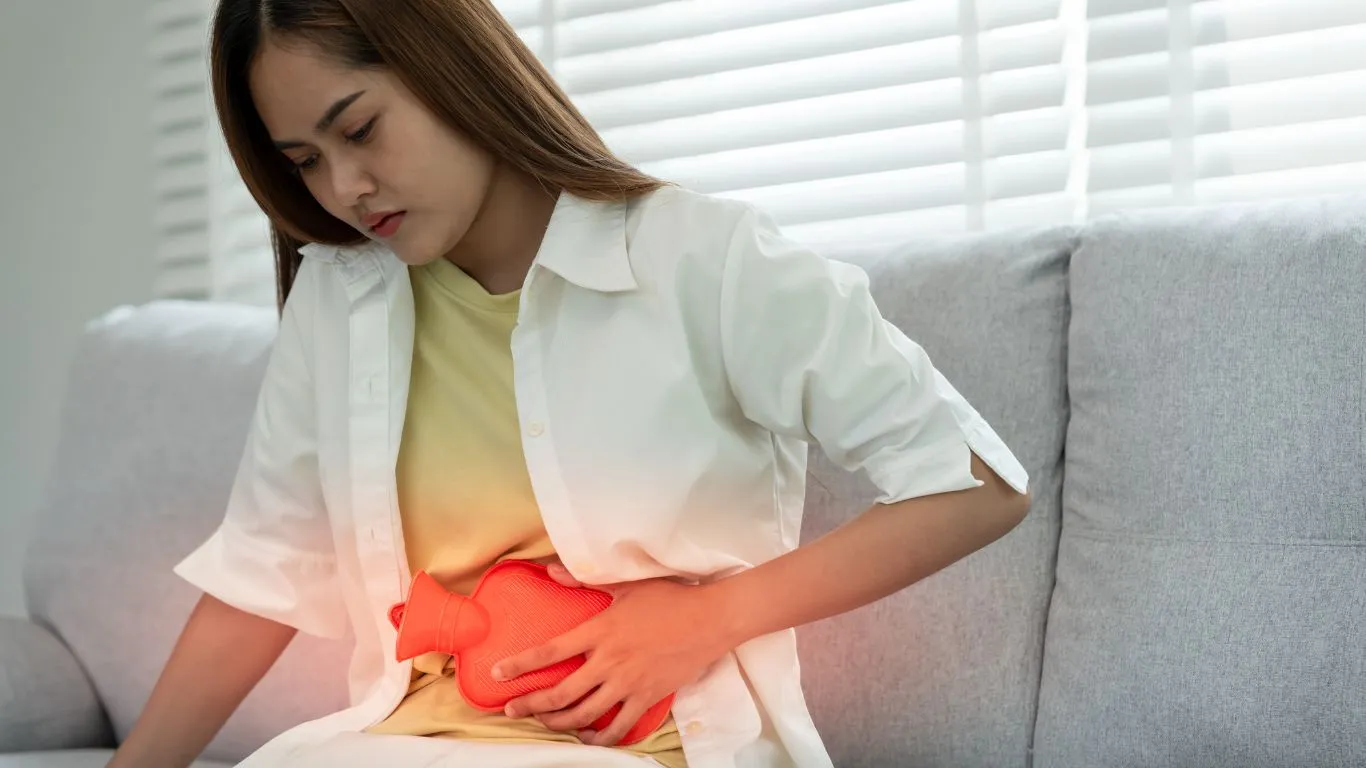
What I Keep in My Closet Now
- Wide-leg linen pants for hot days
- Stretchy midi skirts with yoga-style waistbands
- Breathable cotton button-ups
- Wrap dresses that don’t constrict
- A few go-to oversized sweaters for layering comfort
Making small wardrobe shifts like these works alongside other proven lifestyle changes for GERD relief. It’s not about sacrificing style—it’s about choosing clothes that respect your body’s boundaries.
And let’s be honest, nothing looks stylish when you’re clutching your chest from reflux mid-brunch.
When Timing (and Tightness) Matters Most

The After-Meal Danger Zone
If there’s one thing that reliably kicks up GERD symptoms, it’s the combo of tight clothing and a full stomach. I learned this the hard way after a big lunch while wearing a fitted top and high-waisted jeans. Sitting in a car for 30 minutes afterward felt like a punishment. That burning? Relentless. That bubbling pressure? Miserable. These days, I give my stomach space to do its thing—especially post-meal.
Tip: Avoid snug outfits for at least an hour or two after eating. If you’re heading to an event, opt for looser pieces or bring a change of clothes for the ride home.
Other Pressure Scenarios to Consider
- Long commutes: Sitting for extended periods in tight waistbands traps pressure right where you don’t want it.
- Work-from-home ergonomics: If your lap desk setup encourages slouching in tight pajamas—yep, that can be a trigger too.
- Even sleepwear: Choose loose, breathable sleepwear. Nighttime reflux is real.
Stretchy Isn’t Always Safe

Let’s talk about a sneaky culprit—athleisure. Leggings and yoga pants might feel soft, but some high-compression styles are basically a fashionable tourniquet around your belly. I’ve had reflux triggered by super-tight activewear even while just lounging. Just because it’s stretchy doesn’t mean it’s GERD-friendly.
If the waistband leaves a mark when you take it off—it’s probably not doing your LES any favors.
Better Activewear Choices
- High-waist styles with adjustable drawstrings
- Light compression materials instead of full body shapers
- Cropped or loose-fit workout tops for airflow and movement
And hey, when working out with GERD, you’ll definitely want to check out these GERD-safe exercise tips.
Shapewear: The Love-Hate Relationship
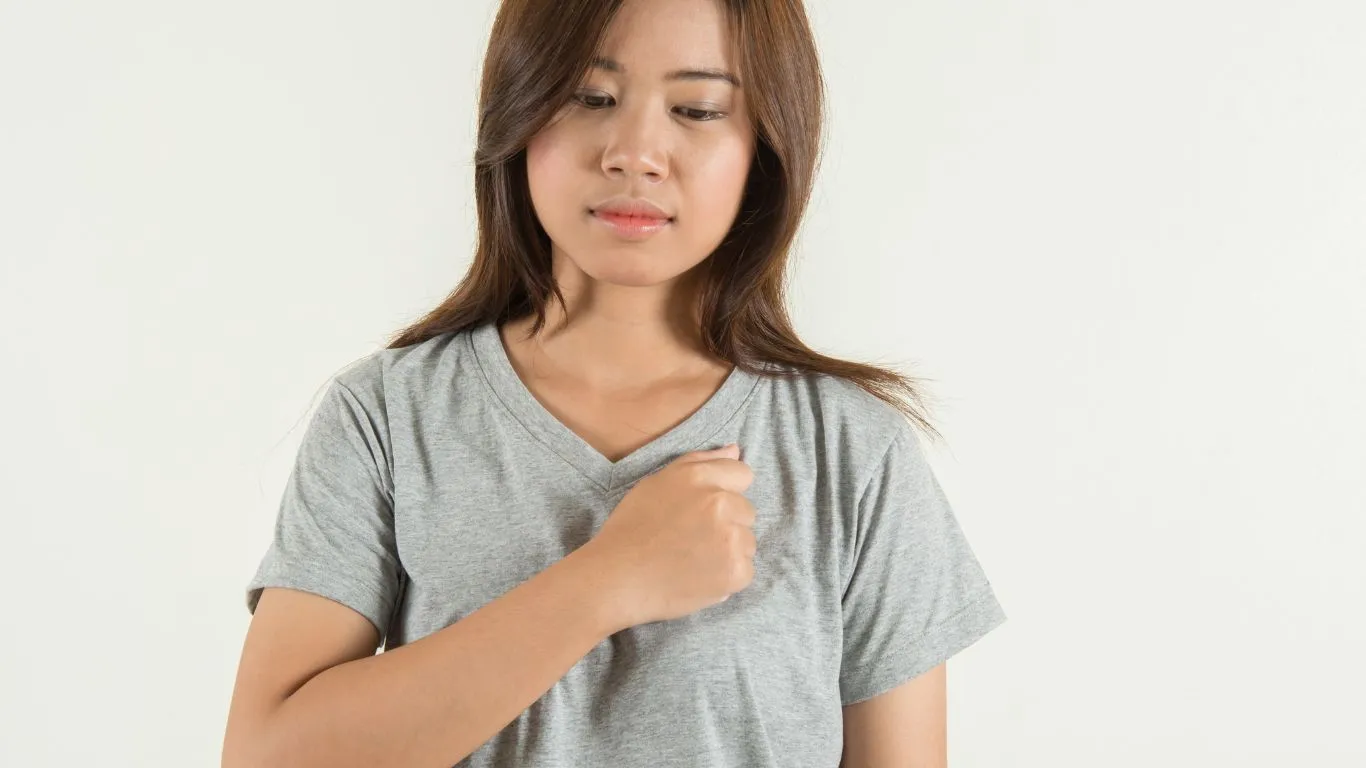
I get it. Some outfits just work better with a bit of shaping. But here’s the truth: shapewear is reflux’s best friend. It compresses your stomach from all angles—especially high-waist styles that smooth the tummy. It may slim your silhouette, but it can also sabotage your digestion.
I reserve shapewear for truly special occasions—and even then, I go for the lightest compression possible and take it off ASAP after eating.
Alternatives I’ve Tried That Actually Work
- Seamless briefs instead of full-body shapers
- Slip dresses under form-fitting clothing (a lifesaver for both reflux and thigh chafing!)
- Body-skimming dresses with structure—no squeezing required
It’s not about ditching confidence—just avoiding unnecessary triggers.
Men’s Clothing and GERD? Yep, It’s a Thing.
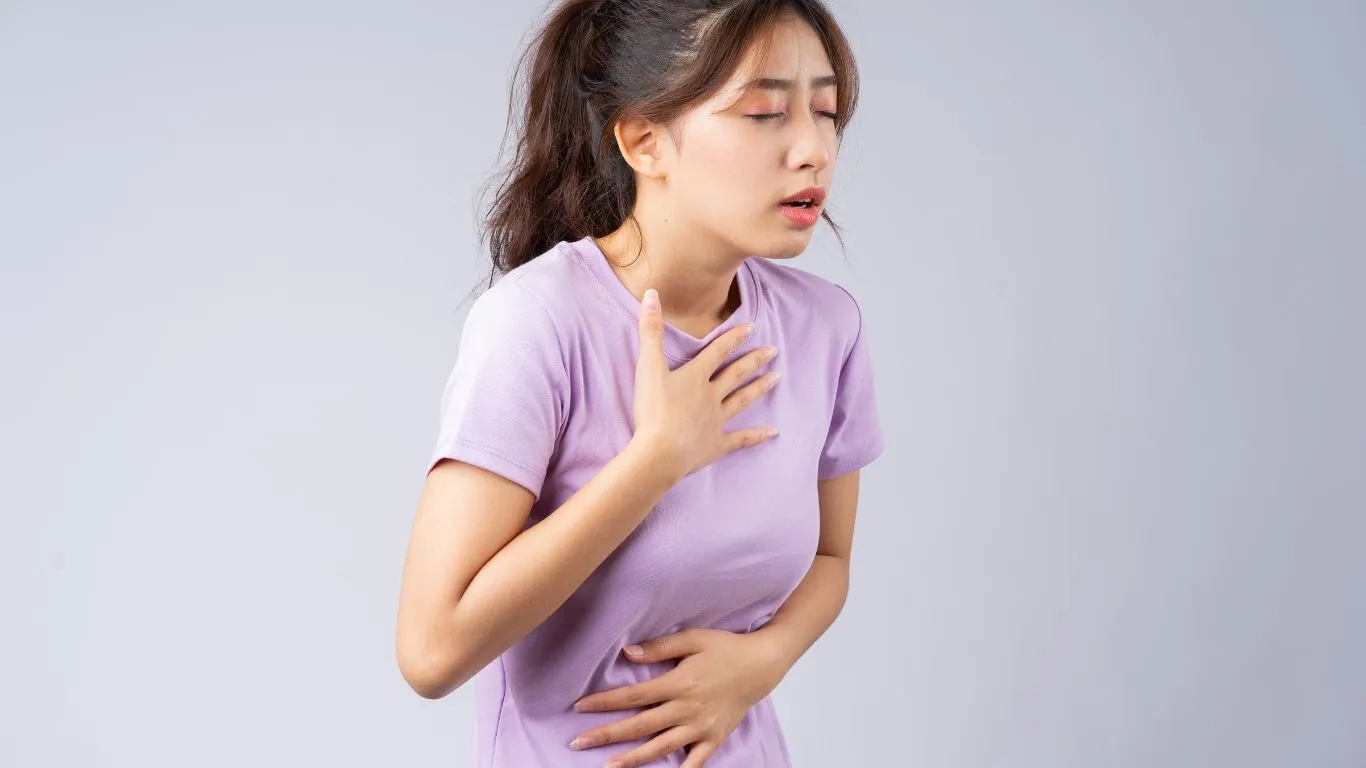
Let’s not pretend tight clothing is a women-only issue. Men get caught in the reflux trap too—especially with dress shirts that hug the waist, belts pulled too tight, and those oh-so-rigid trousers.
Common male clothing triggers include:
- Belts cinched tightly after meals
- Tucked-in shirts with no give
- Skinny-fit trousers or stiff denim
- Compression undershirts worn daily
My partner used to swear by fitted polos until GERD made him rethink everything. Now? Soft waistband chinos and casual button-ups with room to breathe.
The GERD Wardrobe Checklist

If you’re rethinking your closet, here’s a go-to checklist I use when shopping or packing:
- ✅ Waistband test: Can I slide two fingers easily under the waistband?
- ✅ After-meal test: Can I sit for an hour after eating without discomfort?
- ✅ Fabric test: Does it stretch or move with me?
- ✅ Layering test: Can I dress it up or down without adding compression?
Bonus Tip: Pack a backup comfy outfit when traveling. Sitting in transit gear that compresses your core is a GERD disaster waiting to happen.
When Wardrobe Meets Lifestyle
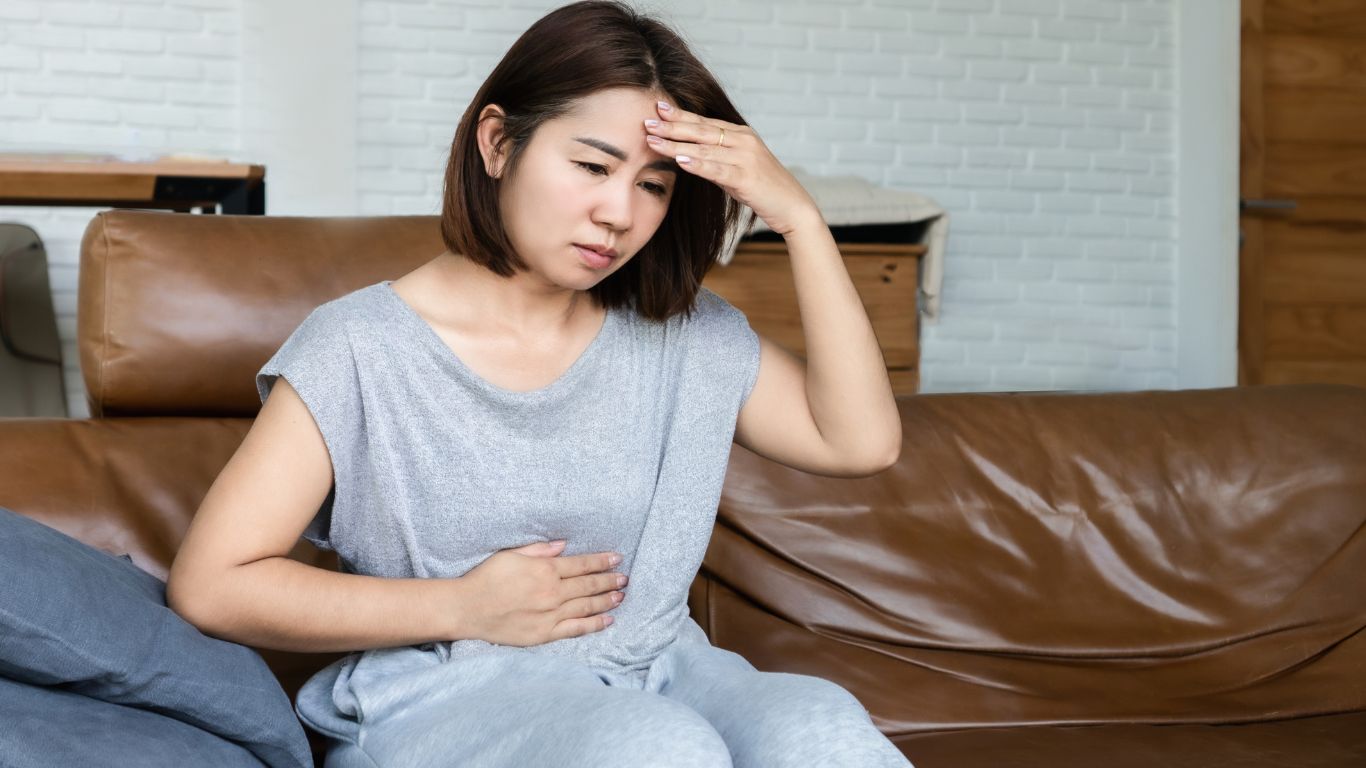
The truth is, managing GERD isn’t just about what you eat—it’s about how you live. Your clothes are an extension of that. If your goal is long-term relief, your outfit choices deserve just as much thought as your meals or meds.
If you’re trying to get a handle on GERD, start from the outside in. You might be surprised just how much tight clothing contributes to the reflux cycle.
Clothing isn’t just a style statement—it can be a symptom manager, too.
And if you’re serious about feeling better in the long haul, make sure you also explore these effective lifestyle tweaks that helped me reduce my flare-ups for good.

Camellia Wulansari is a dedicated Medical Assistant at a local clinic and a passionate health writer at Healthusias.com. With years of hands-on experience in patient care and a deep interest in preventive medicine, she bridges the gap between clinical knowledge and accessible health information. Camellia specializes in writing about digestive health, chronic conditions like GERD and hypertension, respiratory issues, and autoimmune diseases, aiming to empower readers with practical, easy-to-understand insights. When she’s not assisting patients or writing, you’ll find her enjoying quiet mornings with coffee and a medical journal in hand—or jamming to her favorite metal band, Lamb of God.