Can Asthma Make You Feel Short of Breath? Shocking Facts & Solutions!
Can asthma make you feel short of breath? If you’ve ever found yourself gasping for air, feeling like your lungs just won’t cooperate, you’re not alone. As someone who has spent years studying and working in respiratory health, I’ve seen countless people struggle with this very issue. And let me tell you, it’s frustrating, sometimes even scary. But the good news? You’re not powerless against it. Understanding the why behind this breathlessness can make a world of difference.
Why Does Asthma Make Breathing Feel So Difficult?

Breathing is something most people take for granted—until it becomes a challenge. When asthma flares up, it’s like trying to suck air through a tiny straw. That tight, suffocating sensation? It’s not in your head. It’s your airways reacting to inflammation and irritation.
The Science Behind the Struggle
Here’s what happens inside your lungs during an asthma episode:
- Inflammation: Your airways become swollen and irritated.
- Mucus Overload: Extra mucus clogs up the already-narrowed airways.
- Muscle Tightening: The muscles around your airways constrict, making it even harder for air to pass through.
Put all that together, and you’ve got a recipe for shortness of breath, wheezing, and that heavy-chest feeling that makes every breath feel like a workout.
Is Shortness of Breath Always an Asthma Attack?

Not necessarily! As an asthma specialist, I’ve had many patients assume every bit of breathlessness means they’re having a full-blown asthma attack. But there’s a difference between chronic shortness of breath and an asthma attack.
Signs of an Asthma Attack
Asthma attacks come on fast and can be dangerous. Look out for:
- Severe shortness of breath, even at rest.
- Wheezing that gets worse despite using your inhaler.
- A feeling of tightness in your chest, almost like a heavy weight sitting on you.
- Rapid breathing and an increased heart rate.
- Blue lips or fingertips (a sign of low oxygen—seek medical help immediately!).
When It’s Just Everyday Asthma Symptoms
On the other hand, some breathlessness is just part of having asthma. It might show up as:
- A slight struggle to catch your breath after physical activity.
- Mild wheezing that comes and goes.
- Breathlessness triggered by allergens like dust, pollen, or strong smells.
Pro tip: If you’re noticing consistent breathlessness outside of asthma attacks, it might mean your condition isn’t as well-controlled as it should be.
Common Triggers That Can Worsen Shortness of Breath
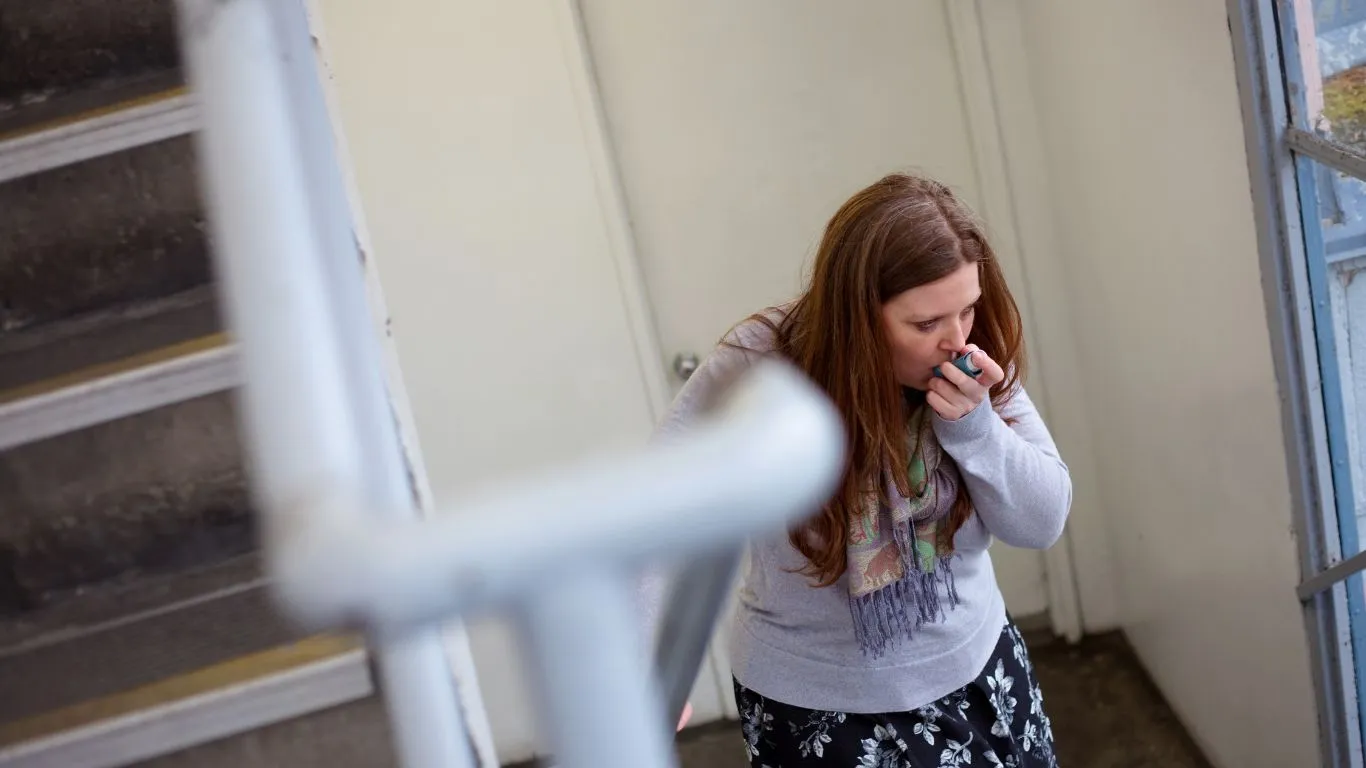
Here’s where things get tricky. Asthma is different for everyone, which means what triggers one person’s symptoms might not affect someone else at all. However, through my years of working with asthma patients, I’ve noticed some triggers are more common than others.
Everyday Culprits Behind Breathlessness
Some of the most frequent offenders include:
- Cold Air: Ever stepped outside in winter and instantly felt like your lungs froze? That’s because cold air can cause airway constriction.
- Exercise: Especially when done in dry or cold conditions, physical activity can trigger asthma symptoms.
- Allergens: Pollen, pet dander, mold, and dust mites—these tiny invaders love to stir up trouble.
- Smoke & Pollution: Whether it’s cigarette smoke, car exhaust, or wildfires, airborne pollutants are a major asthma enemy.
- Stress & Anxiety: Believe it or not, mental health plays a big role in asthma symptoms. Stress can make breathing feel even more difficult.
Understanding what sets off your shortness of breath is key to avoiding unnecessary asthma flare-ups.
How to Manage Shortness of Breath from Asthma

Feeling out of breath because of asthma isn’t just annoying—it can be downright scary. But here’s the thing: you don’t have to live in constant fear of losing your breath. There are ways to manage it, and trust me, I’ve seen these strategies work wonders for countless people.
1. Stick to Your Medication Plan
Sounds obvious, right? But you’d be surprised how many people either forget to take their meds or skip them because they’re feeling “fine.” The reality is, asthma is a chronic condition. Even when you’re symptom-free, inflammation could still be brewing under the surface.
- Daily Controllers: These meds (like inhaled corticosteroids) help prevent inflammation and keep your airways open.
- Rescue Inhalers: Used for quick relief when you’re already struggling to breathe.
- Biologic Therapies: If traditional meds aren’t cutting it, your doctor might recommend targeted treatments for severe asthma.
Think of asthma medication like dental hygiene—you wouldn’t stop brushing your teeth just because you don’t have cavities, right?
2. Learn and Avoid Your Triggers
Earlier, we talked about common asthma triggers, but here’s the catch: not all triggers affect everyone the same way. This is why I always recommend keeping a symptom journal. Write down when you feel short of breath, what you were doing, and any environmental factors at play.
Some practical ways to minimize exposure:
- Use an air purifier to reduce dust, pet dander, and pollen inside your home.
- Check air quality apps before going outside—pollution and high pollen levels can make asthma worse.
- Wear a scarf over your nose and mouth in cold weather to help warm the air before it hits your lungs.
Breathing Techniques to Ease Shortness of Breath

When you’re gasping for air, your first instinct might be to panic—but that actually makes things worse. Over the years, I’ve taught many patients simple but powerful breathing techniques that can help them regain control when breathlessness strikes.
1. Pursed-Lip Breathing
Ever noticed how blowing out a candle takes more control than just exhaling normally? That’s the idea behind pursed-lip breathing—it slows your breath, keeps airways open longer, and prevents that awful “tight chest” feeling.
- Inhale slowly through your nose for about 2 seconds.
- Purse your lips (like you’re about to whistle).
- Exhale slowly through pursed lips for about 4 seconds.
- Repeat until your breathing feels steadier.
2. Diaphragmatic Breathing
Also called “belly breathing,” this technique helps fully expand your lungs instead of relying on shallow chest breaths.
- Place one hand on your belly and the other on your chest.
- Take a deep breath in through your nose, letting your belly rise (not your chest).
- Exhale slowly through your mouth while pressing gently on your belly.
- Repeat a few times, especially when feeling tightness in your chest.
When Should You Seek Medical Help?
Let’s be real—sometimes, no amount of home remedies or breathing techniques will be enough. If your shortness of breath is severe, don’t hesitate to seek medical help.
Signs You Need Urgent Care
- Your inhaler isn’t helping after multiple uses.
- You can’t speak in full sentences without gasping for air.
- Your lips or fingernails turn blue (a sign of low oxygen).
- Rapid breathing and chest pain that doesn’t ease up.
In these cases, call emergency services immediately. Don’t try to tough it out—severe asthma attacks can be life-threatening.
Taking Control of Your Breathing
Asthma-related shortness of breath can feel overwhelming, but the key is to stay proactive. By understanding your triggers, sticking to your treatment plan, and using breathing techniques when needed, you can regain control. And trust me, once you learn to manage your asthma instead of letting it control you, life feels a whole lot easier.
Case Studies & Real-Life Examples
Over the years, I’ve worked with so many individuals struggling with asthma-related shortness of breath. And let me tell you—no two cases are exactly the same. That’s why sharing real-life experiences can be incredibly helpful.
Case Study 1: The Athlete with Asthma
Michael, a 22-year-old soccer player, came to me frustrated. Every time he hit the field, he found himself gasping for air within minutes. His biggest concern? He didn’t want to rely on his inhaler too much.
After reviewing his symptoms, we discovered exercise-induced asthma was the culprit. He wasn’t warming up properly, and cold air made his symptoms worse. I advised him to:
- Use his inhaler 15 minutes before playing.
- Wear a scarf or mask when training in cold weather.
- Gradually increase his workout intensity instead of jumping straight into sprinting.
The result? Michael started playing full games without wheezing or needing emergency medication.
Case Study 2: The Mom Struggling with Household Triggers
Sarah, a 38-year-old mother of two, experienced shortness of breath almost daily, especially at home. She assumed it was just stress—until she realized her symptoms disappeared whenever she left the house.
After some detective work, we found out her home had hidden asthma triggers like dust mites, mold, and pet dander. Here’s what helped:
- Switching to hypoallergenic bedding to reduce dust mites.
- Running an air purifier to trap allergens.
- Using a dehumidifier to prevent mold growth.
Within weeks, Sarah’s breathing improved dramatically, proving that small environmental changes can make a big difference.
Key Takeaways: What You Need to Remember
Managing asthma-related shortness of breath isn’t about quick fixes—it’s about long-term control. Here’s what matters most:
- Know your triggers. Avoiding them is just as important as treating symptoms.
- Take your medication as prescribed. Even if you feel fine, skipping doses can lead to flare-ups.
- Use breathing techniques. Methods like pursed-lip and diaphragmatic breathing can ease breathlessness in the moment.
- Monitor your symptoms. Keep a log of when and where shortness of breath happens to identify patterns.
- Don’t wait too long to get help. If your rescue inhaler isn’t working, seek medical attention.
FAQs
Still have questions? Let’s tackle some of the most common concerns about asthma and shortness of breath.
1. Can asthma make you feel short of breath even when you’re not having an attack?
Absolutely! Even if you’re not in the middle of an asthma attack, chronic airway inflammation can still cause mild breathlessness. If it happens often, your asthma might not be as well-controlled as it should be.
2. How can I tell if my shortness of breath is from asthma or anxiety?
Great question! Asthma-related breathlessness usually comes with wheezing, chest tightness, or a cough. Anxiety, on the other hand, often causes hyperventilation (fast, shallow breathing) and a sensation of not getting enough air, even when your lungs are actually working fine. If you’re unsure, tracking your symptoms can help spot patterns.
3. What’s the best way to sleep better with asthma?
Many people experience worse asthma symptoms at night. To improve sleep:
- Keep your bedroom allergen-free by using dust-proof pillowcases.
- Prop yourself up slightly to prevent mucus buildup.
- Use a humidifier (but clean it regularly to avoid mold).
Bonus: Additional Resources or DIY Tips
Want to take control of your asthma beyond medication? Here are some extra tips:
Natural Remedies That May Help
- Ginger Tea: Some studies suggest ginger has anti-inflammatory properties that can help relax airways.
- Breathing Exercises: Practicing controlled breathing daily can help strengthen your lungs.
- Yoga & Meditation: Stress is a common trigger, so relaxation techniques can make a big difference.
Useful Apps for Asthma Management
- AsthmaMD – A free app that helps track symptoms and peak flow readings.
- My Asthma Pal – Offers reminders for medication and symptom tracking.
Appendix: Table, References, Disclaimer, and Call to Action
Common Asthma Triggers and How to Avoid Them
| Trigger | How to Minimize Exposure |
|---|---|
| Dust mites | Use allergen-proof bedding and vacuum frequently. |
| Cold air | Wear a scarf or mask over your nose and mouth. |
| Smoke | Avoid smoking areas and use air purifiers indoors. |
| Exercise | Warm up before workouts and use a preventive inhaler if needed. |
| Pollen | Check pollen forecasts and keep windows closed during high pollen seasons. |
References
Disclaimer
This article is for informational purposes only and should not replace professional medical advice. If you’re experiencing persistent shortness of breath, please consult a healthcare provider.
Call to Action
Now that you know how asthma can make you feel short of breath—and how to manage it—what’s next? Take charge of your health! Start tracking your symptoms, avoid your triggers, and work with your doctor to fine-tune your treatment plan.
Need more expert advice? Check out these asthma resources or talk to your healthcare provider today.

Bianca Nala is a compassionate Nurse Practitioner with a strong background in primary and respiratory care. As a health writer for Healthusias.com, she combines her clinical expertise with a talent for clear, relatable storytelling to help readers better understand their health. Bianca focuses on topics like asthma, COPD, chronic cough, and overall lung health, aiming to simplify complex medical topics without losing accuracy. Whether she’s treating patients or writing articles, Bianca is driven by a single goal: making quality healthcare knowledge accessible to everyone.