How to Recognize Eye Floaters: Symptoms You Shouldn’t Ignore
Ever noticed tiny specks drifting across your vision, like cobwebs or dust motes that move when you try to look at them? I first spotted them on a sunny day—thought it was just dirt on my glasses. Turns out, it wasn’t the lenses. What I was seeing were eye floaters, and they’re more common than most of us think. But not all floaters are harmless. Some may signal a deeper issue that shouldn’t be brushed off. Let’s talk about the symptoms you really need to pay attention to.
What Are Eye Floaters, Really?
Eye floaters are those squiggly shapes or tiny dots that drift across your line of sight. They may look like threads, cobwebs, or even translucent blobs. What you’re actually seeing is tiny clumps or strands within the vitreous humor—the gel-like substance that fills the inside of your eye. As we age, this vitreous slowly shrinks and becomes more liquid, and its collagen fibers can clump together and cast shadows on the retina, appearing as floaters.
It might sound a bit gross, but it’s a totally natural part of the aging process for many. However, when these floaters show up suddenly or come with other symptoms, it’s time to pay close attention.
Common Symptoms of Eye Floaters
Not all floaters are created equal. Here are the most typical symptoms people notice:
- Small dark shapes drifting across your vision (dots, squiggles, cobwebs, or threadlike lines)
- Movement with eye motion — floaters shift when you move your eyes, then drift when your eyes stop
- Most visible against bright backgrounds like blue skies or white walls
- They don’t stay still, often floating away when you try to look at them directly
It’s fascinating (and a bit weird) how they behave. I used to think mine were insects flying past—until I realized they were always there, even indoors.
When Eye Floaters Become a Red Flag
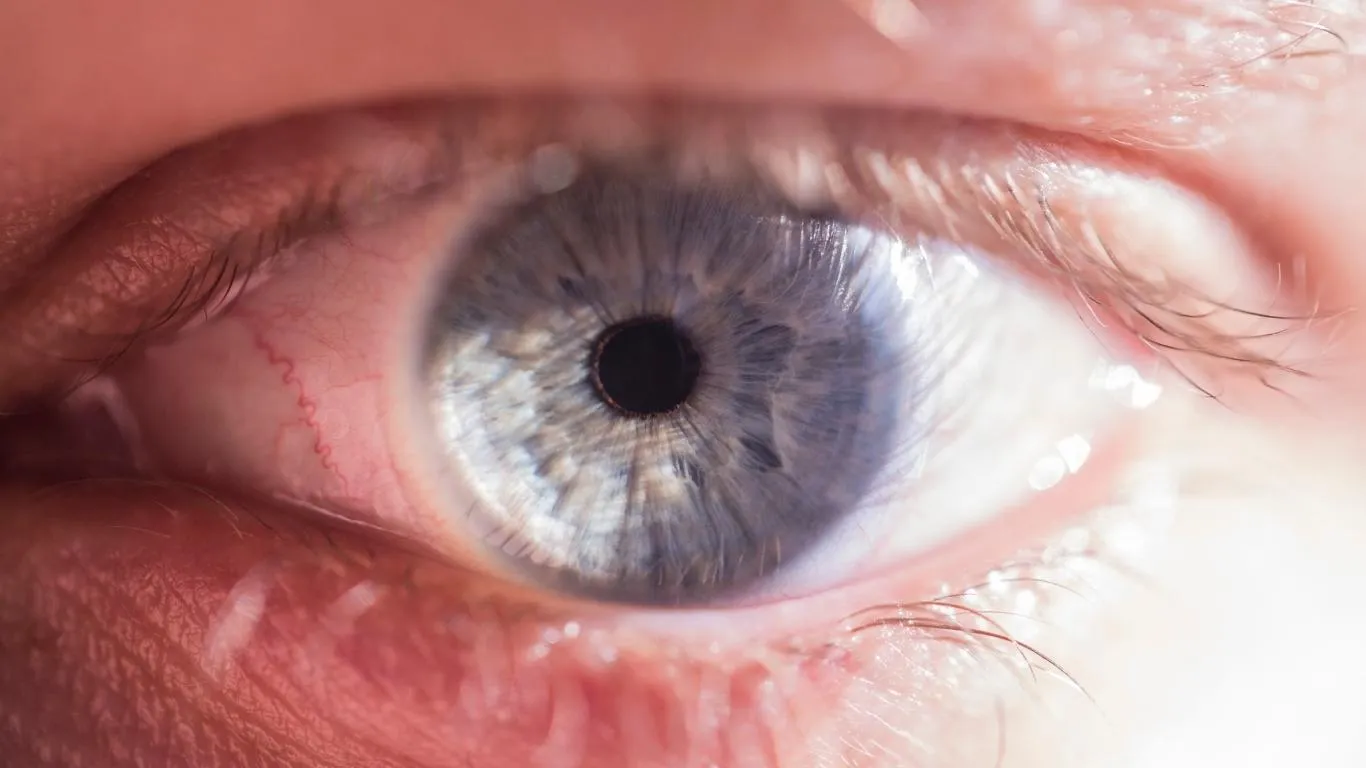
While floaters are usually harmless, there are times when they signal a bigger problem. You’ll want to seek immediate medical attention if you experience:
- A sudden increase in floaters—especially if it feels like a “shower” of them
- Flashes of light in one or both eyes (not caused by external sources)
- Loss of peripheral (side) vision or a shadow sweeping across your visual field
- Blurred vision or visual distortion that appears suddenly
These can be signs of a retinal tear or retinal detachment—both are medical emergencies. The Mayo Clinic warns that untreated retinal detachment can lead to permanent vision loss.
And trust me, this isn’t something you want to gamble with. A friend of mine ignored these signs for days. By the time she saw her eye doctor, she needed urgent surgery to prevent blindness in one eye.
Who’s Most Likely to Experience These Symptoms?
Floaters don’t discriminate, but some people are more likely to deal with them than others. You might be more prone if you:
- Are over 50 years old
- Have extreme nearsightedness (myopia)
- Have had eye surgery (especially cataract removal)
- Experienced eye trauma or inflammation
- Have diabetes or are at risk for diabetic retinopathy
If you fall into any of these categories, staying alert to changes in your vision is even more critical. According to the American Academy of Ophthalmology, myopic individuals are at higher risk for retinal issues associated with floaters and flashes.
Don’t Ignore Subtle Visual Clues
Floaters may seem like a minor annoyance, but they can act as an early warning system. Any sudden change in how they look, how many there are, or whether you’re also seeing flashes of light should be a cue to call your eye doctor.
If you’re unsure whether your symptoms are typical or concerning, it’s worth brushing up on the essentials in this detailed guide: What Are Eye Floaters – Causes, Symptoms, and Treatment Options. It’s a comprehensive breakdown that helped me make sense of what was happening with my own eyes.
Describing Eye Floaters: What Do They *Really* Look Like?
If you’ve ever tried explaining your floaters to someone who’s never seen one, you’ll know how tricky it is. I remember saying, “It’s like a ghost cobweb just floating around,” and getting the most confused look in return.
Here’s a breakdown of how people often describe them—it might help you figure out what you’re seeing:
- Thread-like strands – like tiny fibers suspended in gel
- Dark specks – usually black, gray, or semi-transparent
- Ring-shaped blobs – sometimes appear like bubbles or donuts
- Shadowy clouds – fuzzy patches drifting across your vision
- Squiggly lines – often wavy and worm-like in motion
The location and density of the floater matter, too. Some sit in your peripheral vision and barely move. Others float across your direct line of sight and block out light momentarily, which can be incredibly distracting—especially when reading or driving.
Floaters vs. Flashes: Knowing the Difference
This part confused me at first. I thought the bright flicker I saw at night was just a reflection. But flashes and floaters are two separate symptoms, and the presence of both together is a big deal.
Floaters are particles casting shadows inside your eye. They’re always visible in light and move with your eyes. Flashes, on the other hand, are like lightning streaks—quick bursts of light that seem to come from nowhere. They don’t move with your gaze, and they often signal the retina being tugged or irritated.
If you suddenly start experiencing flashes, especially if they appear frequently or with a shower of new floaters, it could mean a retinal tear is forming. In some cases, this is the eye’s way of sounding an alarm. And yes—it’s just as serious as it sounds.
Eye Floater Symptoms That Come and Go
One of the weirdest parts about eye floaters is how they seem to disappear—then return when you least expect them. Mine always show up while scrolling on my phone in front of a bright window or walking outside on a cloudless day.
Here’s why that happens:
- Lighting plays a role – bright conditions make floaters more visible
- Position of your eyes matters – they shift with movement and settle when you’re still
- Your brain adapts – over time, it learns to ignore floaters, making them seem like they’ve vanished
But intermittent floaters aren’t always benign. If they come back in larger numbers, grow more prominent, or are joined by light flashes or shadowy curtains, don’t write them off. These changes can suggest something more than just aging vitreous gel.
Signs Your Eye Floaters Are Worsening
For many people, floaters remain mild and manageable. But how do you know when things are changing for the worse?
Here are red-flag symptom progressions that should prompt a visit to your ophthalmologist:
- More floaters than before — especially if the increase is sudden
- Floaters appear larger or begin to obstruct vision
- Blurry patches that move and don’t go away
- Persistent light flashes in the same spot
- A dark shadow or curtain creeping into your vision from the side
When I experienced a sudden spike in floaters after a minor head injury, I didn’t wait. Got checked the same day—and while it turned out okay, the peace of mind was 100% worth it.
Other Conditions That Mimic Eye Floater Symptoms
Not every strange visual phenomenon is an eye floater. It’s easy to confuse floaters with:
- Migraine auras – shimmering lights or zigzag patterns before a headache
- Ocular migraines – temporary vision loss or light flickers in one eye
- Posterior vitreous detachment (PVD) – a common aging-related shift in the eye’s gel structure
- Retinal detachment – usually accompanied by flashes and shadowing
If your vision changes suddenly, don’t self-diagnose. A proper eye exam can determine what’s going on and rule out serious causes. I learned that lesson after confusing an ocular migraine with retinal damage—thankfully, it was the former, but it got me in the clinic fast.
Floaters may seem like a minor issue on the surface, but as we’ve seen, the underlying symptoms can reveal a lot. Understanding these signs could literally save your vision—or someone else’s.
How Eye Floater Symptoms Are Diagnosed
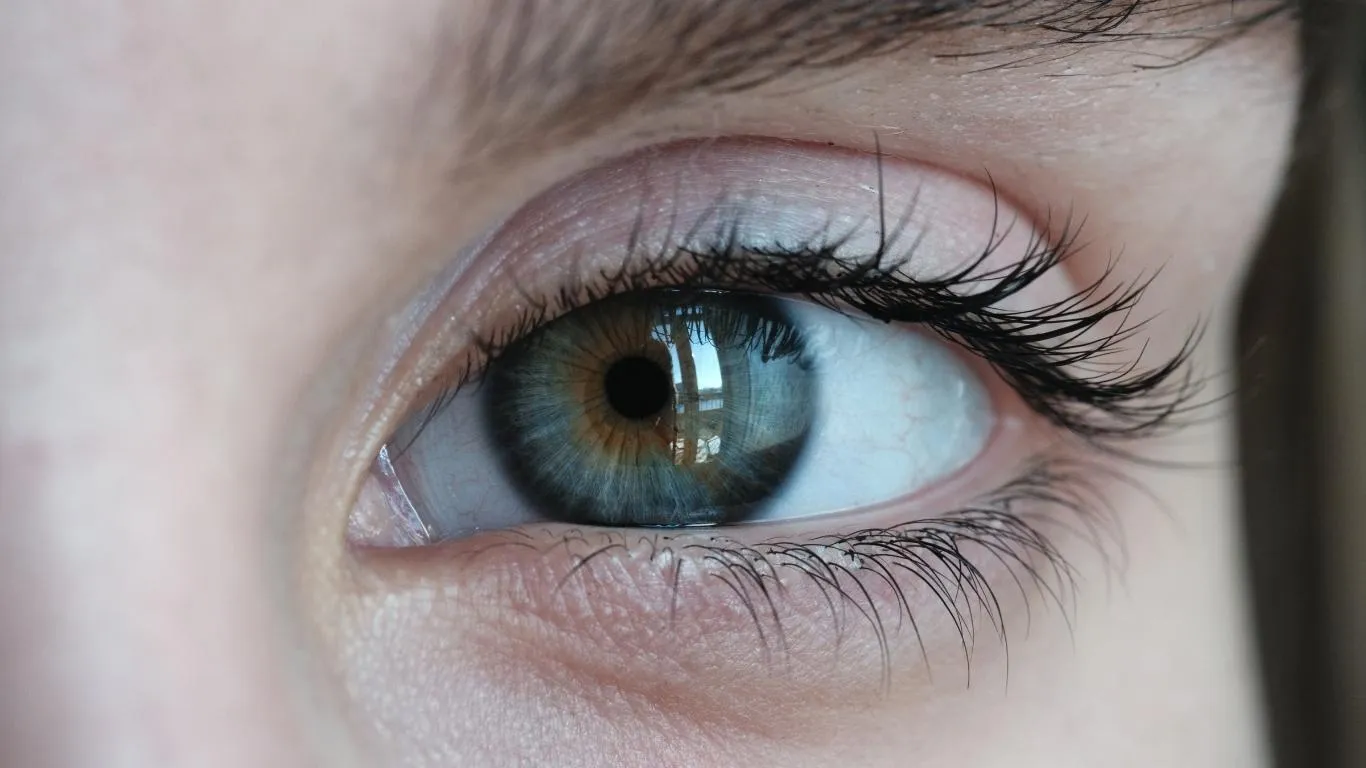
If you’re seeing floaters regularly—or worse, your symptoms are changing—you’re probably wondering, “What will the eye doctor actually do?” I had the same thought before my first appointment. Turns out, it’s a pretty straightforward process—but surprisingly thorough.
Here’s what usually happens during an eye floater evaluation:
- Dilated eye exam – Drops widen your pupils, allowing your doctor to inspect the retina and vitreous.
- Slit lamp exam – A microscope with a bright light helps visualize the structures inside your eye.
- Ophthalmoscopy – This lets the doctor look deeper into the eye to check for tears or detachments.
- Imaging tests – OCT (optical coherence tomography) or ultrasound may be used for better visualization.
When I had mine done, the dilating drops made everything a blur for hours, so pro tip: bring sunglasses and don’t plan to drive yourself home.
When to Treat Eye Floaters: Symptoms That Call for Action
In most cases, floaters don’t need treatment—they’re annoying, sure, but they’re usually harmless. Your brain often learns to tune them out over time. But certain symptoms mean you shouldn’t wait:
- Floaters suddenly increase in number or size
- Persistent flashes of light in the same visual area
- Dark curtain or shadow starts to move across your field of vision
- Floaters obstruct central vision, making it difficult to read, drive, or function normally
One woman I met during a follow-up visit shared that she waited over a week before getting her flashes checked. She thought it was stress. Turned out it was a partial retinal detachment—and she almost lost her vision in that eye.
Eye Floater Treatment Options Based on Symptoms
When floaters are mild, the best course is usually just observation. But when symptoms interfere with daily life or hint at something serious, doctors may recommend treatment. Options include:
1. Watchful Waiting
For most people, this is the standard approach. The brain adapts, and floaters often settle with time. Unless the floaters are growing or accompanied by flashes, doctors may just monitor your symptoms during routine checkups.
2. Laser Vitreolysis
This is a minimally invasive laser treatment that targets larger floaters and breaks them into smaller, less visible fragments. It’s not suitable for everyone, but can be effective when floaters significantly disrupt vision.
3. Vitrectomy
In rare cases with severe symptoms, this surgical procedure removes the vitreous gel entirely and replaces it with a saline solution. It’s highly effective but comes with risks like retinal detachment and cataract formation—so it’s typically reserved for extreme cases.
The American Academy of Ophthalmology notes that surgery is rarely recommended unless floaters are truly debilitating. Personally, I’d only consider this if my vision was severely affected and I’d tried everything else.
Living With Eye Floater Symptoms
Living with eye floaters isn’t always easy—but most of us can manage just fine once we understand what we’re dealing with. I’ve learned a few habits that help me cope, like:
- Avoiding bright backdrops (like white screens or sunny skies) when possible
- Using polarized sunglasses outdoors to reduce floater visibility
- Staying hydrated and eating antioxidant-rich foods to support overall eye health
But the most important thing I’ve learned? Don’t ignore changes. If something suddenly shifts in your vision—new floaters, flashing lights, or shadows—take it seriously. It’s your eyes. You don’t get a second pair.
For a more complete picture of what causes floaters and the full range of treatment possibilities, I highly recommend reading this detailed guide on causes, symptoms, and treatments. It was my go-to when I first started seeing things that weren’t really there.

Camellia Wulansari is a dedicated Medical Assistant at a local clinic and a passionate health writer at Healthusias.com. With years of hands-on experience in patient care and a deep interest in preventive medicine, she bridges the gap between clinical knowledge and accessible health information. Camellia specializes in writing about digestive health, chronic conditions like GERD and hypertension, respiratory issues, and autoimmune diseases, aiming to empower readers with practical, easy-to-understand insights. When she’s not assisting patients or writing, you’ll find her enjoying quiet mornings with coffee and a medical journal in hand—or jamming to her favorite metal band, Lamb of God.