Eye Floaters vs. Other Eye Problems: How to Tell the Difference
Ever been outside on a bright day and suddenly noticed squiggly lines or shadowy shapes floating across your vision? You blink, try to swat them away, even rub your eyes, but they’re still there—just drifting. That’s how I first realized I had eye floaters. At the time, I thought it might be something more serious like a retinal tear or even a sign of an underlying eye disease. Turns out, distinguishing between eye floaters and other eye conditions isn’t always straightforward. But it’s important—because sometimes those subtle symptoms are red flags.
What Are Eye Floaters, Really?
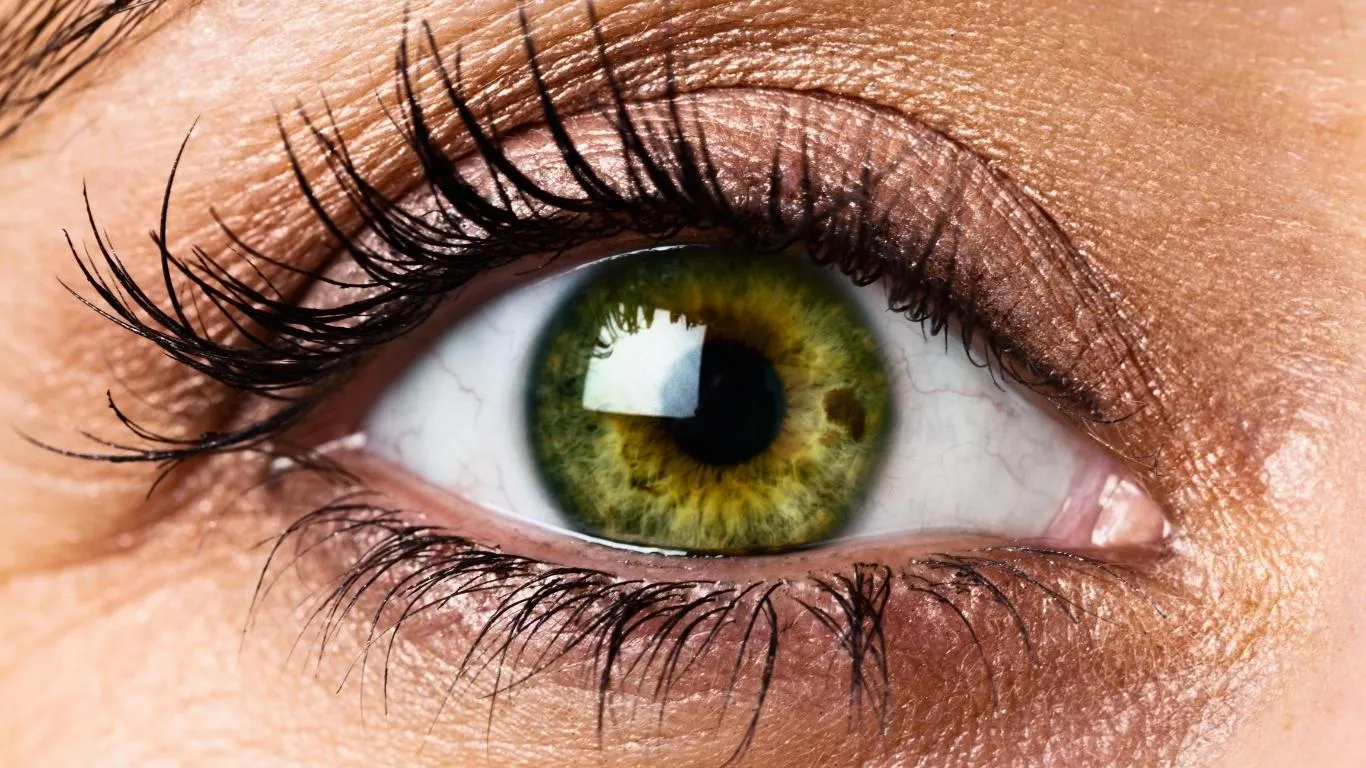
Eye floaters are tiny clumps of gel or cells inside the vitreous—the clear gel-like fluid that fills the inside of your eye. As we age, the vitreous starts to shrink and become more liquid, forming microscopic fibers that cast shadows on the retina. Those shadows are what we see as floaters.
They’re usually harmless, and I’ve had them for years with no real problems. But that doesn’t mean we should ignore them—especially when new ones pop up suddenly or are accompanied by other symptoms.
When It’s Not Just Floaters: Related Eye Conditions
Floaters can often be confused with other eye problems. Here’s where things get tricky—because not everything that floats across your vision is a floater. Some symptoms may indicate more serious conditions that mimic or accompany floaters.
1. Flashes of Light – Retinal Detachment Warning
If you’re seeing flashes of light along with floaters, it could signal a retinal tear or detachment. These flashes feel like little camera flashes in your peripheral vision. It’s something I once experienced after a minor car accident, and thankfully it wasn’t serious—but I got it checked out right away. If it had been a retinal tear, early treatment would have been crucial.
According to the Mayo Clinic, retinal detachment is a medical emergency, and floaters accompanied by sudden flashes or a shadow over your vision shouldn’t be taken lightly.
2. Blurred Vision – Could Be Uveitis
Sometimes people confuse floaters with blurred or hazy vision, which can be a sign of uveitis—an inflammation of the middle layer of the eye. Uveitis can also cause floaters, but it comes with pain, redness, and sensitivity to light. In one of my eye exams, my optometrist explained how even mild inflammation could look like floaters to the untrained eye.
3. Visual Snow and Migraine Auras
Then there’s the static-like interference that comes with visual snow or the shimmering zig-zag lines from migraine auras. These aren’t floaters, though they’re often mistaken as such. Migraine-related visual disturbances typically last minutes, not days or weeks like floaters do.
Common Conditions Mistaken for Floaters
There are several eye issues that people frequently mix up with floaters. Here’s a list of the most common ones and how to tell them apart:
- Macular Degeneration: Causes blurred or distorted central vision, not floating spots.
- Cataracts: Cloudy vision or halos around lights—entirely different from floaters.
- Dry Eye Syndrome: Leads to stinging, redness, and blurry vision that clears with blinking, unlike floaters that drift when you move your eyes.
- Ocular Migraines: Temporary blind spots or wavy vision—not actual floaters.
How I Learned to Tell the Difference
For me, the turning point was a comprehensive eye exam after I mistook some new floaters for signs of diabetic retinopathy. I was lucky—my optometrist found no serious damage. But she did educate me on what to watch for. Since then, I’ve kept a simple checklist to know when to worry:
- New floaters that appear suddenly? Check with a doctor.
- Seeing flashes? Don’t wait—go immediately.
- Pain or redness? Could be inflammation, not floaters.
- Blurry vision that clears after blinking? Likely dry eyes, not floaters.
That kind of awareness not only gave me peace of mind but also saved me from unnecessary panic over what turned out to be harmless.
When to See an Eye Specialist
While most floaters are benign, you should seek immediate medical attention if you notice any of the following:
- A sudden increase in floaters
- Flashes of light in your peripheral vision
- Loss of peripheral (side) vision
- Dark curtain-like shadow across your vision
These may be signs of retinal detachment, bleeding in the eye, or other urgent conditions. Eye floaters rarely go away, but they often become less noticeable over time. However, if they start to change rapidly, get worse, or are accompanied by other symptoms, don’t take risks.
For a full breakdown of floaters, what causes them, and treatment options, check out our detailed guide here: What Are Eye Floaters – Causes, Symptoms, and Treatment Options.
Can Eye Floaters Be Linked to Underlying Health Conditions?
When I first started seeing floaters in my late 30s, I figured it was just age creeping in. But after diving into research—and speaking with my eye doctor—I learned that sometimes floaters are tied to broader health conditions. These little drifting specs might be more than a minor annoyance if they appear in specific contexts or alongside other symptoms.
Let’s break down how eye floaters can sometimes point to other health concerns, especially those involving the eyes or the vascular system.
1. Diabetes and Diabetic Retinopathy
People with diabetes, especially uncontrolled type 2, are at a higher risk of developing diabetic retinopathy. This condition affects the blood vessels of the retina and can cause bleeding inside the eye—leading to a sudden increase in floaters.
I have a friend with type 2 diabetes who once described waking up to a “snow globe” effect in one eye. That was the result of a vitreous hemorrhage. It’s not just a figure of speech—it was scary, and he needed laser treatment right away. That’s why any diabetic who notices new floaters should get checked immediately.
2. High Blood Pressure and Vascular Issues
Hypertension can affect the retina in ways that cause subtle changes in vision. While floaters aren’t a direct symptom, damage to retinal vessels from long-term high blood pressure can lead to complications like retinal vein occlusion, which may cause floaters or visual disturbances.
According to the American Academy of Ophthalmology, retinal vein occlusion can block blood flow and lead to swelling or bleeding—both of which may present visually similar to floaters. In these cases, floaters are more than just annoying; they’re warning signs.
3. Autoimmune Diseases Like Lupus or MS
Chronic inflammatory conditions such as lupus, multiple sclerosis (MS), or sarcoidosis can sometimes cause inflammation in the eye, known as posterior uveitis. This inflammation leads to floaters that are usually larger, denser, and more persistent than normal age-related floaters.
If floaters come with eye pain, light sensitivity, or blurry vision, it’s worth exploring autoimmune links. An eye exam might even lead to earlier diagnosis of a systemic condition. That’s exactly what happened to one of my readers who messaged me—her floaters ended up being the first sign of sarcoidosis.
Age-Related vs. Condition-Related Floaters: How to Tell
Not all floaters are created equal. While age-related floaters are soft, stringy, and drift slowly when you move your eyes, pathological floaters from bleeding, inflammation, or trauma are often:
- Sudden in appearance
- More numerous or darker
- Associated with other symptoms like flashes, pain, or vision loss
I like to think of age-related floaters as the slow, lazy jellyfish of the eye—harmless and kind of annoying. But when they’re fast, accompanied by flashes, or change quickly, that’s when it’s time to call the eye doc.
How Floaters Differ in Various Eye Disorders
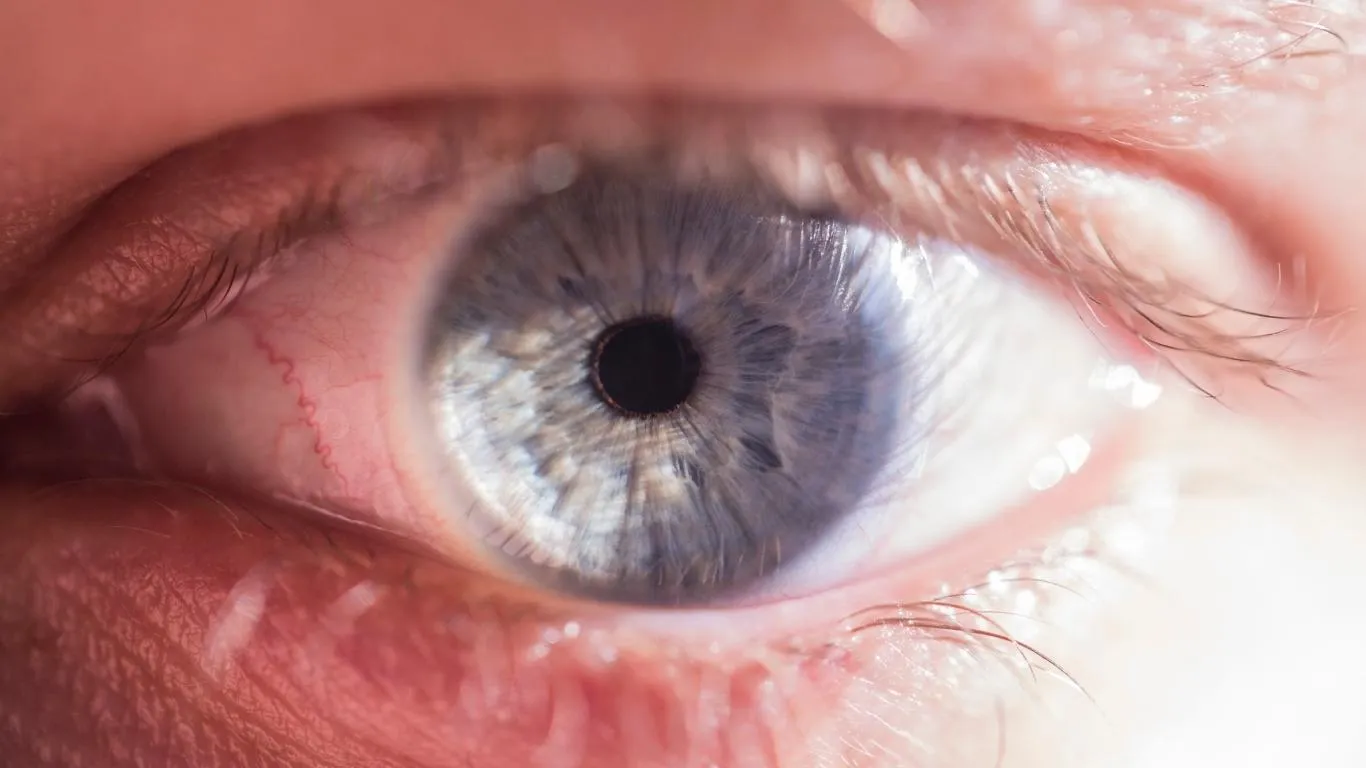
Different eye problems can present with floaters, but the context is what really helps you figure out what’s going on. Here’s a quick comparison:
| Condition | Floaters Present? | Key Differences |
|---|---|---|
| Posterior Vitreous Detachment (PVD) | Yes | Common with aging, floaters + flashes of light |
| Diabetic Retinopathy | Yes | Floaters from bleeding, usually sudden and dense |
| Uveitis | Yes | Floaters + eye pain, redness, sensitivity |
| Macular Degeneration | No | Central vision distortion, not floaters |
| Retinal Detachment | Yes | Floaters with curtain effect or flashing lights |
What Should You Do if You’re Not Sure?
If there’s ever doubt, the best move is to get a comprehensive dilated eye exam. A good ophthalmologist can quickly determine whether your floaters are harmless or a symptom of something more serious.
Also, don’t self-diagnose—trust me, I’ve tried, and it usually just leads to unnecessary panic (and way too many Google searches). In one case, what I feared was a torn retina turned out to be nothing more than a minor PVD that required no treatment at all.
Floaters can tell us a lot—not just about our eyes, but sometimes about our whole body. Paying attention and seeking advice when things seem off is the smartest move you can make.
Do Eye Floaters Ever Go Away on Their Own?
When I first noticed floaters, I was convinced I’d be stuck with them forever. I kept waiting for them to fade, hoping they’d magically disappear one morning. The truth? Some do fade over time—or at least become less noticeable as your brain learns to ignore them. Others? They stick around like that one awkward guest who never leaves the party.
Most of the time, floaters are benign and don’t require treatment. As the vitreous gel settles or becomes less opaque, floaters can move out of your central vision or become less defined. In many cases, people stop noticing them altogether.
When They Don’t Go Away
If floaters persist, grow in number, or are distracting enough to interfere with daily tasks—like reading, driving, or using a computer—there are options available. You don’t have to suffer through them silently.
Treatment Options for Persistent or Severe Floaters
Doctors don’t usually recommend treating floaters unless they seriously impact your vision or quality of life. But in some cases, treatment may be worth exploring.
1. Vitrectomy
This is a surgical procedure where the vitreous gel is removed and replaced with a saline solution. Sounds extreme? It is. And it comes with risks like retinal detachment or infection. That’s why most eye specialists save vitrectomy for severe cases. My ophthalmologist actually discouraged it for me, even though I had one big, annoying floater smack dab in the center of my vision. He said, “If you can live with it, it’s safer to just leave it be.”
2. Laser Vitreolysis
This is a less invasive alternative to surgery. A laser is used to break up floaters, making them less visible. It’s outpatient, painless, and generally safer—but not suitable for all types of floaters. The American Academy of Ophthalmology notes that results can vary, and not all floaters respond well to this method.
3. Monitoring and Adaptation
Sometimes, the best treatment is no treatment. I know that sounds frustrating, but as someone who’s dealt with floaters for years, I’ve learned to adapt. Positioning lighting to avoid glare, using a darker background on screens, and simply learning to move my eyes so the floaters drift out of view has helped a lot.
Managing Eye Floaters Naturally
While there’s no scientifically proven “natural cure” for eye floaters, maintaining good eye and overall health may reduce the risk of worsening symptoms. Some eye health enthusiasts swear by dietary changes and supplements. Here’s what’s commonly recommended:
- Stay hydrated: Dehydration may impact vitreous consistency.
- Eat antioxidant-rich foods: Berries, leafy greens, citrus fruits—anything high in vitamins C and E.
- Eye-specific supplements: Some people take taurine, zinc, or bilberry extract (though evidence is anecdotal).
- Omega-3s: Found in fish oil, they support retinal health and may help reduce inflammation.
I started adding more leafy greens and omega-3s into my meals—not expecting miracles, just doing what I could. Over time, I did feel a difference in overall eye comfort, though the floaters didn’t exactly vanish.
When to Seek Immediate Help (Don’t Wait It Out)
Most floaters are harmless. But if you experience any of the following, skip the internet searches and go straight to an eye doctor:
- Sudden burst of new floaters
- Flashes of light
- Loss of side vision or a dark curtain over your eye
- Severe eye pain or redness
These may signal something much more serious like a retinal tear, bleeding, or inflammation that requires immediate intervention. I had one scare where my floaters multiplied overnight—it turned out fine, but I was relieved I didn’t wait.
Can Lifestyle Choices Reduce the Risk of Floaters?
There’s no guaranteed way to prevent eye floaters, but healthy habits can support long-term eye health and potentially slow down age-related changes in the vitreous. Here are a few lifestyle shifts worth considering:
- Get regular eye exams: Especially if you’re over 40 or have a family history of eye disease.
- Protect your eyes: Wear sunglasses that block UV rays and reduce digital eye strain with blue light filters.
- Manage chronic conditions: High blood pressure, diabetes, and autoimmune diseases can all affect your eyes.
- Don’t ignore new symptoms: Early diagnosis is key for preventing complications.
Floaters may be part of aging, but they don’t have to control your life. The more you understand your eyes—and what’s normal for them—the better you’ll be at spotting when something’s not right.
More Resources on Eye Health

If you’re still unsure whether what you’re seeing are floaters or signs of something else, it’s always worth reading up and talking to an eye care professional. For a comprehensive overview, be sure to check out our main guide: What Are Eye Floaters – Causes, Symptoms, and Treatment Options.

Camellia Wulansari is a dedicated Medical Assistant at a local clinic and a passionate health writer at Healthusias.com. With years of hands-on experience in patient care and a deep interest in preventive medicine, she bridges the gap between clinical knowledge and accessible health information. Camellia specializes in writing about digestive health, chronic conditions like GERD and hypertension, respiratory issues, and autoimmune diseases, aiming to empower readers with practical, easy-to-understand insights. When she’s not assisting patients or writing, you’ll find her enjoying quiet mornings with coffee and a medical journal in hand—or jamming to her favorite metal band, Lamb of God.