Can Eye Infections Directly Cause Floaters?
Last summer, after recovering from a particularly nasty bout of conjunctivitis, I noticed tiny black specs drifting across my vision—like dust motes that wouldn’t blink away. At first, I thought it was leftover gunk or eye strain. But when they persisted for days, I started to wonder: Could that eye infection have caused floaters? Turns out, I wasn’t imagining things—there really is a link between infections and floaters, though it’s more complex than most people think.
Understanding the Link Between Infections and Eye Floaters
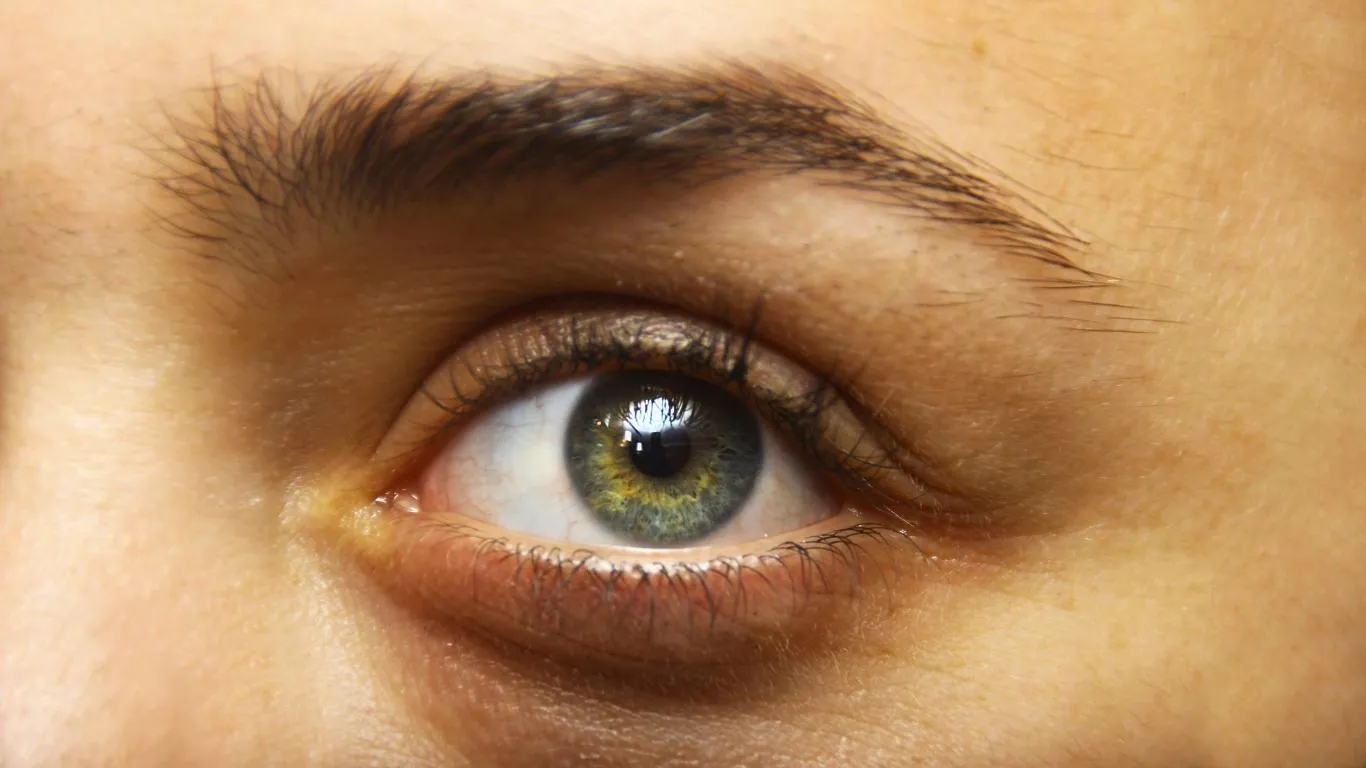
Eye floaters are those small, shadowy shapes that drift across your visual field. Most of the time, they’re completely harmless and linked to age-related changes in the eye’s vitreous. But when floaters show up suddenly—especially after an eye infection—it raises the question: is the infection to blame?
The short answer? Yes, some infections can cause or worsen eye floaters. This isn’t always common, but it’s well-documented in ophthalmology. Certain infections can trigger inflammation or even damage to internal eye structures, resulting in floaters that are more noticeable and persistent.
Types of Eye Infections That May Cause Floaters
Not all eye infections are created equal. Some are superficial and only affect the outer layers, while others penetrate deeper and stir up serious inflammation. Here are a few types known to be linked with floaters:
- Uveitis (intraocular inflammation): Caused by infections like toxoplasmosis, herpes, or tuberculosis, uveitis can lead to floaters when the vitreous becomes clouded with inflammatory debris.
- Endophthalmitis: A rare but severe infection that can occur after surgery, trauma, or as a complication of a systemic infection. It causes pus-like inflammation inside the eye, often resulting in floaters, pain, and vision loss.
- Viral conjunctivitis: While typically mild, some people experience floaters during or shortly after a viral eye infection. This may be due to inflammatory byproducts or mild vitreous disturbance.
How Infections Trigger Floaters Inside the Eye

When we talk about floaters due to infection, we’re usually referring to inflammatory floaters. Here’s how it works:
- Infection reaches intraocular tissues: Some bacteria or viruses don’t just stay on the surface—they travel deeper into the eye’s interior structures.
- The immune system goes into defense mode: This creates inflammation, and in the case of uveitis, causes immune cells and proteins to leak into the vitreous humor.
- Cellular debris floats around: These inflammatory cells, dead tissue, and protein clumps drift through the vitreous, casting shadows on the retina—which appear as floaters.
In some cases, these floaters may resolve once the inflammation is treated. But chronic or repeated infections can cause scarring or lasting changes in the vitreous gel.
Recognizing When Floaters Are a Sign of Infection

From my own experience, the floaters after conjunctivitis weren’t alarming enough to rush to the ER. But if you notice any of the following signs along with new floaters, you should take it seriously:
- Floaters appear suddenly and in large numbers
- You also see flashes of light or experience blurred vision
- The eye is red, painful, or extremely sensitive to light
- There’s a recent history of eye surgery or trauma
- Vision is decreasing rapidly or there’s a dark curtain over your sight
According to the American Academy of Ophthalmology, any of these symptoms warrant urgent medical attention. Infections involving the retina or vitreous are not something to brush off.
Treatment Options for Infection-Related Floaters
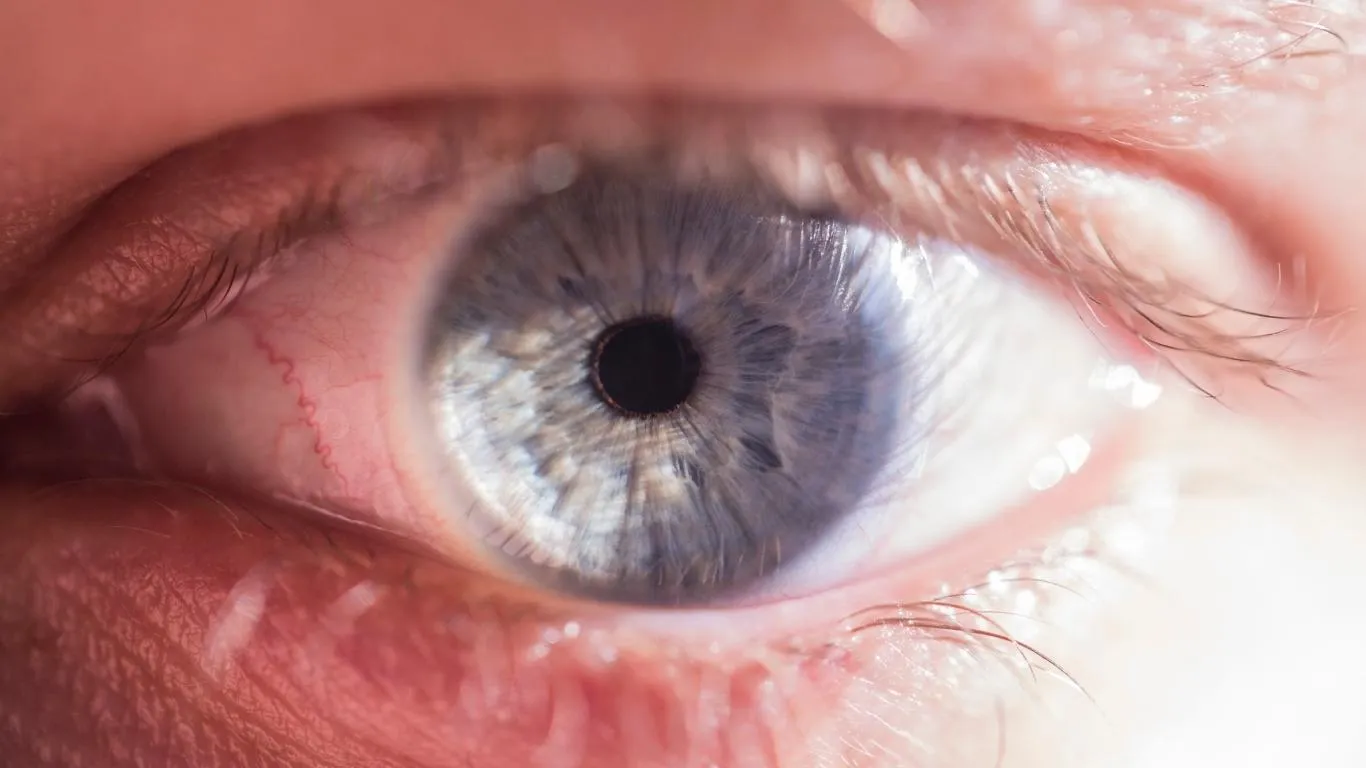
The good news? If the floaters are caused by an active infection or inflammation, they often improve once the underlying issue is addressed. Treatment depends on the type and severity of infection:
- Antibiotics or antivirals: For infections like herpes or bacterial endophthalmitis, appropriate medications are used either orally, topically, or injected directly into the eye.
- Steroids: Inflammation is usually tamed with corticosteroids (oral, topical, or intraocular), which help reduce floaters caused by immune response.
- Vitrectomy: If floaters are persistent and vision-impairing, a surgical procedure called vitrectomy can remove the cloudy vitreous gel altogether. It’s generally a last resort, but may be considered if vision doesn’t recover.
Still, not all floaters post-infection require treatment. Many will fade on their own within weeks or months, depending on how the body clears the inflammation. But ongoing or worsening floaters should never be ignored.
For a more in-depth look at treatment strategies for persistent floaters, explore our detailed guide: Eye Floater Treatments – From Observation to Surgery.
When Infection-Induced Floaters Signal Something Serious

In rare cases, floaters caused by infection may be a symptom of more dangerous conditions. For example, if inflammation spreads to the retina or optic nerve, vision loss can become permanent. One study published in the National Library of Medicine highlighted how delayed diagnosis of ocular toxoplasmosis resulted in lasting retinal scarring, even after the infection was treated.
It’s also possible for floaters to signal systemic infections that affect the eyes secondarily, such as syphilis, Lyme disease, or CMV in immunocompromised individuals. That’s why a comprehensive evaluation—including blood tests and imaging—is sometimes necessary.
In short, when floaters follow an infection, don’t just wait it out without understanding what caused them. Prompt diagnosis ensures you’re not missing a red flag.
To learn more about the underlying causes and mechanisms of floaters in general, visit our main guide: What Are Eye Floaters? Causes, Symptoms, and Treatment Options.
Can Floaters from Infections Become Permanent?
One of the most common questions I had after my floaters stuck around for weeks was: Are they permanent? The honest answer? It depends. Some floaters that emerge from mild inflammation—like the ones I had after conjunctivitis—fade as the eye heals. But when the infection is deeper or prolonged, there’s a chance the floaters could linger for good.
Here’s why some infection-related floaters don’t go away:
- Scarring in the vitreous gel: After intense inflammation, debris and scar tissue may remain suspended in the gel.
- Structural damage: Infections that reach the retina or optic nerve can disrupt the internal eye environment, leading to chronic floaters.
- Persistent low-grade inflammation: Sometimes, the infection resolves, but a smoldering immune response continues to cause floaters intermittently.
That said, not all permanent floaters are problematic. Many people simply adapt. Your brain gradually learns to tune them out—unless they’re large or centrally located. In those cases, the quality of life might take a hit, especially if they interfere with reading or driving.
Monitoring Floaters After an Eye Infection

If you’ve had an eye infection and now have floaters, it’s a good idea to track any changes. During my follow-ups, my ophthalmologist recommended a few practical steps to monitor them at home:
- Keep a daily log of any changes in size, number, or shape of floaters
- Watch for new symptoms like flashes, blurry spots, or eye pain
- Check your vision in both eyes separately to spot asymmetry
Also, try the “white wall test.” Just stare at a bright, blank wall or the sky. If floaters suddenly appear more numerous or darker, it’s worth bringing up with your doctor. I still do this every now and then—it’s a simple but revealing habit.
When to Follow Up with a Specialist
Even if your floaters seem stable, you shouldn’t skip post-infection checkups. Certain complications can sneak in without clear warning signs. Be sure to schedule a visit if you notice:
- Any new floaters weeks after the infection has cleared
- Sudden change in floaters’ pattern or density
- Recurring bouts of red, irritated eyes
- A shadow or dark curtain in your peripheral vision (possible retinal detachment)
According to Mayo Clinic, early detection of vitreoretinal complications can prevent long-term vision damage. So if in doubt, always err on the side of caution.
Preventing Eye Infections—and Future Floaters

If you’ve ever dealt with eye floaters caused by infection, prevention becomes a top priority. Here are a few habits I’ve adopted since my experience:
- Wash your hands before touching your eyes—especially if you wear contacts
- Don’t share eye makeup or eye drops—even with family
- Use clean towels and pillowcases to avoid spreading conjunctivitis
- Stay up to date with systemic health screenings, especially if you have autoimmune or infectious diseases
Infections like toxoplasmosis, CMV, and herpes can be triggered by weakened immunity. If you have a chronic health condition, working with your primary care doctor can also reduce your risk of recurrent eye infections that might lead to floaters.
What Your Eye Doctor May Look for After Infection
During my follow-up visits, my ophthalmologist ran a few tests to assess the damage. If you’re in the same boat, here’s what to expect:
- Slit-lamp exam: To check for any remaining inflammation or abnormal particles floating in the vitreous
- Dilated retinal exam: This allows a full view of the back of your eye to rule out retinal tears or scarring
- OCT scan: Optical coherence tomography helps visualize the retina’s layers in detail to assess damage
- Ultrasound B-scan: In cases with a lot of floaters, ultrasound can help doctors see through the haze and evaluate retinal health
These tests not only confirm whether the infection has resolved but also determine if the floaters are likely to resolve on their own or need intervention.
Living with Floaters After an Eye Infection

I’ll be honest: those first few weeks of living with floaters after conjunctivitis were distracting. I found myself waving at things that weren’t there, blinking more than usual, and obsessively checking if they were gone. But over time, I’ve learned to ignore them unless they’re really getting in the way. And when they do, I rest my eyes or shift my gaze—it helps more than you’d think.
For others, floaters might be more than a nuisance. If they’re interfering with daily tasks or causing anxiety, don’t hesitate to talk to your eye doctor. There are options, and just knowing what’s going on can ease the mental burden a lot.
If you’re still curious about how floaters differ from other eye issues—like flashes, spots, or blurry vision—check out this breakdown: Eye Floaters vs. Other Eye Problems – How to Tell the Difference.

Camellia Wulansari is a dedicated Medical Assistant at a local clinic and a passionate health writer at Healthusias.com. With years of hands-on experience in patient care and a deep interest in preventive medicine, she bridges the gap between clinical knowledge and accessible health information. Camellia specializes in writing about digestive health, chronic conditions like GERD and hypertension, respiratory issues, and autoimmune diseases, aiming to empower readers with practical, easy-to-understand insights. When she’s not assisting patients or writing, you’ll find her enjoying quiet mornings with coffee and a medical journal in hand—or jamming to her favorite metal band, Lamb of God.