Does Dehydration Make Eye Floaters Worse? What to Know
One morning, while sipping my coffee and trying to blink away those annoying little squiggly shapes drifting across my vision, I had a random thought—could this be from not drinking enough water? It might sound like a stretch, but if you’ve ever spent a hot day out, skipped hydration, and noticed an increase in floaters, you’re not alone. Let’s unpack whether dehydration really makes eye floaters worse—or if it’s just another eye health myth floating around.
What Exactly Are Eye Floaters?
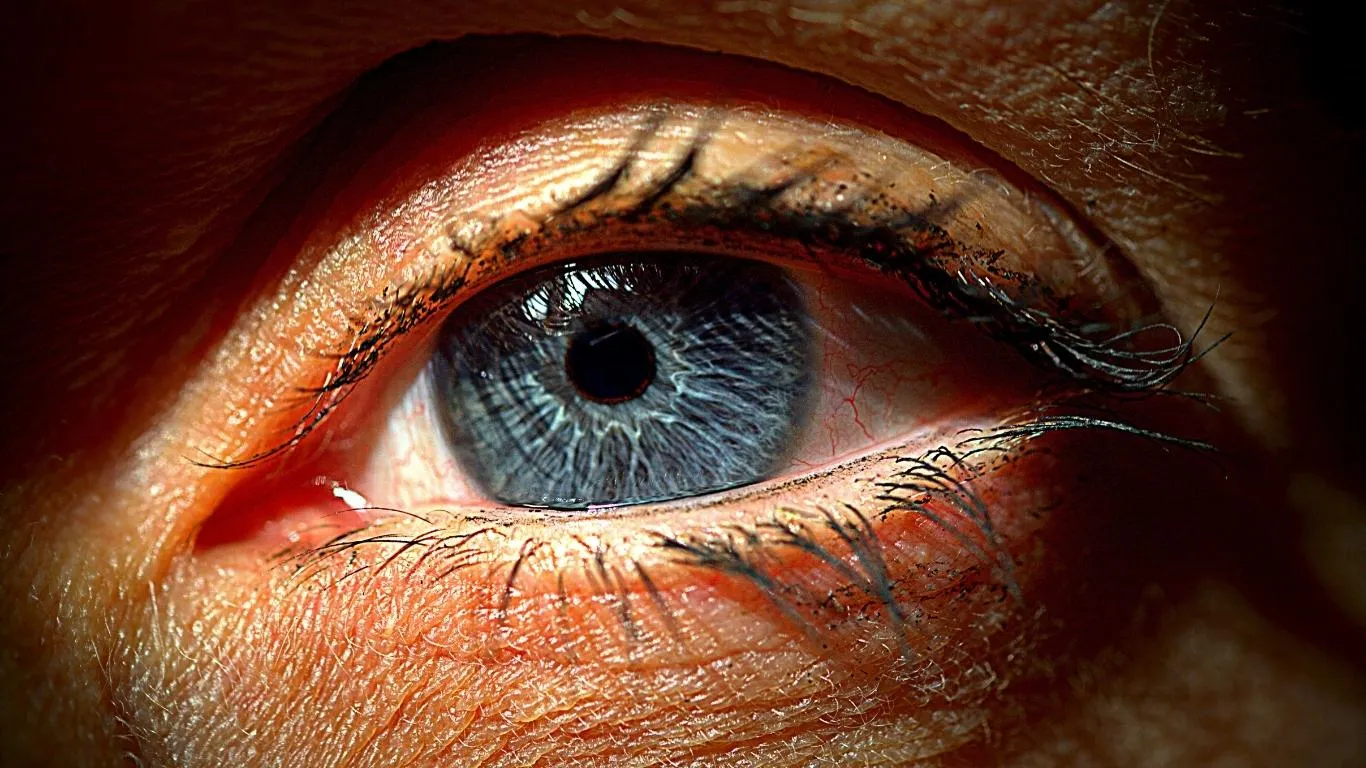
Eye floaters are those little cobwebs, specks, or thread-like shapes you sometimes see drifting across your field of vision. They’re technically shadows cast on your retina by tiny clumps of collagen or gel within the vitreous—the clear, jelly-like substance filling the eye.
As we age, the vitreous starts to shrink and liquefy, forming these clumps that float around. But here’s the kicker: it’s not just aging. Other factors like eye trauma, inflammation, and yes—potentially dehydration—can play a role too.
Can Dehydration Really Make Floaters Worse?
Let’s cut to the chase—yes, dehydration can potentially worsen floaters. When your body is dehydrated, your eye’s internal environment becomes less balanced. The vitreous humor, which is 98–99% water, relies heavily on proper hydration to maintain its gel-like consistency.
Without enough fluid, the gel may become more condensed and prone to clumping, increasing the likelihood of visible floaters. Based on what I’ve experienced personally—especially during long travel days when I forgot to drink enough water—my floaters always seemed more noticeable. Was it just me? Maybe. But science might back it up.
According to the American Academy of Ophthalmology, the vitreous can undergo changes due to dehydration or oxidative stress, though they stop short of directly naming dehydration as a primary cause.
Why Hydration Matters for Your Eyes
Most people don’t realize how water-rich our eyes really are. We often think of hydration in terms of skin or kidneys, but eye tissues are just as sensitive to fluid balance. Staying hydrated:
- Maintains the consistency of the vitreous humor
- Supports nutrient delivery to eye tissues
- Helps flush out waste and oxidative stress
- Keeps tear production healthy (which affects overall eye comfort)
When you’re not drinking enough, all of this takes a hit. Your eyes may feel drier, more irritated, and floaters may appear more prominent simply because your eye fluid isn’t at its best.
Signs You Might Be Dehydrated (and Why Your Eyes Notice First)
Dehydration doesn’t always scream at you. Sometimes it just whispers through dry lips, fatigue, or—you guessed it—increased visual disturbances. Here are a few early signs:
- Dry or sunken eyes
- Lightheadedness or headaches
- More noticeable floaters than usual
- Dark yellow urine or less frequent urination
It’s fascinating that in some cases, people don’t realize they’re dehydrated until they notice visual symptoms. It’s like your eyes are trying to send a subtle SOS.
What I Noticed When I Actually Started Drinking More Water
I’ll admit, I used to be terrible at drinking enough water. But once I started consistently hydrating—around 2.5 liters per day—I saw changes. My floaters didn’t vanish, but they felt less frequent and less bothersome. My eyes felt clearer and less dry, especially after screen time or outdoor exposure. Anecdotal? Sure. But powerful enough to change my habit long-term.
Of course, if you’re seeing a sudden burst of floaters, flashes of light, or any vision loss, don’t just reach for a water bottle. That could signal a retinal detachment—a true emergency that requires a doctor ASAP. Learn when floaters are a red flag by checking out this expert guide from our main eye health section.
How to Stay Hydrated the Smart Way
It’s not just about chugging gallons of water. There’s a smarter, gentler approach to staying consistently hydrated without overdoing it.
Hydration Tips I Swear By:
- Start your morning with a glass of water—before coffee
- Use a water tracker app or smart bottle
- Eat water-rich foods like cucumbers, watermelon, and spinach
- Keep herbal teas or infused water nearby throughout the day
- Adjust intake during heat, exercise, or air travel
As someone who once went half a day without water (thanks to back-to-back Zoom meetings), these small changes have saved my eyes more than once.
For a deeper dive into how floaters form and the bigger picture of their causes, check out the full resource on eye floaters explained.
When Should You Worry About Floaters?
Not every floater is innocent. Sure, dehydration can make existing floaters feel more noticeable, but if you suddenly experience a dramatic increase in floaters, flashing lights, or a shadow sweeping across your vision—it’s time to act. These could be signs of retinal detachment, a serious condition that needs immediate care.
I once met someone at a health fair who ignored new floaters for weeks—turned out, he had a partial tear in his retina. A quick visit to an ophthalmologist and laser treatment saved his vision. Don’t wait and wonder. If something seems off, get it checked.
Warning Signs to Never Ignore:
- Sudden explosion of floaters
- Bright flashes of light (even in a dark room)
- Blurred or reduced side (peripheral) vision
- Dark curtain-like shadow across your vision
The Mayo Clinic warns that retinal detachment symptoms often begin with floaters. It’s always better to err on the side of caution if something changes suddenly.
Do Eye Drops or Supplements Help with Floaters from Dehydration?
This is one of the questions I get asked the most. Truthfully, there’s no eye drop that magically dissolves floaters—especially if dehydration is the underlying issue. Most over-the-counter drops target surface dryness, not the vitreous where floaters originate.
However, some people find that using lubricating drops helps ease general eye strain or dryness, which can make floaters feel less annoying. As for supplements, the jury is still out.
What I’ve Tried (and What Helped)
- Hydration-focused diet: Added more potassium-rich foods (like bananas and coconut water) to balance electrolytes
- Lutein + Zeaxanthin: These antioxidants may help overall eye health
- Omega-3s: Seemed to reduce general eye irritation
- Magnesium: Surprisingly useful for reducing stress-related floaters
I wouldn’t call any of these a cure, but they’ve helped me stay consistent with eye care routines. Everyone’s body is different, but small changes can go a long way when paired with good hydration habits.
Can You Flush Out Floaters by Drinking More Water?
This is a tricky one. Technically, you can’t just “flush” floaters out by drinking water. They aren’t dirt or toxins that you can rinse away. Once they form, they tend to stick around—though your brain can learn to ignore them over time.
That said, staying properly hydrated helps maintain the overall clarity and consistency of your vitreous, which may prevent new floaters from forming or becoming worse. Think of water like maintenance oil for your eye’s internal engine—it keeps things running smoothly.
Is Chronic Dehydration a Risk for Floaters?
Long-term dehydration can stress every part of your body—including your eyes. While research is still catching up, some ophthalmologists suggest that chronic dehydration may contribute to faster degeneration of the vitreous body. When your eye loses moisture over time, the structural balance is compromised.
Pair that with poor nutrition, screen time, and lack of sleep? You’ve got the perfect storm for worsening floaters. Staying hydrated is one of the simplest preventive steps you can take that also supports your entire visual system.
What Experts Say About the Link Between Water and Eye Health
While floaters haven’t been definitively linked to dehydration in large-scale clinical studies, many eye doctors acknowledge a strong connection between hydration status and vitreous health. Dr. Ashley Brissette, a renowned ophthalmologist, often emphasizes hydration in her vision care routines, noting that “hydration affects the entire ocular surface and internal eye environment.”
Even if water isn’t the miracle floater eraser, it’s a foundational part of preserving eye clarity. You can’t go wrong with prioritizing hydration.
So, Should You Worry About Dehydration and Floaters?

Here’s my takeaway after years of dealing with floaters and experimenting with hydration: Water matters more than we realize. No, drinking water won’t magically erase floaters—but being chronically dehydrated might make them worse or more noticeable.
Floaters are a complex issue involving aging, eye structure, oxidative stress, and sometimes underlying conditions. But hydration is one of the few factors we can actually control every single day—easily, affordably, and without side effects.
If you’re seeing more floaters and also skipping hydration regularly, it’s worth making some changes. It helped me manage the frustration and made a difference in how my eyes felt daily.
Want to explore all the major causes and types of floaters? Visit the full breakdown on common causes of eye floaters to get the full picture.

Camellia Wulansari is a dedicated Medical Assistant at a local clinic and a passionate health writer at Healthusias.com. With years of hands-on experience in patient care and a deep interest in preventive medicine, she bridges the gap between clinical knowledge and accessible health information. Camellia specializes in writing about digestive health, chronic conditions like GERD and hypertension, respiratory issues, and autoimmune diseases, aiming to empower readers with practical, easy-to-understand insights. When she’s not assisting patients or writing, you’ll find her enjoying quiet mornings with coffee and a medical journal in hand—or jamming to her favorite metal band, Lamb of God.