Are Eye Floaters Hereditary? What Genetics Say About Your Vision
Last summer, I was having lunch with my aunt when she casually mentioned those “squiggly little things” she sometimes sees drifting across her vision. I laughed—because I see them too. Turns out, we both had our first experience with eye floaters in our early thirties. That got me wondering: is there a family connection? Are eye floaters actually hereditary, or is that just coincidence? If you’ve been asking the same question, you’re not alone. Let’s dig into the science and genetics behind these pesky specks.
What Exactly Are Eye Floaters?
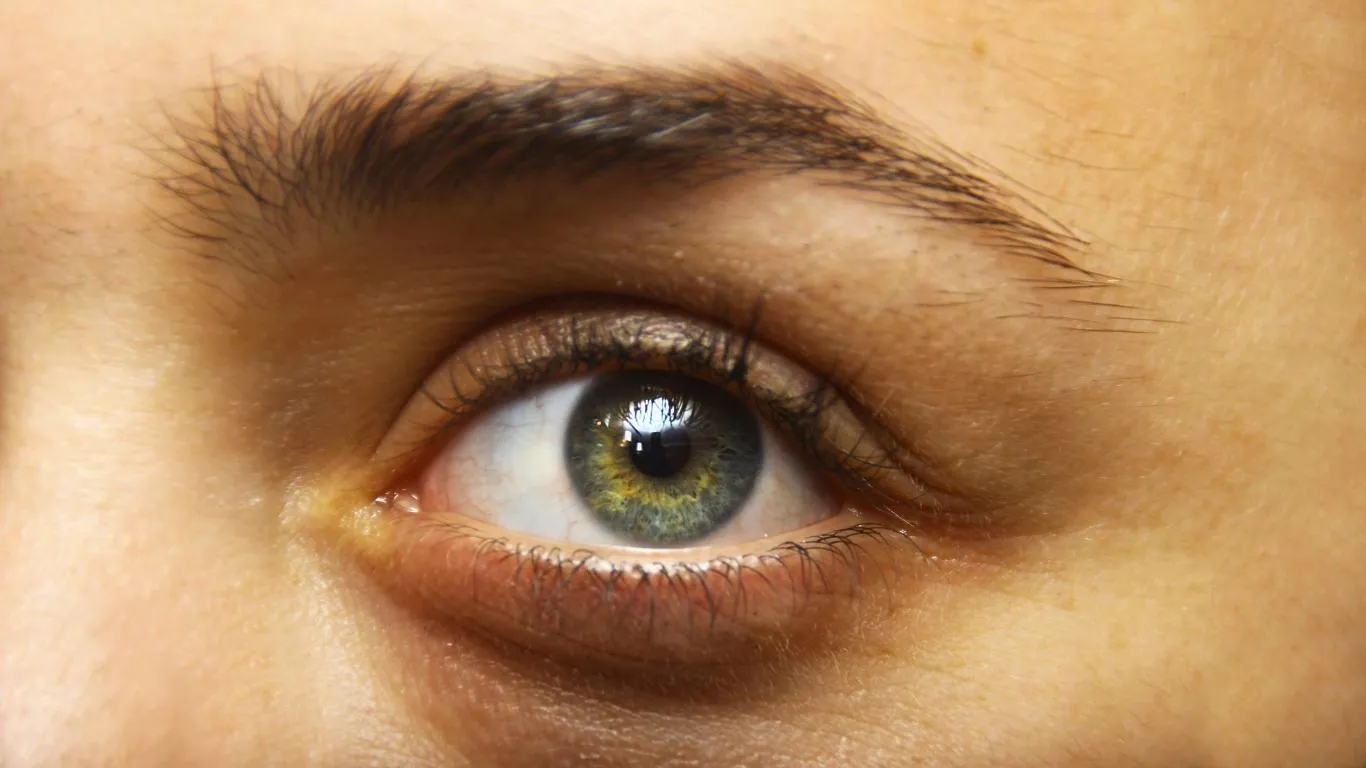
Eye floaters are those shadowy shapes—dots, threads, cobwebs, or squiggles—that seem to drift across your field of vision. They’re particularly noticeable when you’re staring at a bright sky, a blank wall, or a computer screen. Floaters are usually caused by changes in the vitreous, the gel-like substance that fills the back of your eye. Over time, this gel begins to liquefy and shrink, pulling away from the retina and creating microscopic clumps. These clumps cast shadows on your retina, and voilà—floaters.
For most people, floaters are a harmless part of aging. But what if multiple people in your family get them early in life? That’s when the idea of hereditary floaters comes into play.
Is There a Genetic Link to Floaters?
This is the million-dollar question. Although floaters are common as we age, emerging research has started to explore whether there’s a hereditary component. Some studies suggest that people who develop floaters earlier in life often have family members who experience the same thing. While this doesn’t automatically confirm a genetic cause, it certainly raises some eyebrows in the scientific community.
In fact, a 2021 report in the Journal of Ophthalmic Research observed a pattern among younger floater patients who had a family history of myopia (nearsightedness), retinal issues, or floaters themselves. The suspicion? A possible hereditary collagen structure in the vitreous gel that weakens earlier than usual, leading to early-onset floaters.
But here’s the thing: heredity might not be the sole cause. It may act as one of several risk factors that increase your chances. Think of it like this—genetics might hand you the card, but lifestyle, eye shape, and overall eye health determine when it’s played.
Who’s Most at Risk of Hereditary Floaters?
Not all floaters are linked to your DNA, but certain groups seem to experience them earlier—and more frequently—than others. Here are some common patterns:
- Family History: If your parents or siblings have chronic or early-onset floaters, your chances increase.
- High Myopia: People with severe nearsightedness often experience floaters earlier. Some types of myopia also have hereditary components.
- Connective Tissue Disorders: Conditions like Marfan syndrome or Stickler syndrome—which are genetic—can affect the vitreous and retina.
- Retinal Conditions: Families with histories of retinal tears or detachments may also see floaters earlier in life.
Personally, I fall into the first two categories—myopia and family history—and that explains a lot.
What the Science Says (So Far)
While the scientific community hasn’t yet pinned down a definitive “floaters gene,” genetics do appear to play a role in how the vitreous humor behaves over time. Some researchers are even exploring links between vitreous composition and certain collagen gene variants, which could impact how soon or how severely the gel breaks down.
According to the Mayo Clinic, changes in the eye’s vitreous are a normal part of aging—but they also note that floaters can appear at younger ages, especially in people who are nearsighted or have had certain types of eye surgeries. These non-age-related factors can have a hereditary element as well, which makes the genetic question more complex.
So while we can’t say with 100% certainty that floaters are inherited, the evidence is starting to stack up. Think of it like a recipe: genetics might be the flour, but the rest of the ingredients—like trauma, aging, or myopia—also shape the outcome.
How to Tell If Your Floaters Might Be Hereditary
Wondering if your floaters might have been passed down the family tree? Here are a few signs:
- You noticed floaters before age 30.
- Several close relatives have the same symptom, especially at a young age.
- You or family members have conditions like high myopia or retinal issues.
- There’s a known genetic disorder in the family tied to eye structure.
If you check off two or more of those, it’s definitely worth mentioning to your eye specialist. A comprehensive eye exam can reveal a lot more about what’s going on behind the scenes.
When to Take Floaters Seriously
Most hereditary floaters are harmless, but not always. If you experience a sudden shower of new floaters, flashes of light, or a shadow in your peripheral vision, it might be a sign of retinal detachment. This is an emergency. Get to an eye doctor right away—no matter how strong your genes are.
For more on when floaters signal serious trouble, check out our article: When Are Eye Floaters Dangerous?
Want to understand the full picture of floaters—from causes to treatments? Our main guide is packed with expert-backed info: What Are Eye Floaters? Causes, Symptoms, and Treatment Options.
What Can You Do If Floaters Run in the Family?
If you’ve already figured out that floaters may run in your family, the next logical question is—what can you actually do about it? While you can’t change your genes, there are a few practical steps to reduce risk, slow progression, or manage symptoms more effectively.
1. Prioritize Regular Eye Exams
It sounds basic, but getting a thorough eye check-up annually—especially if floaters show up young—can make a huge difference. Early detection of vitreous changes or retinal weakness is key. Eye specialists can use tools like OCT scans to track changes even before you notice new floaters.
2. Manage Underlying Eye Conditions
If you or your family members have high myopia, it’s worth monitoring closely. People with myopia often experience faster vitreous degeneration. Wearing prescription lenses and protecting your eyes from trauma can help prevent floaters from getting worse or leading to complications.
3. Protect Your Eyes from Trauma
Ever banged your head and suddenly saw a bunch of floaters the next day? That’s no coincidence. Eye trauma—even minor—can trigger vitreous detachment or retinal tears. If you’re genetically predisposed, extra caution during sports or risky activities is essential.
4. Eat a Vision-Supportive Diet
Your genes might load the gun, but your lifestyle pulls the trigger. Nutrition plays a bigger role than most people think. Focus on foods rich in:
- Lutein and Zeaxanthin: Found in spinach, kale, and egg yolks, these antioxidants help protect the retina.
- Vitamin C and E: Crucial for collagen health in the eye’s vitreous.
- Omega-3 Fatty Acids: Found in fish and flaxseed, they support overall eye health.
I’ve started adding spinach smoothies to my mornings—and honestly, my eyes feel better than they used to when I was living on instant noodles in college.
Can You Treat or Remove Hereditary Floaters?
Here’s the tough truth: most hereditary floaters don’t require treatment unless they significantly affect vision or indicate a more serious issue. Still, treatment options exist—and they’re becoming more refined.
Observation and Adaptation
In many cases, your brain simply adapts. Over time, floaters become less noticeable, especially if they aren’t dense or mobile. This “neuro-adaptation” is the reason doctors often say, “just give it time.”
Laser Vitreolysis
This procedure uses lasers to break up large floaters into smaller fragments, making them less noticeable. It’s not suitable for everyone and depends on the floater’s location and density. If hereditary floaters are clustered in certain spots, laser treatment might help selectively.
Vitrectomy
This is a more aggressive option—surgical removal of the vitreous gel, replaced with a saline solution. It’s highly effective but comes with risks, including retinal detachment or cataract formation. Because of that, it’s usually reserved for severe cases.
Before jumping into any treatment, talk to an ophthalmologist who specializes in vitreoretinal care. Everyone’s eyes—and family history—are unique.
Real Talk: Living with Floaters
I’ve had floaters since I was 28, and while some days they drive me up the wall—especially on a white screen—they’ve become just another part of the visual landscape. I avoid obsessing over them, take breaks from screen time, and try to stay mindful about eye health. The biggest lesson? Awareness is everything.
Understanding that there might be a genetic link helps me feel less anxious and more proactive. I know what signs to look for, when to get checked, and how to help my kids if they someday start seeing “floating bugs” too.
What the Experts Say
According to the American Academy of Ophthalmology, floaters are a common and usually harmless symptom, but sudden changes can signal retinal trouble. Meanwhile, emerging studies hint that collagen structure in the vitreous may have a hereditary blueprint—though more research is needed to establish direct genetic pathways.
That said, if multiple people in your family have experienced early floaters or retinal issues, it’s worth mentioning this to your eye care provider. They can screen for potential risks earlier and keep a closer eye—literally—on your vision health over time.
Looking for Deeper Insight?
If you’re still wondering how to distinguish floaters from other vision changes—or just want to explore more about treatments and prevention—check out our in-depth breakdown:
Eye Floater Treatments: From Observation to Surgery.

Camellia Wulansari is a dedicated Medical Assistant at a local clinic and a passionate health writer at Healthusias.com. With years of hands-on experience in patient care and a deep interest in preventive medicine, she bridges the gap between clinical knowledge and accessible health information. Camellia specializes in writing about digestive health, chronic conditions like GERD and hypertension, respiratory issues, and autoimmune diseases, aiming to empower readers with practical, easy-to-understand insights. When she’s not assisting patients or writing, you’ll find her enjoying quiet mornings with coffee and a medical journal in hand—or jamming to her favorite metal band, Lamb of God.