Are Eye Floaters During Pregnancy Normal? What You Should Know
When I was about six months pregnant with my first child, I remember sitting in the kitchen when I suddenly noticed little specks drifting across my vision. They weren’t dust or shadows, and no matter how much I blinked, they stayed. At first, I brushed it off. But when they kept popping up, especially under bright lights or after standing up quickly, I started to worry. Was this just another bizarre pregnancy symptom—like the cravings or swollen ankles—or something more serious?
What Are Pregnancy Floaters and Why Do They Appear?
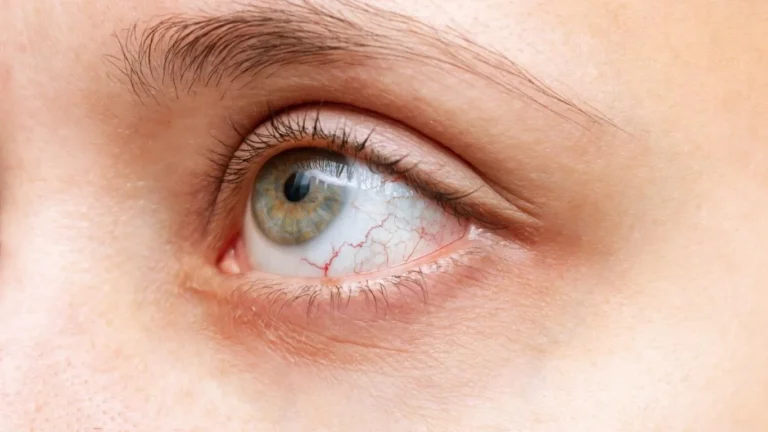
Eye floaters are tiny shapes—dots, squiggles, cobwebs—that drift across your field of vision. They occur when the gel-like substance inside your eye, called the vitreous humor, begins to change consistency or pull away from the retina. During pregnancy, these changes can feel more noticeable.
So why do they seem to show up or worsen when you’re expecting? It turns out, your eyes are not immune to the hormonal rollercoaster that comes with growing a baby. Increased blood volume, elevated hormone levels like estrogen and progesterone, and changes in blood pressure—all of these can affect your vision.
Hormonal Changes and Their Impact on Vision
Estrogen can cause water retention in various tissues, including the eye. This can alter the thickness and curvature of your cornea, slightly changing your vision and possibly increasing sensitivity to visual disturbances like floaters. Progesterone, while essential for maintaining pregnancy, may also have subtle effects on how your body handles fluid and circulation—two things that matter when we’re talking eye health.
When Are Pregnancy Floaters Considered Normal?
In many cases, pregnancy floaters are harmless. They can be temporary and resolve postpartum as your hormone levels return to baseline. If they appear infrequently and aren’t accompanied by other symptoms, chances are they’re part of your body adjusting to its new state.
That said, not all floaters should be ignored. I learned this the hard way during my second pregnancy when floaters suddenly increased and were followed by flashes of light. It turned out to be nothing serious, but it gave me a scare. Knowing when to pay attention can save you anxiety—and possibly your vision.
Common Non-threatening Causes of Floaters in Pregnancy
- Dehydration: Not drinking enough water can affect the vitreous fluid’s clarity and consistency.
- Fatigue and Eye Strain: Too much screen time or lack of sleep (both common in pregnancy) can make floaters more obvious.
- Natural Aging: Some floaters may have already been present but are just now being noticed due to heightened visual sensitivity.
Warning Signs You Should Never Ignore
While some floaters are benign, others may signal serious eye issues that demand immediate medical attention—especially during pregnancy, when your risk for certain conditions is slightly elevated. Here’s what to watch out for:
- Sudden increase in floaters, especially if accompanied by light flashes.
- Blurry or shadowed vision, which might signal a retinal tear or detachment.
- Severe headaches, high blood pressure, or swelling—signs of preeclampsia that can affect the eyes.
If you’re experiencing any of the above, don’t hesitate—reach out to your healthcare provider or an ophthalmologist immediately. According to the National Institutes of Health, retinal changes during pregnancy can sometimes be overlooked but carry serious consequences if not addressed.
Pregnancy Floaters vs. Vision Changes from Preeclampsia
Preeclampsia is a potentially dangerous pregnancy complication involving high blood pressure. One of its early signs? Vision disturbances—including floaters, blurry vision, or flashes. These symptoms should never be dismissed as “just floaters.”
In my third trimester, I met another mom-to-be at prenatal yoga who said she was seeing stars and dots constantly. She ended up being diagnosed with mild preeclampsia. Her quick response prevented it from becoming severe.
Distinguishing the Two
- Timing: Floaters from preeclampsia often appear later in pregnancy and come on suddenly.
- Other Symptoms: Headaches, swelling, nausea, and elevated blood pressure are major red flags.
- Persistence: Normal floaters usually fade or stay the same, while those from preeclampsia may worsen quickly.
When in doubt, err on the side of caution. A quick checkup could make all the difference.
Should You See an Eye Specialist?
If your floaters are distracting, persistent, or changing rapidly, schedule an eye exam. It’s safe to visit an ophthalmologist during pregnancy. Many practices can evaluate your retina without using dilation drops that may be unnecessary or uncomfortable during this time.
More importantly, don’t assume all changes are “just pregnancy stuff.” I’ve learned that our instincts matter. If something feels off, it’s worth exploring.
For a more in-depth understanding of floaters and their relationship with other eye issues, check out this complete guide to eye floaters that covers causes, symptoms, and treatments from a general perspective.
Can Pregnancy Floaters Be Treated?
The good news? In most cases, pregnancy-related floaters don’t require any treatment. They often fade or become less noticeable as your body balances out after childbirth. Still, I get it—living with floaters, even temporarily, can be annoying or even a little scary.
During my second trimester, my OB-GYN reassured me that unless floaters are accompanied by flashing lights, blurred vision, or pressure in the eyes, there’s usually no cause for panic. But there are a few practical ways to ease the discomfort and keep your eyes in good shape.
Simple Ways to Manage Floaters During Pregnancy
- Stay well hydrated: Dehydration can thicken the vitreous gel in your eyes, making floaters more prominent.
- Take regular screen breaks: Eye strain and fatigue can exaggerate visual disturbances. Follow the 20-20-20 rule (every 20 minutes, look at something 20 feet away for 20 seconds).
- Wear sunglasses outside: Bright sunlight can make floaters stand out more. Sunglasses help reduce glare and protect your eyes.
- Improve your sleep: Quality rest helps reduce inflammation and keeps your eyes functioning properly.
One approach I tried that surprisingly helped? Gentle prenatal yoga. It may not directly affect floaters, but reducing stress overall made me less anxious and less fixated on the floaters floating by.
What Happens After Birth—Do Floaters Go Away?
Once your hormone levels stabilize and your blood pressure returns to normal post-delivery, most floaters caused or worsened by pregnancy tend to either disappear or become less noticeable. That was definitely my experience. About a month after giving birth, I realized I hadn’t seen those squiggly little shadows in days.
However, if floaters persist or worsen after delivery, it’s worth a follow-up with an eye care professional. Sometimes, postpartum vision changes can reveal underlying eye conditions that pregnancy may have masked or triggered.
Long-Term Floaters After Pregnancy: What to Know
Here’s the deal—floaters that linger aren’t always related to pregnancy. For some women, they could signal:
- Posterior vitreous detachment (PVD): More common after age 40 but can be triggered by physical changes during pregnancy.
- Retinal tears or holes: Rare but serious causes of floaters that need medical attention.
- Diabetic retinopathy: If you had gestational diabetes, your eye vessels may be more sensitive or compromised.
If floaters are interfering with your ability to read, drive, or focus, discuss treatment options. In very persistent or severe cases, ophthalmologists may recommend a laser vitreolysis procedure or even vitrectomy, though these are rarely used for mild floaters.
Can Floaters Signal Other Health Issues During Pregnancy?
Floaters can sometimes be a window into larger issues. As mentioned earlier, some floaters may signal underlying conditions that need attention.
Here are some related medical concerns to consider:
- Gestational hypertension: Elevated blood pressure alone can cause subtle changes in the eye’s blood vessels.
- Preeclampsia and eclampsia: These can cause sudden changes in vision, including floaters, flashing lights, and tunnel vision.
- Ocular migraines: While rare in pregnancy, these can cause temporary visual disturbances similar to floaters and zig-zag patterns.
It’s why a multidisciplinary approach is helpful—let your obstetrician and eye doctor both know what’s happening. In my case, once I shared what I was seeing, my OB added regular blood pressure checks to rule out complications. That extra attention gave me peace of mind.
Keeping Your Eyes Healthy Throughout Pregnancy
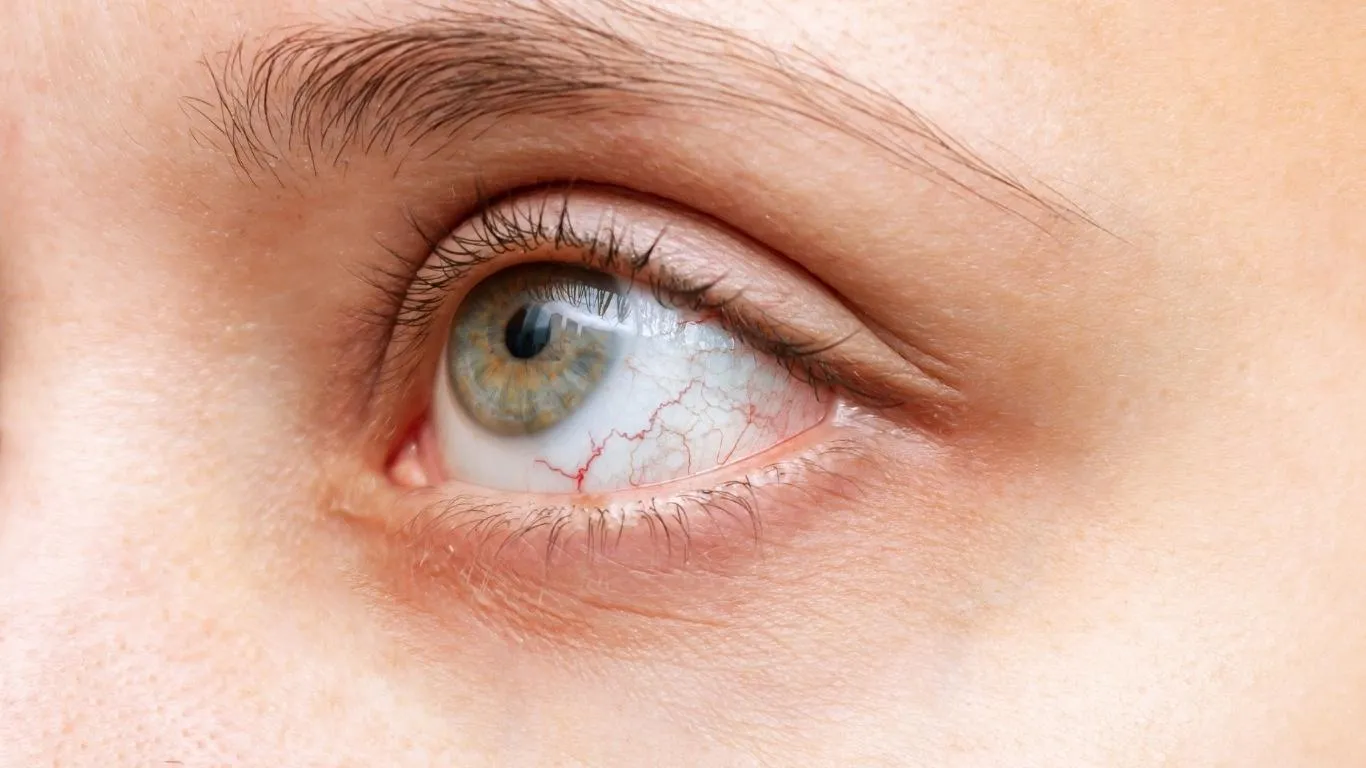
Most of us don’t think about our eyes until something feels off. But during pregnancy, giving your vision the same care you give your diet, hydration, and prenatal vitamins can go a long way.
Here are some eye-healthy habits I found super helpful:
- Eat nutrient-rich foods: Leafy greens, carrots, berries, and omega-3s from salmon or flaxseeds support retinal health.
- Wear protective eyewear when needed: Pregnancy can make you clumsier (hello, dropped dishes), and your eyes are more vulnerable than you think.
- Manage blood sugar and pressure: Regular checkups and simple at-home tracking tools can help keep everything in balance.
And when in doubt? Get your eyes checked. You won’t regret it.
If you’re interested in how floaters compare to other eye conditions or how to spot key differences, this article on eye floaters vs. other eye problems can help you sort through the confusion.

Camellia Wulansari is a dedicated Medical Assistant at a local clinic and a passionate health writer at Healthusias.com. With years of hands-on experience in patient care and a deep interest in preventive medicine, she bridges the gap between clinical knowledge and accessible health information. Camellia specializes in writing about digestive health, chronic conditions like GERD and hypertension, respiratory issues, and autoimmune diseases, aiming to empower readers with practical, easy-to-understand insights. When she’s not assisting patients or writing, you’ll find her enjoying quiet mornings with coffee and a medical journal in hand—or jamming to her favorite metal band, Lamb of God.