Is PRK Surgery Associated With Eye Floaters?
Last year, after undergoing PRK to correct my nearsightedness, I was relieved to ditch glasses. But not long after surgery, I started noticing strange specks and thread-like shadows drifting across my vision. At first, I brushed them off as post-op haze, but they lingered—those infamous “floaters.” It got me wondering: could PRK be to blame? If you’re seeing similar changes after your own laser eye surgery, you’re not alone. Let’s unpack what we know about the possible connection between PRK surgery and eye floaters.
Understanding PRK and How It Affects the Eye

Photorefractive keratectomy (PRK) is one of the original laser vision correction surgeries, and it’s still widely used today. Unlike LASIK, PRK doesn’t involve creating a flap in the cornea. Instead, the outer layer (epithelium) is gently removed, and the cornea beneath is reshaped with a laser to correct vision.
This surface-based approach makes PRK a good option for people with thinner corneas or those involved in contact sports. It has a solid safety record and usually delivers excellent visual outcomes after recovery. However, some patients report new or increased eye floaters following PRK, which understandably raises concern.
What Are Eye Floaters, Really?
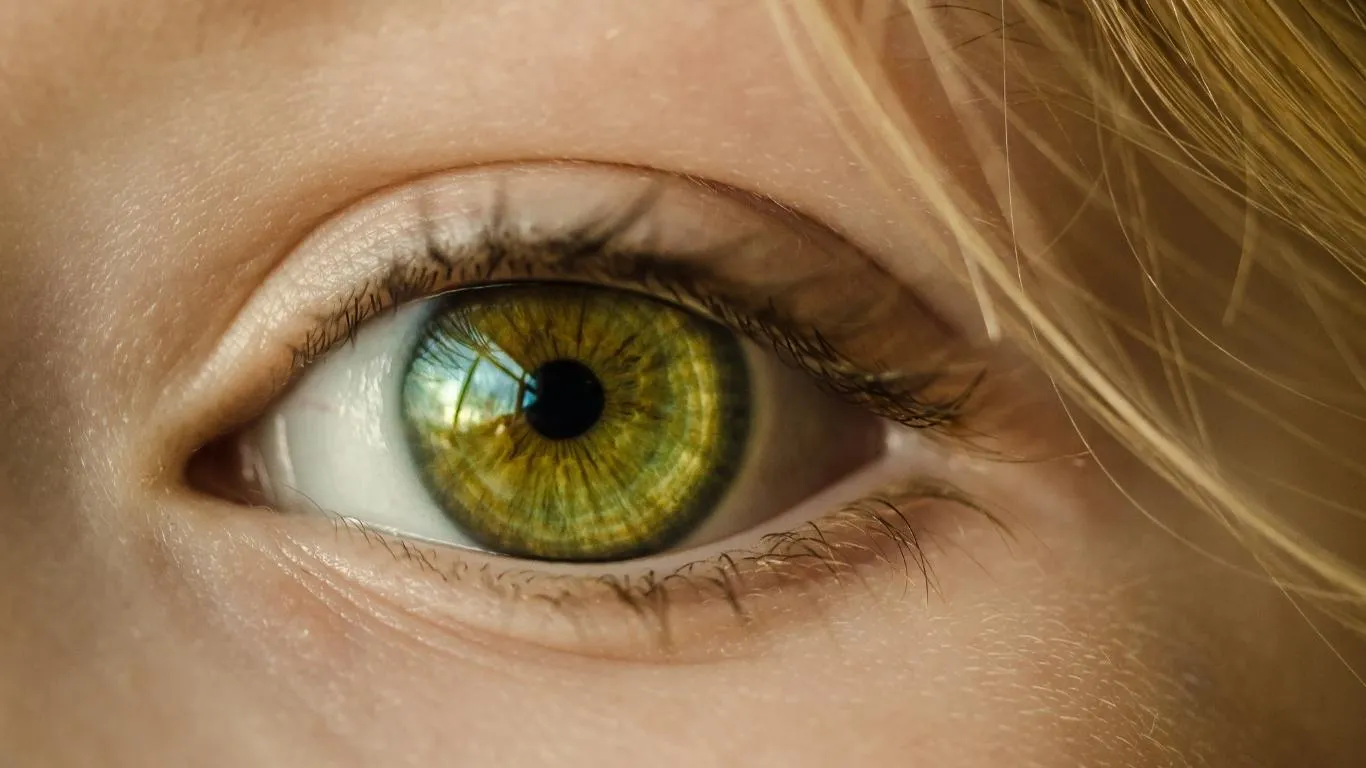
Eye floaters are tiny clumps or strands that form in the vitreous—the gel-like substance that fills the inside of your eye. As light enters, these floaters cast shadows on the retina, appearing as:
- Black or gray specks
- Wavy lines or cobwebs
- Transparent threads or blobs
They’re usually more visible against bright backgrounds, like a blue sky or white wall. And for the most part, they’re harmless and part of natural aging. But after something like PRK, when they suddenly show up or become more noticeable, it’s fair to ask whether there’s a connection.
Is There a Direct Link Between PRK and Floaters?

The short answer: there’s no definitive evidence that PRK directly causes eye floaters. The laser used in PRK reshapes the cornea, which is the eye’s outermost layer, while floaters originate from the vitreous, deep inside the eye. So anatomically, the two areas aren’t in direct contact.
However, some eye floater experts believe post-surgical inflammation, light exposure, or stress on the eye could play an indirect role in triggering or exacerbating floaters. During PRK recovery, the eye undergoes considerable changes, and that process might make existing floaters more noticeable—or in rare cases, prompt new ones.
In fact, I found a study from the American Academy of Ophthalmology suggesting that laser procedures can sometimes accelerate vitreous changes, especially in patients over 40 when the vitreous naturally begins to shrink.
Age May Be a Hidden Factor
As I learned during my own research, age is a significant risk factor for floaters. People in their 40s and beyond are more likely to experience vitreous degeneration, which causes floaters regardless of surgery. So if you’re in this age bracket and notice floaters after PRK, the timing might be coincidental rather than causal.
This is where it gets tricky. PRK doesn’t cause floaters in everyone—but it might draw attention to them, especially during recovery when you’re hyper-aware of every change in your vision.
When to Be Concerned About Post-PRK Floaters
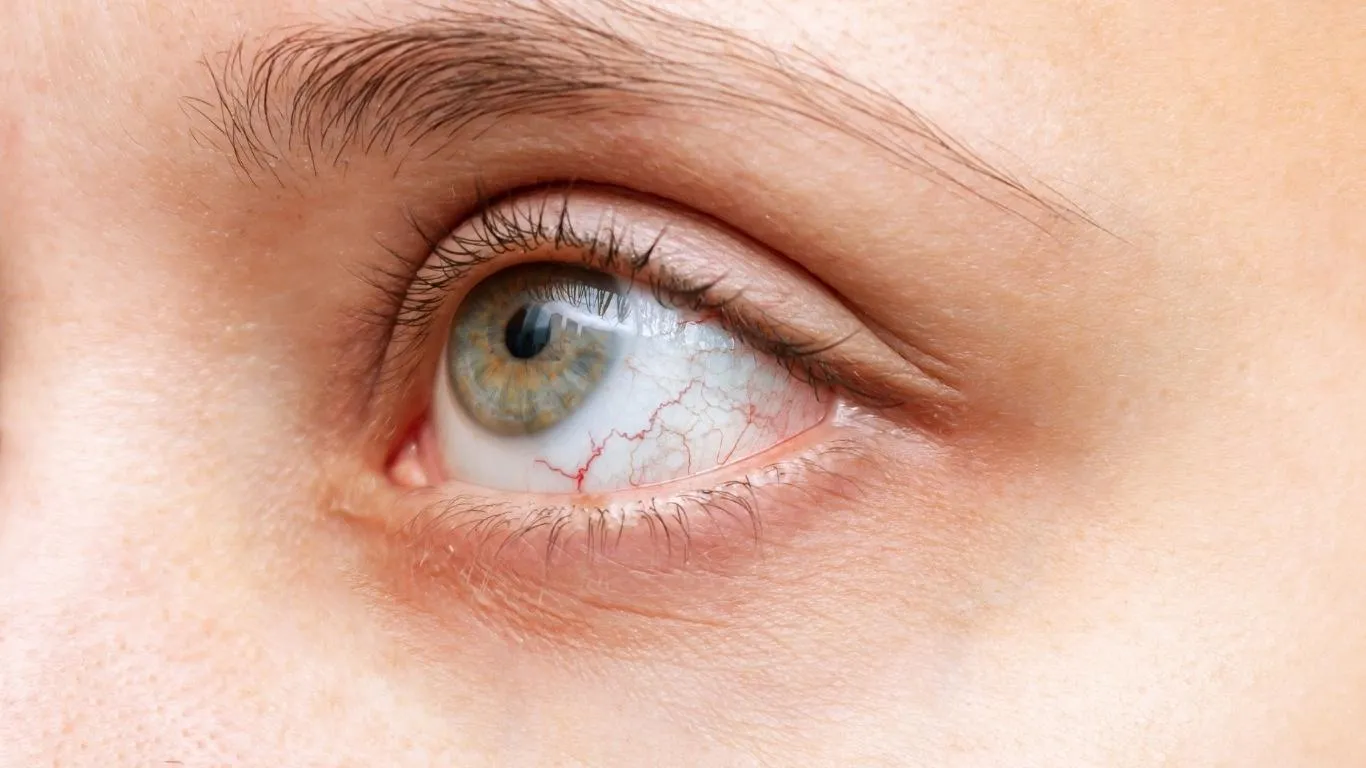
In most cases, floaters after PRK are benign and don’t require treatment. But there are exceptions. Sudden onset of floaters, especially if accompanied by flashes of light or a curtain-like shadow over your vision, could signal a retinal tear or detachment. This is a medical emergency that needs immediate evaluation.
According to the National Institutes of Health, posterior vitreous detachment (PVD)—where the vitreous pulls away from the retina—is common with aging but can occasionally be accelerated by trauma, surgery, or inflammation. Although rare, these events are worth being aware of.
How to Tell if It’s Normal or Not
Here’s a quick guide to help differentiate between benign and concerning floaters:
- Gradual floaters: Normal. Often appear slowly and don’t affect vision.
- Sudden shower of floaters: Possible retinal issue—seek care.
- Floaters + light flashes: Sign of vitreous pulling—needs evaluation.
- Floaters + blurry, distorted vision: Could indicate underlying damage.
Always trust your gut—if something feels off after surgery, get it checked.
Managing Floaters After PRK: What Can You Do?

When my own floaters showed up post-PRK, I’ll be honest—I panicked a little. But once I realized they weren’t worsening and my retina was healthy, I started exploring ways to cope.
- Give it time: Floaters often fade or become less noticeable over time.
- Natural remedies: Some people try antioxidant-rich diets, hydration, or eye exercises. While evidence is mixed, these strategies are generally safe.
- Monitor changes: If floaters increase dramatically or shift in pattern, see an ophthalmologist promptly.
- Surgical options: In rare severe cases, procedures like laser vitreolysis or vitrectomy may be considered—but only as a last resort.
And one more tip from personal experience: stop obsessively staring at floaters trying to track them. That only made mine more distracting. I had to learn to shift focus away—literally and mentally.
There’s still much to learn about the nuanced relationship between PRK floaters and post-surgical visual changes. But for now, it’s safe to say the surgery may not directly cause them—but it could highlight an issue that was quietly brewing beneath the surface.
Why PRK Might Make Existing Floaters More Noticeable
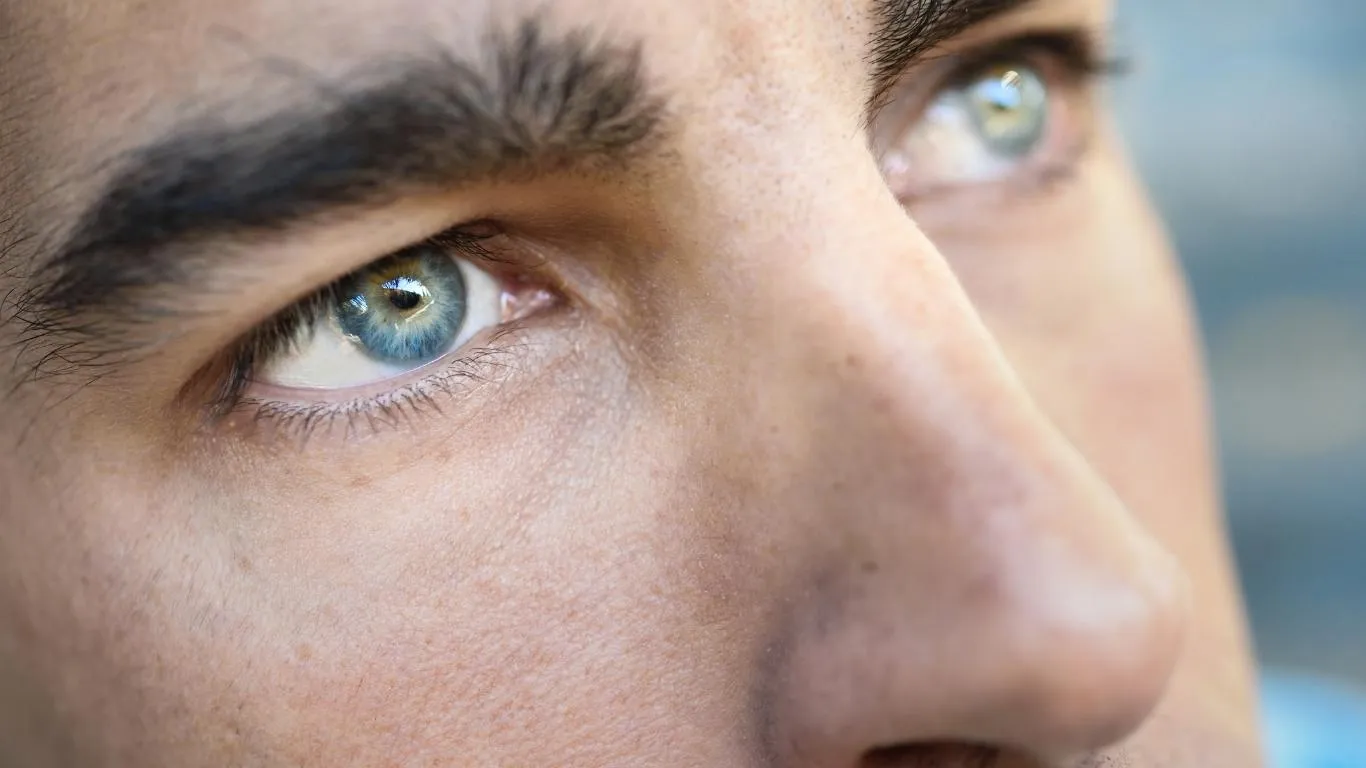
After my PRK surgery, I noticed my floaters not just more frequently—but more vividly. It turns out, this isn’t just in my head. During recovery, your visual system becomes more sensitive. As the corneal surface heals and the epithelium regenerates, your brain is recalibrating how it interprets visual input.
This hyperawareness is especially common when you’re staring at bright backgrounds or scrolling on white screens (which I did a lot during recovery). If floaters were already in your vitreous, PRK’s temporary changes in contrast and clarity can make them more apparent—even if nothing physical changed in the eye itself.
Changes in Lighting Conditions Matter
Right after PRK, your pupils may dilate more easily in low light, and your eyes can become more light-sensitive overall. That contrast change can emphasize tiny shadows cast by floaters. So it’s not that the floaters are new—they’re just suddenly more obvious.
Could Inflammation or Eye Drops Contribute?
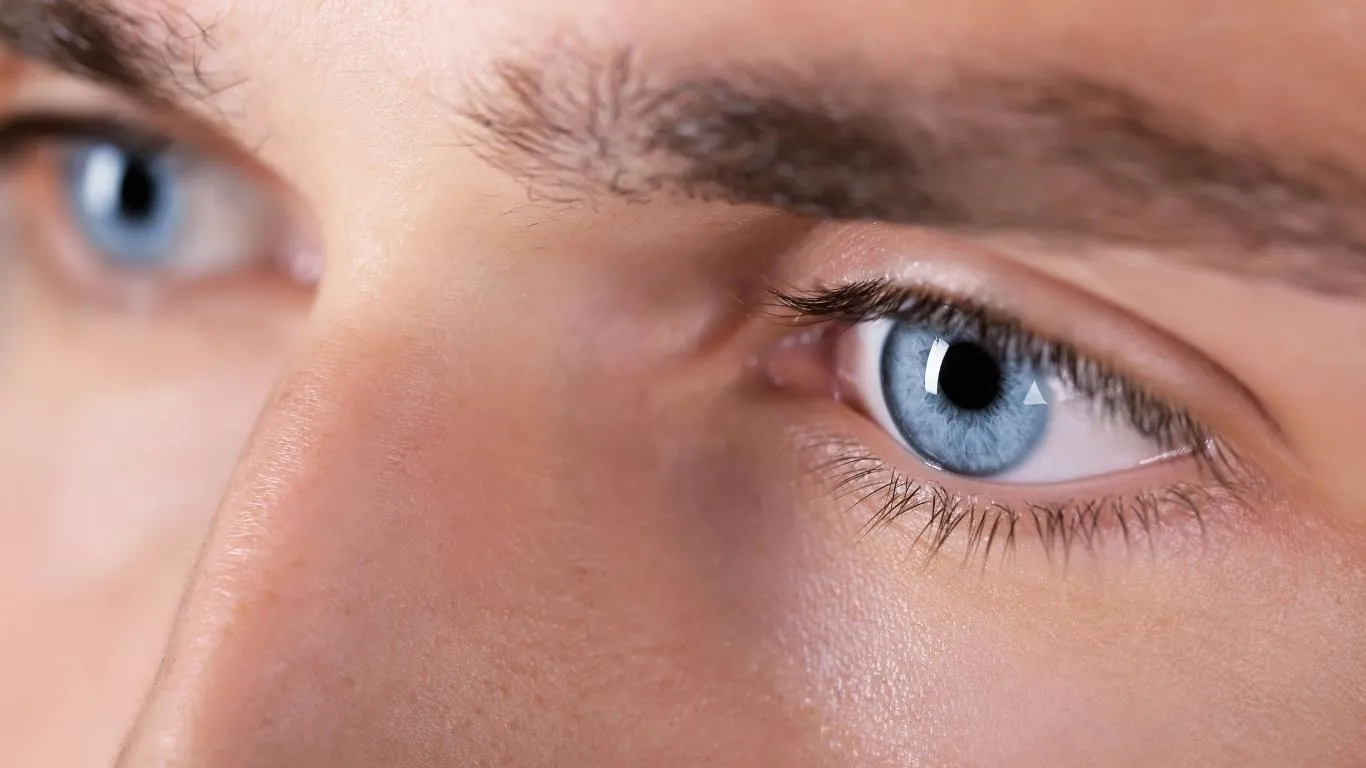
Post-PRK healing involves using medicated eye drops, including steroids and anti-inflammatories. I was on a tapering schedule for weeks, and it made me wonder whether these medications play any role in floaters. Interestingly, some research has linked steroid eye drops to floaters in certain individuals, especially if used long-term or in higher doses.
It’s not a guaranteed outcome by any means, but inflammation-related changes in the eye—especially in the vitreous—might contribute to vitreous destabilization. The link isn’t well established, but it’s something to keep in mind if your floaters increased during recovery while on prescription drops.
Watch for Signs of Uveitis or Vitritis
If floaters appear alongside eye pain, light sensitivity, or blurred vision, it could be something more serious like uveitis or vitritis—inflammation within the eye. These conditions are rare but can be triggered by surgery or medications, and they often require prompt treatment.
What Doctors Say About Floaters After PRK
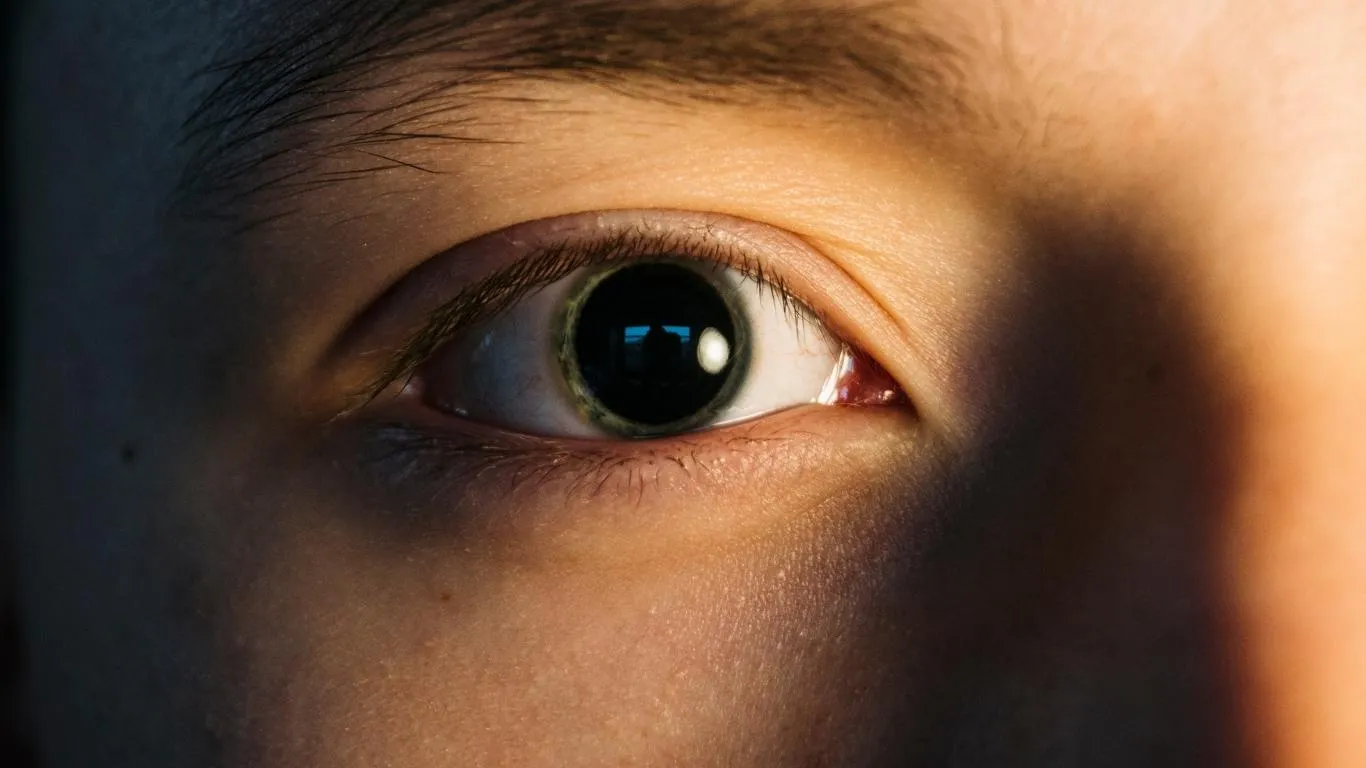
When I brought up my floaters at a follow-up visit, my ophthalmologist explained that while PRK is extremely safe, any surgical intervention can cause temporary visual disturbances. The vast majority of floaters are not linked directly to PRK itself but may emerge during recovery when vision is adapting and inflammation is present.
Some patients also experience posterior vitreous detachment (PVD) shortly after surgery, especially in their 40s or older. While it may be unrelated to the surgery, the timing can make it seem like a direct cause. A good example of this complexity is seen in cases of LASIK-triggered floaters, where pressure and laser shockwaves could possibly affect the vitreous. But PRK uses a different approach, with less internal disturbance.
Who’s Most at Risk of Floaters After PRK?
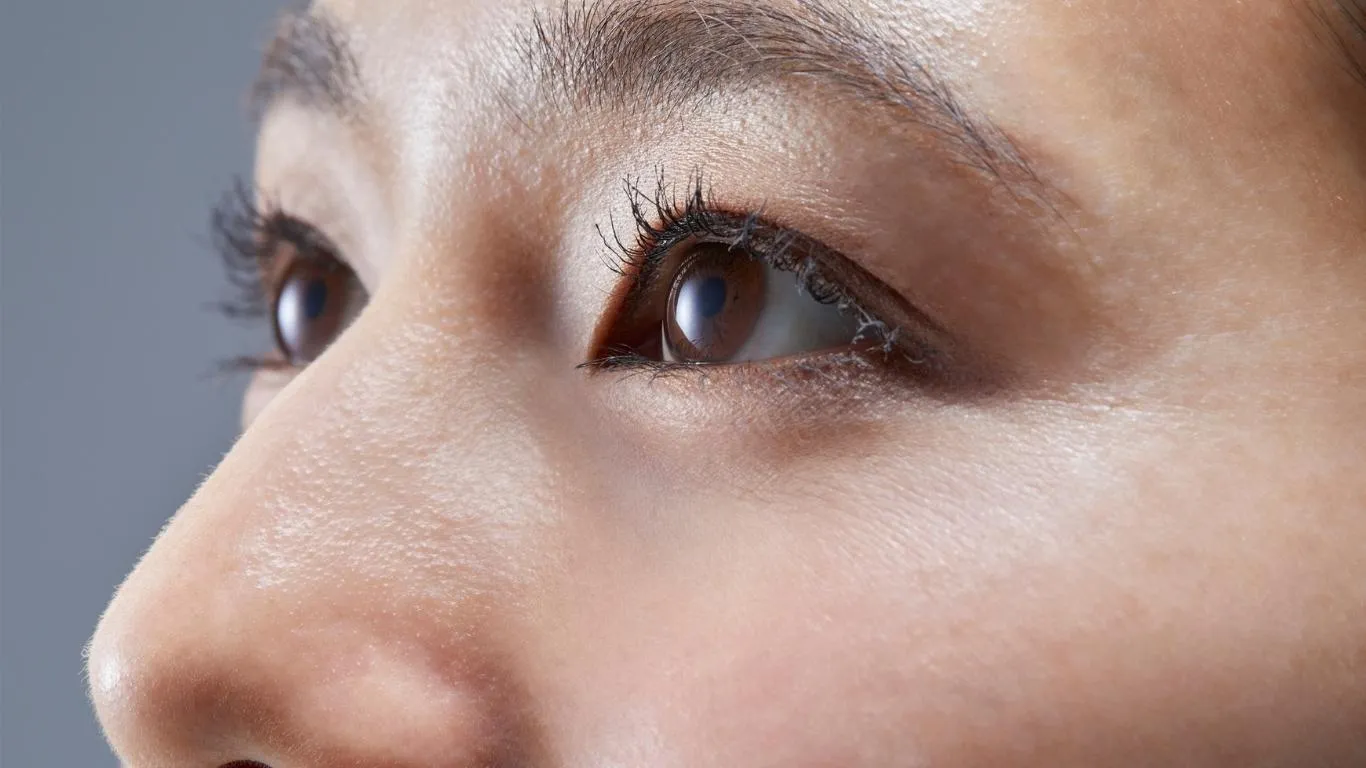
There’s no single predictor, but certain risk factors seem to increase your chances:
- Age 40+: Vitreous gel naturally begins to liquefy and pull away from the retina.
- High myopia: Nearsighted individuals often have longer eyes and weaker vitreous structure.
- History of floaters: If you’ve seen floaters before, surgery might make them more noticeable.
- Eye trauma or previous surgeries: Any event that alters the vitreous may raise the risk.
Even stress can’t be ruled out entirely. Some people notice more floaters during anxious periods, and recovery from eye surgery can definitely stir up some worry. I came across an insightful breakdown on this from this article about stress and floaters.
When Floaters Signal a Bigger Issue
Not to alarm you—but if your floaters are accompanied by light flashes, peripheral vision loss, or a “veil” effect, it might be more than just a nuisance. These can indicate retinal detachment, which can follow a PVD or occur independently. Even though it’s rare after PRK, it’s better to be cautious than caught off guard.
If you experience these symptoms, don’t wait. Head to an eye specialist immediately. Retinal detachment can lead to permanent vision loss if not treated quickly.
Living with Floaters After PRK: What Actually Helps?
Here’s what’s helped me manage floaters without losing my mind:
- Blue light filters: Reducing screen glare makes floaters less obvious.
- Hydration and diet: There’s growing curiosity around whether dehydration makes floaters worse. This post on dehydration and floaters helped me rethink how much water I was drinking daily.
- Supplements: While results vary, some people explore antioxidants like lutein and zeaxanthin, though clinical data is still limited.
- Visual redirection: It sounds simple, but looking away from floaters—toward textured or patterned backgrounds—really helps.
And I can’t emphasize this enough: if your floaters aren’t worsening and your retina is intact, chances are, you’ll adjust with time. I did. They still float around sometimes—but they don’t dominate my vision like they did that first post-op month.

Camellia Wulansari is a dedicated Medical Assistant at a local clinic and a passionate health writer at Healthusias.com. With years of hands-on experience in patient care and a deep interest in preventive medicine, she bridges the gap between clinical knowledge and accessible health information. Camellia specializes in writing about digestive health, chronic conditions like GERD and hypertension, respiratory issues, and autoimmune diseases, aiming to empower readers with practical, easy-to-understand insights. When she’s not assisting patients or writing, you’ll find her enjoying quiet mornings with coffee and a medical journal in hand—or jamming to her favorite metal band, Lamb of God.