
Bacterial Endophthalmitis Floaters Can Threaten Your Vision Fast
So, a few months ago, I noticed these tiny dark specks drifting across my vision—like little gnats I couldn’t quite swat away. They weren’t alarming at first, but then they multiplied and started moving more aggressively. As someone who’s had a couple of mild eye infections in the past, I brushed it off as just another phase. But this time was different. When my eye started aching and getting red, I knew I had to get it checked. That was the first time I heard the phrase: bacterial endophthalmitis floaters. And trust me, it’s not something you want to ignore.
What Are Bacterial Endophthalmitis Floaters?

Let’s break it down. Bacterial endophthalmitis is a rare but serious infection that affects the inner eye, specifically the vitreous or aqueous humor. When bacteria enter the eye—usually after surgery, trauma, or an injection—they can inflame these internal spaces. This intense inflammation leads to a sudden shower of floaters, often darker and more disturbing than your typical age-related floaters.
These aren’t the ghostly wisps you might be used to. Floaters caused by endophthalmitis are typically associated with blurred vision, eye pain, redness, and even light sensitivity. In my case, they seemed to multiply overnight and didn’t fade like the regular floaters I’d seen before.
How Are They Different from Regular Floaters?
- Speed of Onset: Normal floaters develop gradually; endophthalmitis floaters appear rapidly.
- Appearance: These floaters may look darker, denser, or more “cloud-like.”
- Symptoms: Pain, swelling, and light sensitivity usually accompany them.
Unlike the benign floaters that come with age, these floaters are an urgent red flag—your eye is essentially under bacterial attack.
How Do Eye Infections Lead to Floaters?

The eye is an incredibly delicate system. When bacteria breach its natural barriers—be it during cataract surgery, a contaminated contact lens, or an eye injury—they trigger a defense mechanism: inflammation. Inflammation in the vitreous leads to the breakdown of cells and proteins, which float around in your vision.
One important thing to note is that not every eye infection causes floaters. The more aggressive or invasive the infection, the higher the risk. According to the American Academy of Ophthalmology, post-surgical bacterial infections like Staphylococcus epidermidis or Streptococcus species are common culprits.
Who’s Most at Risk?
- People who’ve recently undergone eye surgery (especially cataract surgery)
- Individuals with compromised immune systems
- Anyone using contaminated eye drops or contact lenses
- Patients receiving intravitreal injections for retinal conditions
If you’ve recently had an eye procedure and begin seeing a sudden storm of floaters, it’s worth revisiting your ophthalmologist immediately. According to clinical studies on PubMed, untreated endophthalmitis can rapidly lead to vision loss or even permanent blindness.
Signs You Might Be Dealing with Something Serious

In my case, what started as a mild irritation quickly turned into stabbing pain and dense, web-like floaters clouding my central vision. I was lucky to have caught it early. If you’re ever in doubt, here’s a list of red flags to watch out for:
- Sudden increase in number or size of floaters
- Redness or swelling in and around the eye
- Throbbing eye pain
- Severe sensitivity to light
- Noticeable vision loss or haze
If you experience two or more of these at once, you’re not dealing with regular floaters. This could be a developing emergency, and waiting it out isn’t a good idea.
Here’s a great resource from our main pillar article: What Are Eye Floaters? Causes, Symptoms, and Treatment Options – it dives deep into the broader causes and symptoms, which is helpful for comparison.
How Are Bacterial Endophthalmitis Floaters Diagnosed?

Once I got in the chair at the ophthalmologist’s office, they wasted no time. A slit-lamp exam, along with an ultrasound of the eye, helped pinpoint the infection. They even took a sample of the vitreous fluid to identify the specific bacteria responsible.
This isn’t something that can be diagnosed over the phone or with a quick peek. You need real, in-depth eye imaging. If you’ve had any recent trauma or surgery, your eye doctor will likely fast-track this process due to the risk factors involved.
Tests May Include:
- Slit-lamp microscopy
- Fundoscopy
- Optical Coherence Tomography (OCT)
- Ultrasound B-scan (if visibility is reduced)
- Vitreous tap for bacterial culture
And here’s a surprisingly insightful article I stumbled on while researching this: Can Eye Infections Directly Cause Floaters? – super relevant if you’re navigating symptoms and don’t know where to start.
Why Early Treatment Matters More Than You Think

I was fortunate. My treatment started within 24 hours of diagnosis, which involved an intravitreal antibiotic injection. Not the most comfortable experience, but better than losing vision. The longer you wait, the more the bacteria spread, and the worse the floaters—and overall damage—become.
In some cases, vitrectomy surgery (removing the infected vitreous gel) may be necessary. It’s intense, but if the infection is aggressive, it’s often the only way to save the eye. For milder cases, antibiotics may be enough, but it always depends on how early you intervene.
If you’re still on the fence about whether this is something to worry about, consider reading When Are Eye Floaters Dangerous? Signs of Serious Conditions—it covers other red flag scenarios too.
Treatment Options for Bacterial Endophthalmitis Floaters

So, what happens after diagnosis? I’ll walk you through what my treatment looked like—and what you might expect if you or someone you care about ends up in the same boat.
The gold standard treatment for bacterial endophthalmitis is intravitreal antibiotics—injections directly into the eye. I know, that sounds terrifying (I was seriously squeamish), but the actual procedure was quick and surprisingly painless with the local anesthetic. The goal here is to get antibiotics right where the infection is, because oral meds can’t reach the vitreous effectively.
Common Antibiotics Used
- Vancomycin – for Gram-positive bacteria like Staph
- Ceftazidime – for Gram-negative bacteria like Pseudomonas
My doctor used a combination of both because they weren’t yet sure which bacteria were responsible. It’s basically a best-of-both-worlds approach until cultures come back.
Follow-up Therapies May Include:
- Topical steroid drops to control inflammation
- Systemic antibiotics (if the infection is spreading)
- Vitrectomy – in severe or unresponsive cases
I ended up avoiding vitrectomy, but a close friend wasn’t as lucky. His infection was more advanced, and he needed the surgical option to save his sight. According to the National Eye Institute, early intervention with vitrectomy can improve outcomes significantly when floaters are accompanied by dense vitreous opacities or retinal damage.
Long-Term Effects: Do the Floaters Go Away?
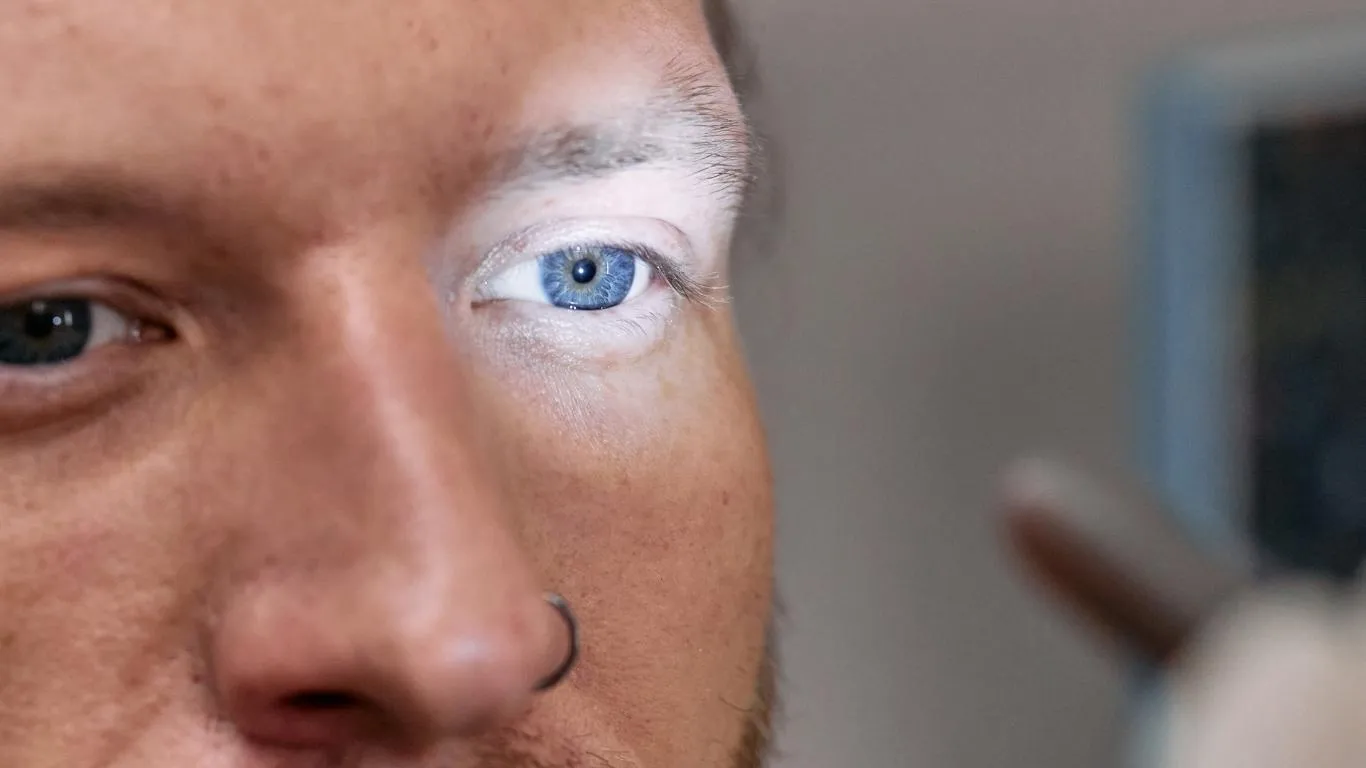
This was the question I kept obsessing over: would my vision return to normal? In many cases, floaters do fade after the infection clears. The inflammation subsides, and the debris slowly settles out of the visual axis or is reabsorbed by the body. But it’s not always perfect.
Some floaters remain—especially if the infection caused significant damage to the vitreous structure. I still see a couple of faint ones when I look at a bright screen or sky, but nothing like the blizzard I had before treatment.
What helped me cope early on:
- Blue light filters on screens (reduced contrast floaters)
- Dark mode on everything digital
- Keeping hydrated and resting my eyes regularly
For some patients, persistent floaters may eventually lead them to consider a vitrectomy or laser floater removal—a more aggressive option, but one that has helped people reclaim clear vision when nothing else works.
Prevention: What You Can Do to Avoid It

I can’t stress this enough—if you’re having any kind of eye surgery, injection, or even just using contact lenses, hygiene is non-negotiable. My infection was likely caused by a lapse in post-op care (yep, that one night I forgot my drops might’ve done it).
Here are some ways to reduce your risk:
- Always follow your ophthalmologist’s instructions after procedures.
- Use only sterile, preservative-free eye drops when recommended.
- Don’t rub your eyes, especially with unwashed hands.
- For contact lens wearers—clean them properly, and never sleep in them unless prescribed.
If you’re planning any kind of eye procedure, it’s also a good idea to talk to your doctor about the risk of endophthalmitis. Some clinics are even using prophylactic antibiotic injections during surgeries to lower the odds.
When Should You See a Specialist?

Look, I’m not trying to scare anyone here—but I’ve seen firsthand how fast things can go south. If you’re dealing with sudden floaters and any other symptoms like pain or blurry vision, do not wait.
Book an appointment with a retina specialist immediately. General optometrists are great for routine care, but infections like these need a specialist who can perform injections or surgery if needed. That quick decision might just save your sight.
And if you want a deeper dive into the signs that shouldn’t be ignored, here’s a must-read: How Uveitis Triggers Eye Floaters and What You Should Know. It explores another inflammation-driven cause of floaters that’s worth being aware of too.
Living with the Aftermath

Recovery isn’t just physical—it’s mental too. Floaters can be surprisingly distracting and emotionally exhausting, especially when they follow a traumatic infection. I had to consciously stop checking for them every five minutes. Meditation helped. So did just… giving myself time.
Eventually, I stopped noticing them as much. That’s the thing about floaters—your brain adjusts, and they become part of the background noise. But knowing what caused them—and that I acted quickly—gave me peace of mind. And if there’s one takeaway I hope you remember, it’s this:
Don’t ignore sudden changes in your vision. Especially if they come with pain, redness, or blurry sight. Bacterial endophthalmitis floaters are a warning sign your eyes can’t afford to whisper.

Camellia Wulansari is a dedicated Medical Assistant at a local clinic and a passionate health writer at Healthusias.com. With years of hands-on experience in patient care and a deep interest in preventive medicine, she bridges the gap between clinical knowledge and accessible health information. Camellia specializes in writing about digestive health, chronic conditions like GERD and hypertension, respiratory issues, and autoimmune diseases, aiming to empower readers with practical, easy-to-understand insights. When she’s not assisting patients or writing, you’ll find her enjoying quiet mornings with coffee and a medical journal in hand—or jamming to her favorite metal band, Lamb of God.