What Floaters With Retinal Bleeding Mean for Your Vision
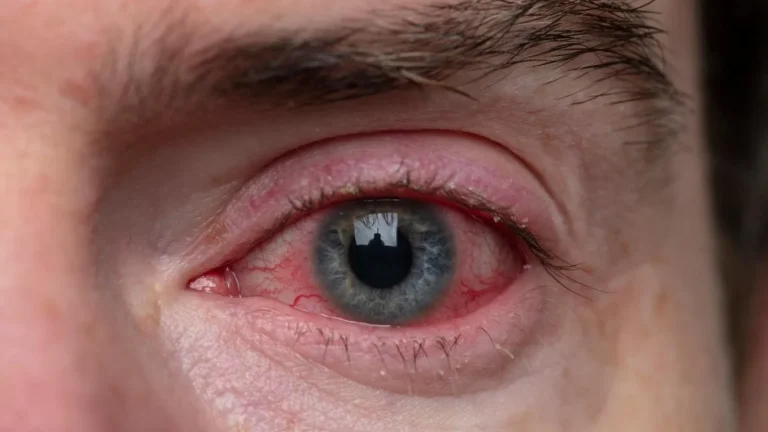
It started with a sudden shower of dark specs drifting across my vision—like someone had shaken a snow globe full of black ash. I blinked, rubbed my eyes, even splashed my face, thinking maybe I was just tired. But the floaters didn’t go away. A dull ache set in, and something told me this wasn’t just a typical case of eye strain. Turns out, I was dealing with something much more serious—floaters with retinal bleeding. And if you’ve ever seen sudden floaters, especially paired with flashes or vision changes, you need to pay attention. Your eyes might be trying to tell you something big.
Understanding Floaters With Retinal Bleeding
Floaters are usually benign—tiny clumps of collagen floating in the vitreous humor of the eye. They come and go, mostly harmless. But when those floaters are paired with retinal bleeding, that’s a completely different story. This combo often signals something is wrong—possibly very wrong—within the delicate layers of the retina. It’s not just a visual nuisance anymore. It’s a potential red flag.
What Causes the Bleeding?
Retinal bleeding happens when the blood vessels in the retina leak or rupture. Several conditions can cause this, such as:
- Diabetic Retinopathy – Chronically high blood sugar can damage tiny vessels in the retina, leading to bleeding and even permanent vision loss.
- Retinal Vein Occlusion – A blockage in the retinal vein can cause backpressure, bursting vessels and flooding the retina with blood.
- Trauma or Eye Injury – A blow to the eye can directly rupture delicate capillaries.
- Age-Related Macular Degeneration (AMD) – Particularly the wet form, which promotes the growth of fragile new vessels that bleed easily.
- Posterior Vitreous Detachment (PVD) – As the vitreous pulls away from the retina with age, it can tear a vessel if it’s tightly attached.
If you notice floaters right before a retinal tear, that’s often the earliest clue something’s gone wrong. Don’t ignore it.
My Experience: When Floaters Turned to Blood
One minute I was reading, the next, it looked like black cobwebs had been dropped across my right eye. The worst part? It got worse by the hour. I saw a retina specialist the next morning who confirmed my fear: retinal hemorrhage. In my case, it was due to an undiagnosed vein occlusion. I never had diabetes, no trauma, no clue. That’s the scary part—you might not feel anything at all, and still, your retina could be under attack.
Warning Signs You Should Never Ignore
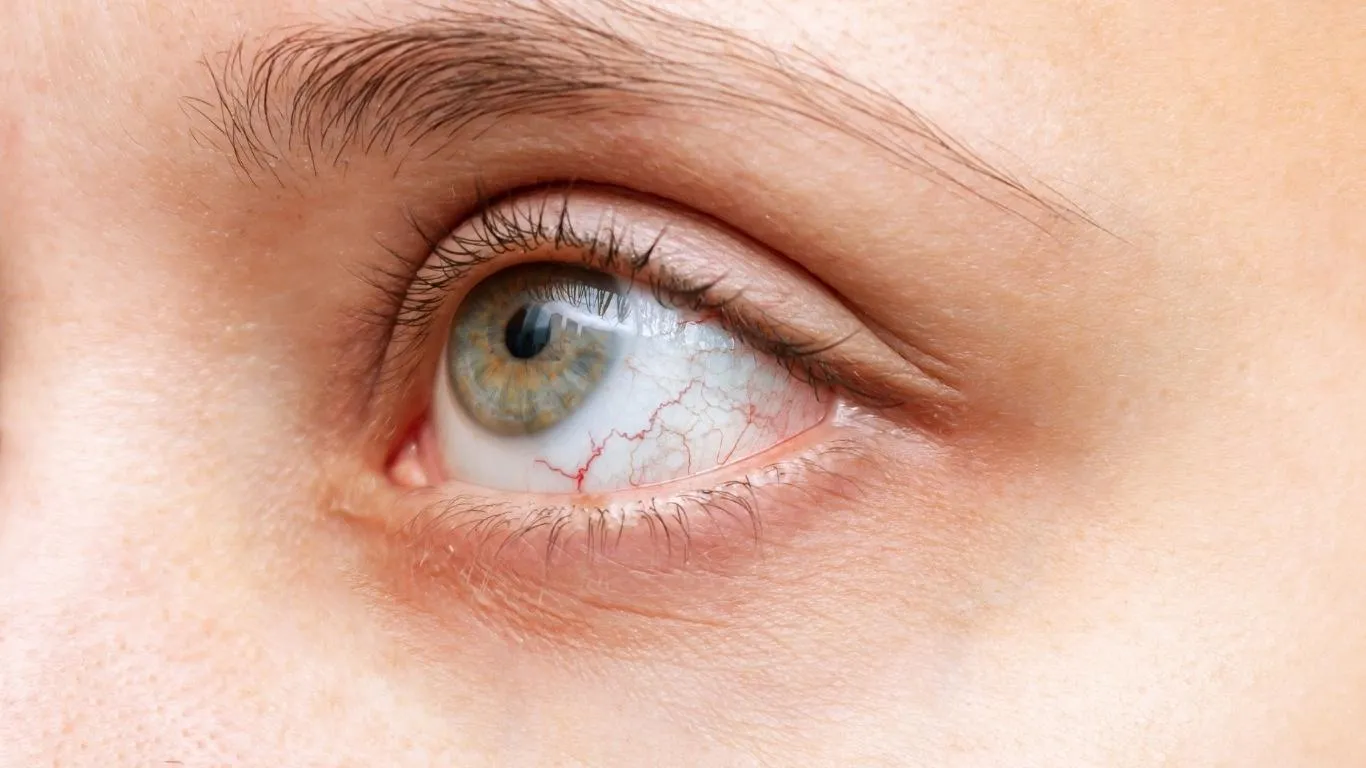
Sometimes the signs are subtle, but often, your eyes are screaming for help. Floaters with retinal bleeding often come with:
- Sudden increase in floaters – especially dark, stringy, or web-like ones
- Flashes of light – like lightning streaks in your side vision
- Blurred or shadowy vision – a hazy curtain or spots that don’t go away
- Eye pain or pressure – not always present, but concerning if it occurs
If these symptoms appear, don’t wait. Head to an ophthalmologist or retina specialist immediately. I learned that delay can mean the difference between saving vision and losing it. According to the American Academy of Ophthalmology, early detection is key in preventing permanent damage from retinal detachment or hemorrhage.
Diagnosis: What Happens at the Eye Doctor

When I sat in the exam chair, dilated and nervous, I wasn’t prepared for how thorough the process would be. The retina specialist used advanced imaging tools like:
- OCT (Optical Coherence Tomography) – to scan cross-sections of the retina
- Fluorescein Angiography – a dye-injected scan that highlights blood flow
- Ultrasound Imaging – used if the bleeding obscures view of the retina
All these tools help pinpoint the cause and severity of the bleeding. In my case, OCT was enough to show the vessel damage and minor swelling. For others, especially diabetics, regular imaging is a must. You can read more about the full range of treatments available for floaters—it’s more than just laser surgery or vitrectomy these days.
Treatment Options for Floaters With Bleeding
The course of treatment largely depends on the underlying cause. Sometimes, if the bleeding is minimal and the cause is managed, your eye can absorb the blood naturally. But in many cases, especially with active or recurring bleeding, treatment might include:
- Anti-VEGF Injections – to stop vessel growth and leakage in AMD or diabetic retinopathy
- Laser Photocoagulation – seals leaking vessels and prevents further damage
- Vitrectomy – surgical removal of the vitreous gel to clear out floaters and blood
- Managing systemic conditions – like high blood pressure or diabetes, which contribute to retinal bleeding
For those exploring natural approaches, you’ll find some discussion around natural remedies for floaters, though they don’t address the bleeding directly. I tried herbal eye drops and antioxidant supplements early on, but truthfully, only medical intervention helped in my case.
It’s critical to understand that while floaters alone might be annoying, floaters with bleeding are a medical issue. Your eye doesn’t bleed for no reason. That’s why early recognition and immediate attention are so important.
How Long Does Recovery Take?
After laser treatment and strict monitoring, it took nearly six months for my vision to fully stabilize. The floaters slowly faded, but a few stubborn ones still hover when I look at a bright screen. That’s the reality many face—even with treatment, some floaters may linger. The good news? Your brain learns to adapt and filter them out over time.
For a deeper look into the core causes, symptoms, and treatments of floaters, I highly recommend starting with this in-depth guide on eye floaters and their treatment options. It’s a solid foundation if you’re trying to understand the full spectrum of what’s going on inside your eye.
Long-Term Risks of Untreated Retinal Bleeding With Floaters
I get it—life gets busy. You notice floaters, maybe some flickering lights, and think, “I’ll wait and see.” I made that mistake once, and it nearly cost me my vision. The retina is unforgiving when it comes to delays. If the bleeding continues unnoticed, it can result in:
- Permanent blind spots – once parts of the retina die off, they don’t regenerate
- Retinal detachment – serious bleeds can pull or tear the retina away from the back of the eye
- Macular edema – swelling in the central part of your vision, leading to distortion or color loss
- Complete vision loss – in advanced untreated cases, particularly with repeated hemorrhages
Floaters with bleeding are not the kind of symptoms you monitor passively. I personally learned this the hard way and will forever have a subtle blur in my peripheral field as a reminder. The retina won’t heal itself like a scraped knee—it needs professional care.
Monitoring and Preventing Further Bleeding
Even after the initial treatment, long-term monitoring is crucial. I’m now on a six-month checkup schedule, including OCT scans and pressure checks. It’s not just about treating what’s there—it’s about preventing future events.
Here’s what’s helped me keep my eyes in better shape:
- Blood sugar and pressure control – two huge players in retinal health
- Antioxidants and vision-supporting nutrients – like lutein, zeaxanthin, and omega-3s
- Blue light reduction – I use a screen filter now, and my eyes definitely thank me
- Quitting smoking – nicotine narrows blood vessels, including those in the eye
- Staying hydrated – dehydration affects vitreous clarity and flexibility
If you’re dealing with floaters that seemed to appear after screen fatigue, there’s a deeper dive into how screen time may contribute to floaters.
When Bleeding Comes Back
One of the most unnerving things? The second episode. I thought I was in the clear, but about a year after my first hemorrhage, it happened again—this time more subtle, but still concerning. My specialist explained that some underlying conditions, like vein occlusion or AMD, have chronic tendencies. They can re-bleed under stress or if left unmonitored.
Recurring floaters with bleeding may mean:
- Inadequate treatment of the root cause
- Non-compliance with follow-up care
- New vessel growth (neovascularization) in response to earlier damage
In my case, another round of anti-VEGF injections was required, and the frequency of my exams doubled for the next few months. If you’ve had floaters with bleeding once, your eyes have already proven they’re vulnerable. Don’t let a second episode sneak up on you.
Floaters or Something Else?
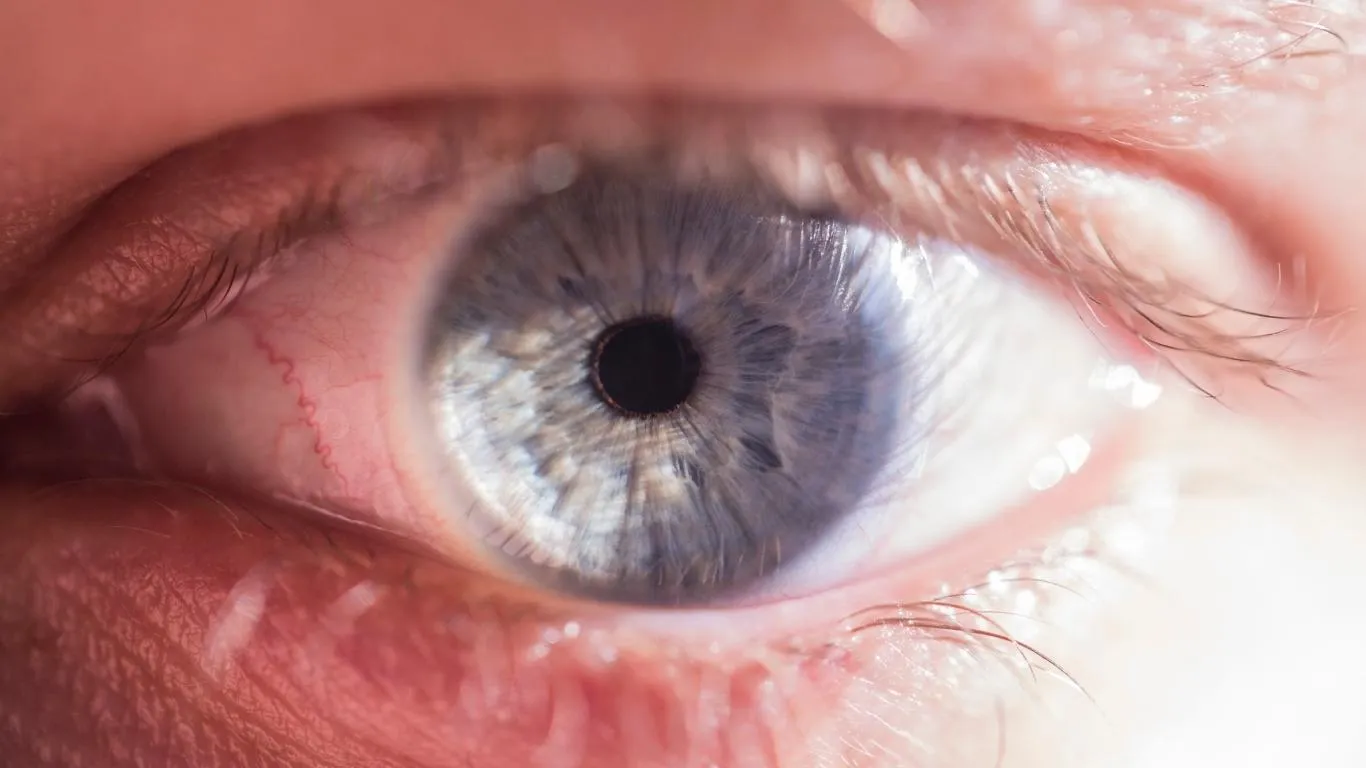
Many people mistake other vision changes for floaters. Not every shadow or blur means bleeding. But confusion here can be risky. Common mimics include:
- Ocular migraines – these come with shimmering or zigzag patterns, but no blood
- Dry eye artifacts – smears or halos that vanish with blinking
- Optic neuritis – often part of autoimmune disease, causes blurry central vision
But here’s the rule of thumb I learned: if you’re seeing floaters plus any flashes, shadows, or sudden changes, don’t self-diagnose. Check out the breakdown between eye floaters and other eye conditions—the differences might surprise you.
Living With Residual Floaters
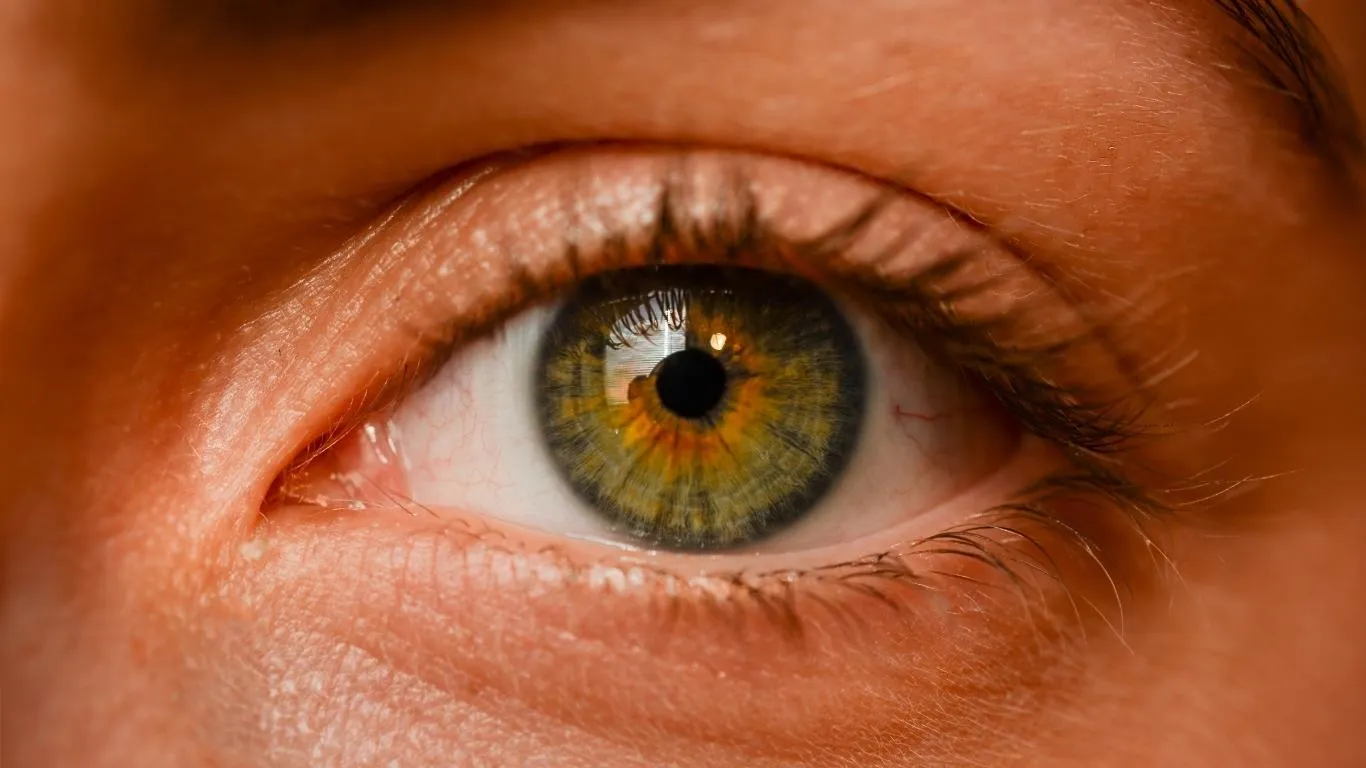
Even after successful treatment, some floaters might never fully disappear. I still see a faint transparent squiggle when I look at a white wall. It doesn’t bother me much now, and my brain’s gotten really good at tuning it out. But I’ve made some lifestyle changes to manage it better:
- Use light-filtering lenses in bright environments
- Avoid staring at backlit screens or white pages for too long
- Dark mode on devices makes floaters less visible
- Schedule regular retinal checkups even if symptoms fade
For those who feel like floaters are affecting their day-to-day, there are options like vitrectomy, but they come with risks. I decided to live with mine after understanding the trade-offs.
Some people explore dietary or alternative methods—if you’re curious, there’s a practical discussion around natural management of floaters, including what’s real and what’s just hype.
When to Seek Immediate Help

Here’s the list I now keep mentally bookmarked. If I ever experience any of these again, I’m heading straight to my retina specialist—no hesitation:
- Sudden shower of floaters or black spots
- Bright flashes or “camera flash” bursts in your side vision
- Vision that seems wavy, distorted, or faded
- A shadow or curtain effect creeping over your visual field
- Pain, pressure, or redness alongside floaters
If you’re reading this and nodding because you’ve seen something similar, don’t wait. The danger signs of eye floaters could save your sight if caught early enough.
Why Expert Care Is Everything
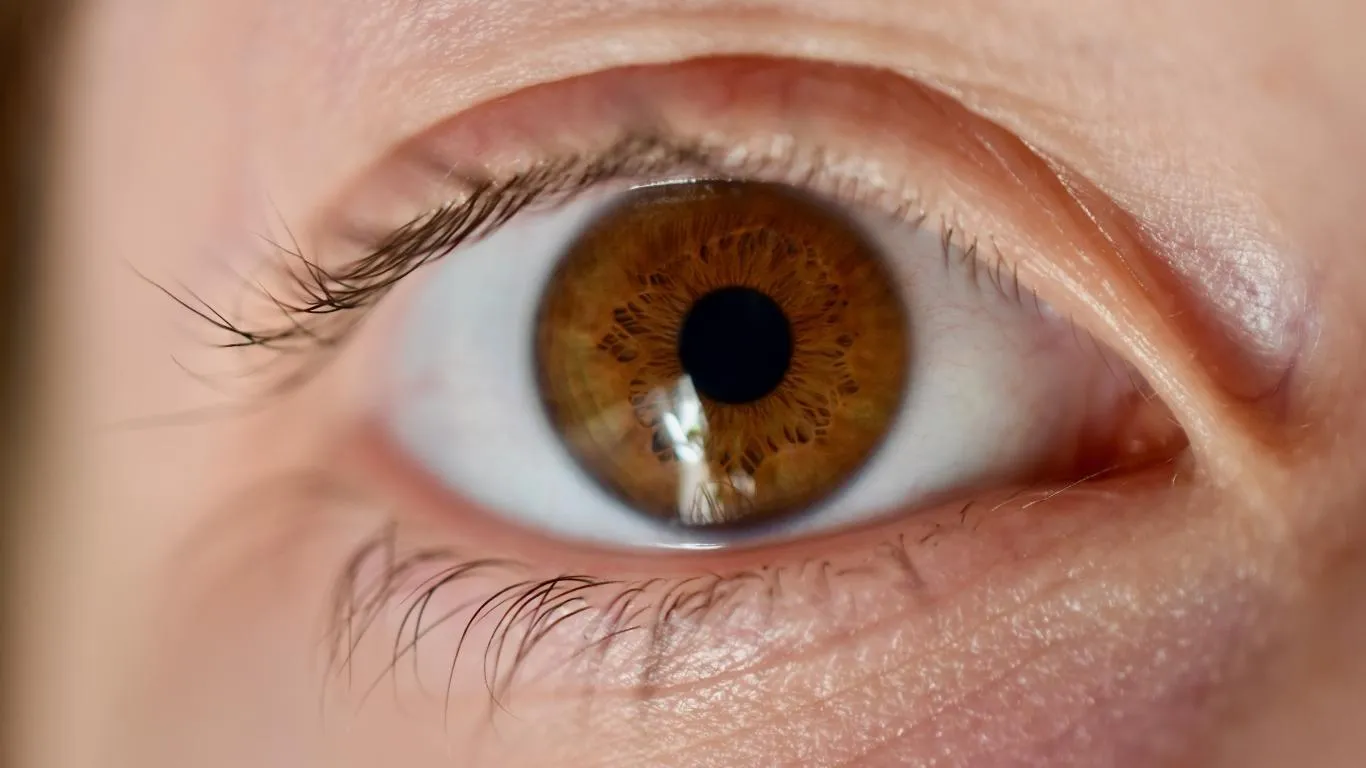
I used to think an annual vision check was enough. Now I know better. After my retinal hemorrhage, I learned to trust specialists—not just optometrists, but retina experts. Their tools, experience, and early intervention literally saved the vision in my right eye.
If you want to dig deeper into understanding floaters in the broadest sense, this comprehensive guide on what causes floaters and how to manage them is an excellent place to start. It covers everything from age-related causes to surgical interventions.

Camellia Wulansari is a dedicated Medical Assistant at a local clinic and a passionate health writer at Healthusias.com. With years of hands-on experience in patient care and a deep interest in preventive medicine, she bridges the gap between clinical knowledge and accessible health information. Camellia specializes in writing about digestive health, chronic conditions like GERD and hypertension, respiratory issues, and autoimmune diseases, aiming to empower readers with practical, easy-to-understand insights. When she’s not assisting patients or writing, you’ll find her enjoying quiet mornings with coffee and a medical journal in hand—or jamming to her favorite metal band, Lamb of God.