Why Chest Pain from Anxiety Feels So Real and So Alarming
One morning, I woke up with this dull, tight sensation right in the center of my chest. It wasn’t sharp, not like in the movies when someone grabs their chest and keels over—but it was enough to send me into full-blown panic mode. I thought, “This is it. Something’s wrong with my heart.” I ended up in the ER. After hours of tests, heart scans, and monitoring, the doctor came in calmly and said, “Your heart is perfectly healthy. What you’re feeling is most likely chest pain from anxiety.” I didn’t believe him at first. But I’ve since learned this is incredibly common—and incredibly misunderstood.
What Chest Pain from Anxiety Actually Feels Like

Let’s get one thing straight: just because it’s “from anxiety” doesn’t mean it’s not real. Chest pain caused by anxiety can feel intense, scary, and sometimes indistinguishable from a heart issue. That’s exactly what makes it so alarming.
Common Descriptions People Use
- Tightness or pressure in the chest, like something heavy is sitting on it
- Sharp, stabbing pain that comes and goes suddenly
- A burning sensation or discomfort that radiates to the shoulders or back
- Difficulty taking a full breath, even though lungs are technically clear
- Heart palpitations that trigger even more fear
According to the Cleveland Clinic, anxiety-related chest pain is one of the most frequent causes of non-cardiac chest discomfort, particularly in younger adults. It mimics heart-related symptoms, which is why so many people end up in ERs thinking they’re having a heart attack—just like I did.
Why Anxiety Causes Chest Pain in the First Place
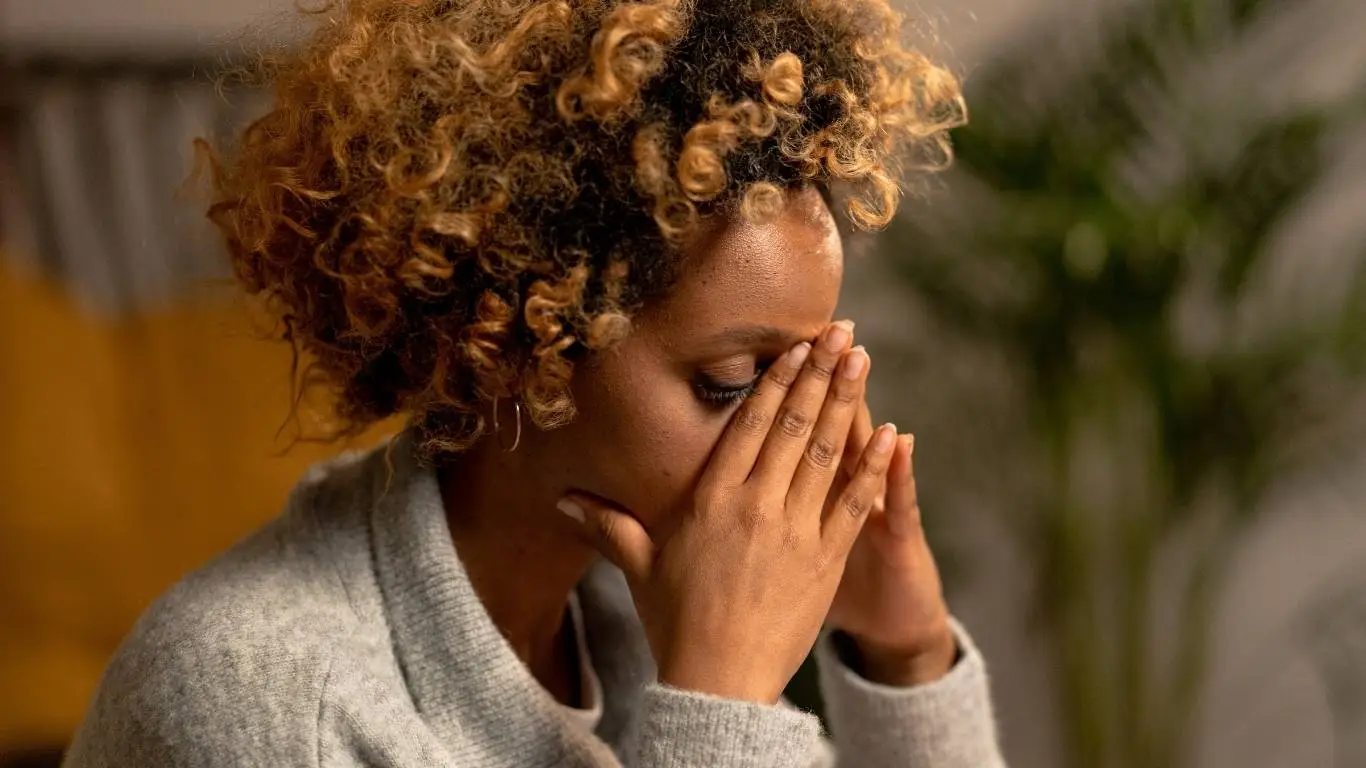
Here’s what I wish someone had explained to me sooner: when you’re anxious, your body isn’t just reacting emotionally. It’s going into full-on fight-or-flight mode, even if there’s no actual danger present. That survival response can create very real, physical sensations—including chest pain.
Here’s What Happens Physiologically
- Muscle tension: Your chest muscles tighten as part of the stress response, which can feel like pressure or pain.
- Rapid breathing: Hyperventilation changes your oxygen and CO2 levels, which can cause dizziness and chest discomfort.
- Adrenaline surge: Your heart races, blood vessels constrict, and this all contributes to physical sensations.
- Digestive upset: Anxiety affects your gut too, and reflux can add to the chest pain confusion.
The scariest part is how these sensations feed the cycle. You feel chest pain, panic that something’s wrong, and that panic causes even more pain. I’ve been caught in that loop more times than I can count. Understanding what’s happening in your body doesn’t erase the fear—but it gives you context. And that’s powerful.
When to Get Checked—and When It’s Likely Anxiety

I’m going to say this upfront: If you’re experiencing chest pain for the first time, go get checked. Seriously. Don’t diagnose yourself off the internet. I did that once and waited too long—it wasn’t life-threatening, but I still needed help. It’s always better to rule out cardiac issues with a professional than assume it’s anxiety and be wrong.
- It happens during or after moments of high stress or emotional overwhelm
- It lessens when you distract yourself, rest, or practice breathing techniques
- You’ve had a full cardiac workup and been told your heart is healthy
- It’s accompanied by other anxiety symptoms like racing thoughts, nausea, or trembling
One of the things that gave me peace of mind was understanding the overlap between panic attacks and cardiac symptoms. The National Institute of Mental Health notes that panic disorder frequently presents with chest pain—and it’s often mistaken for a heart condition, especially in younger women.
How to Ease Anxiety-Related Chest Pain in the Moment
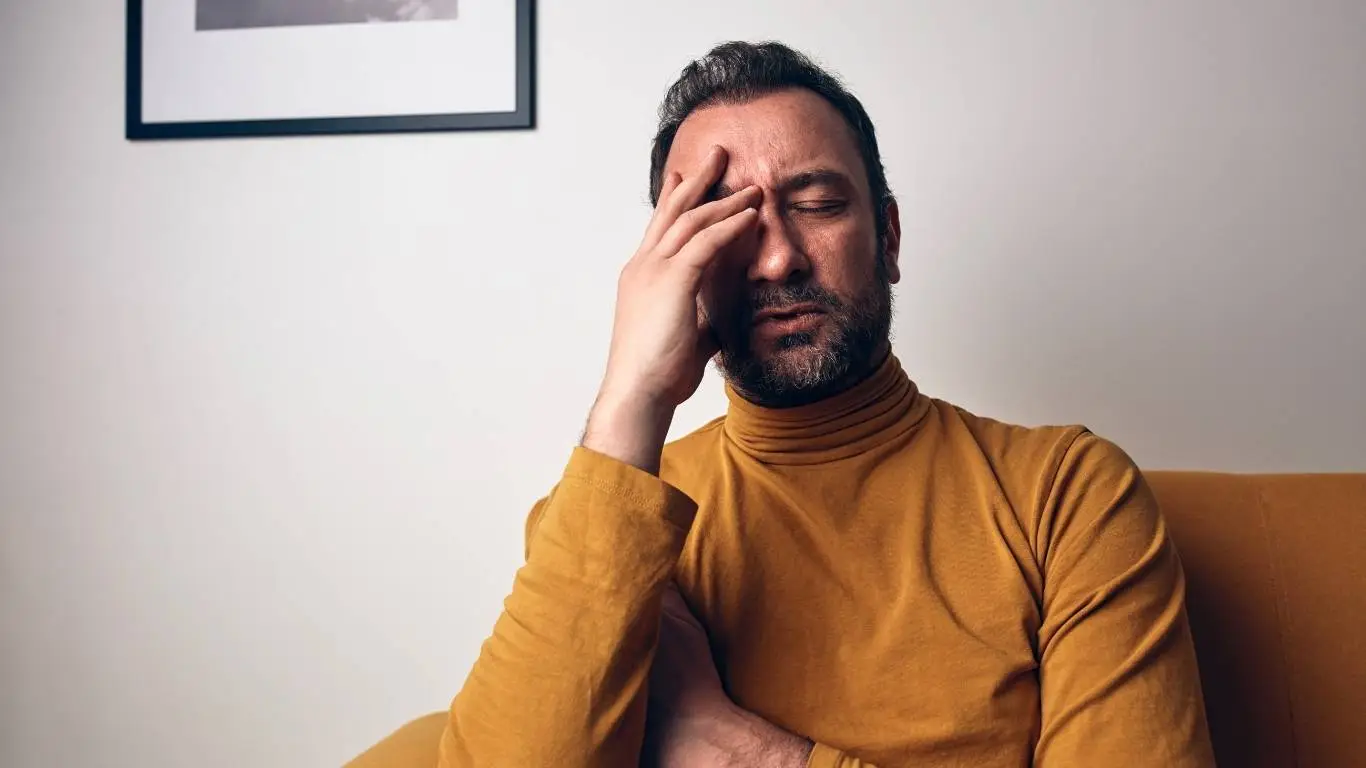
Once I realized what I was feeling wasn’t dangerous, I started building a toolkit to manage it. Because even when you know it’s anxiety, the discomfort can still take your breath away—literally.
Grounding Techniques That Work Fast
- Deep breathing: Try box breathing—inhale 4, hold 4, exhale 4, hold 4. Repeat for 3-5 minutes.
- Progressive muscle relaxation: Tense and release muscle groups starting from your toes up to your chest.
- Temperature shift: Splash cold water on your face or hold an ice pack. This can reset your nervous system.
- Name 5 things: Look around and name 5 things you see. This anchors you back into the present.
- Breath + posture: Uncurl your shoulders and open your chest. Tension loves to settle there during anxious moments.
It doesn’t have to be dramatic. Even one minute of focused breathing helped me cut the edge off panic. I also created a little note on my phone that read: “This is anxiety. It feels like pain, but it’s temporary.” I’d read that when things got intense. It reminded me I wasn’t in danger—I was just overwhelmed.
You’re Not Alone—And It’s More Common Than You Think

I’ve talked to dozens of people now who’ve gone through the same thing. One friend called an ambulance during his first panic attack. Another thought she was having a stroke. Chest pain from anxiety doesn’t just mimic physical illness—it makes you question your sanity. And that’s why it’s so important to talk about it.
Once I began learning more about anxiety and its physical symptoms, I also came across this in-depth resource on hidden causes of anxiety disorders, which helped me understand my triggers on a deeper level. Sometimes, it’s not just the surface stress—it’s unresolved stuff we haven’t even noticed piling up in the background.
Once I finally accepted that my chest pain was coming from anxiety and not a heart condition, things didn’t magically disappear—but they became manageable. Understanding the connection was the first step. The next was figuring out how to prevent those moments from escalating in the first place. If you’ve ever dealt with this kind of pain, you know it’s not just about stopping it in the moment—it’s about lowering the baseline anxiety that fuels it.
Daily Habits That Reduce Anxiety and Prevent Chest Pain

I used to think I didn’t have time for all the “self-care” stuff people recommend. But after too many nights of clutching my chest in panic, I was willing to try anything. And surprisingly, small consistent changes had a much bigger impact than any big one-time fix.
What Helped Me Reduce the Frequency of Chest Pain
- Morning grounding: I start my day with just 5 minutes of silence—no phone, no to-do list. Just breathing and checking in with myself.
- Journaling triggers: I began writing down what was happening before every episode. Patterns emerged. That helped me feel less powerless.
- Consistent movement: I’m not a gym person, but even 20 minutes of walking lowers my stress levels drastically.
- Limiting caffeine: I still love coffee, but too much would spike my heart rate and mimic anxiety. I cut back, and it helped.
- Digital detox windows: I take breaks from notifications, news, and social media—especially at night.
None of these are magic pills. But layered together, they’ve become my armor. I haven’t had a panic-fueled chest pain episode in months now. That’s something I never thought I’d be able to say.
When to Consider Professional Help
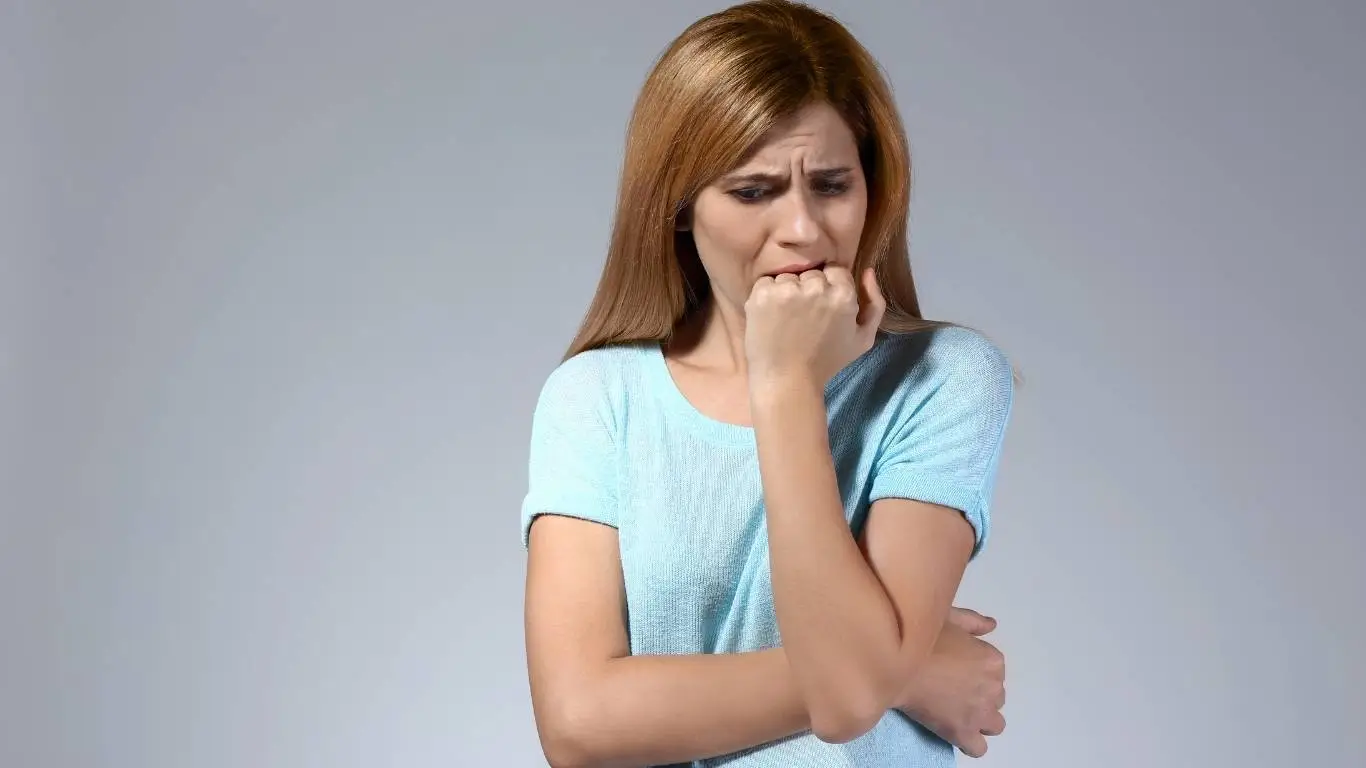
There’s only so much DIY can do. If anxiety is showing up in your body this strongly and this often, you deserve support. I used to think going to therapy was a last resort. Now I think it’s one of the best tools I’ve ever invested in.
Therapies That Help with Physical Symptoms of Anxiety
- Cognitive Behavioral Therapy (CBT): Teaches you how to interrupt negative thought loops before they spiral into body symptoms.
- Somatic therapy: Helps you become aware of where anxiety lives in your body and how to release it.
- Exposure therapy: Gradually desensitizes you to the sensations you fear—like chest tightness—so they don’t trigger panic.
Therapists trained in anxiety and panic disorder understand that what you’re feeling is not “just in your head.” They know it lives in the body, too. And they’re trained to guide you through both the mental and physical layers. If you’re looking for therapy but don’t know where to start, Psychology Today’s therapist directory is a great place to begin your search.
Medications: When Chest Pain Won’t Let Up

There’s a lot of stigma around anxiety meds, but I’ll be real: they’ve helped many people avoid regular ER visits from anxiety-induced chest pain. I didn’t start medication myself, but I’ve spoken to friends and readers who say it made all the difference—for them, it reduced the overall intensity of their symptoms and helped them finally feel functional again.
Options Doctors Might Recommend
- SSRIs: Like sertraline or escitalopram—often prescribed for chronic anxiety or panic disorder.
- Benzodiazepines: Short-term use meds like lorazepam—fast-acting, but can be habit-forming.
- Beta-blockers: Used off-label to manage physical symptoms like heart rate and tremors.
The key here is not to self-prescribe or guess what you need. Work with a healthcare provider who understands both anxiety and physical symptoms. Chest pain is serious, and it deserves care—even if it’s not cardiac.
Finding Reassurance Without Ignoring Your Body

One of the most frustrating things is being told, “It’s just anxiety.” It may be anxiety—but that doesn’t make it harmless or dismissible. I needed both: the reassurance that I wasn’t dying, and the acknowledgment that my pain was real.
I started tracking symptoms—not obsessively, but thoughtfully. When did they happen? What was I doing before they started? What helped them pass faster? Over time, the mystery started to fade. It became less “What’s wrong with me?” and more “I know what this is—and I have tools.”
How to Balance Caution with Calm
- Get checked out once—take care of your physical health.
- Trust medical evaluations once complete—don’t keep restarting the panic loop.
- Use your journal or an app to spot patterns, not feed fears.
- Practice naming the feeling: “This is a symptom, not an emergency.”
That one shift—knowing the difference between discomfort and danger—has given me back more peace than anything else. It didn’t happen overnight, but it’s real.
You’re Not Faking It, and You’re Not Alone

If you’ve been struggling with chest pain from anxiety, here’s what I wish someone had said to me sooner: You’re not crazy. You’re not being dramatic. Your body is trying to protect you—it’s just overreacting to the wrong cues. And it can learn to feel safe again.
The more we talk about this, the less alone people feel. And if you’re looking for a bigger picture of how anxiety shows up physically and emotionally, especially when it hides in plain sight, don’t miss this honest breakdown on how anxiety disorders can secretly control your daily life. It helped me feel seen. Hopefully, it does the same for you.

Camellia Wulansari is a dedicated Medical Assistant at a local clinic and a passionate health writer at Healthusias.com. With years of hands-on experience in patient care and a deep interest in preventive medicine, she bridges the gap between clinical knowledge and accessible health information. Camellia specializes in writing about digestive health, chronic conditions like GERD and hypertension, respiratory issues, and autoimmune diseases, aiming to empower readers with practical, easy-to-understand insights. When she’s not assisting patients or writing, you’ll find her enjoying quiet mornings with coffee and a medical journal in hand—or jamming to her favorite metal band, Lamb of God.