Can Alcohol Make Floaters Worse? Eye Health Insights
So the other night, I was out with friends, enjoying a glass (okay, maybe two) of wine, and I noticed something weird — those little specks floating in my vision were suddenly more noticeable than usual. You know, the kind that dance around when you try to focus on them. I’ve dealt with floaters on and off for years, but this time, it felt… different. It made me wonder — is there actually a link between alcohol and eye floaters? Turns out, it’s a lot more complex than I expected. If you’re like me and occasionally (or regularly) indulge in a drink, and you’ve noticed floaters in your vision, you might want to stick around.
Can Alcohol Really Affect Your Eye Health?
When we talk about alcohol, it’s usually liver health, weight gain, or hangovers that come to mind — not our eyes. But your eyes are delicate, nutrient-demanding organs, and regular alcohol intake can disrupt the balance they rely on. While there’s no conclusive proof that alcohol directly causes floaters, it’s worth diving into the chain reaction it sets off in your body that might make floaters more noticeable — or worse, accelerate their formation.
Excessive drinking can lead to dehydration (more on that later), oxidative stress, blood sugar fluctuations, and even nutrient deficiencies. And guess what? Each of those can potentially have an effect on your vitreous humor — the gel-like substance that fills your eyeball and where floaters actually form.
Understanding What Floaters Actually Are
Before jumping to conclusions, let’s quickly recap what eye floaters really are. Most of the time, they’re just tiny clumps of collagen fibers drifting around in the vitreous. These clumps cast shadows on your retina, and voilà — those wiggly specs, cobwebs, or rings appear in your field of vision.
Floaters become more common with age, but factors like diabetes, eye trauma, and even stress can play a role. One of the most informative deep dives into this topic can be found here, offering a complete overview of what causes floaters and how they’re treated.
Let’s Talk Dehydration — The Hidden Culprit
Ever wake up after a night of drinking and feel like you’ve been dragged through a desert? Alcohol is a diuretic, meaning it makes you pee more, flushing out not just water but essential electrolytes. This can leave your body — and your eyes — dehydrated.
Dehydration thickens the vitreous gel, making those clumps inside your eye more prominent. For people who already deal with floaters, alcohol can make them more visible, especially the morning after. There’s even some early speculation that chronic dehydration might accelerate the natural breakdown of the vitreous gel as we age.
Here’s a useful article discussing how dehydration plays into eye floaters. It’s one of those lesser-known connections that really make sense once you think about it.
Vitamin Deficiency & Nutrient Depletion
Chronic alcohol use doesn’t just mess with hydration — it also sabotages your nutrition. Over time, alcohol can reduce absorption of essential vitamins like B12, Vitamin A, and antioxidants such as lutein and zeaxanthin — all crucial for eye health.
Vitamin A is particularly important. A deficiency doesn’t cause floaters directly, but poor retinal health can worsen their effects or make other vision issues more obvious. And if you’re not getting enough antioxidants? That’s more oxidative stress, more collagen degradation, and potentially more floaters.
- Vitamin C: Helps repair tissues and counteract oxidative stress.
- Vitamin A: Supports the retina and low-light vision.
- Lutein & Zeaxanthin: Antioxidants found in the eye lens that protect against degeneration.
Increased Blood Sugar and Inflammation
Even if you’re not diabetic, alcohol can spike your blood sugar depending on what you drink — sugary cocktails, beers, and even wine. Elevated glucose levels can lead to inflammation, which in turn can affect the health of blood vessels in the retina.
There’s a solid piece on how systemic inflammation and hypertension affect floaters, which paints a clearer picture of the internal ripple effect.
And then there’s stress…
Okay, this one surprised me. Alcohol is often used to relax, right? But it can actually increase anxiety and stress in the long run. And stress has been linked with increased awareness of floaters. There’s no denying the mind-body connection here — and how we perceive floaters can be amplified by stress and fatigue. Curious? Here’s a well-explained take on how stress influences floaters.
Who’s Most at Risk When Mixing Alcohol and Eye Floaters?
Let’s be clear — a drink or two on occasion probably won’t wreck your eyes. But for people already at risk of floaters or eye problems, alcohol may just be another contributor. Consider cutting back if you:
- Are over 40 (age increases risk of posterior vitreous detachment)
- Have existing floaters or eye trauma history
- Are dehydrated or nutrient-deficient
- Have high blood sugar or inflammatory conditions
I didn’t realize how many boxes I was checking myself. Age creeping up, occasional dry eyes, a love for wine — it’s all adding up. If this hits home, you’re not alone.
Want to know more about when floaters signal something more serious? I highly recommend this breakdown on when eye floaters are a red flag. And for a broader look into common causes, this article covers it well.
Does Alcohol Trigger Floaters or Just Make Them More Noticeable?
This is the million-dollar question — does alcohol cause floaters to develop? Or are they already there, and booze just makes you notice them more?
Here’s where things get nuanced. Floaters usually develop over time due to aging or structural changes in the vitreous. But alcohol doesn’t suddenly spawn collagen strands inside your eyes. What it can do is highlight existing floaters — especially when you’re tired, dehydrated, staring at bright lights, or just hyper-aware (ever notice how they pop up more when you’re hungover?).
Think of it like this: they were always there, but your body’s thrown off balance, and your brain can’t “filter them out” as easily.
But What About Chronic or Heavy Drinking?
This is where it starts to blur the line. Chronic alcohol abuse is associated with long-term systemic damage, including to the optic nerve, retina, and blood vessels in the eye. Heavy drinkers are more prone to nutrient deficiencies, higher oxidative stress, and increased risk of falls or head injuries — all of which can indirectly lead to or worsen floaters.
Also, alcohol is linked to inflammation in the central nervous system and visual processing centers. So, even if your eyes themselves aren’t “damaged” immediately, how your brain perceives vision could be altered. Add that to poor sleep, visual fatigue, and emotional stress, and suddenly those floaters are hard to ignore.
Alcohol-Induced Eye Strain & Screen Time
Let’s be real — how many of us end the night scrolling through our phones with a buzz on? Digital screens combined with alcohol is a double whammy. Alcohol relaxes your muscles, including those in your eyes, leading to more effort required to focus. This can cause eye strain, dry eyes, and an increased perception of floaters.
If you’re spending time online after drinking, especially in dim lighting, it might be amplifying the presence of floaters. Digital eye strain is already enough of an issue — here’s a great read on how screen time impacts floaters.
Are Some People Just More Sensitive?
Absolutely. Floaters are one of those things that people perceive differently. Some folks can have a ton of floaters and barely notice. Others might have one or two and feel like they’re going blind. Add alcohol into the equation, and if you’re prone to light sensitivity, headaches, or migraines, you might find floaters suddenly take center stage.
Some conditions — like migraine with aura — can make you more visually sensitive overall. Alcohol can trigger these conditions in some individuals, which again makes it tricky to pinpoint cause vs. correlation.
So What’s the Verdict?
If you’re experiencing more floaters after drinking, it’s probably not a coincidence — but alcohol likely isn’t creating them from scratch. It’s setting up the perfect storm: dehydration, inflammation, fatigue, poor nutrition, and maybe even a knock to the head after one too many. All of these can either increase the risk or awareness of floaters.
Tips to Reduce Floater Awareness After Drinking
I’ve personally found a few things that help when I know I’ll be having a drink or two:
- Hydrate before and after: Drink plenty of water between drinks and especially before bed.
- Take breaks from screens: If you’re drinking, avoid doomscrolling or watching movies for hours in the dark.
- Eat nutrient-rich food: Especially foods high in Vitamin C, A, and omega-3s before or after drinking.
- Limit sugary cocktails: High sugar content spikes your blood sugar and may affect visual clarity.
- Use eye drops if needed: Artificial tears can help combat dry eyes, especially the next day.
These don’t magically eliminate floaters, but they can reduce the symptoms or visibility that sometimes comes with a hangover or a night out. Your eyes deserve a bit of TLC too, right?
When to Take Floaters Seriously
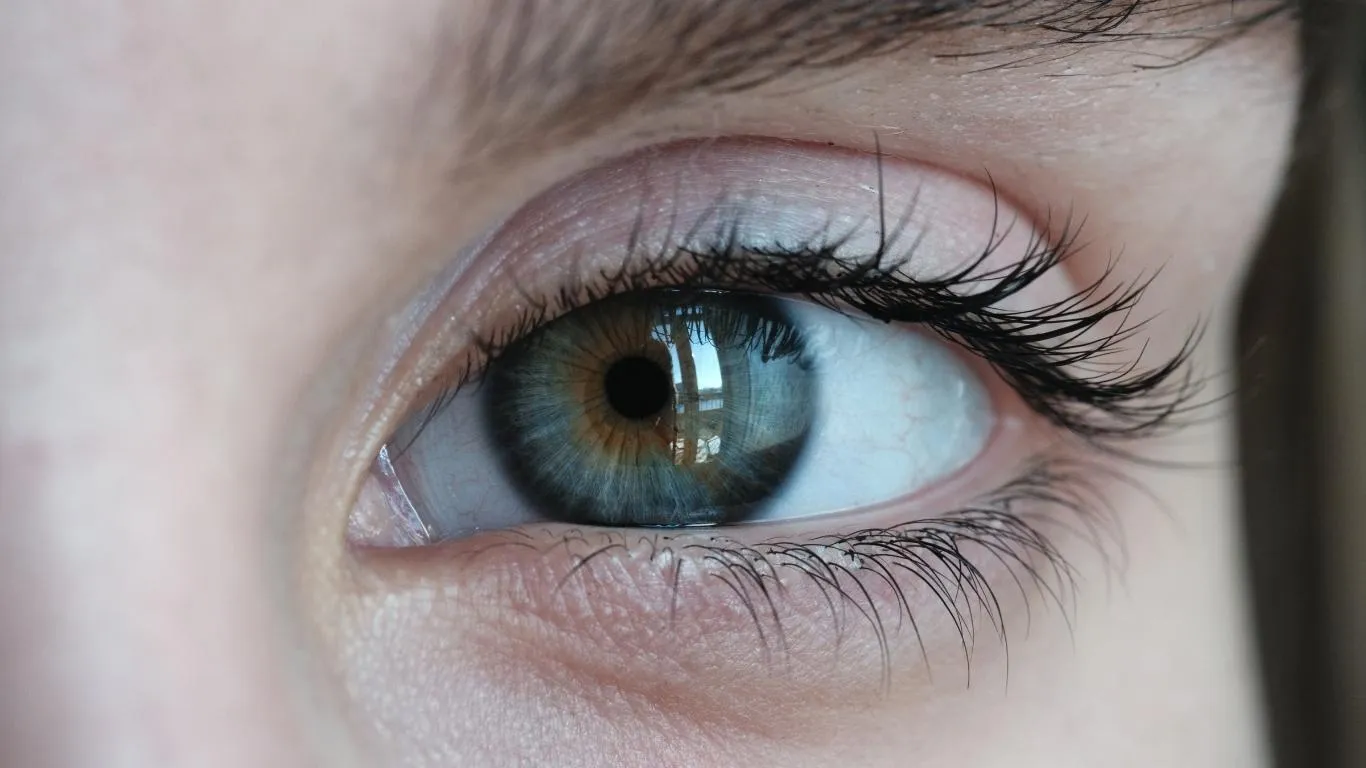
This can’t be stressed enough — if you suddenly experience a surge of new floaters, flashing lights, or a dark curtain over your vision, you need to see an eye specialist ASAP. These can be signs of retinal detachment or posterior vitreous detachment (PVD), which are serious conditions that require medical attention.
Here’s a thorough article on posterior vitreous detachment — highly recommended if you’re seeing more floaters than usual or if they change suddenly.
Alcohol Floaters: Something to Worry About?
If your floaters become more noticeable after drinking, it’s probably a mix of the physiological changes alcohol causes and heightened visual sensitivity. It’s not necessarily a red flag — but it’s your body telling you something. Whether that means cutting back, taking extra steps to hydrate, or just being mindful, it’s worth listening.
For a complete breakdown of how floaters develop and what you can do about them long-term, check out the main guide on what eye floaters are and how to manage them.
And if you’re curious about all the other surprising triggers (including eye trauma, cataract surgery, and even allergies), this pillar article on floater treatments is definitely worth bookmarking.

Camellia Wulansari is a dedicated Medical Assistant at a local clinic and a passionate health writer at Healthusias.com. With years of hands-on experience in patient care and a deep interest in preventive medicine, she bridges the gap between clinical knowledge and accessible health information. Camellia specializes in writing about digestive health, chronic conditions like GERD and hypertension, respiratory issues, and autoimmune diseases, aiming to empower readers with practical, easy-to-understand insights. When she’s not assisting patients or writing, you’ll find her enjoying quiet mornings with coffee and a medical journal in hand—or jamming to her favorite metal band, Lamb of God.