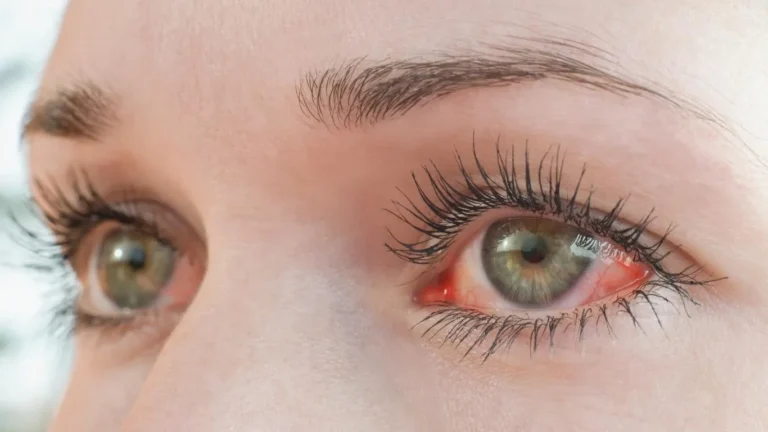
Why EMDR Therapy for Anxiety Feels Surprisingly Effective
If you’ve ever had a moment where your anxiety felt so overwhelming that even the idea of talking it out seemed impossible, you’re not alone. I remember one session with my therapist where I couldn’t even verbalize what was wrong—just this buzzing fear sitting in my chest like a rock. That was when someone first mentioned EMDR therapy to me. I’d never heard of it. Eye Movement Desensitization and Reprocessing? Sounded more like sci-fi than a real treatment for anxiety. But turns out, it’s not only real, it’s changing lives—including mine.
What is EMDR Therapy and Why Is It Making Waves in Anxiety Treatment?

EMDR therapy was originally developed for PTSD, but it’s fast becoming a go-to treatment for anxiety disorders. And no, it’s not hypnosis or anything woo-woo. It’s an evidence-based, therapist-guided technique that helps your brain reprocess distressing thoughts so they no longer feel like a current threat.
One thing I appreciated about EMDR is that it doesn’t require you to dive into the nitty-gritty details of your trauma or anxiety triggers. That alone was a game-changer for me, especially during those moments when talking felt like too much.
According to the American Psychological Association, EMDR is considered a Level A treatment for PTSD, but growing clinical research and therapist anecdotes suggest it’s just as effective for people like us—those who live with chronic anxiety, panic attacks, or even generalized anxiety disorder.
How It Works (In a Non-Boring Way)
During a typical EMDR session, your therapist will ask you to recall a disturbing memory or anxious thought while simultaneously guiding you through bilateral stimulation—this could be eye movements, taps, or sounds. It feels odd at first, but the effect is powerful. The goal is to disconnect the emotional weight from the memory or thought.
- Desensitization: It reduces your emotional response to anxiety triggers.
- Reprocessing: It helps your brain file the memory in a less threatening way.
- Stabilization: Many sessions also involve breathing techniques and grounding skills, which actually reminded me of this guide I used early on.
The best part? You don’t need years of talk therapy to see results. Some people experience noticeable changes after just a few sessions.
Why EMDR Is a Game-Changer for Anxiety (Beyond PTSD)

I struggled for years with looping thoughts, physical chest tightness, and that dreadful anticipatory anxiety. SSRIs helped a bit, but I always felt like I was putting a lid on boiling water—it would simmer and eventually bubble over again. EMDR wasn’t a magic pill, but it felt like I was finally dealing with the root instead of trimming the weeds.
Clinical Evidence (Not Just My Experience)
A growing number of studies now show how EMDR helps with generalized anxiety disorder (GAD), panic disorder, and even social anxiety. One clinical trial showed significant improvement in anxiety symptoms after only a few sessions. And yes, it’s been peer-reviewed—so we’re not talking about anecdotal fluff.
If you’ve ever felt like therapy is too slow or that you’re just talking in circles, EMDR brings a totally different rhythm to healing. It’s structured, focused, and surprisingly fast.
Who Might Benefit Most from EMDR Therapy?

EMDR isn’t for everyone, but it’s worth considering if:
- You have anxiety rooted in past events or specific memories
- You’ve tried CBT or talk therapy with limited success
- You feel emotionally overwhelmed just thinking about your triggers
What struck me is how gentle EMDR can be. If you’re someone who hates reliving painful memories (hello, that’s all of us), it helps you move through them without becoming engulfed.
Complementary Approaches That Pair Well With EMDR
Even though EMDR stands strong on its own, I found it more effective when paired with lifestyle changes and grounding strategies. If you’re looking for holistic ways to round out your anxiety toolkit, these might help:
- Progressive muscle relaxation — excellent for post-session grounding
- Daily anxiety disruptors — these often sneak up on us
- Magnesium-rich foods — honestly, I underestimated this one at first
Let’s Talk About the Stigma (and Why We Should Drop It)

We need to normalize talking about therapy. I get it—“eye movement therapy” sounds like something out of a late-night infomercial. I was skeptical too. But this stuff is real. I wish someone had told me sooner that anxiety isn’t just about mental strength—it’s about neurological patterns. And EMDR rewires those patterns in a way that feels tangible.
For a broader look into medical and lifestyle treatments that actually work, check out this pillar resource—it really lays out the options in a clear, practical way.
Also, if you’re curious why anxiety seems to quietly control everything from relationships to productivity, I can’t recommend this guide enough. It puts so much into perspective.
What to Expect During Your First EMDR Session

Let me be honest: I walked into my first EMDR session pretty nervous. I mean, waving your eyes back and forth while talking about stressful stuff? It felt weird. But my therapist was calm and walked me through everything, and that made a huge difference. The session started with some light background digging—getting to know my anxiety patterns, identifying past events that could be playing a role, and figuring out a “target memory” to focus on.
The eye movement part wasn’t what I expected. It wasn’t dramatic or mind-blowing in the moment. It was subtle, like guiding my brain to process a file it had been stuck on. That’s the best way I can describe it. After the session, I actually felt emotionally tired—but also strangely lighter.
Pro Tips for Your First Session
- Wear something comfy—these sessions can get emotional.
- Don’t expect to “solve” everything right away. It’s not a magic wand.
- Bring a bottle of water and give yourself downtime afterward.
If you’re the kind of person who likes to feel prepared, this overview of diagnostic tools might help you feel more in control going in.
Is EMDR Right for Every Type of Anxiety?

Great question—and one I asked myself too. The short answer: it depends. EMDR works best when your anxiety is tied to specific memories, patterns, or life events. So if you have GAD (Generalized Anxiety Disorder), panic attacks, or social anxiety tied to clear triggers, EMDR can be very effective.
But for people whose anxiety is more diffuse—like a constant sense of dread without a clear root—EMDR might not be a standalone fix. That’s where other tools come in, like CBT or even medication in more severe cases.
I’ve also found EMDR pairs well with mindfulness work and nutritional support. Seriously, check out this gem on omega-3s and anxiety. I didn’t expect something that simple to make a difference—but it did.
Real Talk: What Changed for Me After EMDR

Before EMDR, I used to spiral. A stressful email or social conflict would completely derail my day. After a few sessions, I noticed I wasn’t reacting with the same intensity. It’s not that the anxiety vanished—but my response to it changed. It didn’t stick. It passed faster. My thoughts felt less sticky and my body less hijacked.
That’s something I rarely got from other therapies. It wasn’t just about thinking differently; it was like my brain had been rebooted. I can’t say it’s a cure-all, but it’s definitely a recalibration. And that’s often all we need to move forward.
Side Effects and Things to Watch Out For

Like anything therapeutic, EMDR has its pros and cons. You might feel more anxious right after a session. I did. It’s not uncommon. Some people have vivid dreams or temporary emotional outbursts. That’s your brain doing its thing—unpacking and reorganizing.
If anything feels off, tell your therapist. They can adjust the pace or technique. EMDR should feel challenging, but never traumatic. And please, don’t DIY this. EMDR is not something you can safely try on your own via YouTube videos.
If you’re worried about medication side effects or considering switching approaches, this breakdown of benzo safety concerns is worth a read.
How to Find a Qualified EMDR Therapist

Here’s what I wish someone had told me: Not every therapist who offers EMDR is fully trained in it. Look for someone certified by the EMDR International Association (EMDRIA). They have a searchable directory and it’s a solid place to start.
You’ll want someone who doesn’t just “add it on” to their practice but actually integrates it into their anxiety treatment approach. Ask them how many EMDR clients they’ve worked with and whether they’ve treated anxiety disorders specifically.
Green Flags in an EMDR Therapist
- Certified by EMDRIA or equivalent body
- Experience with anxiety-specific cases
- Comfortable with pacing and grounding techniques
- Explains the process in detail without rushing you
If you’re still unsure, you might find this resource on therapy options for anxiety helpful—it gives a solid overview of what to look for in any kind of mental health support.
Getting to the Root of Anxiety, Not Just Managing It

If I could sum up EMDR therapy in one sentence, it would be this: It doesn’t just help you cope with anxiety—it helps you unravel it. And honestly, after years of just “managing” symptoms, that felt revolutionary.
For a deeper dive into how lifestyle, therapy, and treatment paths intersect, check out our core resource: Anxiety Disorders Lifestyle & Self-Help. It complements everything we’ve talked about here beautifully.
And if you still feel like anxiety has its grip on parts of your life that feel “normal,” it might be time to read this article. It changed how I look at daily stress, forever.

Camellia Wulansari is a dedicated Medical Assistant at a local clinic and a passionate health writer at Healthusias.com. With years of hands-on experience in patient care and a deep interest in preventive medicine, she bridges the gap between clinical knowledge and accessible health information. Camellia specializes in writing about digestive health, chronic conditions like GERD and hypertension, respiratory issues, and autoimmune diseases, aiming to empower readers with practical, easy-to-understand insights. When she’s not assisting patients or writing, you’ll find her enjoying quiet mornings with coffee and a medical journal in hand—or jamming to her favorite metal band, Lamb of God.