Phobia Treatment Options That Actually Work and Feel Doable
There was a time when I couldn’t even sit through a flight without breaking into a cold sweat. The fear wasn’t logical — I knew planes were safe — but my body didn’t seem to care. That’s the thing with phobias: they hijack reason, replacing it with dread. Whether it’s spiders, public speaking, or flying, phobias can quietly control your life in ways people without them rarely understand.
Understanding What a Phobia Really Is

A lot of people toss the word “phobia” around casually — “I’m totally phobic about snakes” or “I have a coffee phobia,” someone might joke. But for those truly dealing with a phobia, it’s far from amusing. A phobia is an intense, irrational fear of something that poses little to no actual danger — yet the physical and emotional response is very real.
These fears can stem from various sources, including past traumatic experiences, learned behavior from a parent or sibling, or even biological predispositions. In my case, I had a panic-inducing flight years ago that rewired something in me. After that, just stepping into an airport sent my heart racing. And I’m not alone.
Common Types of Phobias
- Specific Phobias: Fear of a particular object or situation (like snakes, flying, or needles)
- Social Phobia: Fear of being judged or humiliated in social situations
- Agoraphobia: Fear of places where escape might be difficult, such as open spaces, crowds, or public transportation
These phobias are all classified under the umbrella of anxiety disorders, and the lines between them often blur. In fact, many people with phobias also experience symptoms of generalized anxiety disorder, which makes diagnosis and treatment a bit more complex.
Exploring Phobia Treatment Options That Actually Work
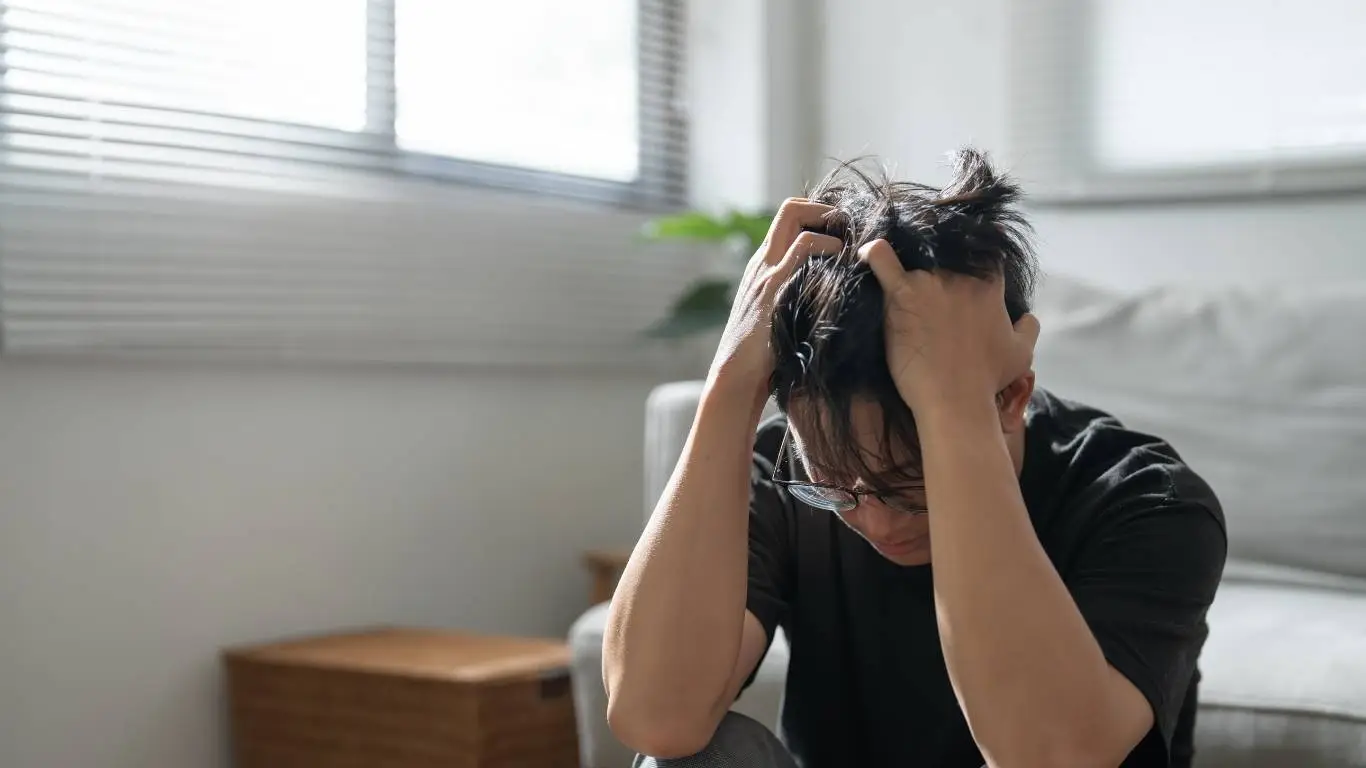
Fortunately, phobias are treatable — very treatable, in fact. But the best approach depends on the type and severity of the fear. The right treatment plan can transform your daily life in surprising ways. Here’s what actually works — not theoretical fixes, but proven, experience-backed methods that make a difference.
1. Cognitive Behavioral Therapy (CBT)
CBT is one of the most widely recommended tools for phobia treatment. It helps you identify negative thought patterns and reframe them in a more rational light. For me, learning to rewire the thought loop of “this plane is going to crash” into “this fear isn’t evidence of danger” was a game-changer. Here’s a solid breakdown of how CBT can work for anxiety.
2. Exposure Therapy
Sounds intimidating, right? But exposure therapy works by gradually and safely helping you face the object of your fear. The goal isn’t to throw you into the deep end — no one’s going to toss a spider on your lap or put you on a plane without warning. It’s a controlled, step-by-step process that builds confidence. Learn how exposure therapy gently guides you through those fears.
3. Medication Options
While meds aren’t a cure, they can be a helpful support, especially for those whose phobia causes intense physical symptoms. SSRIs and benzodiazepines are often prescribed to help reduce anxiety symptoms. But they’re not without drawbacks. This is where a conversation with your doctor — not Google — really matters. Take a closer look at SSRIs and their unexpected effectiveness or even the long-term concerns around benzodiazepine safety.
4. Breathing and Relaxation Techniques
Underrated? Completely. Breathing techniques helped me keep it together during airport check-ins. One favorite: the 4-7-8 breathing method — inhale for 4 seconds, hold for 7, exhale for 8. It’s amazing how something so simple can regulate your nervous system. Find others in this breathing guide.
5. Complementary and Alternative Therapies
Sometimes, mainstream medicine doesn’t fully address the emotional side of fear. That’s where practices like acupuncture or progressive muscle relaxation come in. They aren’t a magic bullet, but paired with therapy, they’re surprisingly effective. I never thought I’d say it, but acupuncture made a noticeable difference for me. Here’s what you should know about acupuncture for anxiety.
6. Nutritional Support
Let’s not ignore the role of food. Magnesium and omega-3 fatty acids may reduce anxiety symptoms naturally. A diet full of magnesium-rich foods helped stabilize my moods — leafy greens, almonds, even a bit of dark chocolate. Curious about the details? Read this insight on magnesium and anxiety.
Everyday Life and How Phobias Quietly Interfere
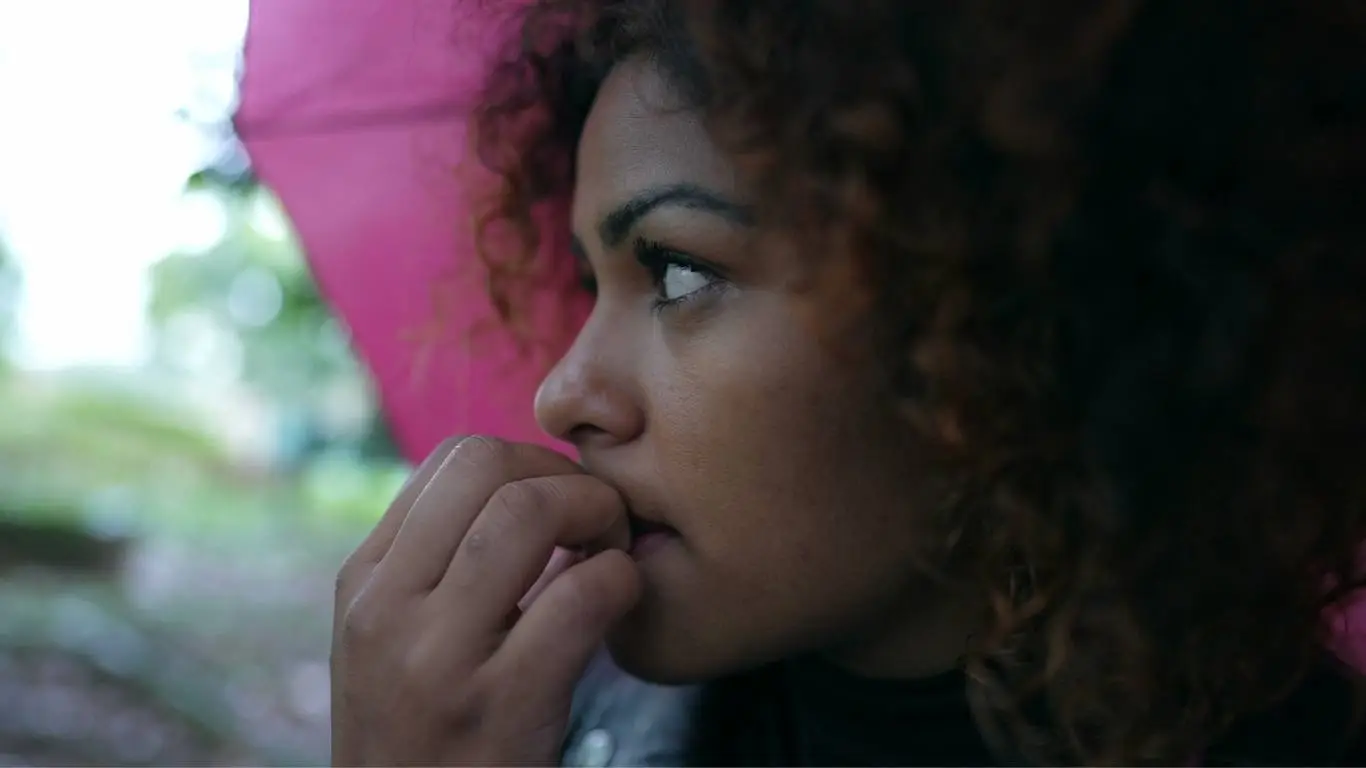
What’s rarely talked about is how phobias sneak into everyday life. You start avoiding certain routes, skipping events, or faking excuses. You start living around your fear instead of living fully. That kind of quiet disruption can have a deep impact on your mental health, relationships, and career. It’s a silent thief of joy. If this feels familiar, check out this powerful breakdown of how anxiety interferes with your routine.
Not Sure If It’s a Phobia?
If you suspect you’re dealing with more than “just nerves,” getting assessed is a good start. The process is straightforward, and the insight is often life-changing. This guide on diagnostic tests breaks it down in plain terms.
Learn More About Anxiety Disorders
If you’re looking to understand the bigger picture behind phobias and anxiety, dive into this pillar guide on diagnosis and see how anxiety quietly controls daily life far more than we admit.
And hey — if your journey’s anything like mine, just know: phobias aren’t a character flaw. They’re just something your brain is trying to protect you from — a little too aggressively. With the right help, that fear doesn’t have to win.
Making Phobia Treatment Part of Real Life (Without Making It a Project)

The biggest shift in my own phobia journey didn’t come from some grand breakthrough. It happened when I stopped treating therapy like a separate “thing” and started integrating it into my day-to-day life. That meant applying what I learned — like challenging irrational thoughts — on the fly, not just during a session.
Consistency beats intensity. You don’t need to go on a full-on retreat or schedule 12 hours a week with a therapist. It can start with five minutes of mindful breathing before a meeting, or choosing not to avoid that elevator, just this once. The more you flex that muscle, the more natural it feels.
Daily Habits That Quietly Rewire Fear
Phobia treatment doesn’t always look like “treatment.” Sometimes, it’s micro-decisions — showing up, speaking up, staying put — that retrain the nervous system over time.
- Micro-Exposure: Purposefully engage in small versions of your fear in low-stakes settings.
- Reflective Journaling: Log your triggers and reactions. It sounds cliché, but it makes patterns obvious.
- Support Networks: Whether it’s a close friend or online group, talking it out normalizes your experience.
- Sleep + Hydration: Not glamorous, but when your body is depleted, anxiety spikes.
- Limit Stimulants: Caffeine, energy drinks — they mimic anxiety symptoms. That morning coffee might not be helping.
And when you hit a wall (because we all do), don’t judge it. Progress isn’t linear. Some days I’d breeze through a crowded train station. Other days I couldn’t make it past the ticket gate. That doesn’t mean therapy failed — it means I was human.
Alternative Options Worth Exploring
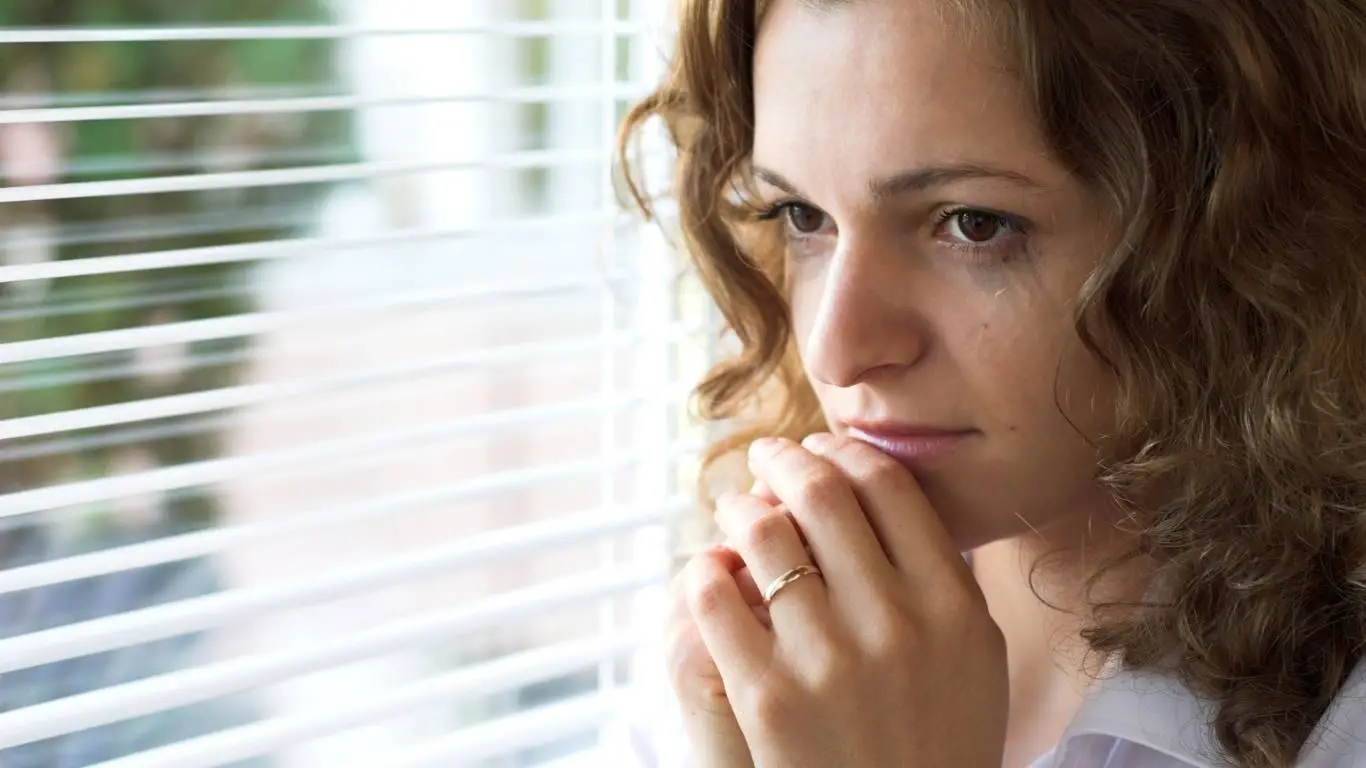
There are a few lesser-known phobia treatments that may not be front and center in every clinic, but they’re worth exploring — especially if traditional therapy hasn’t clicked for you.
1. Acupuncture and Body-Based Therapies
This one surprised me. I went in skeptical and came out — if not cured — definitely calmer. Acupuncture can stimulate parts of the brain linked to stress regulation. While the evidence is still growing, many people (myself included) find it complements other treatments beautifully. Explore how acupuncture might ease phobia-related anxiety.
2. Herbal and Natural Remedies
While supplements won’t fix a deep-rooted phobia, some can reduce the intensity of your symptoms. Think valerian root, passionflower, or even chamomile. Just be mindful of interactions, especially if you’re already on meds. Here’s a useful guide to herbal anxiety remedies.
3. Diet Adjustments
Your gut and brain are more connected than we used to think. Inflammation, blood sugar spikes, and deficiencies can all aggravate anxiety. Incorporating omega-3s and magnesium-rich foods — like spinach, salmon, and even avocado — became part of my long-term game plan. Check out how omega-3s help naturally.
Recognizing When to Seek Extra Support

It’s easy to downplay the severity of a phobia — especially if you’ve been quietly living around it for years. But sometimes, we need more than self-help strategies. If your phobia is interfering with your work, your relationships, or even basic errands, it’s time to speak with a professional. You deserve a life that isn’t dictated by avoidance.
Psychologists can tailor treatment plans specifically to your situation, combining therapy, medications, and sometimes even virtual reality simulations (yes, really). Learn more about the medical side of things in this detailed guide on anxiety treatment options.
Digital Tools That Can Help
From guided exposure apps to mindfulness platforms, technology is catching up to mental health needs. Some apps walk you through graded exposure therapy exercises, others help track triggers and progress. No app replaces a trained therapist, but it can absolutely be part of your toolkit.
When Fear Shows Up in Disguise

Here’s something people don’t talk about enough: phobia-related anxiety often mimics other conditions. Dizziness, chest tightness, even numbness — I once spent an ER visit thinking I was having a heart attack. Turned out it was anxiety. Misdiagnosing anxiety as a physical issue is more common than you’d think. Dive deeper into this overlooked reality here.
In other words, your body isn’t betraying you — it’s reacting to a perceived threat. Understanding that distinction was one of the most freeing parts of my recovery. I still get anxious sometimes, but I no longer spiral from it.
Putting It All Together (And Moving Forward)
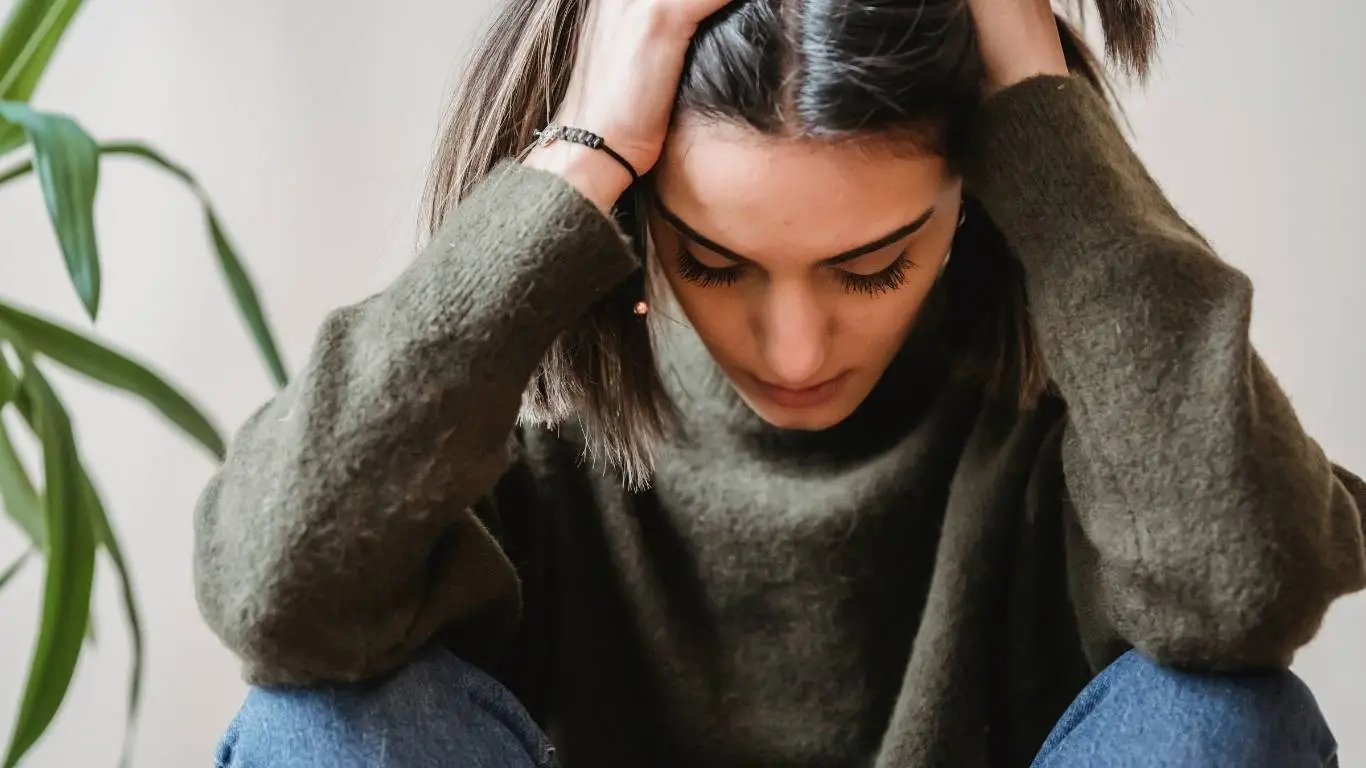
No single method fixes phobias for everyone. The key is customizing a plan that fits your life, your triggers, and your pace. Whether you lean toward therapy, lifestyle changes, or a mix of everything, the point is this: phobias don’t have to be permanent. They’re patterns — and patterns can change.
To take your understanding further, I highly recommend reading this lifestyle-based guide to anxiety for simple, actionable strategies that actually blend with daily life. It’s one of the few resources that treats recovery as a long game — not a quick fix.
Also, if you want to understand how these fears can stealthily dominate your world, this main pillar article on anxiety’s hidden power is a must-read.
One step at a time, one choice at a time — that’s how you shrink fear down to size. And trust me, life on the other side of avoidance? It’s better than you remember.

Camellia Wulansari is a dedicated Medical Assistant at a local clinic and a passionate health writer at Healthusias.com. With years of hands-on experience in patient care and a deep interest in preventive medicine, she bridges the gap between clinical knowledge and accessible health information. Camellia specializes in writing about digestive health, chronic conditions like GERD and hypertension, respiratory issues, and autoimmune diseases, aiming to empower readers with practical, easy-to-understand insights. When she’s not assisting patients or writing, you’ll find her enjoying quiet mornings with coffee and a medical journal in hand—or jamming to her favorite metal band, Lamb of God.