How Art Therapy Eases Anxiety Without Feeling Like a Therapy Session
When I first heard someone say they painted their way out of an anxiety spiral, I thought they were joking. Turns out, they were on to something real. If you’ve ever stared at a blank page feeling overwhelmed, anxious, or just mentally cluttered, there’s a good chance art therapy might be the unexpected ally you didn’t know you needed. I started dabbling in it during a particularly rough season in my life, and let me tell you—it wasn’t about being Picasso. It was about peace. This article dives into how art therapy for anxiety management actually works and why it’s more than just adult coloring books.
How Art Therapy Helps Ease Anxiety
There’s something deeply grounding about creating. Art therapy isn’t just about drawing or painting—it’s a psychological approach that uses the creative process to help individuals explore their emotions, develop self-awareness, manage stress, and enhance mental well-being. It’s less about the final result and more about what happens in your brain and body while you’re creating.
When you’re anxious, your brain goes into overdrive—racing thoughts, rapid heartbeat, spiraling fears. Art therapy gives that hyperactivity a safe place to go. Engaging in visual creation can help:
- Redirect negative thought patterns
- Release built-up stress
- Improve focus and presence
- Encourage emotional expression without words
In fact, researchers from the National Institutes of Health have shown that visual arts can regulate the nervous system and enhance mood through dopamine release. For someone with anxiety, that’s a powerful shift.
Real Talk: My Personal Anxiety and Art Story
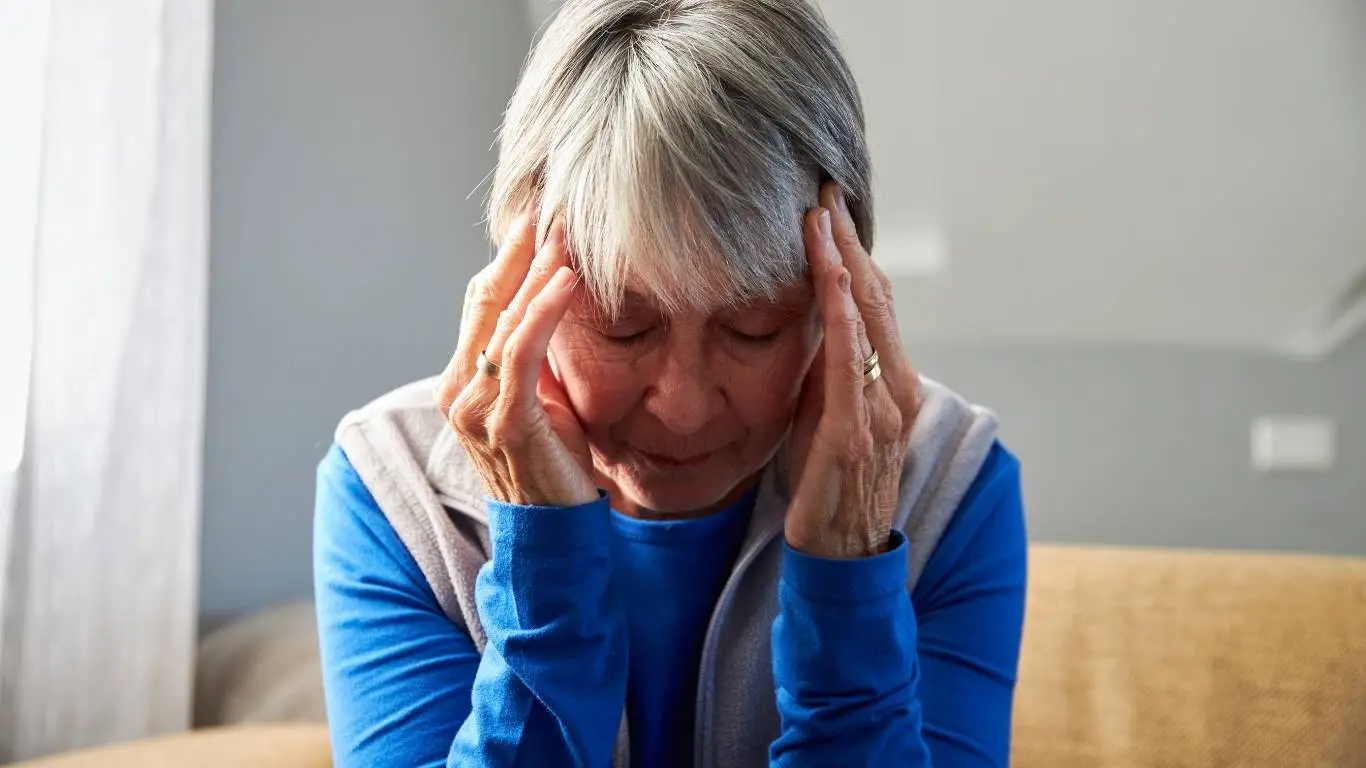
A few years ago, I was stuck in this loop of anxious mornings and restless nights. Talking felt exhausting. Journaling helped a bit, but it didn’t go deep enough. A therapist recommended art therapy. At first, I hesitated. I hadn’t picked up a paintbrush since high school. But I gave it a shot. One evening, I sat with a box of cheap watercolors and just painted what I felt—anger, fear, hope—all of it swirled together. And something shifted. It was quiet in my head for once.
Since then, I’ve turned to creative exercises during high-stress times. No rules. No pressure. Just color, texture, and freedom. You’d be surprised what shows up when you let your inner self speak without words.
Art Therapy Techniques That Actually Help
1. Guided Visual Journaling
This is like regular journaling, but with colors and symbols. You sketch what you’re feeling or use collage and textures. The goal isn’t perfection—it’s expression. Want to dive deeper into tools that help? The GAD-7 questionnaire can be a helpful self-check alongside art practice.
2. Mandala Drawing
Drawing repetitive patterns like mandalas can calm the mind, similar to how meditation works. It creates structure, rhythm, and a bit of quiet. This technique is commonly used in both solo and group therapy sessions for its grounding effect.
3. Clay Work or Sculpture
Working with your hands using clay, kinetic sand, or even dough can ease anxious energy. The tactile sensation anchors your awareness in the now—a key to easing mental spirals.
4. Emotional Color Mapping
Use color to reflect different emotional states. Feeling panicky? Assign it a color and let it out on paper. It’s a direct way to process what’s internal without needing words. Pairing this with breathing techniques can be especially effective (see how breathing helps here).
Why It Works Even If You’re Not “Creative”
Let’s clear this up—you don’t need to be artistic for art therapy to help. This isn’t about talent. It’s about process. A recent APA survey highlighted that people engaging in non-verbal emotional outlets reported better emotional regulation. Art is intuitive. It taps into areas of the brain untouched by words or logic.
For some, the simple act of scribbling a line repeatedly becomes meditative. For others, it’s building a visual diary over time. I’ve met people who use magazine clippings, dried flowers, fabric scraps—anything tactile to anchor themselves. It’s deeply personal and endlessly adaptable.
Combining Art Therapy with Other Treatments

While art therapy is powerful on its own, it shines even brighter when combined with other approaches. Cognitive behavioral therapy (CBT), for instance, pairs well with visual expression. You analyze the thoughts behind your creation, connect patterns, and develop self-regulation strategies. If you’re exploring broader therapy options, this guide on CBT steps is a great read.
Some people also use it alongside lifestyle tweaks. Think magnesium-rich diets (check this list), mindfulness, and gentle movement. These combined paths can be especially effective when tailored to your unique needs.
To see a bigger picture of how lifestyle, therapy, and nutrition work together, the article on lifestyle and self-help for anxiety ties it all together seamlessly.
Of course, none of this means anxiety will disappear overnight. But it gives you tools—real ones—to loosen its grip. I didn’t believe it at first either, until I started waking up without that familiar tightness in my chest.
There’s also a lot more to how anxiety plays out in daily life than we often admit. It’s worth reading the deeper breakdown in this article on daily anxiety impact, which helps you connect the dots you may have missed.
Creative Routines That Lower Daily Anxiety

You don’t need a therapy appointment to use art for your mental health. Building small, consistent creative routines into your day can dramatically lower baseline anxiety levels. I started with 10-minute sketch breaks during lunch—no agenda, just whatever came to mind. Over time, those small moments became emotional resets.
Here are a few simple routines you can try:
- Morning Color Flow: Before checking your phone, grab a marker or pastel and just scribble. Let your hand move freely. It sets the tone for less reactive mornings.
- Emotion Collage: End your day by creating a tiny collage that reflects what you felt. Use old magazines, scraps, receipts—anything around you. It’s a great decompression habit.
- Watercolor Worries: Assign each anxious thought a color, then paint swirls or shapes. I call this “color flushing” because it literally drains my worry onto the page.
If you struggle with panic symptoms or physical tension, pairing creative time with mindfulness tools can work wonders. I often combine art sessions with progressive muscle relaxation for a full-body reboot.
What to Expect from Working with an Art Therapist
While self-led art therapy is effective, there’s another level of support that comes from working with a certified art therapist. These professionals combine psychotherapy with creative exploration to help you process trauma, manage symptoms, and develop healthy emotional tools.
In sessions, you might be asked to:
- Draw or sculpt a recent anxiety episode
- Use metaphors or symbols to represent emotions
- Explore past experiences through imagery
- Create safe-space artwork that grounds you
The experience is often non-linear. You might spend weeks exploring grief through charcoal textures, or recreate your comfort zone using clay. That’s part of the healing process. It’s not about making pretty art. It’s about truth-telling—safely, privately, and creatively.
And if you’re skeptical about talk therapy but crave emotional release, art therapy can be a bridge. It helps open up internal conversations without needing perfect words.
Who Can Benefit the Most from Art Therapy for Anxiety?

Honestly, I think almost anyone living in today’s over-stimulated world could benefit. But art therapy is particularly effective for:
- People who struggle to articulate emotions verbally
- Those with childhood trauma or PTSD triggers
- Teens and young adults with social anxiety
- Adults managing work-related stress or burnout
- Folks with chronic health conditions tied to anxiety
One of the most overlooked connections I’ve come across is how deeply childhood trauma affects adult anxiety. Through imagery, many people reconnect with those younger parts of themselves and begin healing in ways talk therapy alone didn’t unlock.
In group settings, art therapy also provides community. There’s solidarity in knowing you’re not alone in your mental mess. Sometimes just sitting in silence, creating together, says more than any words could.
Support Tools That Complement Art Therapy

Art therapy isn’t a standalone fix—it works best when you curate a support system around it. Some people respond better when they combine creative sessions with:
- Herbal remedies for natural calming support
- Prescribed SSRIs for long-term balance
- Complementary therapies like acupuncture or aromatherapy
- Journaling or mood tracking apps
- Ambient music playlists or sound healing
Personally, I pair art with movement. A slow stretch or short walk before sitting down to create clears the fog. It’s like preparing the mind to open up. There’s no rigid rule—just find what steadies you.
When Art Therapy Becomes a Lifestyle
Over time, art therapy stops feeling like a “treatment” and starts becoming part of your identity. You begin to recognize your emotional cycles visually. I can look back at a sketch and immediately remember where I was mentally that week. It’s like an emotional journal without the pressure of writing things out clearly.
It becomes a safe ritual. Your markers, canvases, pens—whatever your tools are—they start to feel like allies. I even have a little corner in my apartment now that’s purely for “mental exhale” time. And when life gets heavy, I know where to go.
If you’re wondering whether anxiety is subtly controlling your days, you’re not alone. This main article on anxiety in daily life highlights how often we adapt to anxiety without realizing it.
And for a fuller look into holistic strategies—including lifestyle shifts that support your creative healing—don’t miss this helpful pillar on anxiety lifestyle and self-help. It connects the dots in a way that’s genuinely useful without being overwhelming.

Camellia Wulansari is a dedicated Medical Assistant at a local clinic and a passionate health writer at Healthusias.com. With years of hands-on experience in patient care and a deep interest in preventive medicine, she bridges the gap between clinical knowledge and accessible health information. Camellia specializes in writing about digestive health, chronic conditions like GERD and hypertension, respiratory issues, and autoimmune diseases, aiming to empower readers with practical, easy-to-understand insights. When she’s not assisting patients or writing, you’ll find her enjoying quiet mornings with coffee and a medical journal in hand—or jamming to her favorite metal band, Lamb of God.