Why Presbyopia and Floaters Are Getting Worse After 40
If you’re over 40 and suddenly noticing that your eyes are pulling a few tricks on you — blurry close-up vision and those pesky drifting specs floating across your view — trust me, you’re not alone. I remember the first time I saw a tiny shadow dart across my vision while reading a menu. Thought it was a bug. Nope — it was my first floater. Combine that with the joy of presbyopia (a fancy way of saying age-related farsightedness), and it felt like my eyes had joined a midlife rebellion. But here’s the thing — presbyopia and floaters are more connected than most people realize. Let’s break this down, casually and clearly, because this duo can be super confusing.
Understanding Presbyopia: Why the Fine Print Gets Fuzzier
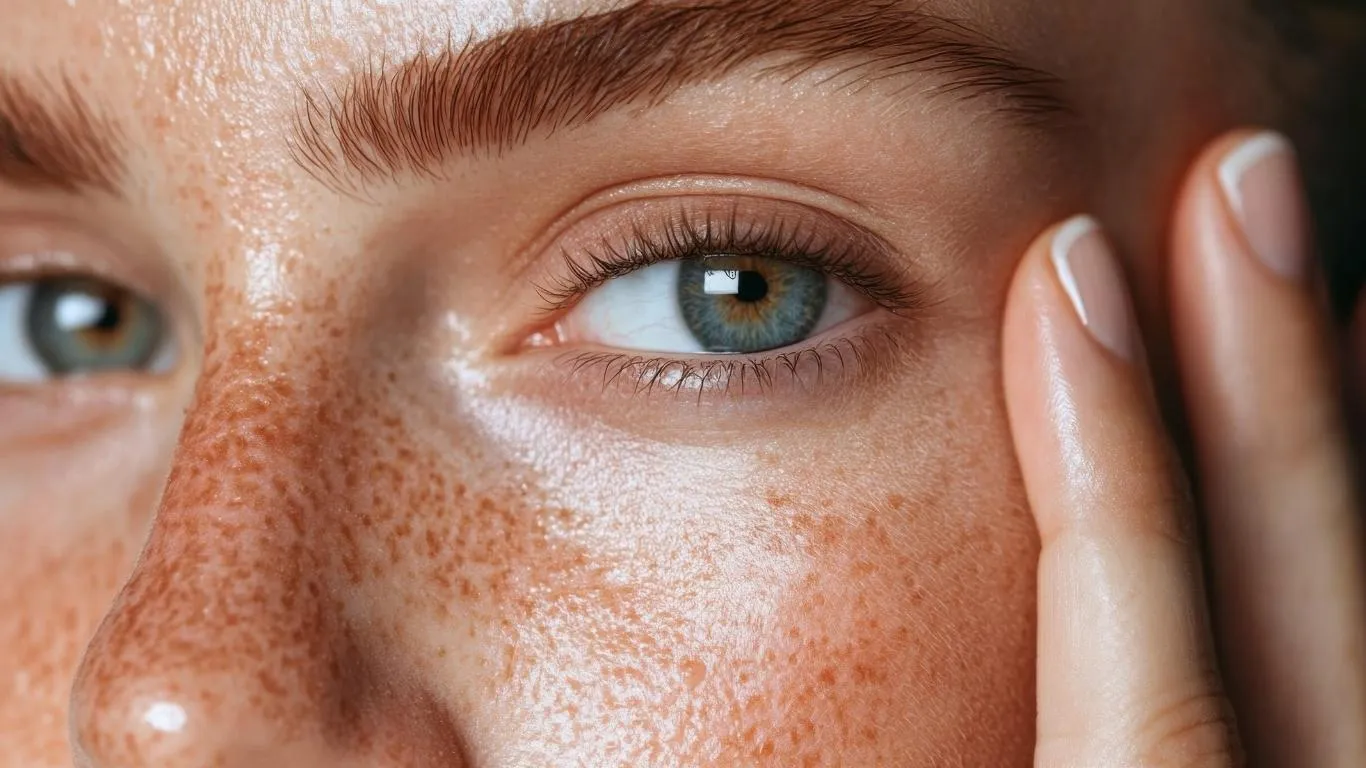
Presbyopia happens when the lens inside your eye becomes less flexible. Around your 40s or 50s, you’ll start stretching your arm further just to read a message. The ciliary muscle that helps the lens change shape for near vision just doesn’t bounce back like it used to.
What It Feels Like
- Difficulty reading menus or phone screens without squinting
- Eye strain or mild headaches after reading
- A noticeable difference in focusing speed when switching between near and far objects
It’s a totally normal part of aging, and nearly everyone goes through it. What’s frustrating is that it often sneaks up on you — one day you’re reading fine, the next you’re borrowing your kid’s reading glasses.
Floaters: The Annoying Shadows That Drift Into View
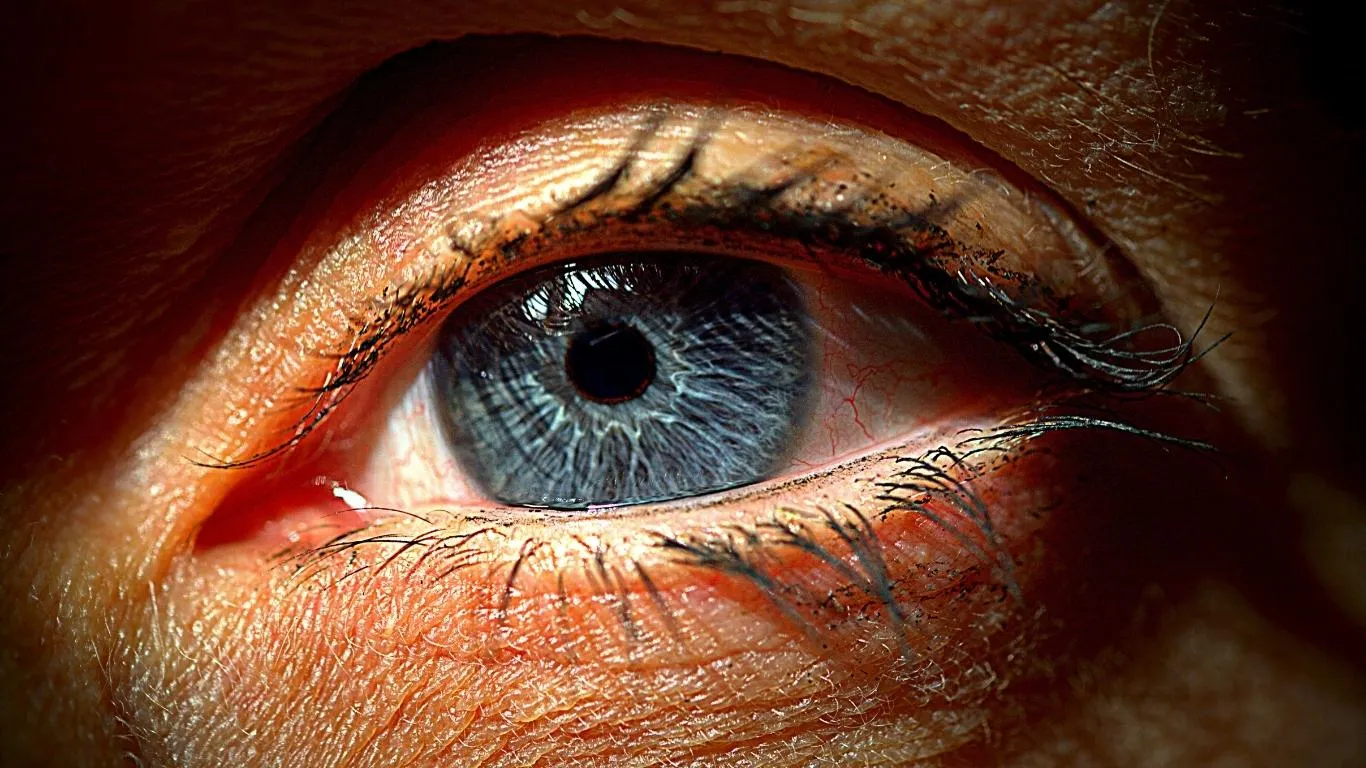
Floaters are those random squiggles, dots, or cobweb-like shadows that glide across your vision. They’re more noticeable when you look at a bright background, like a white wall or the sky. They aren’t actually on the surface of your eye — they’re tiny bits of collagen or gel clumps floating in the vitreous (the clear gel that fills your eyeball).
I started getting them more often around the same time my presbyopia kicked in. Apparently, I wasn’t imagining the timing. Age-related changes in the eye can lead to both conditions. One particularly eye-opening read that explained this well was this article on vitreous changes and floaters.
Common Causes of Floaters (Beyond Just Aging)
- Posterior vitreous detachment (PVD)
- Eye trauma or injury
- Diabetes-related eye changes
- Eye surgeries like cataract or LASIK
And for anyone wondering — yes, floaters can pop up after things like PRK or LASIK. Here’s a great breakdown from this PRK-related floater guide.
So, Are Presbyopia and Floaters Related?
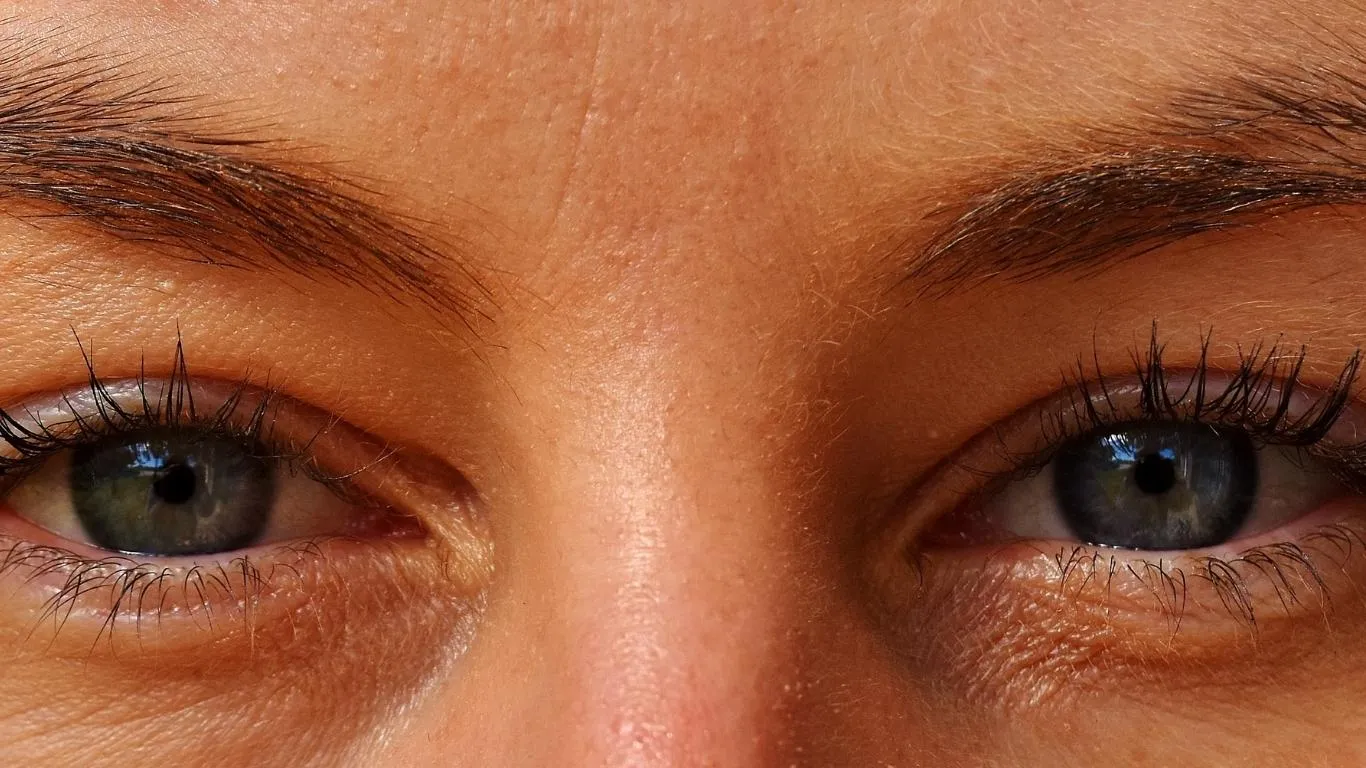
They don’t cause each other directly, but they often show up together — especially in your 40s or 50s. Why? Because the underlying factor is the same: aging eyes. Your lens stiffens, your vitreous starts to shrink and pull away from the retina, and boom — vision issues double up. If you’ve ever sat there wondering, “Why am I squinting to read *and* seeing ghosts in my vision?” — you’re basically describing this combo.
Another piece that helped me connect the dots was this in-depth post: Common Causes of Eye Floaters. It ties together floaters with all sorts of root causes, from normal age to more serious issues like retinal tears.
When You Should Actually Be Concerned
Not all floaters are benign. Here’s when to see a doc:
- You suddenly see a shower of new floaters
- There’s a flash of light or curtain effect in your vision
- Your vision gets blurry or partially lost
This could be a retinal detachment in progress, which is an emergency. Here’s a guide on recognizing warning signs.
Impact on Daily Life: Reading, Driving, and Screens
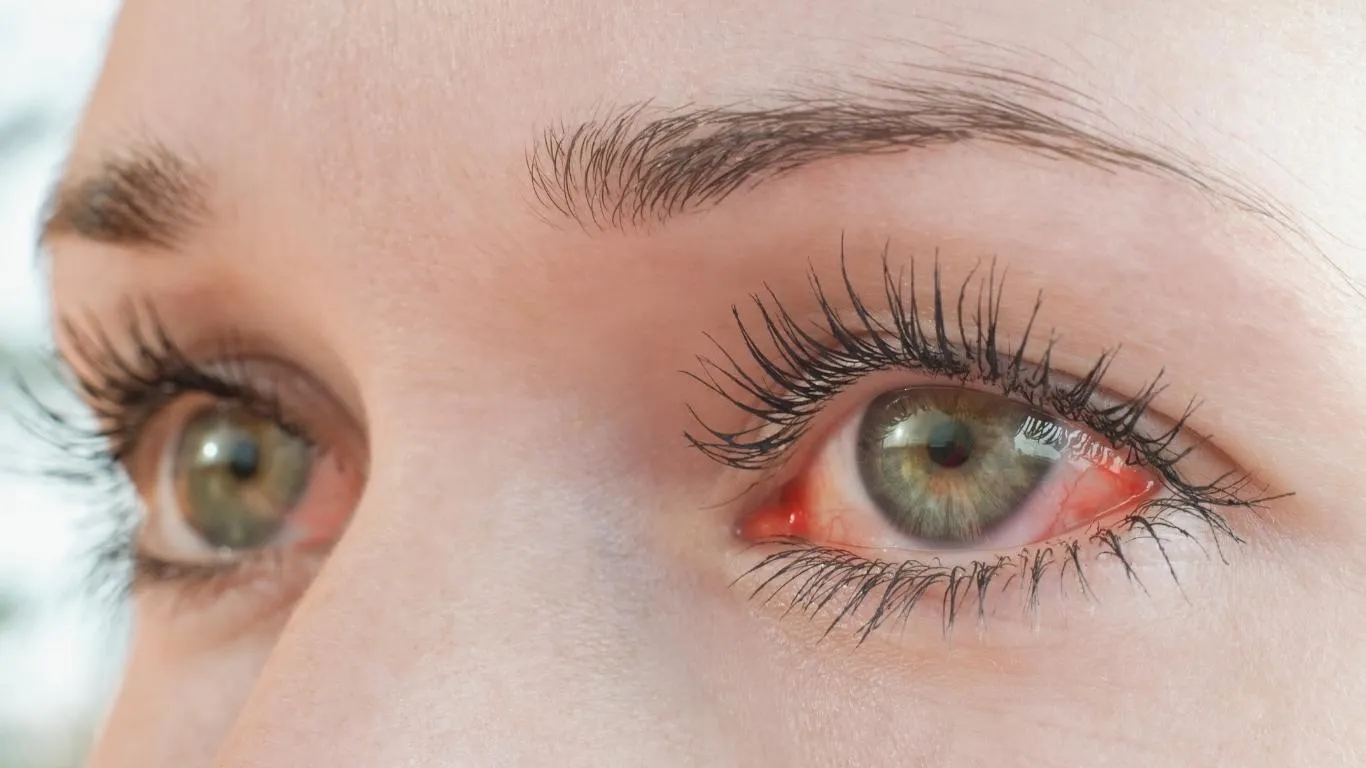
The combo of floaters and presbyopia is more than annoying — it changes how you interact with the world. Reading becomes slower. You second-guess smudges on your glasses. Driving into the sun? Good luck ignoring those shadows dancing in your peripheral vision.
My workaround? A pair of progressive lenses and adjusting lighting whenever possible. Still, floaters can sneak in even with perfect lighting. Screen time is also a factor — spending hours in front of a monitor definitely makes them more noticeable.
Managing Floaters and Presbyopia: What Actually Works
There’s no one-size-fits-all fix, but there are a few tricks that make life easier:
For Presbyopia:
- Reading glasses — basic but game-changing
- Progressive lenses — if you don’t want to keep switching glasses
- Contact lens options — like multifocal or monovision setups
For Floaters:
- Ignore them (hard, but often the best approach)
- Vitrectomy — a more aggressive treatment for severe cases
- Laser vitreolysis — controversial, but used in some clinics
This treatment guide walks through the spectrum of options really well.
And if you’re curious about all-round floaters info, from causes to symptoms and when to worry, the full guide at Eye Floaters: Causes, Symptoms, and Treatment Options is a great deep dive.
Also, I highly recommend checking the more comprehensive discussion here: How to Recognize Eye Floaters — especially if you’re spotting new ones or have any weird flashes of light.
Can You Prevent Floaters or Presbyopia From Getting Worse?
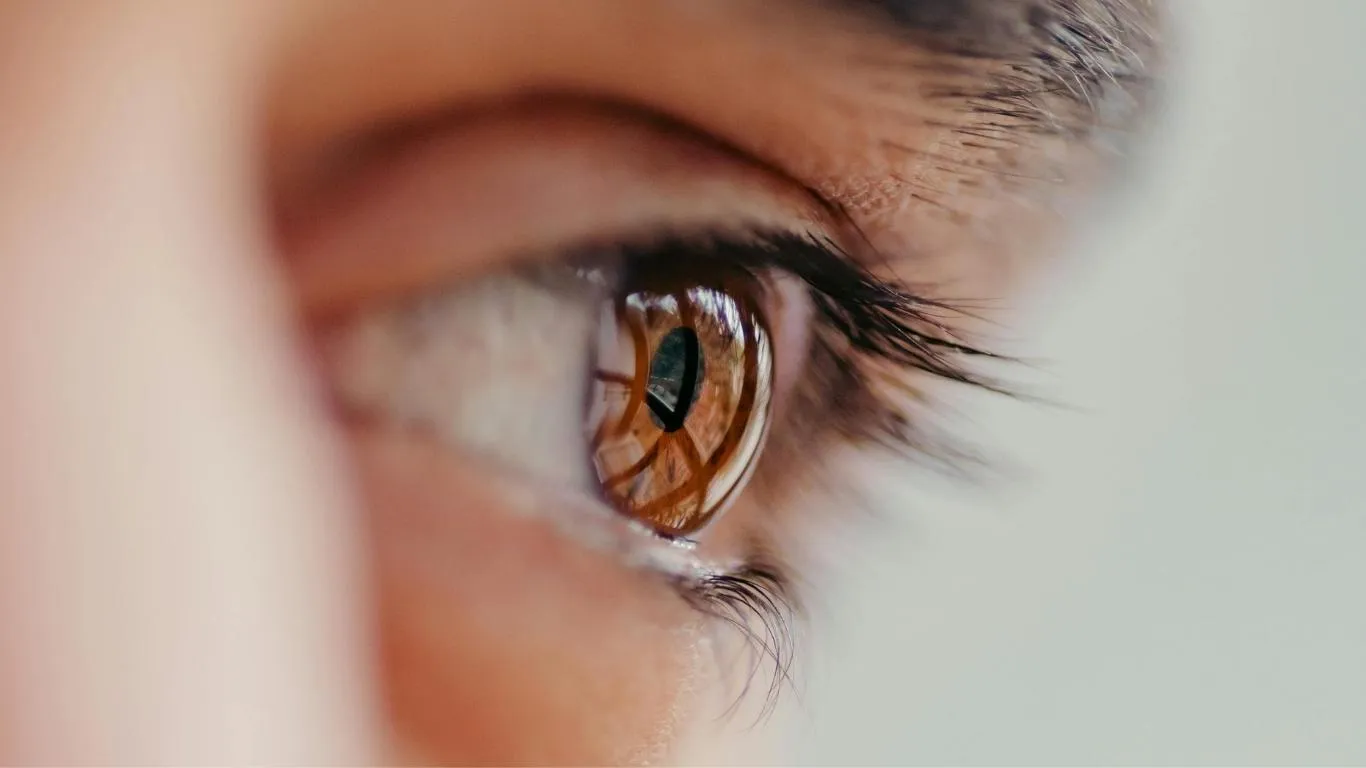
Here’s the honest truth — you can’t stop aging, but there’s a lot you can do to slow down the speedometer. Presbyopia and floaters might show up no matter what, but certain habits can make a difference in how fast or how severely they progress. When I started wearing blue light filters and bumped up my omega-3 intake, I genuinely noticed my eyes felt less strained at the end of the day. That wasn’t a placebo — it was smarter eye care.
Daily Habits That Support Eye Health
- Eat more leafy greens – lutein and zeaxanthin are your retina’s best friends
- Hydrate like you mean it – dehydration makes floaters way more noticeable (read more here)
- Protect your eyes from UV – sunglasses aren’t just a fashion flex
- Limit screen time – and use the 20-20-20 rule religiously
Also, it might sound too simple, but getting enough sleep genuinely helps. I’ve had floaters appear more prominently after sleepless nights, and there’s actually a whole post on that.
Supplements and Nutrition: Can They Actually Help?
The supplement aisle can be overwhelming. Fish oil, lutein, bilberry, astaxanthin… sound familiar? I went through the phase of popping everything that had a label suggesting “eye support.” But the truth is, only a few are actually backed by research. According to American Academy of Ophthalmology, omega-3s and antioxidants (like vitamins C and E) can play a helpful role, especially in age-related changes.
One thing I never considered before researching this? Blood sugar balance. Turns out diabetes is a major contributor to floater development. The article on how diabetes affects floaters was an eye-opener for me — pun fully intended.
Best Eye-Friendly Nutrients
- Omega-3 fatty acids (DHA, EPA)
- Lutein and Zeaxanthin
- Vitamin C, E, and zinc
- Astaxanthin (powerful antioxidant)
But remember, supplements support — they don’t reverse. Consistency and a healthy lifestyle matter more than any single pill.
When It’s More Than Just “Normal Aging”
One of the biggest mistakes people make — including myself early on — is assuming all floaters and blurry vision are just “getting older.” That’s not always true. Sometimes, floaters are red flags for deeper issues like uveitis, retinal tears, or even autoimmune diseases.
Floaters tied to autoimmune disease can sneak up without other symptoms. And while I haven’t had to deal with that personally, a friend who did ended up needing more than just glasses — she needed systemic treatment.
And presbyopia? If it’s paired with eye strain that never goes away, or if your vision shifts drastically within months, that might be something else entirely. The key is not guessing. Regular eye exams matter more than Google searches (as much as I love a good search session).
New Treatments and Future Options
If you’ve reached the point where floaters are messing with your daily life — you’re not stuck. The medical world is catching up fast. One newer treatment getting buzz is laser vitreolysis. It’s non-invasive and zaps floaters with a laser. Pretty wild, right?
It’s not for everyone, though. You need a specific type of floater and a well-positioned one. And risks, while small, are still there. This guide breaks down options clearly, from conservative to surgical.
Other Innovations in the Pipeline
- Pharmacological agents – eyedrops in trials that may reduce floaters
- Adjustable intraocular lenses – for post-cataract presbyopia
- AI-assisted diagnostics – faster detection of retinal issues
For those curious about the role of cataract surgery in floaters, here’s something super relevant: floaters after cataract surgery is more common than people think.
Living With Both: Practical Tools That Help
Living with presbyopia *and* floaters doesn’t mean you’re doomed to bad vision forever. You just need to adapt — and sometimes laugh it off. I now carry two pairs of glasses: one for reading, one for screens. Yes, it’s a bit nerdy. But I can see clearly, and that’s worth it.
Real-Life Tips That Actually Work
- Increase screen font sizes (seriously, why are default sizes still so tiny?)
- Use tinted lenses or filters to reduce floater contrast
- Practice regular eye yoga or blinking exercises
- Keep your glasses clean — the dirtier they are, the worse floaters seem
Also, if your floaters ever suddenly change shape, color, or movement, that’s not “just aging.” It could be a retinal tear brewing — worth checking fast.
Want to learn more about how floaters differ from other vision issues? This is one of the clearest resources I found: Floaters vs. Other Eye Problems.
For a solid foundation on understanding presbyopia and floaters as age-related visual companions, don’t skip this comprehensive guide: Eye Floaters Causes & Treatments.
And if you’re wondering about all the red flags or just need to stay aware of when floaters might mean something worse, here’s a must-read: When Eye Floaters Are Dangerous.

Camellia Wulansari is a dedicated Medical Assistant at a local clinic and a passionate health writer at Healthusias.com. With years of hands-on experience in patient care and a deep interest in preventive medicine, she bridges the gap between clinical knowledge and accessible health information. Camellia specializes in writing about digestive health, chronic conditions like GERD and hypertension, respiratory issues, and autoimmune diseases, aiming to empower readers with practical, easy-to-understand insights. When she’s not assisting patients or writing, you’ll find her enjoying quiet mornings with coffee and a medical journal in hand—or jamming to her favorite metal band, Lamb of God.