Racing Heart Anxiety Cause That Feels Scary But Is Surprisingly Common
Ever been lying in bed or sitting calmly when—bam—your heart suddenly starts pounding like it’s racing a marathon you didn’t sign up for? I’ve been there. That terrifying moment when your pulse takes off, your chest tightens, and you’re sure something’s wrong… but the doctors say your heart is fine. Welcome to the frustrating reality of racing heart anxiety cause, where your own mind tricks your body into thinking it’s in danger. It’s not just “in your head”—this is very real, very physical, and something more people silently deal with than we think.
What Does a Racing Heart from Anxiety Actually Feel Like?

Let me just say it straight: when anxiety causes your heart to race, it doesn’t feel like “just stress.” It can feel terrifying. Personally, I used to get these episodes after work—no warning, no drama, just a boom in my chest. It felt like a mix of being startled and sprinting all at once. Your heart beats harder, sometimes irregularly, and it’s impossible not to focus on it.
And of course, your mind spirals: “Is this a heart attack?” “Should I call an ambulance?” But if this has happened more than once, your EKG is clean, and your cardiologist says it’s anxiety—believe them. The sensation may be real, but the danger likely isn’t.
Common Physical Sensations That Tag Along
- Shortness of breath or chest tightness
- Dizziness or lightheadedness
- Cold sweats or flushed skin
- Tingling fingers or a lump in the throat
This collection of symptoms can mimic real cardiac distress, which is exactly why it’s so scary. But once you recognize it as anxiety, you can start to take back control.
Why Does Anxiety Cause Your Heart to Race?

The human body is wild. It’s all because of the fight-or-flight response. When your brain perceives danger—real or imagined—it signals your adrenal glands to dump stress hormones like adrenaline and cortisol into your bloodstream. These chemicals tell your heart to pump harder, your breathing to quicken, and your muscles to get ready to move.
Thing is, anxiety hijacks this system. There’s no lion chasing you, no emergency, just your thoughts racing… and your heart thinks it needs to keep up. This is what leads to a psychogenic tachycardia—a fancy term for heart racing due to emotional or mental triggers.
Some Specific Anxiety Triggers That Set It Off
- Social situations (especially if you’re introverted or have past trauma)
- Overthinking health symptoms (health anxiety is real and brutal)
- Sleep deprivation or irregular sleep patterns
- Excess caffeine or sugar—yep, guilty here!
- Stressful environments like traffic, airports, or tight deadlines
Interestingly, chest pain and a racing heart often come together during anxiety attacks, making things even more confusing.
It’s Not All in Your Head—It’s in Your Brain Chemistry

This part is fascinating (and something I didn’t understand until I dove into it). Neurotransmitters like norepinephrine, serotonin, and GABA play crucial roles in regulating your heartbeat and your mood. When anxiety messes with your brain chemistry, it can create a domino effect that makes your heart race for no physical reason.
In fact, research published by the National Institutes of Health has shown how panic disorder and generalized anxiety disorder (GAD) patients often experience autonomic nervous system dysregulation—meaning their “rest vs. panic” system isn’t working like it should.
That’s why doctors may recommend treatment targeting the brain, not the heart. This might include therapy, medication, or lifestyle changes.
Can It Really Mimic a Heart Attack?

Unfortunately, yes. And here’s where it gets tricky: anxiety-related palpitations can make people think they’re dying. I’ve personally been to the ER more than once, convinced my heart was failing—only to be told I was fine.
It’s a scary truth that anxiety and heart attacks can share symptoms. However, a few signs can help differentiate:
Quick Comparison: Anxiety vs. Heart Attack
- Anxiety: Rapid onset, often triggered by stress or emotion, improves with distraction or breathing exercises
- Heart attack: Gradual pressure or pain, especially radiating to arm/jaw, often with nausea or extreme fatigue
If you’re not sure, always get checked. Better safe than sorry. But once ruled out, you’ll feel more confident managing the next episode—especially with grounding techniques and knowledge.
Want to learn more about how anxiety symptoms can sneak into physical health? Check out this guide on anxiety symptoms that many people overlook.
What Really Helped Me Slow It Down

I’ll be honest: no one-size-fits-all solution exists. But these three tools worked wonders for me over time—
1. Breathing Techniques That Actually Work
It sounds cliché until you try it during an episode. I used this breathing method (4 in, hold for 4, out for 4, hold for 4) daily for a month. Huge difference. Slowing your breath tells your body there’s no danger, even if your brain isn’t convinced yet.
2. Rewiring My Thoughts with CBT
Going through cognitive behavioral therapy helped me catch and challenge my “What if I die?” thoughts. Over time, they lost their grip. You don’t need to be in crisis to start therapy—it’s like building emotional armor before the storm hits.
3. Making Peace with the Triggers
Instead of fighting the sensations, I started observing them. Anxiety always feeds off fear. I learned this trick in acceptance and commitment therapy, which teaches you to ride the wave instead of resisting it. I even started journaling my symptoms and realized they often passed faster when I just let them be.
For a more complete picture of how anxiety hijacks your body and mind, you might want to explore our main pillar on anxiety disorders as well.
Long-Term Solutions to Stop Anxiety-Driven Heart Racing

Once I knew anxiety was behind the racing heart, the next question was: how do I stop it from hijacking my body again? Let’s be honest—no one wants to feel like they’re about to collapse every time stress hits. The key for me was building a long-term routine that supported calm from the inside out. No quick fixes here, just consistent stuff that actually works.
I started by working with a therapist, cutting back on caffeine (yes, it was hard), and cleaning up my sleep routine. Little by little, the episodes became less frequent, and eventually, they didn’t control me anymore.
1. Nutrition Matters Way More Than You Think
What you eat feeds your mind just as much as your body. I didn’t believe it until I saw the difference myself. Ditching refined sugar, balancing blood sugar, and adding foods rich in magnesium and omega-3s really helped keep my nervous system chill.
You can dive deeper into how nutrition affects mental health in our anxiety diet and nutrition pillar.
2. Physical Movement That Grounds You

I used to think workouts were only about weight loss. But turns out, regular movement is a massive anxiety-fighter. I’m not talking about intense gym sessions—just daily walks, yoga, and even light stretching can regulate your heart rate and reduce cortisol.
Try practicing yoga specifically for anxiety or even progressive muscle relaxation. These grounding techniques remind your body it’s safe, even when your mind is in chaos.
3. When Medication Makes Sense
I was hesitant at first, but let’s normalize this: sometimes, medication is not only helpful—it’s necessary. My therapist explained that certain SSRIs can help regulate the brain’s response to fear and panic. And she was right—my experience with SSRIs wasn’t scary at all. It actually helped me find stability while I worked on other lifestyle shifts.
Others find relief with beta-blockers, especially for performance anxiety or social events. The point is: if your anxiety is affecting your heart and daily life, talk to your doctor about treatment options.
Understanding When It’s Panic Disorder

Here’s the thing—if your heart races randomly, not just during high stress, it might be more than general anxiety. It could be panic disorder, which I didn’t even know was a thing until my therapist brought it up. People with panic disorder often experience sudden, intense attacks that feel out of the blue—and yes, they often start with a racing heart.
Understanding the root cause can make all the difference. You can learn more in this helpful breakdown of panic disorder vs. heart attacks.
Signs Your Anxiety Might Be a Panic Disorder
- Episodes seem to come out of nowhere
- Fear of the next attack starts to control your behavior
- You avoid places or situations just in case
- You’ve had multiple clean heart checkups but still worry
Getting a diagnosis changed the game for me. It gave me something to work with, not just something to fear. And the treatment plan became way more targeted after that.
The Role of Sleep and Caffeine in Heart Palpitations

Listen, I love coffee—but caffeine and anxiety don’t mix. It took me months (and many jittery afternoons) to accept that. High caffeine intake can overstimulate your nervous system and mimic symptoms of anxiety—including a racing heart. That’s why I now stick to caffeine-free alternatives that still give me that cozy “ritual” feeling without the panic side effects.
And don’t get me started on sleep. If you’re not sleeping well, your cortisol levels spike, your heart gets sensitive, and you’re far more reactive to stress. After I made sleep a non-negotiable priority—consistent schedule, phone-free nights, magnesium—it became way easier to manage anxious heart rhythms.
How Journaling Gave Me a Pattern to Trust
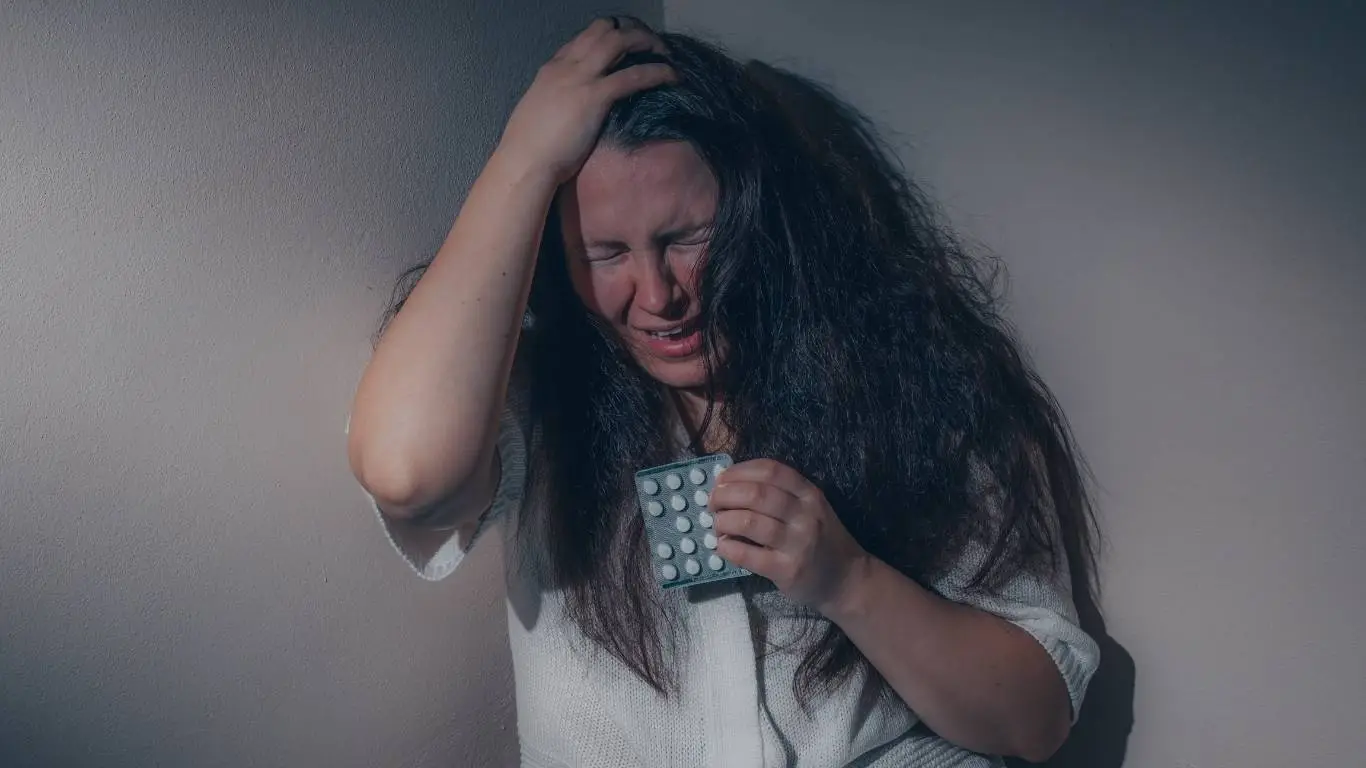
This one’s underrated. For months, I kept a journal of every episode—what I ate, how I slept, stress levels, and how long it lasted. Over time, clear patterns started showing up. I noticed my heart raced most after arguments, late-night scrolling, and high-carb dinners. With that info, I started tweaking things.
Journaling gave me back a sense of control, and helped my doctor personalize my treatment too. If you’re curious, here’s a deeper dive into how journaling helps with anxiety.
Building a Life That Doesn’t Feed Anxiety

Eventually, the goal becomes not just reacting to the anxiety—but creating a life that doesn’t feed it. For me, this meant leaving a toxic job, learning to say “no” without guilt, and surrounding myself with people who don’t drain me. Little lifestyle upgrades like using soft lighting, practicing gratitude at night, and planning downtime into my calendar made a big difference.
Sometimes people underestimate lifestyle changes—but they’re powerful. You don’t have to change everything overnight. Just start small, be consistent, and trust your body will catch up.
Also, if you’re looking to understand more about the core types, causes, and treatment frameworks for anxiety, you’ll want to check out our guide to anxiety disorder diagnosis and assessment.
For the full scope of how anxiety shapes daily life and what to do about it, don’t miss this main article on anxiety’s hidden impact.

Camellia Wulansari is a dedicated Medical Assistant at a local clinic and a passionate health writer at Healthusias.com. With years of hands-on experience in patient care and a deep interest in preventive medicine, she bridges the gap between clinical knowledge and accessible health information. Camellia specializes in writing about digestive health, chronic conditions like GERD and hypertension, respiratory issues, and autoimmune diseases, aiming to empower readers with practical, easy-to-understand insights. When she’s not assisting patients or writing, you’ll find her enjoying quiet mornings with coffee and a medical journal in hand—or jamming to her favorite metal band, Lamb of God.