
Why Macular Edema Floaters Can Disrupt Your Daily Vision
I never really thought much about the dark specks drifting across my vision—until they started to stick around. You know that feeling when you rub your eyes and see shadows or lines dancing for a second? These weren’t like that. They lingered. At first, I shrugged them off as just floaters, but when things began to blur a little in the center, and I started seeing those same floaters more frequently, I had to pay attention. Turns out, I wasn’t just dealing with common eye floaters. It was something more specific: macular edema floaters. And trust me, they’re not something you want to ignore.
What Are Macular Edema Floaters, Really?
Floaters are annoying enough on their own, but when you combine them with macular swelling—the hallmark of macular edema—you’ve got a more serious vision issue on your hands. The macula is the tiny part of your retina responsible for your sharpest vision. When it swells due to leaking fluid from damaged blood vessels (common in diabetes, vein occlusion, or post-surgical trauma), vision clarity starts to tank.
Macular edema floaters feel different. It’s not just the shadows; it’s this soft fog that sits dead center in your field of view. Combine that with drifting specks or stringy lines, and daily tasks—from reading to driving—turn frustrating fast.
What It’s Like to Live With Macular Edema Floaters

For me, mornings were the worst. The light from my phone screen would hit my eyes, and immediately, those floaters would swirl in and obscure everything. Driving with glare? A nightmare. Reading a book? Forget it. If I stared at a bright surface, the floaters would just float there stubbornly, overlapping with the slight blur in the center of my vision. It felt like someone had smudged a fingerprint on my eye and it wouldn’t wipe off.
And it’s not just about annoyance. This kind of visual disruption can be a sign of underlying conditions that need medical attention—fast. Think about diabetic retinopathy, retinal vein occlusion, or inflammation from conditions like uveitis. All of these can lead to macular edema, and if left unchecked, vision loss isn’t just possible—it’s likely.
What Causes Macular Edema and Floaters to Collide?

Sometimes floaters are innocent—just bits of collagen clumping together in the vitreous. But when you have macular edema in play, especially from inflammatory or vascular causes, those floaters become warning flags. Why?
- Retinal inflammation causes swelling, leading to visual distortion and fluid leakage.
- Vitreous detachment (often a result of edema or aging) can release debris into your vision.
- Microscopic hemorrhages from damaged vessels add blood cells to the mix, appearing as new floaters.
In my case, it was mild retinal vein occlusion. That’s what started the domino effect. I learned from my ophthalmologist that even mild trauma to retinal blood vessels could cause enough leakage to swell the macula and trigger these symptoms. I later found out it’s not uncommon—especially for those with high blood pressure or diabetes. This article nails that connection perfectly.
Spotting the Signs Early

One mistake I made? Waiting. Thinking it would go away. If I had known what to watch for, maybe I’d have avoided some damage. Here are signs that your floaters might be more than just age-related:
- New floaters appearing suddenly, especially after trauma or surgery
- Blurry or wavy vision in the center of your sight
- Changes in color perception or difficulty focusing on fine details
- Seeing floaters along with light flashes or dark curtain-like shadows
If any of these sound familiar, don’t brush them off. According to the American Academy of Ophthalmology, vision-threatening issues like retinal tears and macular edema often show up first as changes in floaters and visual clarity.
Diagnosis: What the Eye Doctor Really Looks For
Let’s talk tests. You walk in complaining about floaters and slight blur, and the ophthalmologist doesn’t just give you a flashlight eye test and send you home. Here’s what actually happens:
- Dilated Eye Exam: to view the retina and macula in detail
- Optical Coherence Tomography (OCT): a non-invasive scan to detect macular swelling
- Fluorescein Angiography: to pinpoint leaking blood vessels in the retina
That OCT scan was a game changer for me. The swelling was obvious, right there in high-def. And it was comforting in a weird way—finally seeing what was going on and realizing it wasn’t just in my head.
Treatment Options That Work (and What Didn’t)
Managing macular edema floaters often means treating the underlying cause of the swelling. The floaters themselves? They may or may not go away, but here’s what helped in my case:
- Anti-VEGF Injections: Help reduce abnormal vessel growth and leakage.
- Corticosteroid Eye Injections: Useful if inflammation is the root cause. But they can also trigger floaters if overused.
- Laser Therapy: Mostly reserved for retinal vein occlusion-related cases.
- Monitoring: Sometimes, mild macular edema can resolve on its own if the underlying cause is addressed.
There’s no magic bullet, unfortunately. But if you’re dealing with persistent floaters and visual distortion, start by reading this overview of treatment options—it helped me understand why certain treatments were better suited for my case than others.
And if you’re just beginning to understand floaters in general, this comprehensive guide on eye floaters is a solid starting point.
Can Floaters from Macular Edema Go Away?

This was one of the first things I asked after my diagnosis. “Will these floaters disappear?” And the answer? Maybe. In some cases, floaters related to macular edema—especially those caused by minor hemorrhages or inflammation—can fade as the underlying issue is treated. But they don’t always vanish completely.
Some floaters are reabsorbed naturally by the eye over weeks or months. Others just sink below your line of sight and stop bothering you. But if you’ve had them for a while, or they’re from vitreous detachment, odds are they’ll stick around in some form.
That’s why managing post-inflammation floaters is so important. The goal is to improve your quality of life, even if complete elimination isn’t possible.
Can You Prevent Macular Edema Floaters?
Once you’ve had floaters from macular edema, prevention becomes your new best friend. Here’s what I’ve learned (the hard way):
- Control your blood sugar and blood pressure. These two are huge. Uncontrolled diabetes or hypertension increases your risk of vessel damage.
- Protect your eyes during sports or risky activities. Blunt trauma can lead to hemorrhages that cause floaters and edema.
- Limit screen time and eye strain. While it won’t cause floaters directly, it can make them more noticeable. This article dives deeper into the screen-floaters connection.
- Stick to follow-up appointments. If you’ve had a retinal issue once, regular monitoring with an ophthalmologist is key.
And one more tip from personal experience—hydrate. I noticed flare-ups when I was dehydrated for long periods. It’s not just a wellness cliché; dehydration does seem to make floaters worse.
When Floaters Mean a Bigger Problem
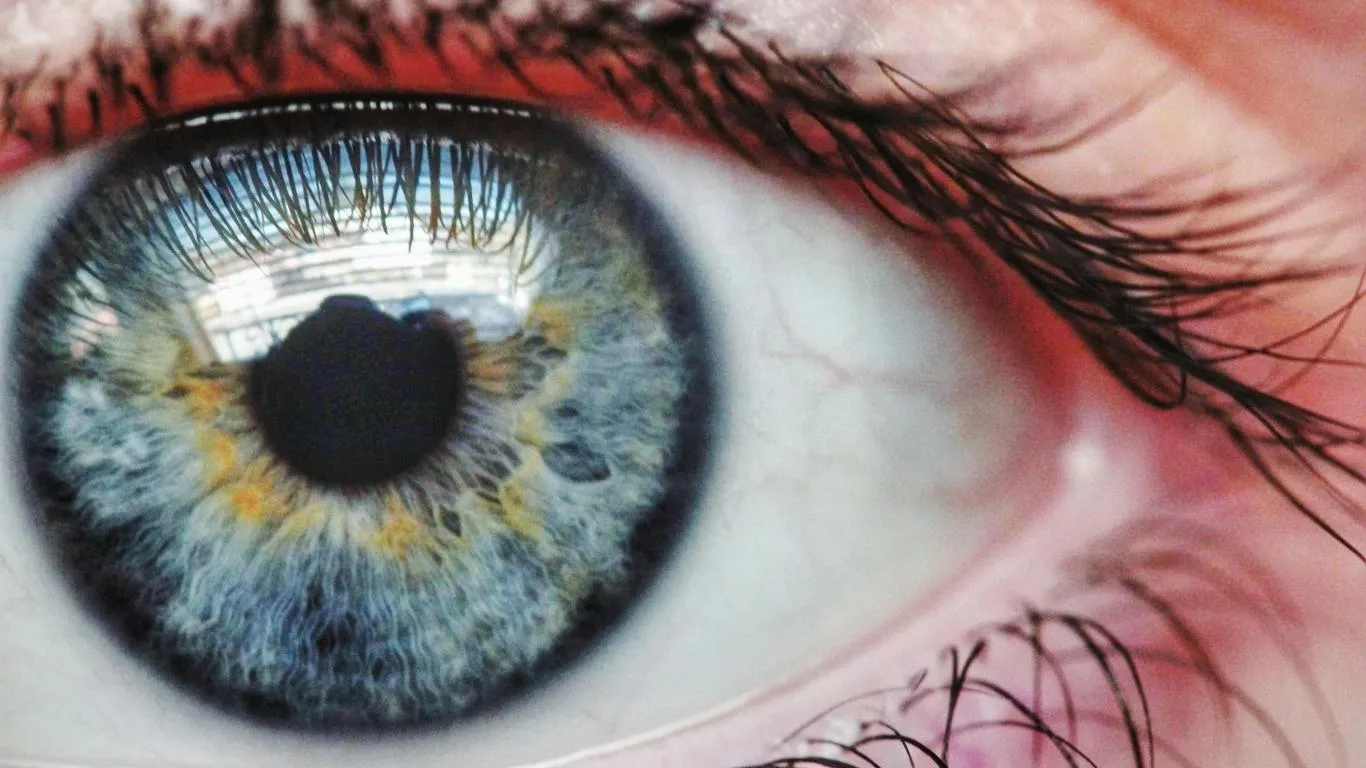
Here’s something that not enough people talk about: floaters can be a red flag. Not always, but sometimes they’re the first sign of something more dangerous. If you suddenly see:
- Dozens of floaters at once
- Flashes of light
- A shadow or curtain in your vision
It might not just be edema—you could be dealing with a retinal tear or detachment. I had one friend who dismissed sudden floaters and ended up needing emergency surgery. Thankfully he caught it in time, but he still struggles with night vision now.
The takeaway? If your floaters change drastically, don’t wait. Call your doctor.
Living with Floaters Without Losing Your Mind
I won’t sugarcoat it—living with floaters isn’t fun. But over time, I’ve learned how to work around them. Here’s what’s worked for me:
- Adjusting lighting: Avoid bright, backlit settings where floaters are most visible.
- Using matte backgrounds: On screens or books, reduces contrast that makes floaters pop.
- Vision training: Eye movement exercises helped me “see past” some of the floaters.
- Blue light filters: These made my screen time less irritating when floaters were active.
I’ve also tried herbal supplements, but results were… meh. Maybe placebo, maybe not. But if you’re going that route, read this first: Are natural remedies for floaters legit? It’ll save you from wasting money.
Can Surgery Fix It?

Ah yes, the big question: Should I just get the surgery?
The truth is, vitrectomy (the surgical removal of the vitreous) can eliminate floaters, but it’s not typically recommended for floaters alone unless they’re severely impacting quality of life. Why? Because it comes with risks—retinal detachment, infection, cataract development. I considered it at one point, but after reading the data and talking with two retina specialists, I decided to manage my symptoms conservatively instead.
Still, in extreme cases—especially when macular edema is severe and long-lasting—your doctor might suggest combining surgery with injections or other therapies. You’ll want to read this balanced breakdown on eye floater treatment options before making a decision.
Macular Edema and Floaters: Who’s Most at Risk?

Floaters tied to macular swelling don’t just show up randomly. Certain groups are more likely to deal with them. These include:
- People over 50
- Individuals with diabetes
- Anyone who’s had recent eye surgery, especially cataract or LASIK (yes, it happens)
- Those with chronic inflammation or autoimmune conditions
If you’re in any of those buckets, floaters plus blurry vision should be a wake-up call. Here’s a full breakdown of causes that’ll help you dig deeper.
Don’t Wait Until It Gets Worse

Here’s the thing: if you’re noticing floaters and any hint of central blurriness, don’t let it slide. I waited months thinking I just needed better lighting or a stronger glasses prescription. But floaters from macular edema don’t improve on their own without addressing the cause.
If you’re wondering where to begin, start with the main article on floaters. It lays a solid foundation. Then head over to the treatment page and begin mapping your options.
Trust me, your future vision is worth it.

Camellia Wulansari is a dedicated Medical Assistant at a local clinic and a passionate health writer at Healthusias.com. With years of hands-on experience in patient care and a deep interest in preventive medicine, she bridges the gap between clinical knowledge and accessible health information. Camellia specializes in writing about digestive health, chronic conditions like GERD and hypertension, respiratory issues, and autoimmune diseases, aiming to empower readers with practical, easy-to-understand insights. When she’s not assisting patients or writing, you’ll find her enjoying quiet mornings with coffee and a medical journal in hand—or jamming to her favorite metal band, Lamb of God.