
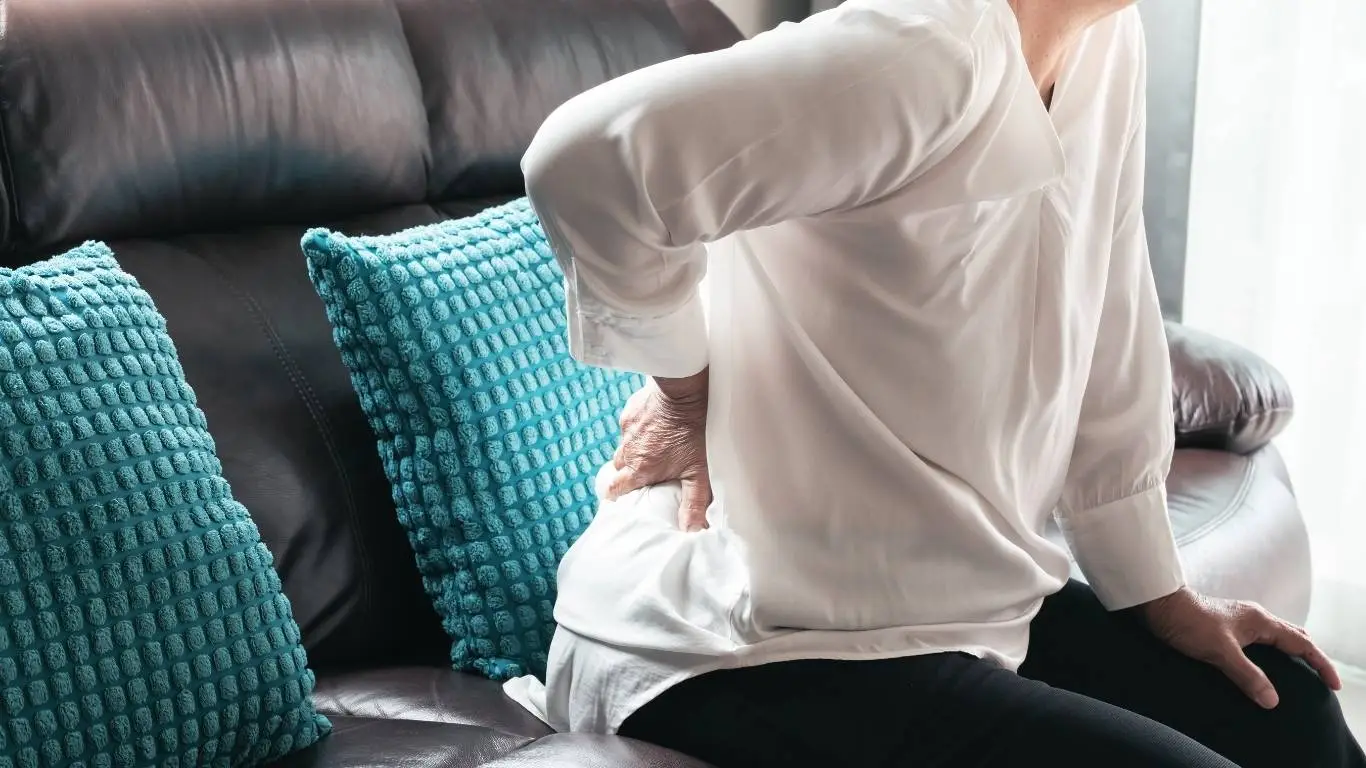
Causes of Back Pain: Key Triggers, Risk Factors & Solutions
Introduction
Back pain is a widespread issue affecting millions of people worldwide, but understanding what causes it is the first step toward effective relief. While back pain can stem from a simple strain, it may also signal an underlying condition requiring prompt treatment. This article explores the primary causes of back pain, helping you identify triggers and take control of your spinal health.
Whether your pain started suddenly or has developed gradually, pinpointing its origin is crucial for choosing the right treatments and avoiding chronic discomfort. In this two-part guide, we’ll break down mechanical, structural, and medical causes of back pain — starting here with muscular issues and spinal disc problems.
Why Understanding Causes Matters
Knowing what’s behind your back pain allows you to make informed decisions about treatment and prevention. For example, back pain from poor posture might improve with ergonomic changes and exercises, while pain caused by a herniated disc could need medical intervention. Without identifying the cause, you risk worsening the problem or missing an opportunity for early treatment.
Back pain can arise from multiple overlapping factors — muscle imbalances, disc issues, arthritis, or even lifestyle habits like prolonged sitting or smoking. By recognizing which causes apply to your situation, you can break the cycle of pain and regain control over your daily life.
Muscular and Mechanical Causes
Muscle and ligament problems are the most common causes of acute back pain. Everyday movements, poor lifting techniques, or even sudden awkward motions can overstretch or tear muscles and ligaments supporting the spine.
Common Scenarios Leading to Muscle Strain:
- Improper lifting: Bending from the waist instead of the knees places excessive stress on spinal muscles.
- Repetitive movements: Activities like gardening or repetitive twisting can gradually fatigue back muscles.
- Sports injuries: High-impact sports or sudden changes in direction can cause muscle sprains or tears.
Symptoms of muscle-related back pain often include localized aching, stiffness, or spasms that worsen with certain movements but improve with rest. A 2012 study published in the journal Spine found that muscle strains are responsible for nearly 70% of acute lower back pain cases.
Muscle Imbalances and Weak Core
Weak core muscles can force the lower back to compensate, leading to chronic strain. Over time, imbalances between opposing muscle groups — like tight hip flexors paired with weak glutes — pull the pelvis out of alignment, increasing stress on the lumbar spine. Addressing these imbalances through targeted strength and flexibility exercises can reduce pain recurrence and improve posture.
According to the American College of Sports Medicine, strengthening the abdominal, gluteal, and lower back muscles can reduce back pain episodes by 25–35% in adults with recurrent pain.
Spinal Disc Problems
Intervertebral discs act as shock absorbers between vertebrae, providing flexibility and cushioning. When these discs become damaged, they can cause significant back pain and nerve-related symptoms.
Herniated or Bulging Discs
A herniated disc occurs when the soft inner gel-like center (nucleus pulposus) protrudes through a tear in the outer ring (annulus fibrosus), potentially pressing on nearby spinal nerves. This can cause pain radiating into the buttocks or legs (sciatica), numbness, tingling, or muscle weakness.
Herniated discs most commonly affect the lumbar spine (lower back) but can also occur in the cervical spine (neck). Risk factors include aging, heavy lifting, obesity, and sedentary lifestyles. Studies estimate that up to 2% of adults experience a herniated disc each year, with men aged 30–50 at highest risk.
Degenerative Disc Disease (DDD)
As we age, spinal discs naturally lose water content and elasticity, reducing their ability to absorb shock. This condition, called degenerative disc disease, can cause chronic low back pain, stiffness, and reduced flexibility. While DDD is part of the normal aging process, factors like smoking, poor posture, and previous back injuries can accelerate disc degeneration.
Unlike herniated discs, degenerative disc pain is often more persistent and worsens with prolonged sitting, bending, or lifting. Imaging studies like MRI scans can confirm disc degeneration and help guide treatment decisions, which often include physical therapy, lifestyle changes, and, in severe cases, surgical interventions.
Understanding how spinal discs function and fail is essential for choosing effective treatments. Addressing contributing factors early can slow degeneration and reduce long-term pain.
Structural Problems Affecting the Spine
Beyond muscles and discs, structural abnormalities in the spine can cause persistent or worsening back pain. These issues may develop during childhood, result from injuries, or progress with age.
Scoliosis and Kyphosis
Scoliosis is a sideways curvature of the spine, while kyphosis refers to an excessive forward rounding of the upper back. Both conditions alter spinal alignment, leading to uneven pressure on muscles, discs, and joints, which can cause pain and reduced mobility.
Mild cases may only require monitoring, but severe curves can cause chronic discomfort or even impact breathing. Bracing or surgery may be recommended in progressive or symptomatic cases, especially in children and adolescents.
Spondylolisthesis
Spondylolisthesis occurs when one vertebra slips forward over the one below it, often due to stress fractures (spondylolysis) or age-related degeneration. This instability can compress nerves, causing lower back pain, leg weakness, and difficulty standing or walking for extended periods.
Spinal Stenosis
Spinal stenosis is the narrowing of the spinal canal, which can compress nerves and lead to pain, numbness, or weakness. It’s most common in people over 50 as degenerative changes reduce space around the spinal cord or nerve roots. Symptoms often worsen with walking or standing but improve when sitting or bending forward (a posture that widens the spinal canal).
Recognizing structural problems early can help prevent progression and guide effective treatment plans, including physical therapy, activity modification, or surgery if conservative measures fail.
Medical and Systemic Conditions
Some causes of back pain arise from systemic diseases or medical conditions unrelated to the spine’s structure. Identifying these conditions is crucial, as treating the underlying cause can provide relief and prevent complications.
Arthritis
Osteoarthritis can break down cartilage in spinal joints, leading to stiffness, swelling, and pain. Inflammatory types of arthritis, such as rheumatoid arthritis or ankylosing spondylitis, can also affect the spine, causing chronic inflammation, pain, and fusion of vertebrae in severe cases.
Osteoporosis
Osteoporosis weakens bones, making them more susceptible to compression fractures in the spine. These fractures often cause sudden, severe back pain, loss of height, or a stooped posture. Preventing bone loss through diet, exercise, and medication when needed can reduce fracture risk.
Infections and Tumors
Though rare, infections (such as osteomyelitis or discitis) and tumors (benign or cancerous) can develop in or near the spine, leading to severe, unrelenting back pain often accompanied by fever, night sweats, or unexplained weight loss. These symptoms warrant urgent medical evaluation and treatment.
Other systemic conditions like kidney stones, abdominal aortic aneurysms, or gynecological disorders can also refer pain to the back, highlighting the importance of thorough medical evaluation for new or severe symptoms.
Lifestyle and Risk Factors for Back Pain
Even when structural or medical issues aren’t present, certain lifestyle factors can increase the risk of developing back pain or exacerbate existing issues.
Poor Posture
Prolonged slouching while sitting, standing, or using electronic devices strains spinal muscles and discs. Over time, poor posture can weaken core muscles and lead to chronic pain. Simple corrections, like sitting with your feet flat and shoulders relaxed, can make a significant difference.
Obesity
Excess weight increases the load on spinal joints, muscles, and discs, accelerating wear and tear. Maintaining a healthy weight reduces pressure on the spine, lowers inflammation, and decreases the likelihood of back pain.
Smoking
Smoking reduces blood flow to spinal tissues, slows healing, and contributes to disc degeneration. Research shows smokers have a significantly higher risk of chronic back pain compared to non-smokers.
Inactivity and Weak Muscles
Sedentary lifestyles weaken core and back muscles, increasing the risk of injuries during daily activities. Regular physical activity, stretching, and strength training improve spinal stability and resilience.
Occupational Factors
Jobs involving repetitive lifting, bending, twisting, or prolonged sitting (such as driving or desk work) can cause or worsen back pain. Ergonomic adjustments, like using supportive chairs or practicing proper lifting techniques, are key preventive measures.
Understanding these lifestyle and occupational risks empowers you to make small changes with big impacts on spinal health.
Conclusion
Back pain is often the result of a combination of factors — from muscle strains and disc issues to structural problems, medical conditions, and lifestyle habits. Identifying and addressing the underlying causes is essential for lasting relief and preventing recurrence.
If you experience persistent, severe, or unexplained back pain, consult a healthcare provider to rule out serious conditions and create a personalized treatment plan. By staying active, maintaining good posture, and addressing contributing factors early, you can protect your spine and enjoy a healthier, more comfortable life.
For more information on managing back pain and specific treatment options, visit our Back Pain Pillar Page and related clusters.