
Kidney Disease Floaters May Be a Sign Your Eyes Are Warning You
So, there I was, sitting on the couch one weekend, sipping tea and scrolling through my phone, when out of nowhere, I noticed this weird little squiggle drifting across my vision. At first, I thought it was a strand of hair, but nope—it moved when I moved my eyes. Floaters, huh? I’d heard of them before, but what truly surprised me was that my doctor later connected them to something I never expected: kidney disease. That was the first time I realized how deeply connected our vision is to our overall health. If you’ve ever wondered what’s going on when floaters show up, especially if you’re dealing with kidney issues, this one’s for you.
Can Kidney Disease Really Affect Your Vision?
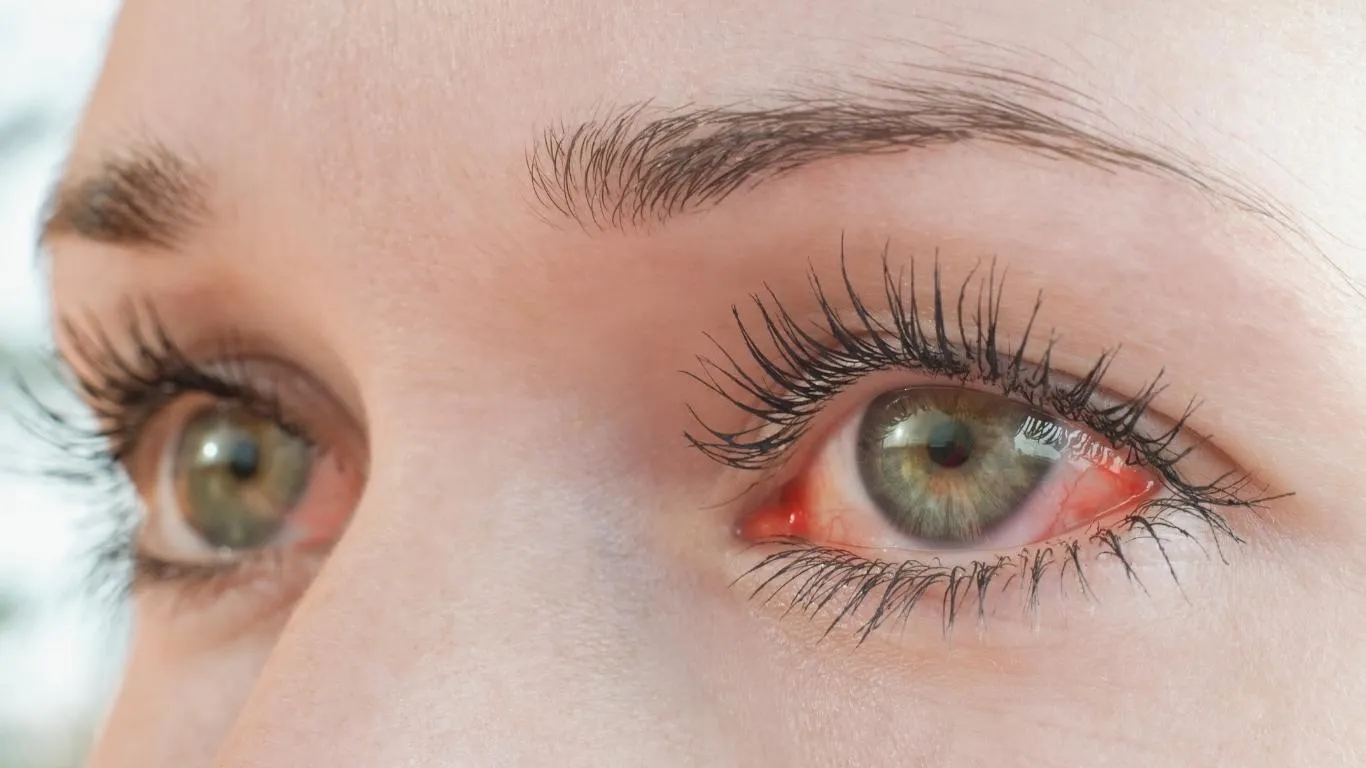
Yes, it can—and that’s not just coming from me. There’s increasing evidence that systemic conditions like chronic kidney disease (CKD) can impact ocular health. It’s not just about your kidneys; it’s about how your blood vessels, including the tiny ones in your eyes, respond to changes happening throughout your body.
When your kidneys aren’t functioning properly, toxins and waste products that should be filtered out can linger. These waste materials can cause vascular inflammation, oxidative stress, and microvascular damage—all of which may eventually show up in your eyes. In fact, researchers are finding that the eyes may serve as an early warning system for systemic conditions like CKD.
So, if you’re dealing with floaters and have a history of kidney issues—or are at risk—it’s worth digging deeper. Eye floaters could be more than just an annoying dot dancing in your line of sight.
Why Do People With Kidney Disease See Floaters?
This isn’t just anecdotal—there are biological mechanisms at play. People with kidney disease often experience:
- Retinal microaneurysms caused by hypertension (which commonly accompanies CKD)
- Uremic toxins affecting the retinal layers and vitreous
- Electrolyte imbalances disturbing fluid balance in ocular tissues
- Accelerated aging of the vitreous body, which leads to floaters
Think of the vitreous in your eye like a gel. Over time, or under stress from metabolic issues, that gel can shrink and form clumps or fibers. These cast shadows on your retina—and voilà, you’ve got floaters. But when kidney disease accelerates that process, it’s no longer just an aging concern.
Warning Signs You Shouldn’t Brush Off
If you’re noticing floaters alongside these symptoms, take it seriously:
- Sudden increase in floaters
- Blurred or foggy vision
- Seeing flashes of light
- Difficulty seeing at night
These could indicate retinal damage, or worse, a retinal tear or detachment. And yes, retinal tears have been linked to conditions exacerbated by kidney disease.
If that sounds familiar, check out this article about floaters as a sign of retinal tears. It’s a must-read, especially if you’re balancing CKD with vision changes.
But What’s the Actual Link Between Kidneys and Eyes?
Our kidneys filter blood, and our eyes rely on that same blood to nourish delicate tissues like the retina and the optic nerve. If your kidneys are impaired, toxins that should be filtered out can wreak havoc on small blood vessels—including those in your eyes.
One major issue is hypertension. High blood pressure is a frequent companion of kidney disease, and it’s a known culprit behind hypertensive retinopathy and eye floaters. Chronic high blood pressure can also speed up posterior vitreous detachment, a leading cause of floaters in older adults.
Here’s the kicker—many people don’t even realize their blood pressure is high or that their kidneys are struggling until symptoms show up somewhere unexpected… like their eyes.
Personal Story: My Floaters Led to a Bigger Discovery
I’ll admit, I ignored the floaters for a few months. I chalked them up to screen time or stress—until I noticed they were multiplying. That’s when I went for an eye exam, and the ophthalmologist suggested I get my kidney function checked. That advice may have saved me. A blood test revealed early-stage CKD.
It was a wake-up call. I started researching everything from how dehydration affects floaters to the impact of blood pressure on my vision. Turns out, I wasn’t alone—many people only discover systemic issues after an eye exam.
When Should You See a Specialist?
If you already have kidney disease—or suspect it—don’t treat eye floaters like a harmless nuisance. Here’s when to take action:
- Floaters that appear suddenly or multiply quickly
- Paired with eye pain or pressure
- Accompanied by systemic symptoms like swelling, fatigue, or vision loss
You don’t need to panic, but you do need to act. Book an appointment with your nephrologist and ophthalmologist. And yes, tell them about your floaters—every detail counts.
Want to Understand the Bigger Picture?
To really grasp how floaters fit into the broader picture of your health, take a deep dive into common causes of eye floaters. It’s not just about kidney disease—there are dozens of possible reasons, and understanding them gives you power.
Also, don’t skip this main pillar on causes, symptoms, and treatment of eye floaters—especially if you’re trying to make sense of your symptoms holistically. It’s the article I wish I had read earlier.
Oh, and one last thing: if you’ve ever wondered whether floaters during other medical events, like surgery or allergies, could be connected, the team at Healthusias has dug deep into those too. Just know—you’re not imagining it. And you’re definitely not alone.
How to Manage Eye Floaters When You Have Kidney Disease

Once I learned the floaters I was seeing might be tied to my kidneys, I did what most people do—I Googled it, panicked a little, and then started hunting for ways to manage both. Spoiler alert: there’s no magic eye drop that makes floaters disappear. But if you’re dealing with kidney disease and want to get ahead of this, here’s what really helped me (and what the science backs up).
The best way to reduce floaters when you’re also managing kidney issues? Go for the root—not the retina.
1. Control Your Blood Pressure (Seriously)
I used to brush this off, but controlling your blood pressure is non-negotiable. High blood pressure messes with both your kidneys and the tiny blood vessels in your eyes. This kind of double damage makes floaters more likely and more aggressive.
Start with the basics: reduce sodium, exercise regularly (even walking counts), and stick to your meds. If you’ve been slacking, get back on track—your eyes will thank you. And if you’re curious about how high blood pressure and floaters are related, this explainer is a good place to start: high blood pressure and floaters.
2. Watch Your Hydration & Electrolytes
Kidney function and hydration go hand in hand. If your electrolyte balance is off or you’re dehydrated, it can throw your vitreous humor into chaos. Stay hydrated, but don’t overdo it—especially if you’re in later stages of CKD. I personally track my water intake with a simple app. Sounds silly, but it keeps me honest.
This guide dives into why dehydration can worsen floaters and how to adjust your habits if you have kidney issues.
Natural vs. Medical Treatments—What Actually Works?
Okay, so let’s talk about what everyone wonders: Can I get rid of floaters naturally? The answer: it depends. If they’re caused by aging, sometimes your brain just learns to ignore them. But if kidney disease is the culprit, managing your health is more effective than chasing miracle cures.
Let’s Break It Down:
- Observation: Most floaters don’t need treatment—unless they suddenly change or come with flashes of light.
- Vitreolysis: Laser treatment that vaporizes floaters. Not usually recommended for kidney patients due to higher surgical risks.
- Vitrectomy: A surgical option, but very invasive. Usually last resort and not ideal if you’re already managing CKD.
- Supplements: Some people swear by things like taurine, lutein, or collagen. I tried a few, but always checked with my nephrologist first.
If you’re looking for more detailed options, Healthusias has a great breakdown in this guide on treatment options. It lays out what works and what’s risky—especially helpful if you’re trying to weigh the benefit vs. risk with CKD.
Eye Exams Could Be Life-Saving for CKD Patients
This part blew my mind. I used to think eye exams were just for updating glasses prescriptions. But for people with kidney disease, they’re actually a powerful tool to catch signs of bigger problems early.
Optometrists can see retinal changes that might indicate:
- Microvascular damage from hypertension
- Signs of uremic toxicity
- Inflammation that could signal autoimmune complications
And yes, those weird little floaters? They might be your body’s way of flagging a serious shift in kidney function or electrolyte imbalance.
If you’re dealing with floaters and other strange vision symptoms, this article might shed some light: eye floater symptoms you shouldn’t ignore. Bookmark it, seriously.
Can Kidney Medications Make Floaters Worse?
Now here’s something I learned the hard way—some medications used to treat kidney disease or its complications can affect your eyes. Diuretics, steroids, and even certain blood pressure medications may change intraocular pressure or contribute to dryness, which can make floaters more noticeable.
Even antibiotics and NSAIDs (which many CKD patients try to avoid anyway) have been associated with eye floaters in some cases. For example:
- Certain antibiotics have been linked to floaters
- NSAIDs may contribute to vitreous changes
Make it a point to discuss side effects with both your nephrologist and your eye doctor. Floaters might seem trivial, but they can be your body’s early warning system.
Are Floaters a Sign of Something More Serious?
This is the million-dollar question. If you have kidney disease and suddenly start seeing floaters, it’s not always a cause for panic—but you shouldn’t ignore it either.
Sometimes, it’s a symptom of something more urgent:
- Posterior vitreous detachment (linked to age or hypertension)
- Retinal bleeding or detachment
- Uveitis or inflammation caused by autoimmune disorders tied to CKD
This detailed resource is one of the most helpful I’ve found on when floaters might mean something worse: dangerous signs of floaters.
And for people with chronic conditions like kidney disease, floaters aren’t just visual quirks. They’re often the first visible sign that something inside needs attention.
Putting the Pieces Together
After going through all of this myself—confused, nervous, and Googling late into the night—I’ve realized that eye floaters can be a gift in disguise. Weird, right? But they forced me to look closer at my health. I got ahead of kidney problems I didn’t know I had, started asking better questions, and started listening more to what my body was telling me.
If this sounds familiar, you’re not alone. And if you’re ready to get a full picture of what floaters mean, including lifestyle tweaks, causes, and what’s normal vs. not—check out the full breakdown on eye floater causes and treatment.

Camellia Wulansari is a dedicated Medical Assistant at a local clinic and a passionate health writer at Healthusias.com. With years of hands-on experience in patient care and a deep interest in preventive medicine, she bridges the gap between clinical knowledge and accessible health information. Camellia specializes in writing about digestive health, chronic conditions like GERD and hypertension, respiratory issues, and autoimmune diseases, aiming to empower readers with practical, easy-to-understand insights. When she’s not assisting patients or writing, you’ll find her enjoying quiet mornings with coffee and a medical journal in hand—or jamming to her favorite metal band, Lamb of God.