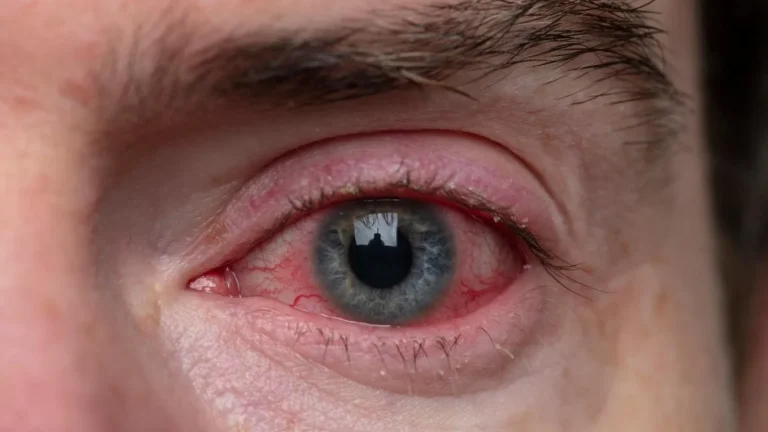
Why Floaters After Scuba Diving Might Signal Eye Issues
I still remember the first time I went scuba diving. The thrill of exploring the ocean floor was unforgettable — until I surfaced and noticed some annoying shadows floating across my vision. At first, I thought it was just seawater in my eyes, but hours later, they were still there. If you’ve ever noticed eye floaters after scuba diving, you’re not alone. Let’s talk about why it happens and whether you should be concerned.
Why Do Eye Floaters Happen After Scuba Diving?

Most of us know eye floaters as those squiggly, transparent specks that drift around in our vision. They’re usually harmless — just little bits of collagen or cells floating in the vitreous gel of your eye. But after a dive? That’s when things get interesting.
Scuba diving puts your body under pressure — literally. This rapid pressure change can impact your eyes in ways you might not expect. For some divers, especially those diving deep or ascending too quickly, the experience may trigger or worsen floaters.
The Pressure Factor
As you dive, the surrounding water pressure increases. Your body adjusts, but sometimes the delicate vitreous inside your eye doesn’t handle the transition smoothly. Micro-changes in pressure can pull or tug at the retina, causing small changes or detachment in the vitreous gel. This can result in new floaters suddenly appearing after the dive.
Oxygen Toxicity and Bubble Formation
Another potential cause comes from gas bubbles. If nitrogen or oxygen forms microbubbles in your body tissues due to poor decompression, it may impact small blood vessels — including those in the retina. These microbubbles can irritate the eye or disrupt blood flow, which might trigger floaters.
- Diving too deep without proper decompression
- Rising too fast during ascent
- Diving while dehydrated (a common problem)
Is It Dangerous? When to Worry About Floaters After Diving
Let’s be real — most of the time, these floaters are harmless and fade into the background. But certain situations demand attention. If you see flashes of light, sudden dark spots, or a shower of floaters all at once, those could be red flags.
I had a friend who thought he just had a “bubble in his eye” after a dive trip in Bali. Turned out it was a posterior vitreous detachment. Luckily, he caught it early and avoided further issues. But not everyone’s that lucky.
Here’s when you should get it checked out ASAP:
- Sudden onset of floaters right after a dive
- Flashes of light in your vision
- Blurry or shadowed vision like a curtain coming down
These symptoms might point to something more serious like a retinal tear or detachment — and trust me, that’s not something to mess around with.
Underlying Conditions That Might Get Triggered

Floaters after scuba diving can also act as a warning sign for something already brewing in the background. If you have any of the following conditions, your risk might be higher:
- Age-related vitreous degeneration
- Recent LASIK or eye surgeries
- Previous eye trauma or injury
- Chronic stress or high blood pressure
Divers with underlying inflammatory or autoimmune conditions such as uveitis may also be more prone to post-dive visual disturbances. A surprising number of these issues go unnoticed until a dive triggers symptoms.
Ways to Minimize Floaters After Your Dives
If you’re anything like me, you’re not about to give up diving just because of a few specks in your vision. Good news — there are ways to reduce your risks:
- Stay well hydrated before and after a dive — dry eyes and dehydration can make floaters more noticeable
- Avoid rapid ascents, always follow proper decompression stops
- Use quality, well-fitted masks to reduce facial pressure
- Don’t dive if you’ve recently had eye surgery or inflammation
Also worth noting — if you’re over 40, floaters are just part of life’s visual background noise. But if diving seems to make them worse, it’s worth a closer look. There’s a deeper dive (no pun intended) on common causes of eye floaters if you want to explore that more.
Should You Still Dive If You Get Floaters Often?

This depends entirely on what’s causing your floaters. If your ophthalmologist says it’s just normal age-related degeneration, then you’re probably fine. But if there’s an underlying retinal issue, you might want to hit pause on deep dives until you get the green light.
For more detail on treatment options from observation to surgery, the treatment options guide breaks it down really well. It covers laser vitreolysis, vitrectomy, and natural coping tips too.
And if you’re new to floaters or want to understand them in general, the main guide on floaters is the best place to start.
Can Scuba Diving Make Existing Floaters Worse?
This is a question I used to wonder about myself. After a few dive trips where the floaters seemed to hang around longer than usual, I started tracking what changed. Spoiler: it wasn’t always the diving itself — it was what my body was already dealing with before I even hit the water.
Existing floaters can absolutely become more noticeable after scuba diving, but that doesn’t necessarily mean they’re getting worse. Diving simply increases the contrast in your visual field. Bright blue water, sunlight filtering through the ocean, and long periods of looking into uniform environments can make those floaters stand out like never before.
Why They Might Stand Out More Underwater
- Clear ocean backdrops enhance shadow movement in the eye
- Post-dive fatigue can make visual perception more sensitive
- Dehydration reduces vitreous fluid integrity, making floaters more visible
There’s also something to be said for how mentally alert we are during diving. Every tiny sensation becomes amplified — including those tiny shapes floating around our eyes. If you already have floaters, diving can draw more attention to them.
When Eye Floaters Could Signal a Bigger Problem
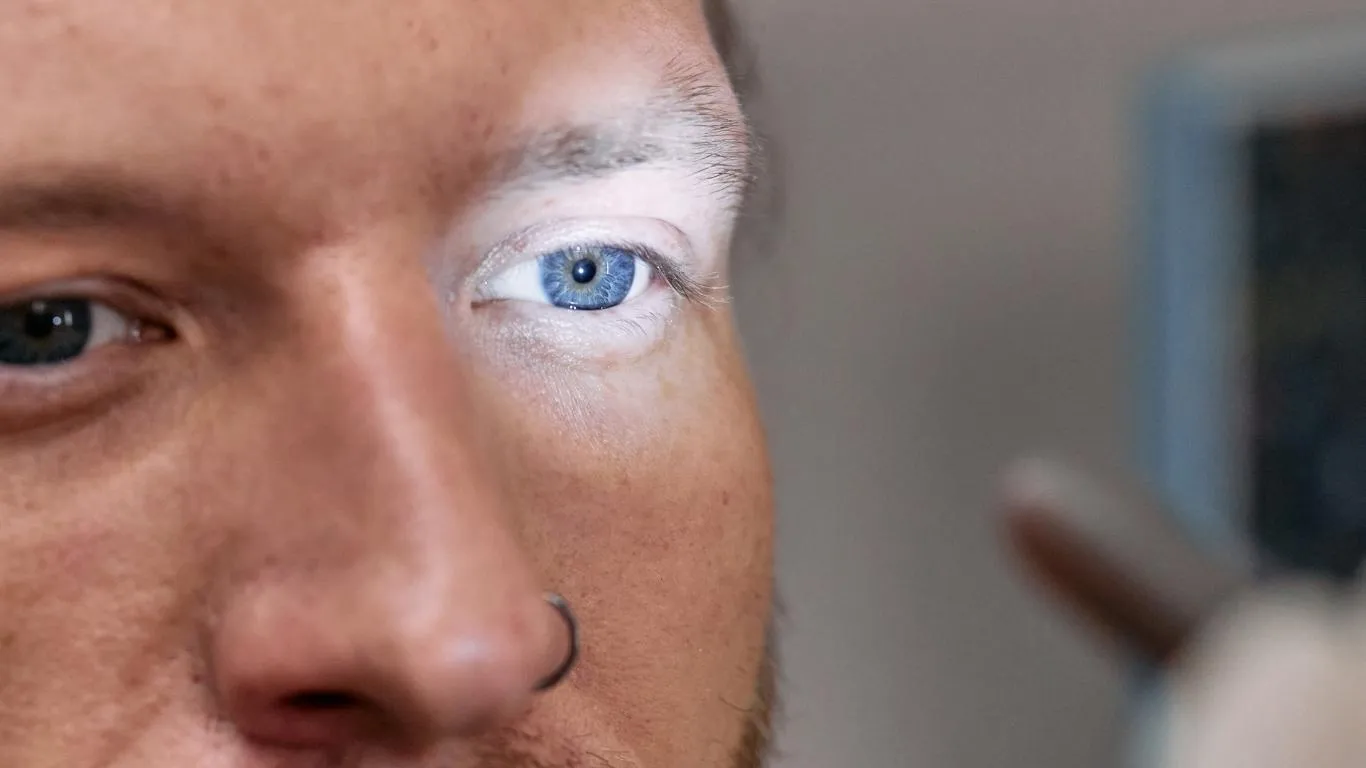
Here’s where things get serious. If your post-dive floaters come with any of these symptoms, you need to take it seriously:
- Persistent flashes of light
- Sudden vision loss or dimming
- Shadow or dark curtain spreading across your field of view
These are hallmark signs of retinal complications, and in rare cases, the dive may be the moment a pre-existing condition decides to reveal itself. Retinal tears can lead to detachment if not caught early. That’s why it’s worth getting a full dilated eye exam after any diving-related floaters that feel unusual.
Who’s More at Risk of Post-Dive Floaters?

Floaters don’t discriminate — but certain divers are at higher risk of developing or noticing them after a session. I’ve spoken with divers from different age groups and experience levels, and these are the patterns that keep showing up:
- Older Divers (40+): Already more likely to have vitreous degeneration
- People with High Myopia: Thinner retinas can make the eye more fragile under pressure
- Divers with Past Eye Surgery: Including cataract surgery or LASIK
- Those with Inflammatory Eye Conditions: Like uveitis or autoimmune disorders
If you fall into one of these categories, it doesn’t mean you can’t dive — but it does mean you should keep your eye health on your radar.
Should You See an Eye Doctor After Every Episode?
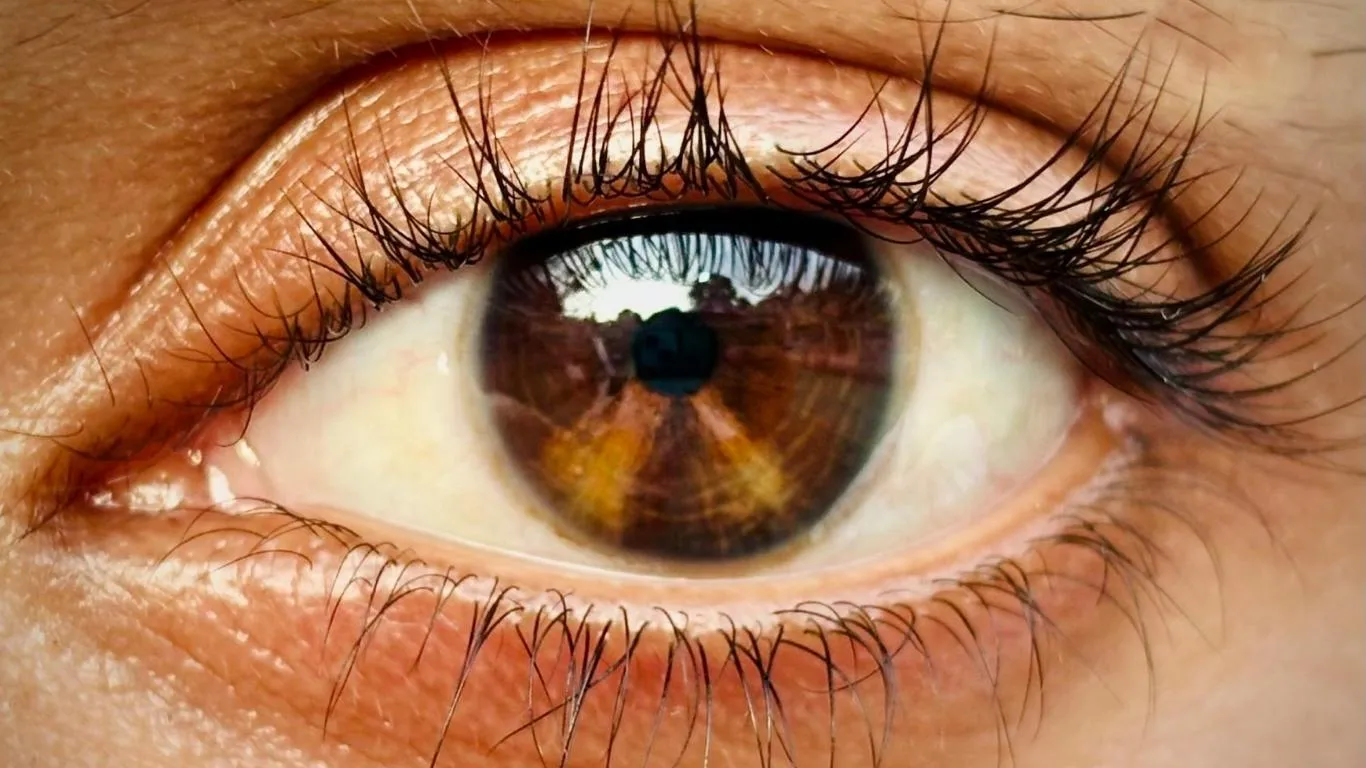
Not every floater episode requires a doctor’s visit — that would be overkill. But here’s my personal rule: if it’s new, sudden, or dramatically worse than what you’re used to, I don’t take chances. I’ve made quick stops at local eye clinics in Bali and Cozumel just to be safe, and it’s always worth the peace of mind.
Here’s when you should absolutely consult an eye specialist:
- First-time floaters after a dive
- Floaters that keep multiplying or are accompanied by visual disruptions
- Recent head or facial trauma before or during the dive
You don’t need to overreact — but you do need to be proactive. Dive medicine specialists and ophthalmologists are well aware of these issues, and a quick check could prevent long-term vision problems.
How to Prevent Floaters From Becoming a Dive Nuisance
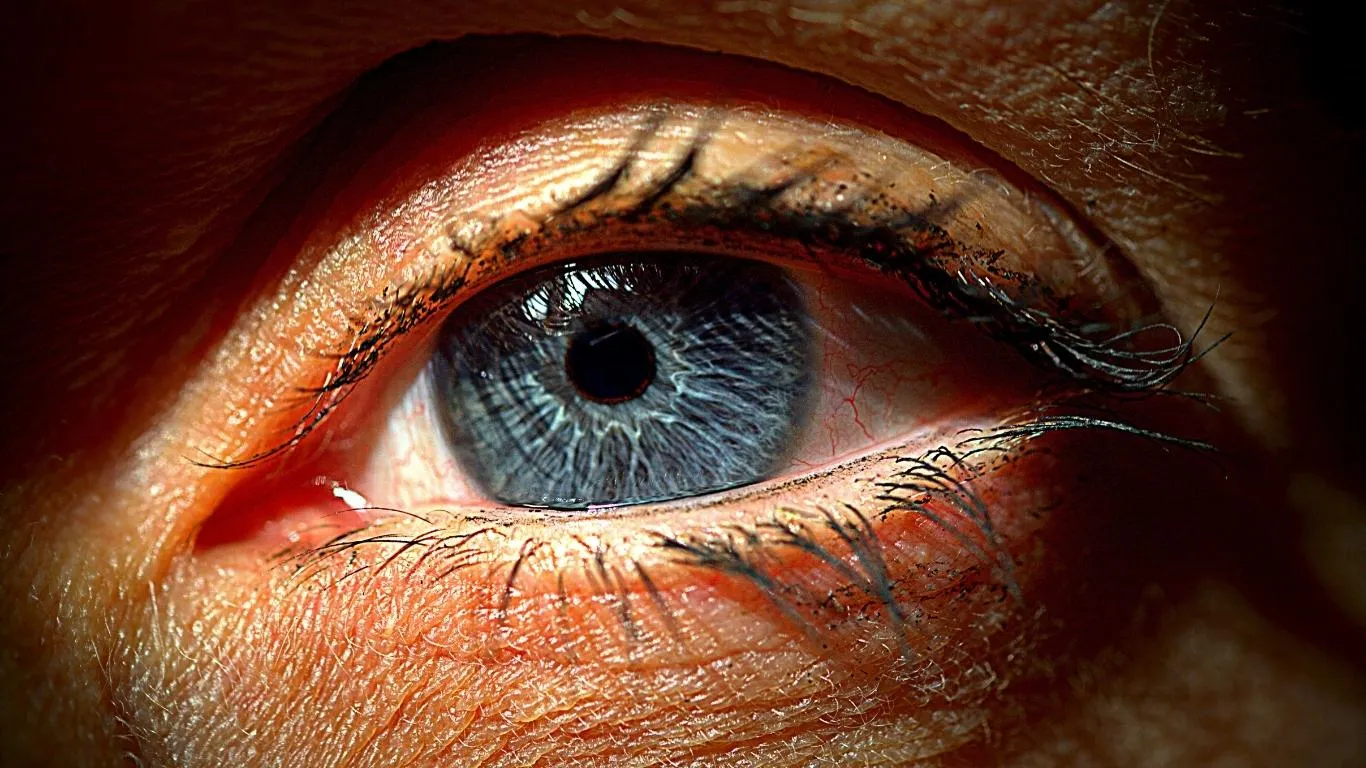
If you’re a frequent diver, you’ll want to take some steps to keep your eyes happy. A few habits I’ve developed after dealing with floaters post-dive might help you out:
- Hydrate like crazy — Start the day with water and electrolyte-rich drinks. The vitreous needs hydration too.
- Wear protective dive masks — A snug fit reduces face squeeze and eye pressure.
- Avoid back-to-back deep dives — Give your body time to recalibrate.
- Get yearly eye exams — Especially if you dive regularly or already have floaters.
These small changes made a big difference for me, especially when diving multiple days in a row. I also cut back on screen time right after dives — my eyes just feel more sensitive, and reducing strain helps reduce how obvious the floaters feel.
Could Diving-Related Floaters Be Avoided Completely?

Here’s the honest answer: probably not. Floaters are a normal part of aging and happen to everyone eventually. But the goal isn’t to prevent them entirely — it’s to manage the circumstances that make them worse or more disruptive. If diving triggers yours, it’s not a dealbreaker. It’s just one more reason to treat your eyes with care before and after every dive.
Want more info on the causes behind these annoying specks? You’ll find a complete breakdown of common floater triggers here.
Or take a deeper look into the main floater guide to understand how your everyday habits — even stuff like dehydration or poor sleep — could be playing a role.

Camellia Wulansari is a dedicated Medical Assistant at a local clinic and a passionate health writer at Healthusias.com. With years of hands-on experience in patient care and a deep interest in preventive medicine, she bridges the gap between clinical knowledge and accessible health information. Camellia specializes in writing about digestive health, chronic conditions like GERD and hypertension, respiratory issues, and autoimmune diseases, aiming to empower readers with practical, easy-to-understand insights. When she’s not assisting patients or writing, you’ll find her enjoying quiet mornings with coffee and a medical journal in hand—or jamming to her favorite metal band, Lamb of God.