Why Floaters From Altitude Changes Might Worsen Your Vision
Ever been on a flight and suddenly noticed tiny squiggly things floating across your vision? Yeah, me too. It’s weirdly unsettling—like someone sprinkled dust inside your eyeball. If you’ve experienced this while traveling through high altitudes or during a hike up the mountains, you’re not alone. These are known as eye floaters, and for some people, altitude changes seem to make them worse. I’ve dealt with this myself on a trek through the Andes, and trust me—it can be more than just annoying.
Can Altitude Changes Really Trigger Eye Floaters?
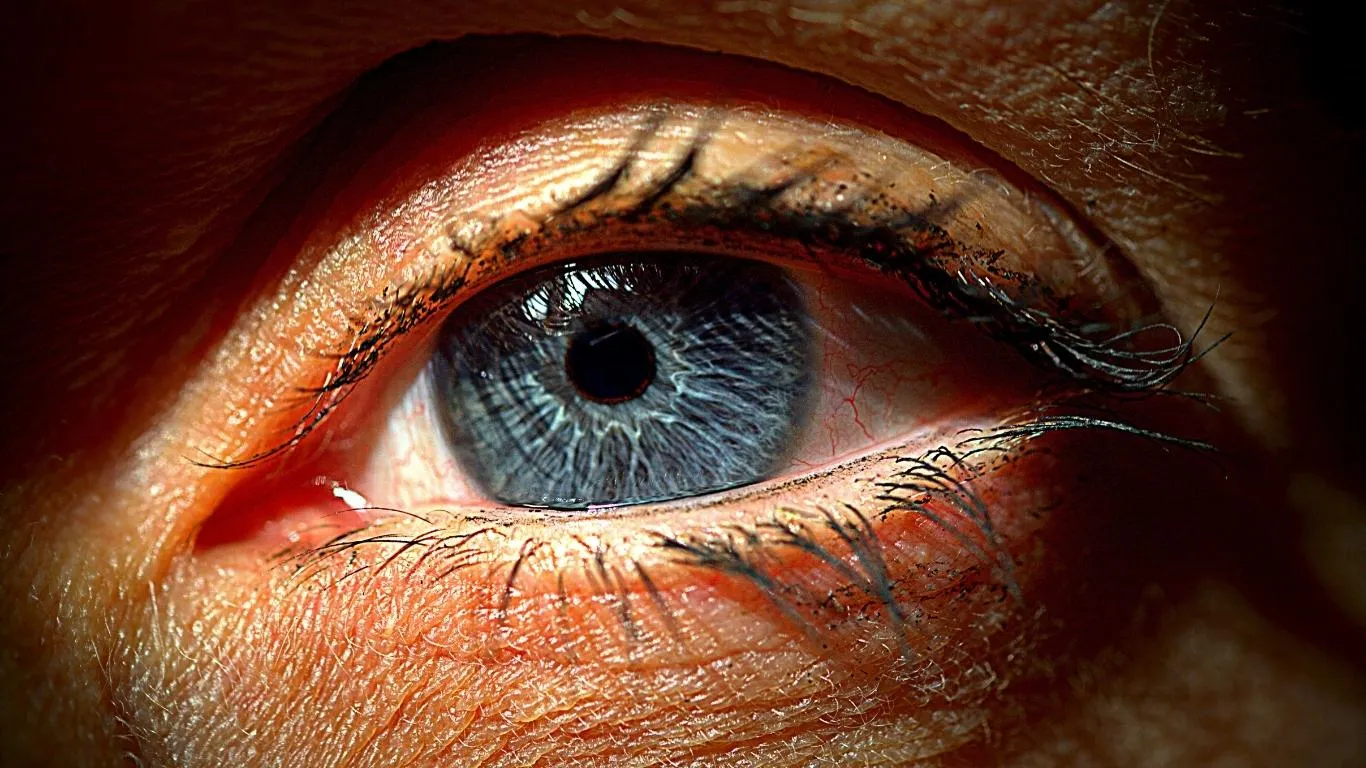
First off, floaters aren’t illusions. They’re actual tiny clumps of collagen inside the vitreous—the gel-like substance filling your eyeball. When light hits them, they cast shadows on your retina, causing those drifting specs or cobwebs you see.
While floaters are often tied to aging, they can feel more prominent during or after altitude changes. You might think, “Isn’t that just a coincidence?” Not exactly. Altitude can mess with several physiological systems in your body—including your eyes.
How Altitude Affects Your Eyes
Changes in altitude can lead to fluctuating oxygen levels and air pressure. Your eyes, like your lungs and brain, are sensitive to these changes. High-altitude environments can cause a temporary shift in the shape or pressure of the eye, especially the vitreous. For some, this means floaters become more noticeable—or even appear for the first time.
In my case, during a cross-country flight, I noticed new floaters that weren’t there before. They didn’t go away when I blinked, and some followed my gaze as I looked around. I later found out it could be linked to a mild posterior vitreous detachment, which can be exacerbated by pressure shifts.
Dehydration and Cabin Pressure
Altitude changes often come with dehydration, especially on airplanes where cabin humidity is notoriously low. The less hydrated your vitreous humor is, the more it can shrink and detach slightly from the retina—sometimes causing floaters to appear.
We often forget to drink enough water while traveling, but dehydration does play a role in floaters becoming more visible. I’ve learned to carry a refillable bottle everywhere, and sipping regularly during flights has made a real difference.
Who’s More at Risk of Floaters at High Altitudes?

- People over 40: The vitreous gel naturally liquefies and shrinks with age.
- Frequent flyers or mountain hikers: Regular exposure to altitude shifts can compound symptoms.
- Those with pre-existing eye conditions: Such as nearsightedness or past eye trauma.
In fact, if you’ve undergone cataract surgery or LASIK, you might be even more sensitive. Surgeries can already alter the structure of the eye, and altitude pressure only adds to the mix.
Floaters or Something More Serious?
If you see sudden flashes of light, a curtain-like shadow over your vision, or an explosion of floaters during a flight or mountain trip—don’t ignore it. These could be signs of a retinal tear or detachment, and time is critical. I once ignored a sudden burst of floaters post-skydiving and ended up needing an emergency eye consult. Don’t be like me.
When to Seek Help
- You see floaters along with flashes of light
- Your vision gets partially blocked, like a shade being pulled
- There’s a sudden increase in the number of floaters
These are all red flags that should prompt a visit to an ophthalmologist—altitude-related or not.
Prevention Tips for Floaters from Altitude Changes
While you can’t totally prevent floaters, there are steps you can take to reduce the chances of triggering them during altitude exposure:
- Hydrate aggressively before and during flights or hikes.
- Use preservative-free lubricating eye drops to prevent dryness.
- Wear polarized sunglasses during outdoor activities to reduce glare stress.
- Limit alcohol and caffeine before flying—they speed up dehydration.
- Get regular eye exams, especially if you fly or climb often.
I’ve made these small changes myself, and the difference in how my eyes feel post-flight is remarkable. Prevention isn’t perfect, but it definitely helps.
What the Experts Say
Ophthalmologists confirm that rapid pressure shifts can influence the vitreous body. According to the American Academy of Ophthalmology (aao.org), vitreous detachment becomes more common with both age and environmental triggers like air travel or mountain activity.
A 2022 study published in pubmed.ncbi.nlm.nih.gov also found a correlation between frequent altitude changes and increased incidence of symptomatic floaters in adults over 35.
So yes—what you’re seeing isn’t all in your head. It’s in your eye. Literally.
For a broader breakdown on eye floater treatments and management options, you’ll find solid insight on when to monitor and when to act.
Also, check out the main guide on what causes eye floaters and how to deal with them for a deeper dive into the science behind these little annoyances.
Managing Floaters When You Travel or Climb
If you’re like me and love traveling—or your job depends on it—you’re not just going to stop flying or avoid the mountains forever. So let’s talk about practical ways to manage floaters that pop up during altitude changes.
For starters, it helps to track when your symptoms are the worst. For me, it’s usually the second half of a long-haul flight or after a steep descent from a hike. I’ve learned to bring a small “eye care” kit with me—hydrating eye drops, sunglasses, and a mini water bottle I refill constantly.
Use Natural Light and Blink Consciously
Oddly enough, blinking with intention and seeking natural light actually helps me. Harsh artificial lighting tends to make floaters more visible, especially after being in dim environments like cabins or tents.
Also, remember that floaters become more noticeable when you focus on them. If you’ve ever found yourself staring at a blank sky or white wall, trying to track them, you’re not helping. Trust me—I’ve done it a hundred times. Shifting your attention can reduce their impact on your day-to-day life.
Floaters vs. Screen Fatigue at Altitude
Another thing I noticed? Floaters get worse if I use my laptop on flights without breaks. Screens combined with dry air and pressure changes = a recipe for visual misery. Turns out, there’s some science behind that too. Extended screen time already stresses the eyes, and when you add the altitude factor, you’re doubling the strain.
If you’ve been asking yourself whether screen time can make floaters worse—yep, it absolutely can, especially during travel.
Floaters and Medical Conditions You Might Not Expect
Here’s something I didn’t know until a couple years ago: floaters can also be a sign of underlying health issues—not just altitude stress. My floaters got worse after a respiratory infection, and while I chalked it up to dry eyes from meds, an eye doctor flagged it as possible posterior uveitis connected to a mild autoimmune flare.
Since then, I’ve learned to take them seriously. If your floaters suddenly appear after altitude exposure and you’re also battling allergies, infections, or fatigue, it might not be a coincidence.
- Altitude-related hypoxia may impact retinal blood vessels temporarily.
- Immune suppression at altitude might trigger latent infections, indirectly affecting the eyes.
- Systemic inflammation can increase floaters if you’re already predisposed.
There’s even growing research linking floaters to early signs of diabetic retinopathy and collagen disorders, which altitude stress can exacerbate.
Myths About Floaters and Flying—Let’s Bust a Few
Over the years, I’ve heard a lot of odd advice about floaters from fellow travelers—some helpful, most not. Let’s clear up a few things:
- “They’ll go away on their own after landing.”
Not necessarily. Floaters may fade in perception, but once the vitreous changes, they’re likely to stay unless addressed surgically. - “You can flush them out with eye drops.”
Nope. Drops can relieve dryness, which helps the comfort level, but they won’t clear floaters themselves. - “Wearing sunglasses indoors will help reduce floaters.”
This only helps with glare or light sensitivity. It doesn’t treat the floaters.
There are natural remedies people try, like antioxidants and eye exercises, and while some people swear by them, the science is limited. Still, I’ve found that maintaining overall eye health does make a difference in how much I notice mine.
What About People Who Only Notice Floaters After Flying?
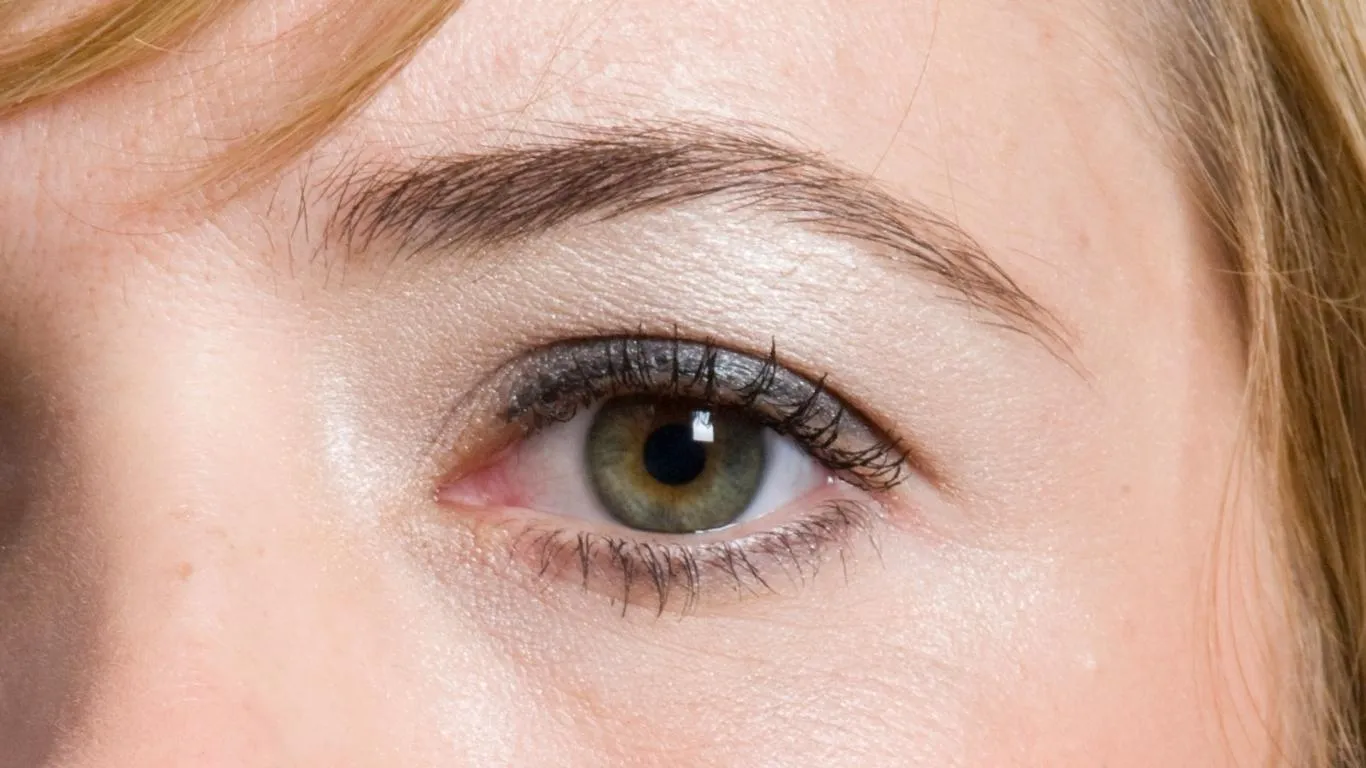
This is more common than you’d think. I’ve met dozens of people who say they never noticed floaters—until they took a plane. Altitude doesn’t create floaters from nothing, but it can make pre-existing ones more visible. The pressurized cabin, dim lighting, and white window light all make the shadows cast by floaters stand out more sharply.
That first time seeing them can be alarming. But the good news is, in most cases, they’re not dangerous. Still, recognizing the danger signs is essential if something suddenly changes.
When Is It Time to Consider Treatment?
Most floaters don’t require medical treatment. But if they start interfering with your ability to see clearly—especially while driving or working—they may warrant professional care.
Options Available
- Vitrectomy: A surgical procedure that removes the vitreous gel. Effective but reserved for severe cases.
- Laser vitreolysis: A less invasive method using lasers to break up floaters. Not suitable for everyone, but worth discussing.
- Monitoring and lifestyle adjustments: Often the first step. Keep up with hydration, regular exams, and managing related health issues.
I haven’t gone the surgical route myself, but I did speak to an ophthalmologist who helped me understand when I should consider it. So far, monitoring and staying proactive has worked for me.
If you’re curious about the full range of treatment options for eye floaters, this guide breaks it down beautifully.
Altitude Floaters Aren’t in Your Imagination
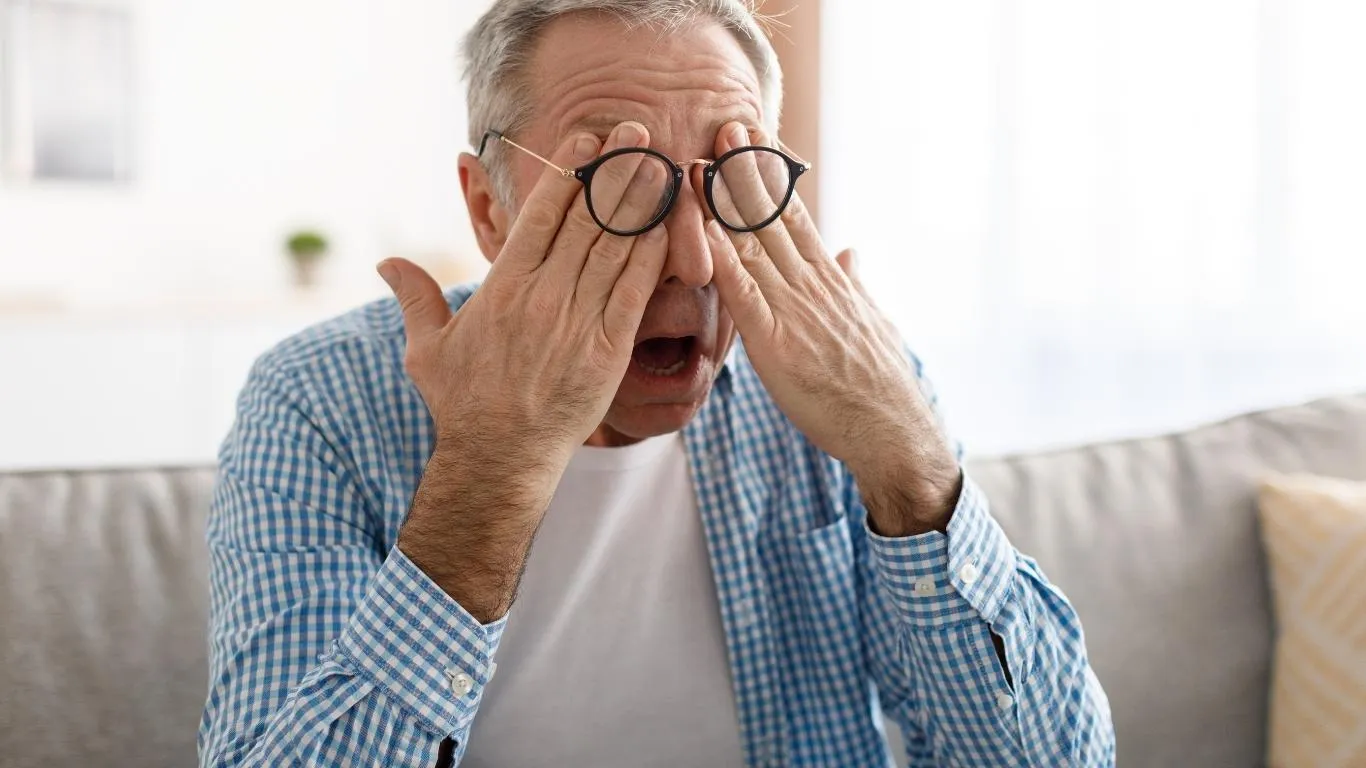
For years, I thought I was just being overly sensitive—until I realized how many others were noticing the same thing. Altitude changes don’t just affect your ears or your breathing—they impact your eyes too. If you’re seeing floaters during or after a flight or a hike, you’re not alone, and it’s not “just in your head.”
Understanding the connection between altitude and eye floaters has changed how I travel—and how I take care of my vision. From what causes them to how to manage them without overreacting, having the right info makes all the difference.
For a complete look at the science and treatment of floaters, head over to the main eye floater resource here—it’s the one I refer to most often when friends ask for help.

Camellia Wulansari is a dedicated Medical Assistant at a local clinic and a passionate health writer at Healthusias.com. With years of hands-on experience in patient care and a deep interest in preventive medicine, she bridges the gap between clinical knowledge and accessible health information. Camellia specializes in writing about digestive health, chronic conditions like GERD and hypertension, respiratory issues, and autoimmune diseases, aiming to empower readers with practical, easy-to-understand insights. When she’s not assisting patients or writing, you’ll find her enjoying quiet mornings with coffee and a medical journal in hand—or jamming to her favorite metal band, Lamb of God.