Can Allergy Medications Make Eye Floaters Worse?
So here’s the thing—I never used to pay much attention to my vision. I mean, who really does until something weird shows up in your line of sight and refuses to leave? It started with these shadowy little specks and threads that danced around every time I looked at a white wall or the sky. And then came allergy season—along with my trusted antihistamines—and the floaters seemed to double. Coincidence? At first, I thought so. But I was wrong.
Can Allergy Medications Actually Trigger Eye Floaters?
Most people don’t think twice about popping an allergy pill, especially during peak seasons when pollen is out in full force. But for some of us, allergy medications may come with more than just dry mouth or drowsiness—they might also be behind that annoying increase in floaters.
Now, before diving into the science, let’s be honest—many of us have taken over-the-counter antihistamines like candy during a bad allergy flare-up. I used to rely heavily on loratadine and diphenhydramine. They helped with sneezing and itchy eyes, sure, but I couldn’t help noticing a sharp rise in visual disturbances. It felt like I was seeing things. Literally.
Dehydration: The Hidden Link Between Antihistamines and Eye Floaters
Let’s get one thing clear: antihistamines are drying agents. That’s how they stop your nose from running and your eyes from tearing up. But here’s the catch—drying out your body also means dehydrating the eyes. And that’s a problem.
Your eye’s vitreous humor—the jelly-like substance that fills the eyeball—is made mostly of water. When that starts losing hydration, the collagen fibers inside begin to clump together. These clumps? Yep, they’re the floaters you keep spotting in your vision.
More on that here: Does Dehydration Make Eye Floaters Worse?
Antihistamines, Eye Pressure, and Vitreous Changes
Some allergy meds may also raise intraocular pressure slightly, especially in people who are sensitive or already prone to eye conditions. While not all floaters are pressure-related, increased pressure can speed up vitreous detachment in aging or vulnerable eyes.
And here’s the kicker—age-related vitreous changes are already a major contributor to floaters. Add pressure spikes or dehydration to the mix, and the risk climbs even higher.
Seasonal Allergies vs. Medication Side Effects: Which Is to Blame?
It’s tempting to blame pollen or dust directly, and in part, you’re not wrong. Allergies themselves can cause eye inflammation, which may indirectly affect the eye’s internal structures. But in many cases, it’s not the allergic reaction—it’s the treatment.
Allergic Conjunctivitis: Irritation or Something More?
If your eyes are constantly red, itchy, and watery due to allergies, that could also lead to rubbing your eyes—a lot. This can potentially contribute to floaters through small, repeated trauma to the vitreous or retina. In extreme cases, constant pressure or aggressive rubbing can even lead to a retinal tear.
Serious? Potentially. Worth being cautious? Definitely.
More context on what’s normal and what’s not: Floaters After Conjunctivitis Might Be a Bigger Problem
Prescription Medications vs. OTC Allergy Pills
Not all antihistamines are created equal. Some prescription medications include steroids or vasoconstrictors, which may further affect ocular blood flow or increase the risk of floaters if used long-term.
And yes, steroid eye drops have been linked to floaters in some cases. If you’re using prescription drops for allergy-related eye issues, that’s worth paying attention to.
So What Should You Do If You Suspect a Link?
Look, I’m not saying ditch your allergy meds—those of us with seasonal allergies know how brutal things can get without them. But if you’ve noticed a sharp rise in floaters and can trace it back to the start of allergy season (and medication use), it’s worth talking to your doctor or ophthalmologist.
- Hydrate like it’s your job: You may not avoid floaters altogether, but staying hydrated can keep your vitreous healthier and reduce clumping.
- Limit eye rubbing: Allergies make it tempting, but this can worsen or trigger floater development.
- Track symptoms: Keep a simple journal to monitor when floaters appear, how intense they are, and any links to medication or environment.
- Ask about alternatives: Not all antihistamines dry you out equally. Some second-generation options have fewer systemic side effects.
Here’s a deeper dive into when you should be worried: When Are Eye Floaters Dangerous?
Other Underlying Factors You Shouldn’t Ignore
Floaters are usually harmless, but sometimes they’re not. If you’re seeing flashes of light, a dark curtain over part of your vision, or a sudden storm of floaters, stop reading this and call an eye doctor. That could be a retinal tear or detachment, and you don’t want to mess around with that.
If you’re over 40, you’re naturally more prone to eye floaters. And yes, floaters in your 40s are common—but allergy meds might be pushing the envelope faster.
For a more comprehensive understanding of eye floaters overall, check out the main resource on what causes eye floaters and how to treat them.
Also worth your time if you’re exploring treatments: Eye Floater Treatments: From Observation to Surgery.
And hey—if you’re going through this too, you’re not alone. Floaters can feel like a nuisance, especially when they seem to follow you everywhere. But once you connect the dots (like I did with allergy medications), you’re in a better position to manage them wisely.
Ever since I started connecting the dots between my allergy meds and those pesky floaters, I couldn’t help but wonder—was I the only one? Turns out, not at all. A few friends in my allergy support group had noticed the same thing: they’d upped their antihistamines and suddenly began seeing those tiny cobwebs or drifting specks across their vision. That’s when I decided to look a little deeper into how allergy medications mess with our eyes long-term—and what we can actually do about it.
Why Floaters Seem to Linger Even After Allergy Season Ends
One of the most frustrating things? Floaters don’t just disappear once the flowers stop blooming or the pollen count drops. If they’ve shown up during peak allergy season—especially after weeks of daily meds—they can stick around for months. Some never go away.
The reason? Once those collagen strands inside your vitreous clump up and cast shadows on your retina, your body doesn’t exactly go into clean-up mode. That’s just not how the eye works. It’s like dropping glitter in carpet. Sure, you can vacuum, but it never fully disappears.
More detailed insight here: Do Eye Floaters Naturally Increase With Age?
When Your Eye Just Doesn’t Bounce Back
I used to think my eyes would just reset every season, but nope. Some floaters are now part of the permanent background noise in my vision. That said, they’ve become less noticeable over time, especially once I started making some changes to how I manage allergies and support eye health overall.
What You Can Do To Minimize Floaters Linked to Allergy Medications
Okay, so you’re dealing with floaters and wondering if your allergy meds played a role. Here’s the good news—you’re not stuck. While you can’t “cure” floaters with a magic pill (I wish), there are several practical things you can do to support your eye health and reduce their impact.
1. Hydrate, Then Hydrate Some More
Since dehydration is such a sneaky culprit, especially with antihistamines, I started carrying a water bottle everywhere. I also added more water-rich foods to my meals—cucumber, watermelon, soups—and it made a noticeable difference in my eye comfort.
2. Cut Down on Antihistamine Overuse
If you’re taking allergy meds daily even when symptoms aren’t that bad, it might be time to rethink the habit. I now use antihistamines on an as-needed basis, and I pair them with a saline nasal spray to manage symptoms more naturally.
3. Switch to Non-Drying Alternatives
Some second-generation antihistamines like cetirizine or fexofenadine are less drying compared to older options. Always ask your doc what’s right for you, especially if your eyes are sensitive or prone to floaters.
4. Consider Natural Allergy Support (With Caution)
I’ll be honest—I was skeptical about natural remedies at first. But using a HEPA air filter, taking quercetin supplements, and limiting dairy during peak allergy days really seemed to help reduce my reliance on meds.
Worth reading: Natural Ways to Manage Eye Floaters: Fact or Fiction?
Could Eye Floaters Be a Sign of Something Bigger?
Here’s where things get serious—if floaters suddenly increase, or you start seeing flashes of light, halos, or dark spots in your vision, it might have nothing to do with allergies at all. Conditions like retinal tears, uveitis, or vitreous hemorrhages need immediate attention.
I remember panicking one morning after waking up to what looked like black pepper scattered across my vision. I thought it was my allergy meds again—but it turned out to be the early signs of posterior vitreous detachment. Scary stuff, but thankfully manageable with early detection.
Also important: Viral Eye Infections and Floaters – a must-read if you’ve had conjunctivitis or other eye infections recently.
Don’t Self-Diagnose—Ever
Google is handy, sure, but only an actual eye exam can tell you what’s really going on inside your eye. I nearly skipped my own appointment thinking “it’s just allergies.” Turned out, I needed follow-up care and a customized plan.
How I’ve Learned to Live With Floaters (Without Letting Them Win)
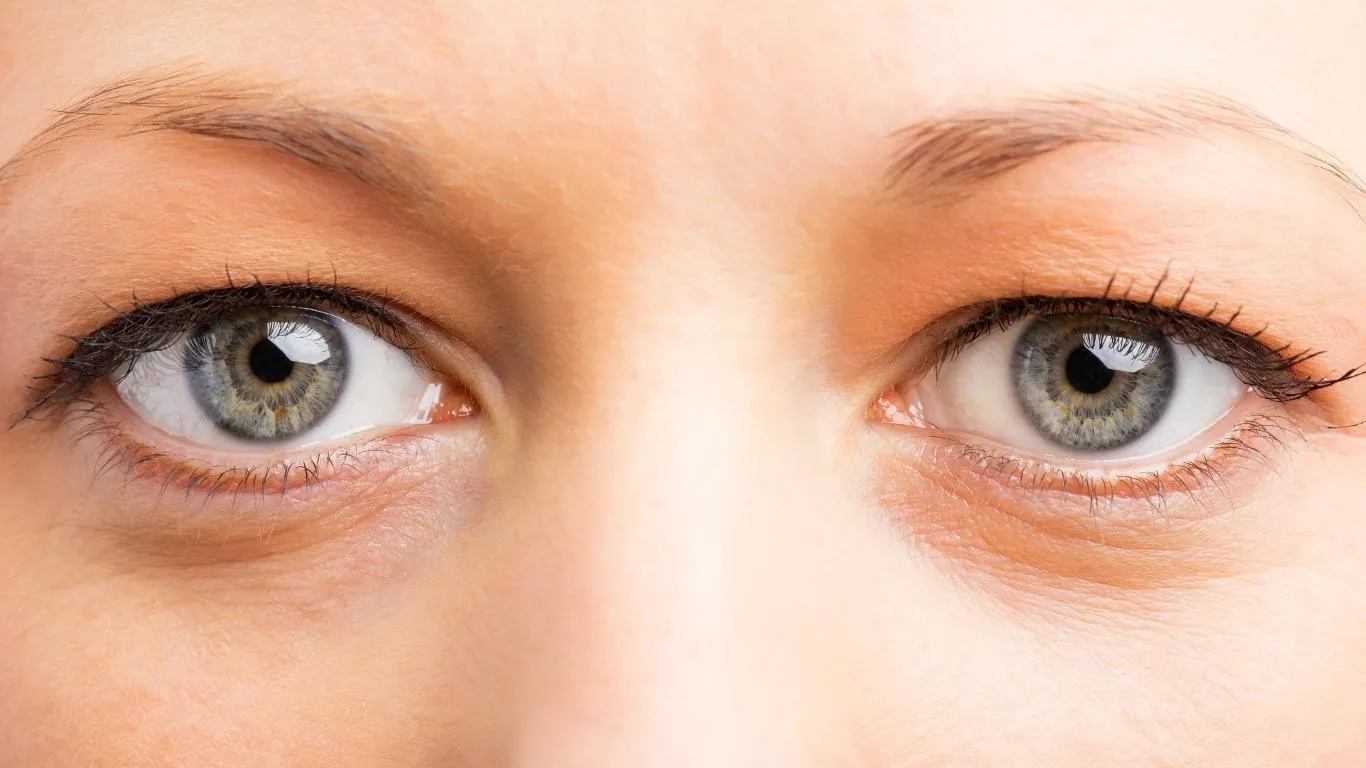
Truth be told, the floaters haven’t magically vanished. But I’ve learned to stop obsessing over them. I use a few tricks daily that keep them from stealing focus:
- Don’t stare at blank walls or skies for long: High-contrast backgrounds make floaters stand out more.
- Use warm compresses during allergy flare-ups: It helps soothe tired eyes and reduce inflammation.
- Practice eye movement exercises: Gently rolling the eyes helps shift floaters out of the center of vision.
If you’re struggling with floaters linked to medication or allergies, trust me—you’re not imagining things. There’s more awareness now than ever, and you don’t have to suffer in silence.
Want to understand what causes eye floaters at the root? Don’t miss this comprehensive guide: Common Causes of Eye Floaters
And of course, for the main breakdown of floaters, causes, symptoms, and treatments, the go-to starting point is What Are Eye Floaters: Causes, Symptoms, and Treatment Options.
Living with floaters can be annoying—especially when they show up as a side effect of something meant to help. But when you understand the links and learn how to manage them, they stop being scary and just become one more thing you’ve mastered.

Camellia Wulansari is a dedicated Medical Assistant at a local clinic and a passionate health writer at Healthusias.com. With years of hands-on experience in patient care and a deep interest in preventive medicine, she bridges the gap between clinical knowledge and accessible health information. Camellia specializes in writing about digestive health, chronic conditions like GERD and hypertension, respiratory issues, and autoimmune diseases, aiming to empower readers with practical, easy-to-understand insights. When she’s not assisting patients or writing, you’ll find her enjoying quiet mornings with coffee and a medical journal in hand—or jamming to her favorite metal band, Lamb of God.