
Why Floaters After Vitrectomy May Still Affect Your Vision
Floaters after vitrectomy. Yep, been there. I remember sitting up in recovery, eye patch on, hopeful and blurry-eyed—literally—and thinking, “Finally, those pesky shadows are gone.” Fast forward a few days, and what do I see? New floaters. Different from before. Less squiggly, but just as annoying. If you’ve just had a vitrectomy and are noticing floaters again, you’re definitely not alone. And no, it’s not all in your head. Let’s talk about why this happens, what’s normal, and what might need a second look.
Why Floaters Can Appear After a Vitrectomy
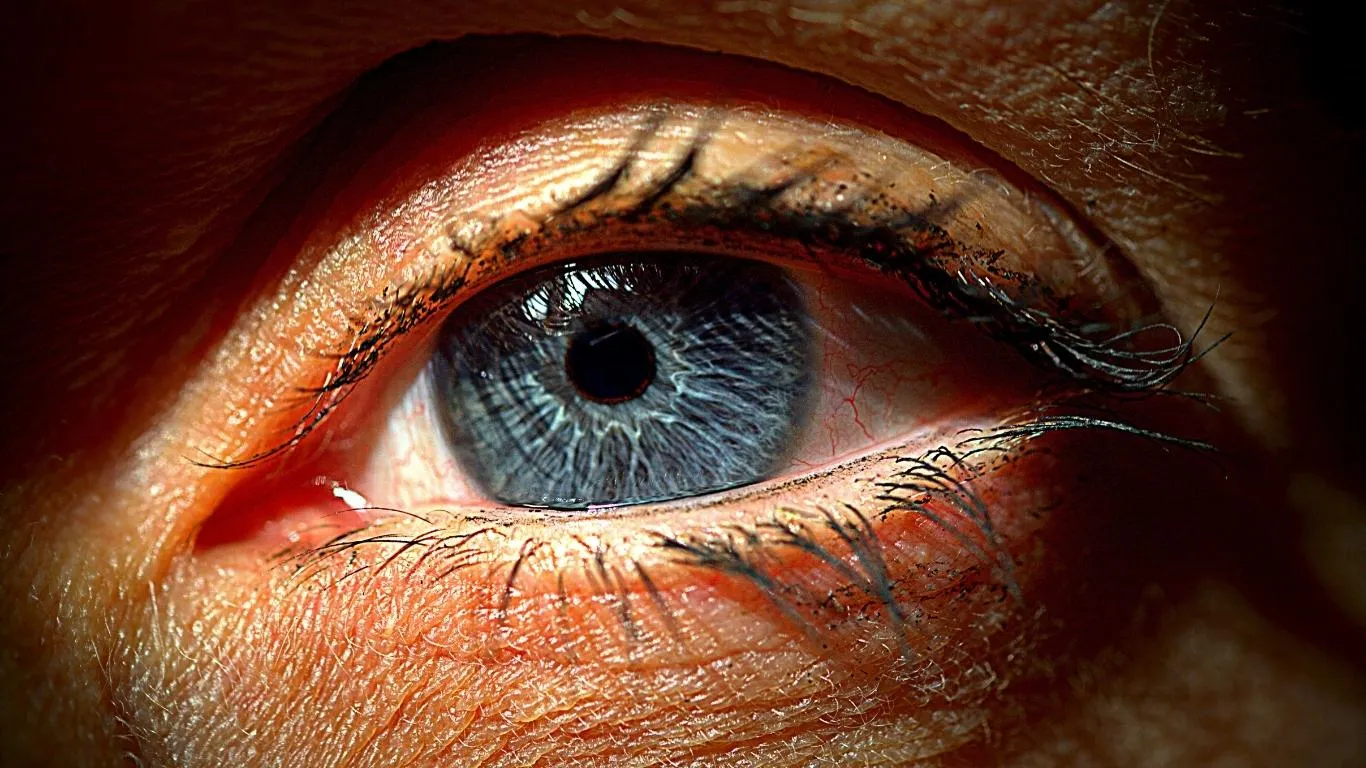
A vitrectomy is often pitched as the solution to floaters. So, seeing new ones post-surgery feels like a cruel joke. But here’s the kicker: floaters after vitrectomy don’t always mean something went wrong. In many cases, they’re just part of the healing journey.
The New Floaters Aren’t Always Old Problems
After surgery, the eye starts to fill with aqueous humor to replace the removed vitreous gel. It’s a different fluid—more watery. This shift can change how light refracts in your eye and even how tiny particles float. What you’re seeing might be microbubbles, surgical debris, or even healing tissue fragments. These usually resolve on their own in a few weeks.
Scar Tissue and Residual Cells
In some cases, floaters might be due to residual vitreous left behind, or scar tissue forming on the retina. Especially if the vitrectomy was done for something like a retinal detachment. This can create epiretinal membranes, which might cause subtle visual disturbances that resemble floaters.
When Should You Be Concerned?

If you suddenly notice a shower of floaters, flashing lights, or a curtain effect across your vision, that’s not something to ignore. While floaters can be benign, these symptoms could indicate:
- Retinal detachment or tear
- Bleeding inside the eye (vitreous hemorrhage)
- Infection or inflammation
Trust me, I ignored a small shadow once—turned out to be the early signs of a retinal tear. Quick action made all the difference. If in doubt, check it out. This isn’t a time to second-guess yourself.
For more about how floaters may hint at retinal tears, Healthusias covers it well.
Can Floaters Come Back Even After a “Perfect” Vitrectomy?

Short answer? Yes. Even if your surgeon did a textbook-perfect job, floaters can still return. Here’s how:
- Incomplete removal: Some parts of the vitreous near the retina are risky to remove entirely. So tiny remnants may cause floaters over time.
- Post-surgical debris: Particles from the surgery can linger for a while before clearing out.
- New floaters forming: Your eye is alive and dynamic. Cells continue to shed and float, especially if there’s inflammation or stress on the retina.
Floaters aren’t always about what’s removed—they can also be about what develops afterward. Interestingly, posterior vitreous detachment is still possible in parts of the eye post-surgery and can reintroduce symptoms.
What I Wish I Knew Before My Surgery

Honestly? I thought I’d come out of the operating room with crystal-clear vision. But reality was a little more complicated. Here’s what I wish someone told me:
- Floaters can persist or return—and that’s okay. It doesn’t mean the surgery failed.
- Vision takes time to settle. You won’t see the full benefits of the procedure overnight. For some people, it takes months.
- Expect some visual artifacts. Especially under bright light or against white walls—those are where floaters like to dance.
Learning that others have experienced this helped me mentally adjust. You’re not overthinking it. It’s real—and common. Healthusias explains this in more detail in their article on eye floater treatments—definitely worth a read if you’re still in that uncertain phase.
Is It Worth Treating Floaters After a Vitrectomy?
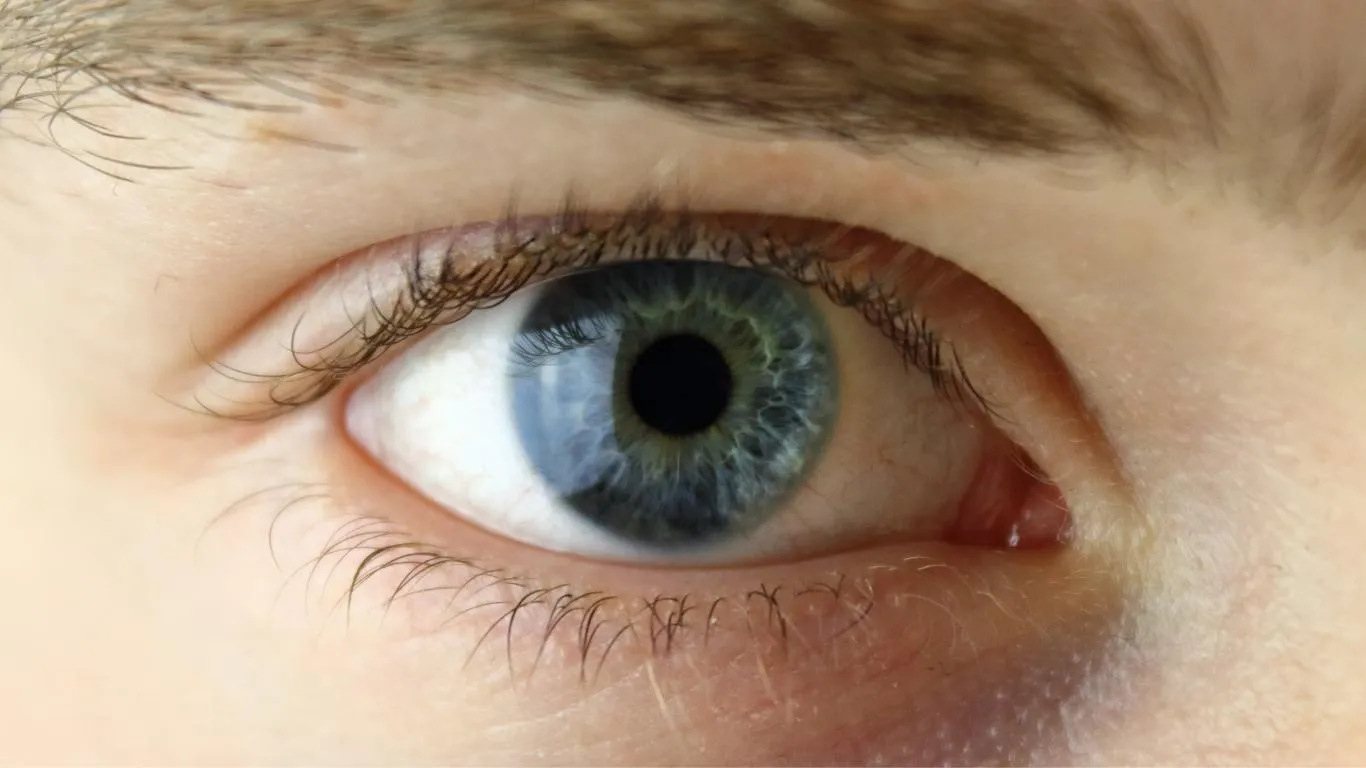
This one’s tricky. Some floaters will fade with time, while others stick around. I personally found improvement after 6-8 weeks. But if they persist or interfere with daily life, there are options:
- Observation: First-line approach. Many floaters dissolve or become less noticeable.
- YAG laser vitreolysis: Sometimes used for isolated floaters post-vitrectomy, though not always effective.
- Repeat vitrectomy: Rarely recommended unless the floaters are extremely dense or vision-limiting.
And yes, it’s worth asking whether your floaters might be related to dehydration or stress—because lifestyle absolutely plays a role post-surgery.
Want a deep dive into the bigger picture of what causes floaters and what you can realistically expect? The comprehensive guide at Healthusias’ main pillar article breaks it down beautifully.
#LNF

Camellia Wulansari is a dedicated Medical Assistant at a local clinic and a passionate health writer at Healthusias.com. With years of hands-on experience in patient care and a deep interest in preventive medicine, she bridges the gap between clinical knowledge and accessible health information. Camellia specializes in writing about digestive health, chronic conditions like GERD and hypertension, respiratory issues, and autoimmune diseases, aiming to empower readers with practical, easy-to-understand insights. When she’s not assisting patients or writing, you’ll find her enjoying quiet mornings with coffee and a medical journal in hand—or jamming to her favorite metal band, Lamb of God.