Why Hormonal Changes Cause Eye Floaters And What You Can Do
I remember the first time I noticed them—those strange, drifting specs in my vision that seemed to dance when I moved my eyes. I blinked, rubbed, squinted. They didn’t go away. I thought I needed more sleep or less screen time. But nope. Turns out, I was joining the millions of people experiencing something called *eye floaters*. And for me, it all started during a phase of intense hormonal shifts. Who knew your hormones could mess with your eyes like that?
How Hormonal Changes Are Linked to Floaters
Most people expect hormonal changes to affect mood, skin, weight—or at worst, sleep cycles. Vision? Not so much. But in reality, fluctuating hormone levels can subtly yet significantly influence eye health, especially when it comes to floaters. These shadowy blobs, lines, or cobweb-like specks are often associated with the aging process, but that’s not the only trigger. Hormones play a surprisingly intricate role here.
Estrogen and Vision Fluctuations
If you’ve ever experienced blurred vision around your period, pregnancy, or menopause, you’re not imagining things. Estrogen, a key reproductive hormone, affects fluid retention throughout the body—including the eyes. Increased fluid can slightly alter the shape of your eyeball, putting mild pressure on the vitreous body (that gel-like substance that fills the eye). And guess what? That shift can stir up floaters.
- During pregnancy, some women experience a surge in eye floaters due to rapid hormonal changes.
- Menopause often triggers a noticeable uptick in floater complaints, thanks to estrogen decline.
- Even starting or stopping hormonal birth control can temporarily mess with your visual field.
While these changes are usually harmless, they’re incredibly annoying. And they can make you feel like you’re losing control of your own body—which is honestly the worst part.
Pregnancy: When Floaters Suddenly Appear
Pregnancy introduces a whole cocktail of hormone surges, and many women are surprised when those hormonal shifts show up in their eyes. Are floaters during pregnancy normal? For many, yes—but they can also be a red flag for complications like preeclampsia if accompanied by vision loss or flashing lights. Always worth checking in with your OB or ophthalmologist.
In my case, floaters cropped up in the third trimester. I brushed them off until my doctor insisted I monitor my blood pressure. Thankfully, it wasn’t preeclampsia—but that scare made me hyper-aware of how hormones really do run the show.
Menopause, Estrogen Drop, and Floaters
One of the most common times women start to report floaters is during perimenopause and menopause. When estrogen levels fall, it doesn’t just affect mood or bone health—it alters the hydration and elasticity of body tissues, including the vitreous humor in your eye. This gelatinous substance can begin to shrink or pull away from the retina, a condition known as posterior vitreous detachment (PVD), which is one of the leading causes of floaters in adults.
It’s no coincidence that women over 40—who are entering or navigating menopause—are more likely to complain about new floaters. As someone who started perimenopause earlier than expected, I was shocked at how my eye health shifted. Dry eyes, floaters, and even light sensitivity crept up on me like uninvited guests.
Hormonal Medications and Sudden Onset Floaters
Another culprit you might not consider? Hormonal treatments. Whether it’s birth control, hormone replacement therapy (HRT), or fertility meds—any chemical manipulation of hormone levels can potentially affect your eyes. According to ncbi.nlm.nih.gov, the eye has numerous estrogen receptors, and these meds can influence how the eye’s internal structures behave.
- Steroid eye drops used for inflammation may cause floaters in some users.
- Hormonal contraceptives may subtly alter fluid balance and trigger floater activity.
- Estrogen therapy might increase susceptibility to vitreous detachment in certain women.
I personally dealt with this while experimenting with different hormonal birth control options in my late 30s. One brand left me with persistent floaters that lingered for weeks—enough to send me down a rabbit hole of eye health articles and eventually to my optometrist.
Is It Just Hormones? Or Something More?
While hormonal changes can absolutely be to blame, they’re not the only factor. If floaters appear suddenly or worsen dramatically, it’s smart to investigate further. Conditions like uveitis, retinal tears, or even autoimmune issues can mimic hormonally triggered floaters. Check out this detailed guide on when floaters are a sign of something serious.
It’s also worth learning about how age-related vitreous changes can overlap with hormonal triggers—especially as they both tend to kick in during your 40s and 50s.
Helpful Insight: You’re Not Imagining It
One of the most validating reads I came across was this article on why floaters after menopause may actually feel more intense than expected. It put into words exactly what I’d been feeling—that this wasn’t “just in my head.” The eye is a hormonally sensitive organ, and we need to talk about that more.
Learn More from the Experts
Want a deeper understanding of all the potential causes? Check out this guide on common causes of eye floaters, which covers everything from aging and injury to chronic health conditions. It’s a great place to start if you’re trying to piece together your own symptoms.
And for a full overview of floaters, their symptoms, and treatments, I highly recommend exploring this in-depth floater resource to get a holistic understanding from start to finish.
I’ll be honest—when my floaters first appeared, I didn’t think they’d stick around. I figured it was a phase, like seasonal allergies or a bad breakout. But months later, there they were. And I quickly learned that dealing with floaters tied to hormonal changes isn’t always a quick fix. It takes patience, the right knowledge, and a bit of trial and error to figure out what actually helps.
What You Can Actually Do About Hormonal Floaters
When it comes to floaters, especially those influenced by hormonal shifts, the advice you’ll find online is all over the place. Some say ignore them, others go straight to surgery talk. The truth is, most cases don’t need anything extreme—but that doesn’t mean you’re stuck either.
Here’s what helped me, and what many experts agree might make a difference:
1. Hydration & Eye Nutrition
Your eyes need hydration to maintain vitreous health. Hormonal imbalances can cause fluid shifts, and that includes how well your eye retains its jelly-like consistency. I started drinking more water, adding omega-3s, and paying closer attention to eye-supportive nutrients like lutein, zinc, and vitamin C.
- Poor nutrition habits can directly impact floater frequency and severity.
- Dehydration? Definitely makes floaters worse. Here’s why.
Once I cleaned up my diet and ditched a few bad habits (bye, soda), my floaters didn’t vanish, but they became noticeably less intrusive.
2. Hormonal Balance Support
If your hormones are swinging wildly—whether it’s due to menopause, postpartum recovery, or just a tough cycle—consider getting your levels checked. I had my estrogen and progesterone tested, and it confirmed what I suspected: I was out of whack.
Some women benefit from lifestyle shifts or supplements, others may explore medical routes. Either way, bringing your hormones into balance can indirectly stabilize your eye health.
Related read: Why post-menopausal floaters hit harder than expected.
3. Reduce Stress (No, Really)
I know, stress is the easy target for everything. But in this case, stress can absolutely make floaters more visible—and even trigger hormonal changes that kick off the whole cycle again. Cortisol spikes influence estrogen and fluid retention. A triple whammy for your eyes.
What worked for me? Daily walks, blue light blockers after 6 p.m., and oddly enough, reducing caffeine. It didn’t cure anything, but it helped me feel more in control.
When to Worry (and When Not To)
Most hormonal floaters are harmless. Annoying? Yes. Dangerous? Usually no. But you should know the red flags that mean it’s time to see an eye doctor immediately:
- Sudden explosion of new floaters
- Flashing lights or curtain-like vision loss
- Pain, redness, or major visual distortion
These could be signs of retinal detachment, inflammation, or something more serious. This article breaks it down well—and yes, I bookmarked it just in case.
On the flip side, if your floaters appear gradually during PMS or perimenopause and don’t affect your actual vision sharpness, they’re probably benign. Still annoying, but manageable.
Natural Remedies & Eye Exercises: Worth Trying?
Let me be real—I was skeptical of the whole “natural remedies for floaters” crowd. But when traditional medicine offered little for my hormonally triggered floaters, I gave a few options a shot.
Here’s what was actually helpful:
- Eye yoga (yes, it’s a thing): Helps with eye movement fluidity and reduces strain.
- Palming technique: Just warm your hands and gently cup your eyes—surprisingly calming.
- This list of natural floater remedies has more options worth checking out.
Did they erase my floaters? No. But they helped me feel less powerless—and sometimes that’s half the battle.
What If They Get Worse Over Time?
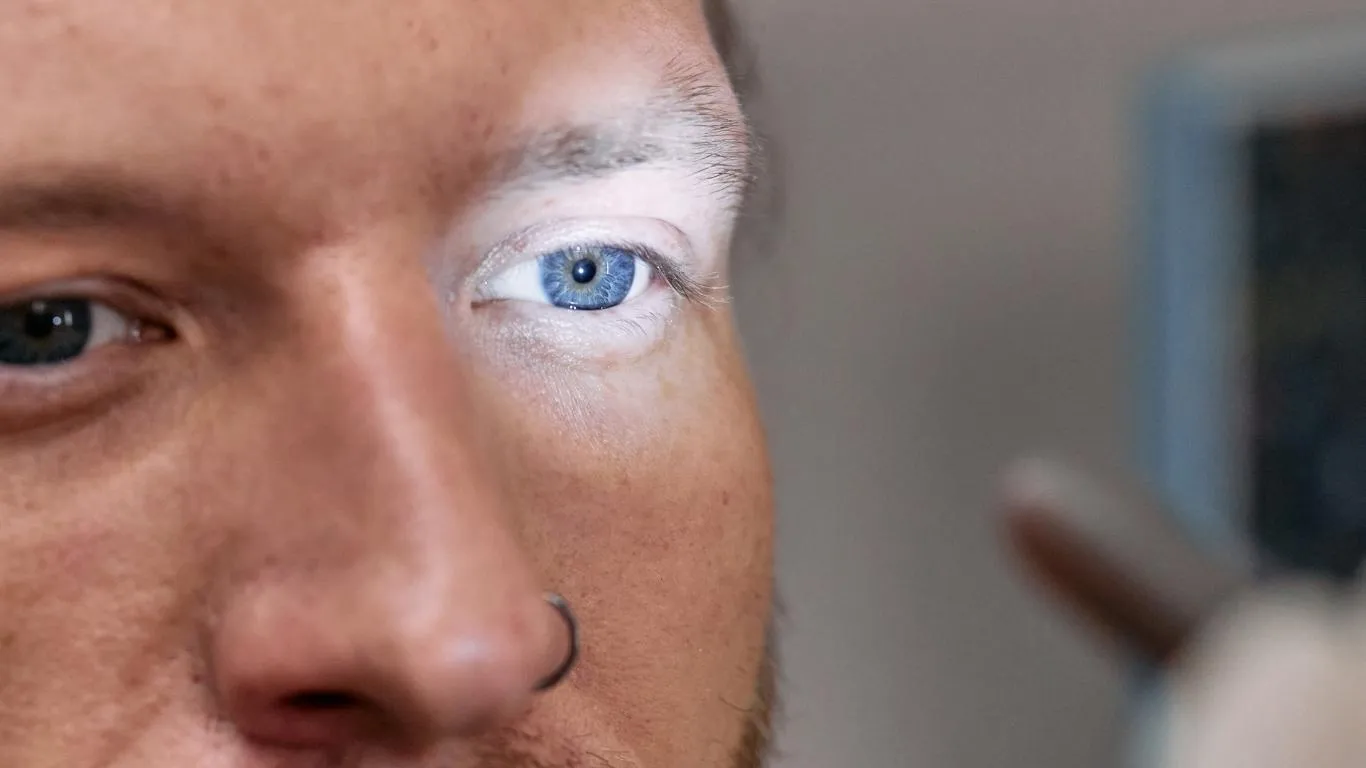
One thing I learned the hard way—floaters can stick around longer than you think. But they can also fade or become less noticeable as your brain adapts to filter them out. That’s actually a known process called neuroadaptation.
Still, if floaters become denser or shift in appearance (suddenly darker or accompanied by flashes), it’s worth re-evaluating. Sometimes, a deeper issue might be involved, like uveitis or even autoimmune activity.
Medical Treatment Options
If all else fails and your floaters are affecting daily life, medical options do exist:
- Laser vitreolysis – breaks floaters with a laser beam
- Vitrectomy – more invasive, but effective in serious cases
Just be cautious. I personally passed on these—too many risks for my case—but for some people, it’s life-changing.
The Takeaway for Hormonal Floater Warriors
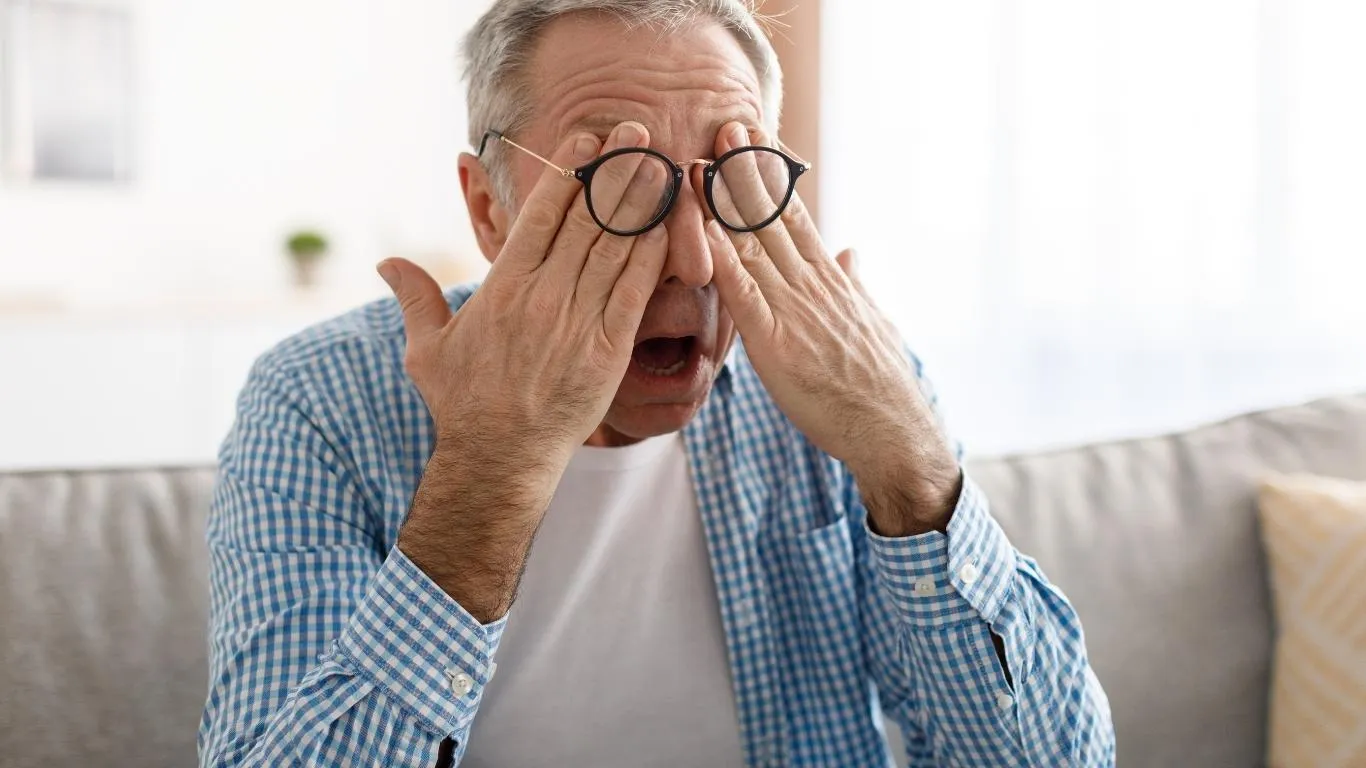
If you’re reading this while battling the frustration of hormonal floaters, you’re not alone. Whether it’s puberty, pregnancy, perimenopause, or just unpredictable hormonal chaos—these shadowy little specs are more common than most people realize.
And while they can’t always be eliminated, they can absolutely be managed. With the right mix of awareness, nutrition, stress reduction, and medical support, you can find a rhythm that helps you live (and see) more clearly.
For a broader understanding of hormonal floaters and how they compare to other types, dive into this comparison guide on floaters versus other eye issues. It’s surprisingly helpful when trying to pinpoint what’s going on.
If you’re still trying to put together the full picture of what causes floaters and how to treat them, you’ll find clarity in this comprehensive breakdown.

Camellia Wulansari is a dedicated Medical Assistant at a local clinic and a passionate health writer at Healthusias.com. With years of hands-on experience in patient care and a deep interest in preventive medicine, she bridges the gap between clinical knowledge and accessible health information. Camellia specializes in writing about digestive health, chronic conditions like GERD and hypertension, respiratory issues, and autoimmune diseases, aiming to empower readers with practical, easy-to-understand insights. When she’s not assisting patients or writing, you’ll find her enjoying quiet mornings with coffee and a medical journal in hand—or jamming to her favorite metal band, Lamb of God.