How An Alcohol-Free Lifestyle Can Calm Daily Anxiety
I didn’t think much of it at first. Skipping alcohol for a while felt like a casual decision—until I realized how deeply it was tangled in my anxiety. If you’re someone navigating the choice to live alcohol-free and also managing anxiety, you’re not alone. I’ve been there too, wrestling with social pressure, sleepless nights, and wondering if cutting booze would even help. Spoiler: it did, but not in the overnight miracle way I hoped. It’s a journey, and that’s what we’re diving into today—one that’s more common (and more powerful) than you might expect.
Why Alcohol-Free Living Can Actually Calm the Mind
Here’s the truth: alcohol might feel like a stress-reliever in the moment, but its after-effects tend to quietly fan the flames of anxiety. For me, weekends were the worst. I’d drink Friday night, feel a little off Saturday, then by Sunday the jitters hit like clockwork. That’s not just coincidence—it’s science.
According to PubMed, alcohol disrupts your brain’s neurotransmitters, like GABA and serotonin, which are essential for regulating mood. When you stop drinking, those systems start recalibrating. It’s not always smooth at first, but the mental clarity that follows? Unmatched.
Let’s Talk Withdrawal Anxiety (Yes, It’s Real)
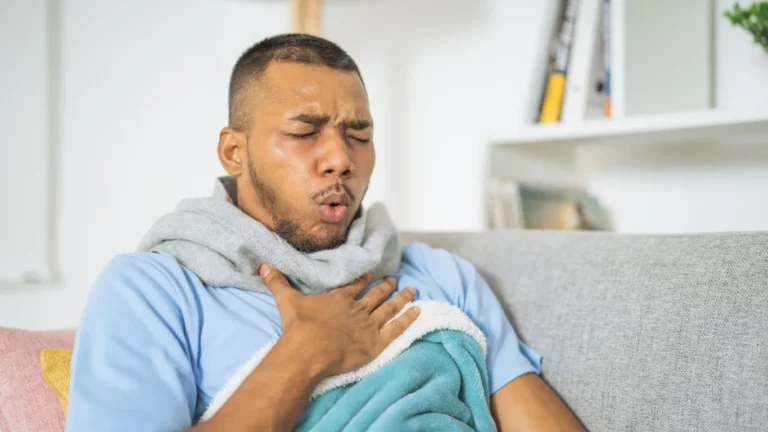
If you’ve ever felt more anxious after quitting alcohol, you’re not imagining it. Alcohol-induced anxiety is a real and tricky beast. Your body, especially if you’ve been drinking frequently, might interpret the lack of alcohol as a threat—setting off a mini panic cycle.
- Racing thoughts
- Heart palpitations
- Sweating or trembling
- Difficulty sleeping
I had all of those. But recognizing them for what they were—temporary withdrawal symptoms—gave me more power over them. And when I finally started sleeping better, that’s when the shift began.
The Surprising Connection Between Gut Health and Sobriety

This part blew my mind. When I stopped drinking, I didn’t just feel different mentally—I also stopped having those weird stomach cramps I’d just accepted as “normal.” Turns out, alcohol wrecks your gut microbiome, and poor gut health is tightly linked to anxiety. It’s why so many people notice better digestion and calmer moods when they go dry.
I also started experimenting with probiotics, and yes, the hype is kind of real. Less bloating, less brain fog, and more emotional stability. If you’re curious, there’s a whole lot more in our guide to diet and nutrition for anxiety.
Common Foods That Helped Me
- Plain Greek yogurt with blueberries
- Fermented foods like kimchi or sauerkraut (small portions!)
- Magnesium-rich snacks like pumpkin seeds
- Swapping coffee with caffeine-free calming teas
Social Triggers: How to Stay Sober Without Losing Your Friends

This was honestly the hardest part. It’s not about saying “no” to a drink—it’s dealing with the why aren’t you drinking? questions that come with it. In the beginning, I felt defensive, even guilty. But over time, I learned a few subtle tactics to take the heat off without making it a whole discussion.
- Have a go-to non-alcoholic drink you actually enjoy (mine’s sparkling water with lime)
- Change the subject quickly—people usually follow your lead
- Be honest if you feel safe doing so, but you don’t owe anyone a TED talk
It also helped to read more about how social and professional anxiety often go unnoticed. Knowing that gave me more empathy for myself and others.
Sleep, Glorious Sleep—Finally

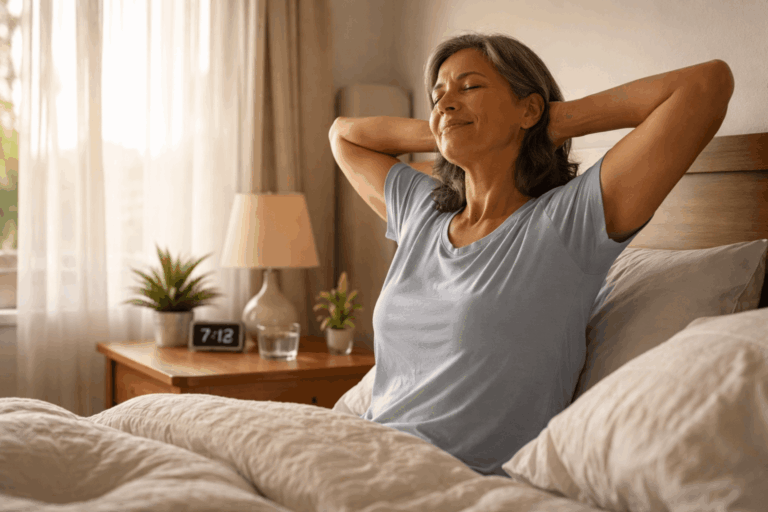
I can’t stress this enough—cutting alcohol changed my sleep game entirely. Sure, the first week or two was rough (hello, 3AM wide-awake sessions), but then it clicked. I was falling asleep easier, staying asleep longer, and waking up without that weird internal shakiness.
Sleep is everything when you’re managing anxiety. If you’re curious about how it all fits together, check out this helpful deep-dive into sleep and anxiety. And yes, sleep hygiene matters more than we realize—something I learned the hard way before establishing my nightly wind-down ritual (spoiler: no screens, warm shower, chamomile tea).
Here’s My Night Routine Now
- Wind-down alarm at 9:30 PM
- 10-minute breathing session with this breathing technique
- Journal 3 things I’m grateful for (corny, but powerful)
- Room set to 68°F, no overhead light, audiobook until I drift
If you’re struggling to sleep and also want to cut alcohol, know that those two things are intimately linked. I didn’t fully believe it until I felt it—calm, deep, natural sleep. Every night. Game-changer.
Want to go deeper into healing beyond the bottle? Start with this cornerstone read: Lifestyle and Self-Help for Anxiety, and don’t skip our core pillar: Why Anxiety Disorders Can Secretly Control Your Daily Life.
What Happens Emotionally After You Quit Drinking

I wasn’t prepared for the emotional surge that hit after quitting alcohol. No one really talks about that part enough. You expect the anxiety to go away—and it does, but not before some of the stuff you’ve been numbing shows up first. Old feelings. Resentments. Random fears. All that emotional “clutter” that alcohol had been quietly muting? It bubbles up.
The key is knowing that this wave is normal, and more importantly, temporary. What helped me most was leaning into healthy emotional outlets. Therapy, journaling, long walks with no headphones—just space to feel. One thing that made a huge difference was learning about Acceptance and Commitment Therapy and how it helps reframe intrusive thoughts without fighting them.
Here’s What Helped Me Emotionally Regulate
- Learning to sit with discomfort instead of avoiding it
- Getting back into hobbies I abandoned—especially creative stuff like sketching
- Journaling regularly, even if it felt awkward at first
- Talking about how I was feeling—even when it wasn’t pretty
What to Do When Anxiety Creeps Back
This might sound weird, but I was kind of annoyed the first time I felt anxious again after weeks of being sober. Like, “Wait, I’m doing everything right now, why is this happening?” But that’s the catch—quitting alcohol doesn’t erase anxiety, it just gives you the tools to actually deal with it head-on.
One of the tools that saved me was mindfulness. Not the buzzword-y version, but actual daily mindfulness—slow walks, no phone at lunch, noticing the world again. I found techniques in Mindfulness-Based Cognitive Therapy that helped me stay grounded even when my brain wanted to spiral.
My “Grounding On-The-Go” Routine
- Stop what I’m doing
- Take 3 deep, slow breaths
- Name 5 things I can see, 4 I can touch, 3 I can hear, 2 I can smell, 1 I can taste
- Remind myself, “You’ve felt this before, and it always passes.”
If anxiety still felt overwhelming, I found comfort in revisiting practical options like beta blockers or CBD oil. I didn’t use them long-term, but in moments of high stress, they helped create a buffer when I needed it most.
When the World Feels Too Loud Without Alcohol

This one surprised me. I didn’t expect regular environments—grocery stores, group dinners, even watching TV—to feel more intense. It’s like I’d removed this dulling layer and suddenly everything was louder, brighter, faster.
Turns out, many people experience sensory sensitivity post-alcohol. I wasn’t just being dramatic. It was my nervous system re-regulating. That reactivity mellowed over time, but in the moment, I learned how to reduce the noise—literally and figuratively.
What Worked for Me:
- Noise-canceling headphones in crowded areas
- Creating a “calm corner” at home with low light and soft textures
- Limiting screen time after 8PM
- Aromatherapy with lavender oil—yes, it actually helped
The Long Game: Confidence Without Alcohol

There’s a confidence that comes from knowing you can handle discomfort without reaching for a drink. I didn’t feel that right away, but a few months in, I caught myself laughing in a group without overthinking it. Speaking up in meetings. Saying no without apology. That’s the stuff no one tells you about—but it’s the real payoff.
Performance anxiety used to derail me. But when you face social situations without alcohol as your safety net, you learn to build real confidence. There’s a fantastic breakdown of this in this guide on performance anxiety, and I can’t recommend it enough if that’s your struggle.
And when things still feel heavy? It’s totally okay to ask for support. For me, group therapy was a game changer. Not in a cliché way, but in a “finally, someone else gets it” kind of way. If you’re curious, this article on group therapy for social anxiety nails it.
How I Made It Stick

Making alcohol-free living sustainable was never about perfection—it was about building a life where drinking didn’t feel necessary. That meant focusing on energy-giving habits, things that made me feel grounded, empowered, alive. I leaned into structure: morning walks, better meals, less social media, more face-to-face time.
If I ever felt tempted to go back, I’d remind myself why I started. Anxiety without alcohol is still anxiety sometimes—but it’s honest, manageable, and way less chaotic. If you’re walking this path too, I promise the fog does lift.
Looking to integrate your routines with calm habits? Start here: Lifestyle & Self-Help for Anxiety. Or, for the bigger picture, dig into our key pillar: Why Anxiety Disorders Can Secretly Control Your Daily Life.

Camellia Wulansari is a dedicated Medical Assistant at a local clinic and a passionate health writer at Healthusias.com. With years of hands-on experience in patient care and a deep interest in preventive medicine, she bridges the gap between clinical knowledge and accessible health information. Camellia specializes in writing about digestive health, chronic conditions like GERD and hypertension, respiratory issues, and autoimmune diseases, aiming to empower readers with practical, easy-to-understand insights. When she’s not assisting patients or writing, you’ll find her enjoying quiet mornings with coffee and a medical journal in hand—or jamming to her favorite metal band, Lamb of God.