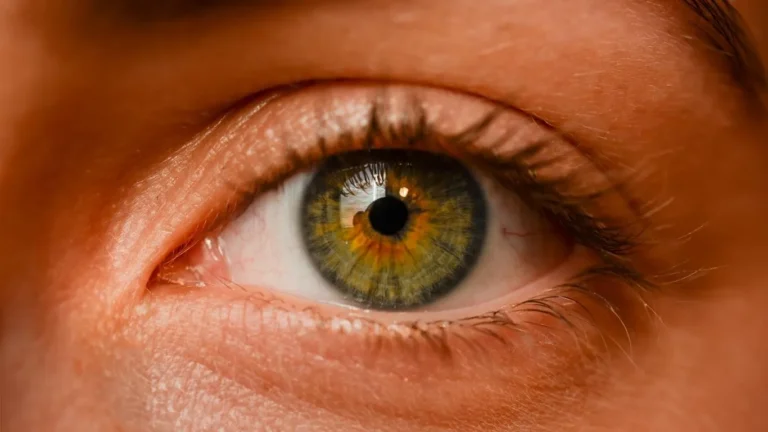
Why Floaters After Allergies Medication Might Be a Bigger Issue
Last spring, I remember sneezing my way through an unusually aggressive allergy season, popping antihistamines like candy. But what really caught me off guard? Those weird squiggly shadows drifting across my vision. I thought maybe I was just tired—or dehydrated. Turns out, those floating specs had a name: eye floaters. And oddly enough, my allergy meds might’ve had something to do with them. So if you’re battling allergies and suddenly seeing things that aren’t really there, this might be exactly what you need to read.
What Are Floaters, and Why Do They Show Up After Allergy Meds?
Floaters are those tiny shapes—dots, threads, cobwebs—that drift across your field of vision. They’re not just annoying; sometimes they’re a signal. Especially when they show up after starting a new medication. Allergy meds, in particular, seem to trigger them in some people.
The big question is: why? Allergy medications, especially antihistamines and corticosteroids, can have subtle side effects on the eyes. While most people think dry eyes or blurry vision are the only issues, there’s growing evidence that they can also play a role in floaters.
What Happens Inside Your Eye?
Inside your eye is a jelly-like substance called the vitreous humor. It helps the eyeball maintain its shape and keeps the retina snug. But here’s the thing: as we age—or when triggered by certain medications—that jelly starts to shrink or clump. These clumps cast shadows on the retina, and that’s what we see as floaters.
Can Antihistamines Really Be the Culprit?
I was skeptical at first, too. But after doing a bit of research (and speaking with my eye doc), it turns out that some allergy medications can indirectly lead to floaters. Here’s how:
- Drying effect: Antihistamines can dehydrate tissues, including those in your eyes. This might lead to changes in the vitreous humor.
- Blood pressure impact: Some decongestants in allergy pills may increase blood pressure slightly, which in turn affects the eyes’ delicate vessels.
- Changes in intraocular pressure: Corticosteroid-based allergy medications can disrupt fluid balance in the eyes.
In my case, I was taking a combination antihistamine and decongestant. About two weeks in, the floaters started. Coincidence? Maybe. But I wasn’t alone—online forums are full of people reporting the same thing.
How to Know If It’s Serious or Just Annoying
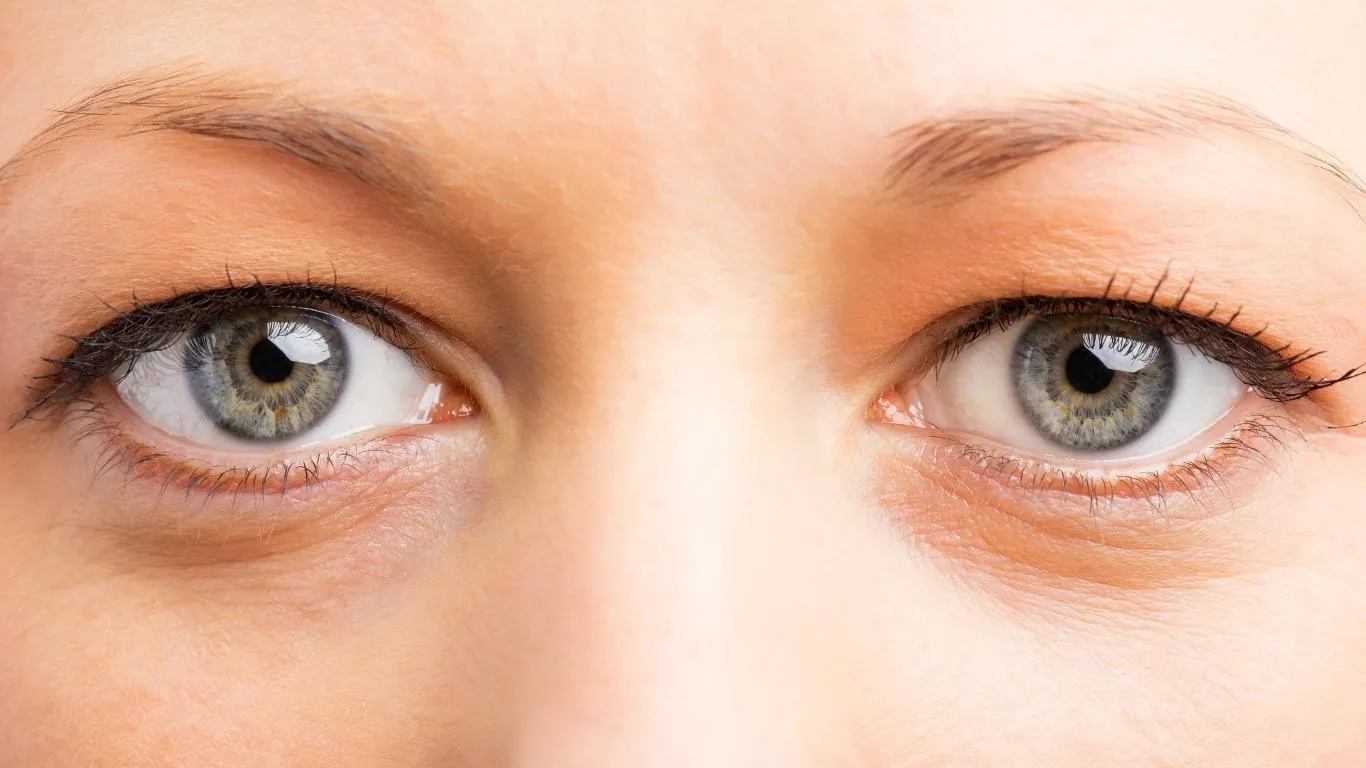
Most of the time, floaters are harmless. But you should never ignore sudden or worsening floaters—especially if they come with flashes of light, blurred vision, or a curtain-like shadow creeping over your sight. Those could signal something serious like a retinal tear.
Allergy meds might just be a contributing factor, but if your floaters appeared right after you started them, it’s worth investigating. You can also refer to this post-allergy vision issue article that covers how eye inflammation ties into the equation.
My Personal Tip?
I switched brands, stayed super hydrated, and added omega-3 supplements. The floaters didn’t vanish, but they became way less noticeable over a few weeks.
When to See a Doctor Immediately
- Floaters appear suddenly and in large numbers
- You see flashes of light
- Loss of side or central vision
- You’ve had recent eye surgery or trauma
Don’t wait around if this happens. A retinal tear or detachment can move fast, and vision loss might be permanent.
Other Factors That Can Make Things Worse
- Bright light exposure – Floaters are more visible in sunlight. I noticed mine while hiking in Colorado.
- Screen time – Long hours on digital devices can amplify awareness of floaters.
- Stress and lack of sleep – These weaken your eye health overall.
Here’s a well-covered article on how screen time and floaters are more closely linked than we think.
Could Floaters Be a Sign of a Bigger Allergy Issue?
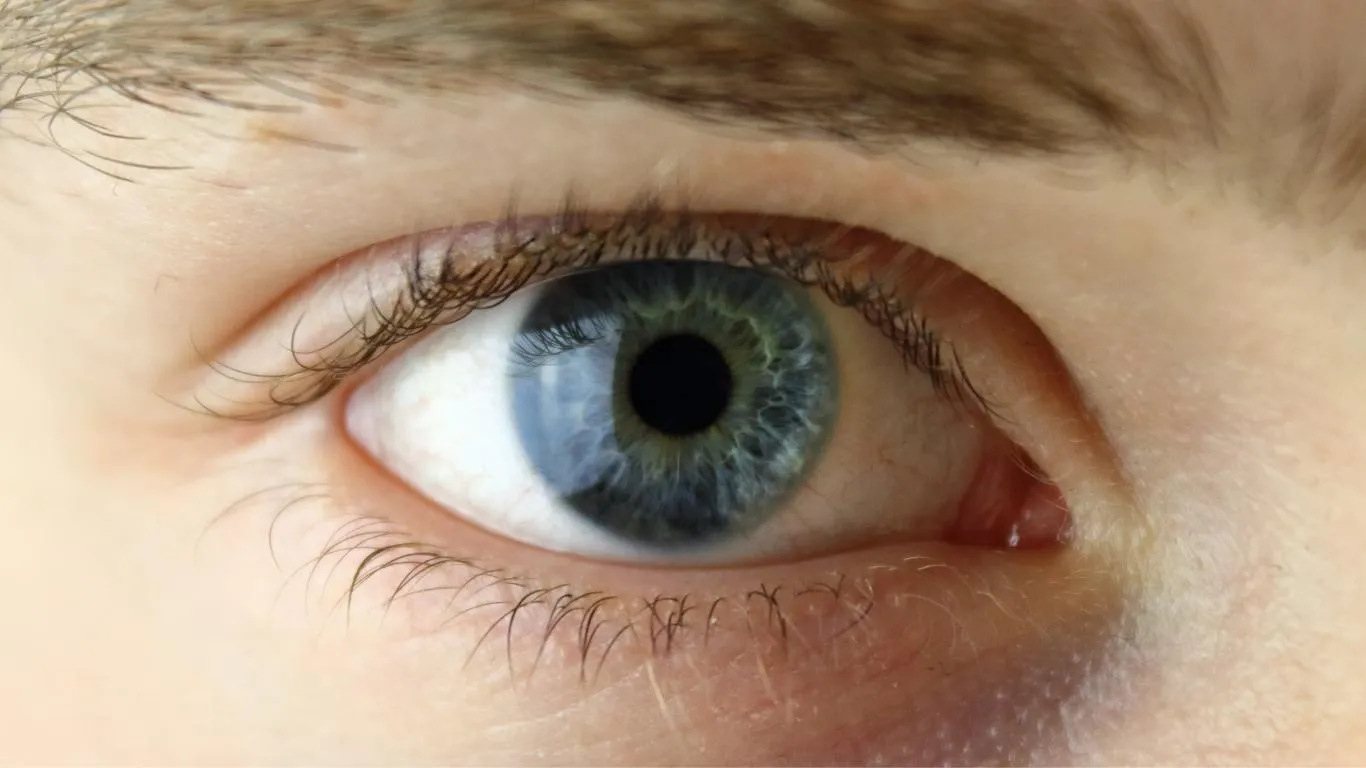
Sometimes, the floaters aren’t just about the meds. Severe allergic reactions like uveitis or inflammation inside the eye can actually cause floaters directly. If you’ve ever had red, painful, or blurry eyes during allergy season, and floaters followed, this could be the reason.
To learn more about various causes, this in-depth pillar article on causes of eye floaters covers everything from aging to trauma. And for a complete look at all symptoms and options, here’s the main eye floaters overview you’ll want to bookmark.
Are There Better Alternatives to Typical Allergy Meds?
If your allergy meds are messing with your vision, you might want to talk to your doctor about switching to:
- Nasal sprays – These work locally and might not affect the eyes as much.
- Natural antihistamines – Like quercetin or stinging nettle, though effectiveness varies.
- Environmental control – Use HEPA filters, keep windows closed, and avoid high pollen times.
Also, check out trusted sources like American Academy of Ophthalmology or NCBI for research-backed recommendations on both eye health and allergy treatment strategies.
What I Did to Manage Floaters Without Ditching My Allergy Meds
I wasn’t ready to quit my allergy meds altogether—I like breathing through my nose, thank you very much. But I also couldn’t stand those weird drifting dots in my vision. So I made a few small changes that helped more than I expected.
- Hydration, hydration, hydration – I doubled my water intake and noticed floaters faded faster throughout the day.
- Eye-friendly diet – Added leafy greens, wild salmon, and swapped coffee for green tea (most days).
- Reduced screen time – Okay, not drastically, but I took regular breaks. Helped with both the floaters and dry eyes.
- Omega-3 and Lutein supplements – My optometrist recommended these. Can’t promise magic, but they did seem to help after a month or so.
If you’re curious about vision supplements, here’s a comprehensive post on which ones actually work.
Are Some People Just More Prone to Allergy-Related Floaters?
Turns out, yes. People with chronic inflammatory responses or autoimmune-related allergies may be at higher risk. And if you already have underlying connective tissue conditions like Ehlers-Danlos, you’re even more susceptible. These issues can alter the structure of the vitreous humor and make it more likely to degrade or shift when medications influence internal hydration or inflammation.
Floaters also tend to show up more in people over 40, especially those with long-term allergy medication use. If you’re around that age and suddenly noticing these changes, this age-focused floater guide offers more clarity on what’s normal and what’s not.
And Genetics?
Oh yeah. I found out my mom had floaters most of her life but just never talked about it. Turns out, genetics can absolutely play a role. So if allergies run in your family and floaters show up often, there might be more than one factor at work.
Are Floaters After Allergy Meds Temporary or Permanent?
That’s the tricky part—it depends. For many, floaters fade or settle lower in the eye over time, making them less noticeable. But for others, they can stick around for months or even permanently.
Floaters caused or triggered by allergy meds often do resolve on their own once your body adjusts or the medication is changed. If they’re persistent and annoying, your eye specialist might mention a vitrectomy or laser vitreolysis, but those are usually last-resort options for extreme cases.
Natural Management Methods I Tried
Besides hydration and diet, I also dabbled in natural methods. I’ll be honest—not everything worked. But a few did make a difference:
- Warm compresses – Helped with overall eye strain and allergy-related itchiness, which made floaters less distracting.
- Eye yoga – Yeah, it’s a thing. It didn’t erase floaters, but it definitely helped with eye fatigue.
- Bilberry extract – Some studies suggest it supports retinal health. Might’ve helped? Hard to tell, but no harm done.
If you’re into the idea of holistic care, this natural floater management guide goes deep into the what works (and what doesn’t) territory.
When Allergy Meds Just Aren’t Worth the Risk
After a few rounds of meds and floaters that just wouldn’t back down, I had a real conversation with my allergist. Sometimes, if allergy symptoms are moderate and floaters are severely affecting your daily life, switching or tapering off certain meds is a valid option. There are newer-generation antihistamines with fewer side effects, and nasal corticosteroids with minimal systemic absorption.
Also, some floaters could actually be a result of underlying eye inflammation that allergy meds aren’t calming. That’s when checking in with both an allergist and an eye doctor becomes important. If left unchecked, issues like uveitis can lead to lasting damage.
Final Notes for Anyone Dealing with Allergy-Linked Floaters

Honestly, I never imagined allergy meds could mess with my eyes this much. But floaters taught me a lot about how interconnected our systems really are. If you’re going through this, know that you’re not alone—and that there are definitely options. Whether it’s adjusting your meds, tweaking your daily habits, or just giving your eyes a little more TLC, there’s plenty you can do.
For a deeper understanding of how symptoms evolve and when they’re a red flag, I’d recommend this solid resource on recognizing floater symptoms. And if you’re still curious how it all connects, don’t miss the full breakdown in the main eye floaters overview.

Camellia Wulansari is a dedicated Medical Assistant at a local clinic and a passionate health writer at Healthusias.com. With years of hands-on experience in patient care and a deep interest in preventive medicine, she bridges the gap between clinical knowledge and accessible health information. Camellia specializes in writing about digestive health, chronic conditions like GERD and hypertension, respiratory issues, and autoimmune diseases, aiming to empower readers with practical, easy-to-understand insights. When she’s not assisting patients or writing, you’ll find her enjoying quiet mornings with coffee and a medical journal in hand—or jamming to her favorite metal band, Lamb of God.