Living Better With Spinal Stenosis Back Pain Relief
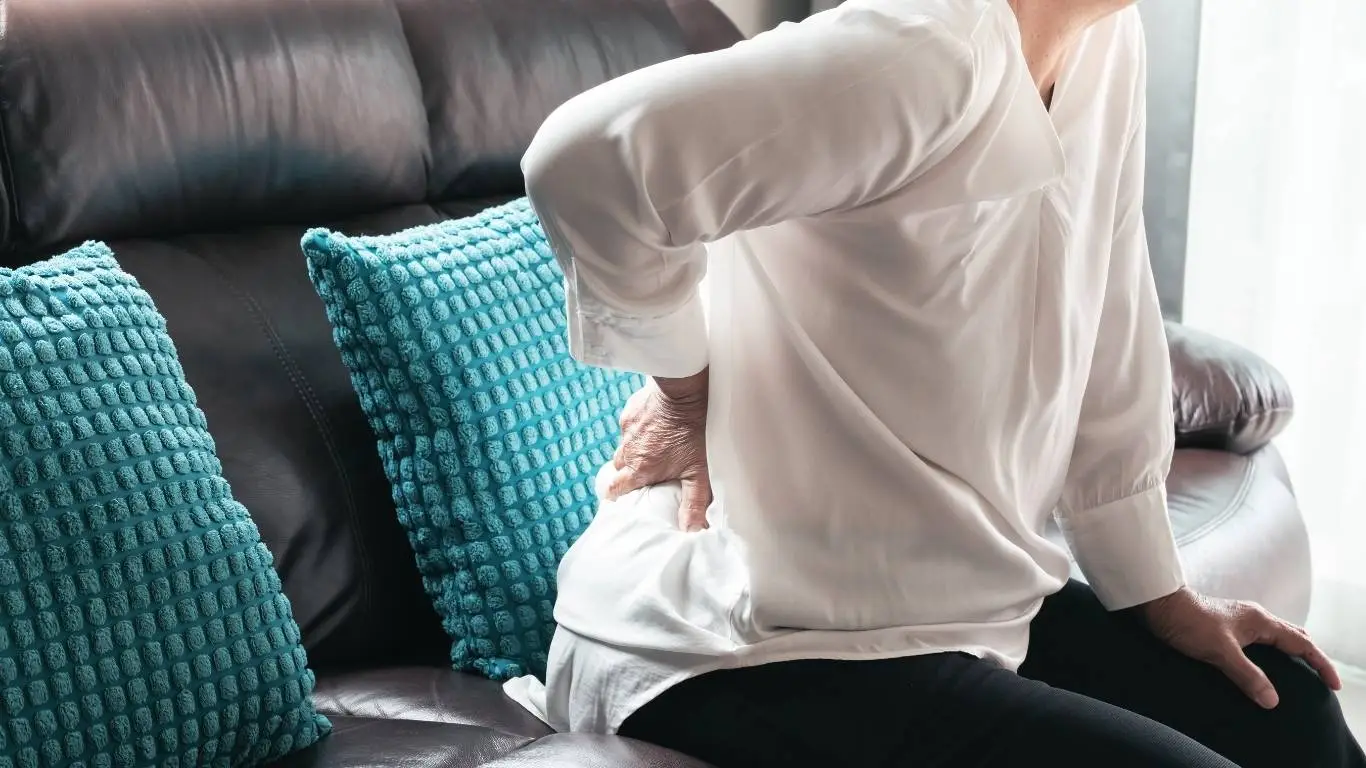
When I first heard the term spinal stenosis, it sounded like some rare condition only a handful of people deal with. Turns out, I was wrong — really wrong. A few years back, I started having this weird mix of numbness and sharp pain running down my lower back into my legs. I thought it was a pinched nerve or just age creeping in. But after a few tests and a long chat with my doc, the culprit had a name: spinal stenosis. If you’ve been struggling with lower back pain, stiffness, or that irritating “pins and needles” feeling, you’re not alone. Let’s break this down together — minus the jargon and confusing medical lingo.
What Exactly Is Spinal Stenosis?
At its core, spinal stenosis means your spinal canal — the pathway that houses your spinal cord and nerves — is narrowing. Think of it like a garden hose being slowly squeezed. That narrowing puts pressure on your nerves, and your back isn’t shy about letting you know something’s off.
This condition most commonly affects the lower back (lumbar spine) and the neck (cervical spine), but since we’re focusing on spinal stenosis back pain, we’ll stick to the lumbar region for now.
Common Triggers Behind the Narrowing
- Osteoarthritis: Wear and tear over time leads to bone spurs that eat into your spinal space.
- Herniated discs: Discs slipping out of place or breaking open can press on your nerves.
- Thickened ligaments: Yep, even the stuff holding your spine together can bulk up and cause trouble.
- Spinal injuries: Trauma or past surgeries sometimes cause inflammation or bone growth that narrows the space.
According to NIH and Mayo Clinic, age is the most common factor, especially in folks over 50. That’s not to say younger adults are immune, but it’s rarer.
How It Actually Feels: Symptoms You Shouldn’t Ignore
My symptoms started subtly — a bit of back stiffness in the morning and occasional leg tingling when I stood for too long. Slowly but surely, it turned into real discomfort. These are some telltale signs:
- Lower back pain that worsens when standing or walking but eases when you sit or lean forward.
- Numbness or tingling in your legs or feet.
- Weakness that can make it hard to lift your foot (they call it “foot drop”).
- Balance problems or even issues with bladder/bowel control (rare but serious).
If that sounds familiar, you’re not imagining it. It might be time to dig deeper with a diagnosis. You can learn more about how doctors identify and evaluate spinal conditions here.
Why It’s More Than Just “Aging Pain”

It’s easy to dismiss spinal stenosis as “just getting old,” but that’s not entirely fair — or helpful. Sure, aging bones and joints contribute to it, but lifestyle factors play a huge role too.
Poor Posture and Sedentary Habits
Like many of us, I spent years hunched over a laptop and barely moving for hours. That poor posture and lack of mobility tightened my hips, weakened my core, and sent more stress straight to my lumbar spine.
Weight and Spinal Pressure
Extra pounds — especially around the midsection — pull the spine forward and compress the discs. The more strain, the faster your spinal canal wears down.
Work and Repetitive Motion
Jobs that involve heavy lifting, repetitive bending, or long hours of driving can also speed up degeneration. Read more about how occupation and travel play a role in back pain over on this insightful breakdown.
What You Can (and Should) Do About It
Getting diagnosed doesn’t mean surgery is around the corner. There are plenty of non-invasive ways to manage and even improve symptoms.
Conservative Treatments
Before jumping to surgery, most doctors will guide you through:
- Physical therapy to strengthen core muscles and improve flexibility.
- Anti-inflammatory meds (NSAIDs) to reduce pain and swelling.
- Epidural injections for targeted nerve relief (I tried these, and they gave me a few good months of mobility).
- Heat and cold therapy — surprisingly helpful during flare-ups.
For a more detailed breakdown, check out this resource on conservative treatment options.
Move Smart, Not Hard
Simple lifestyle changes go a long way. I personally started with short morning walks and light stretches. Eventually, I added yoga poses tailored for spinal health. You don’t have to hit the gym like a bodybuilder — consistency is key.
Looking for safe, effective movement options? The guide on exercise, rehab, and ergonomics is worth a read.
Emotional and Mental Toll: It’s Real

Living with chronic back pain isn’t just physical. It creeps into your mood, relationships, and energy levels. I’ve had days where the pain made me snappy, distracted, and just… not myself. It’s okay to acknowledge that. Don’t underestimate the mental and emotional aspects of spinal issues — they deserve attention too.
For anyone feeling overwhelmed, consider reaching out to a support group or mental health professional. Managing your back pain doesn’t stop at the spine — it includes your whole self.
If you’re ready to explore all aspects of back pain and dive deeper into the many causes and solutions, don’t miss the main pillar article on back pain. And for a broader perspective on the different types and anatomy behind your pain, this in-depth guide is a solid place to start.
When Conservative Treatments Aren’t Enough

Sometimes, no matter how many stretches you do or how many meds you take, the pain just sticks around. I hit that wall myself. There comes a point where your quality of life takes a dip — you start skipping things, canceling plans, or struggling to do everyday stuff. That’s usually when your doctor might bring up minimally invasive surgical options.
Understanding the Surgical Path
The good news? Surgery isn’t as scary as it sounds. Techniques have come a long way, and many procedures for spinal stenosis now fall under the “minimally invasive” umbrella — meaning smaller incisions, quicker recovery, and less disruption to surrounding tissues.
Some of the most common procedures include:
- Laminectomy: Removing part of the bone (the lamina) to relieve pressure on the nerves.
- Foraminotomy: Enlarging the space where nerves exit the spinal canal.
- Spinal fusion: Fusing two or more vertebrae together to stabilize the spine (usually a last resort).
If you’re curious about what surgical options look like and whether you might be a candidate, you can explore this in-depth surgical resource.
Making Your Home Spinal-Stenosis Friendly
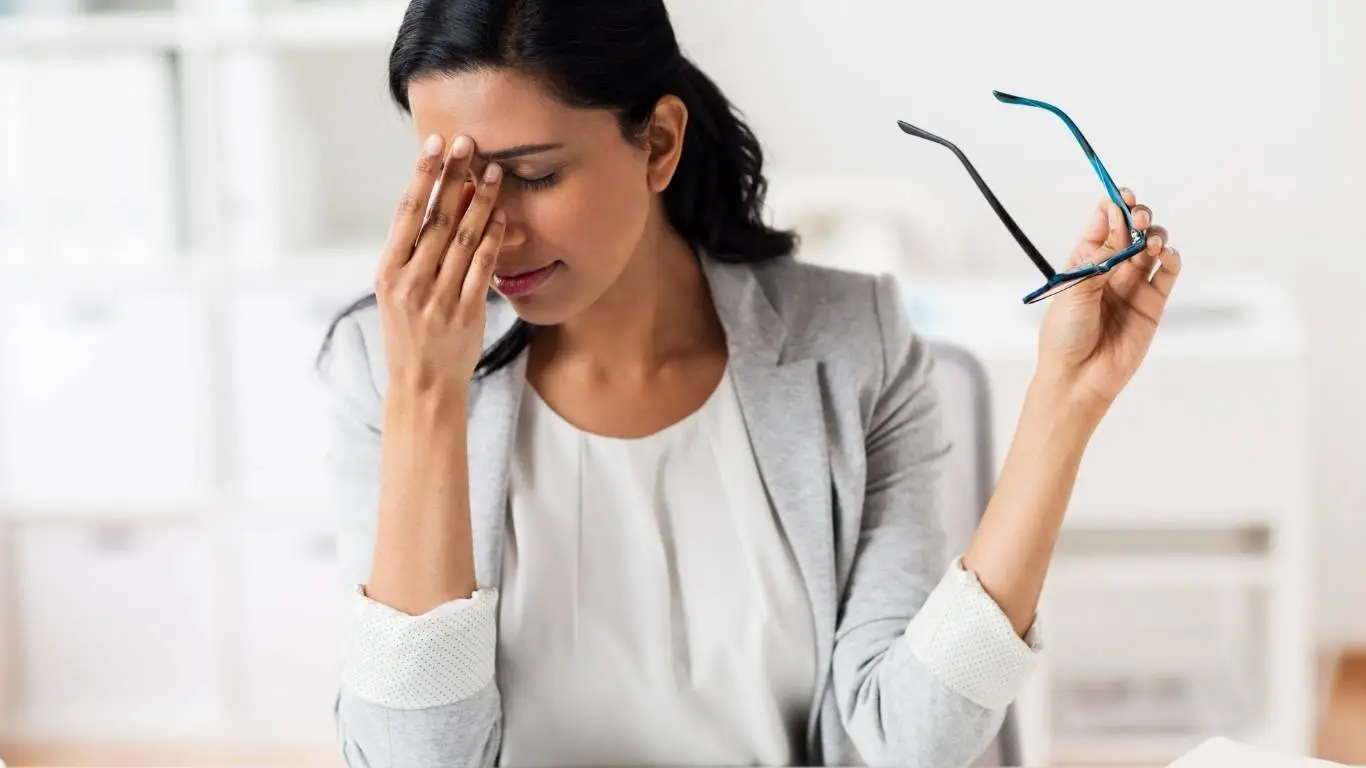
After my diagnosis, I realized my home wasn’t doing my back any favors. From saggy couches to poorly placed work desks, it was a disaster. I made a few small changes that added up big time:
Quick Home Adjustments That Help
- Ergonomic furniture: Invest in a chair with lumbar support. Trust me, your spine will thank you.
- Adjust desk height: Your monitor should be eye-level, and your feet flat on the floor.
- Supportive mattress: Ditch the 10-year-old foam and go for something medium-firm with pressure relief.
- Keep items waist-high: Bending too low or reaching too high can be a trigger.
If posture and ergonomics interest you, this guide on rehab-friendly ergonomics is gold.
Daily Movement and Stretching Routines That Actually Work

I can’t overstate how much regular movement changed my back health. We’re not talking bootcamp-level fitness here — just simple, intentional moves that target the spine, core, and hips.
What Worked for Me
- Pelvic tilts to wake up the lower back in the morning
- Cat-cow stretches for spinal flexibility
- Bridges to strengthen glutes and reduce spinal load
- Hamstring stretches — tight hammies often pull on the back
Mixing these in with short walks — 10 minutes here and there — was key. I also started practicing mindful movement, paying attention to how I sit, bend, and carry things throughout the day. Those little adjustments add up.
Need more guidance on effective exercises? Check this comprehensive resource for spinal-safe workouts.
Natural and Lifestyle-Based Support

Surprisingly, what you eat and how you manage stress play a bigger role in back pain than most people think. I started cleaning up my diet, adding anti-inflammatory foods, and making time for short daily mindfulness breaks.
Simple Natural Support Tactics
- Omega-3s from fish or flaxseed to fight inflammation
- Magnesium and Vitamin D to support nerve and muscle health
- Turmeric with black pepper — a game-changer for me
- Herbal teas like ginger or chamomile for calming flare-ups
For a deeper dive into how natural support and diet can help, the section on lifestyle and natural remedies has practical suggestions you can start today.
Stenosis and Special Situations: When Life Gets Complicated

Not all spinal stenosis cases look the same. If you’re pregnant, an athlete, or managing other chronic conditions, things get more complex. A friend of mine developed spinal stenosis during pregnancy, and it completely changed how she moved, exercised, and even slept.
Others deal with it post-surgery, or alongside scoliosis, arthritis, or osteoporosis. That’s why it’s critical to get a plan tailored to your situation. This article on special populations explains how different groups experience and manage back pain differently.
When It Affects More Than Just Your Back
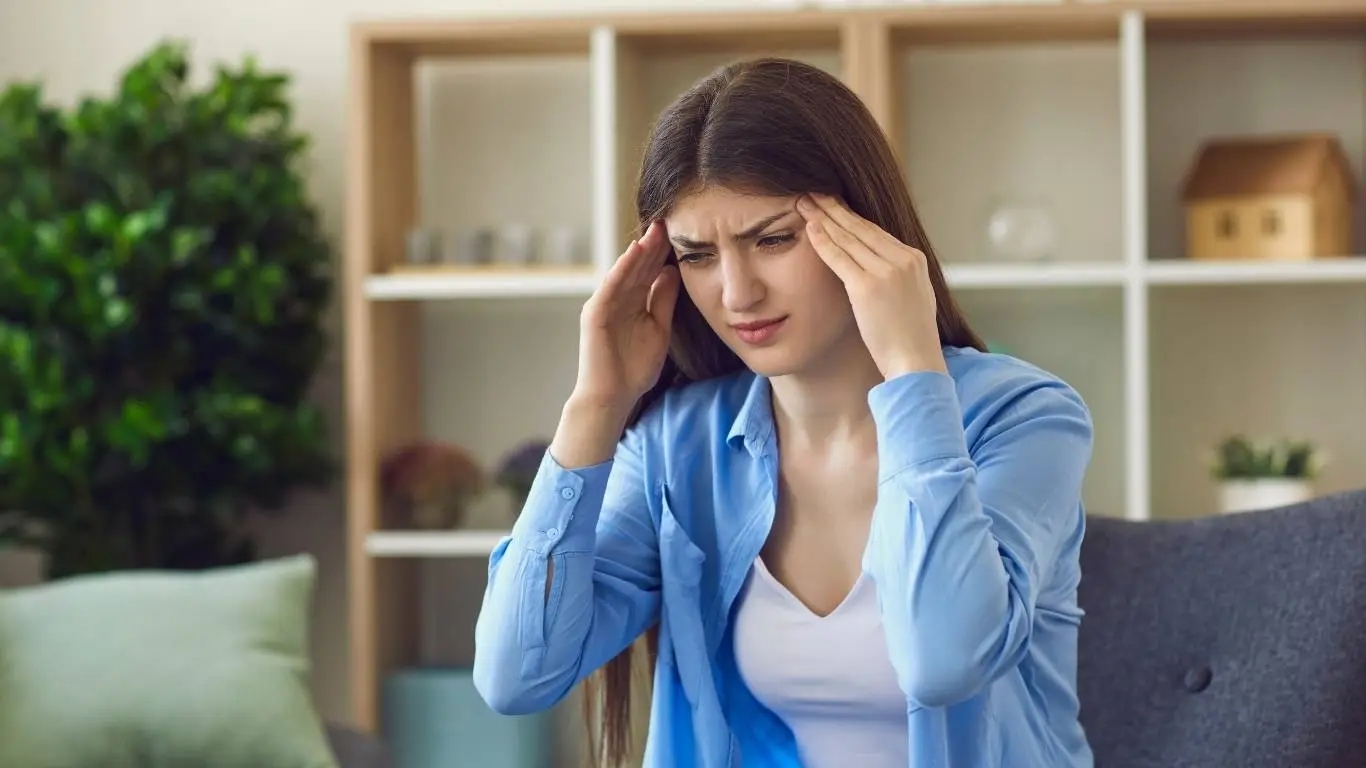
The longer I dealt with spinal stenosis, the more I realized how much it affected my life outside of physical pain. It crept into my work focus, my sleep, and even my moods. Chronic pain has a way of making you feel tired of being tired.
That’s why emotional support matters. Whether it’s counseling, journaling, or even online communities — talking about it helps. I found tremendous relief in connecting with others who “get it.” We swapped stretches, swapped frustrations, and honestly, laughed through the worst of it sometimes.
If your experience with spinal stenosis is starting to impact your mental health, here’s an insightful look at how the emotional and mental aspects matter just as much as physical ones.
Moving Forward With Confidence

Managing spinal stenosis back pain is a journey — one with ups and downs. But it doesn’t have to define you. You can adapt, thrive, and live fully with the right support, smart habits, and realistic expectations.
For a broader understanding of everything related to spinal health, symptoms, and treatment paths, the main article on back pain covers the entire landscape. And if you’re curious about what’s really going on inside your spine, check out this incredibly helpful guide to spine types and anatomy.

Camellia Wulansari is a dedicated Medical Assistant at a local clinic and a passionate health writer at Healthusias.com. With years of hands-on experience in patient care and a deep interest in preventive medicine, she bridges the gap between clinical knowledge and accessible health information. Camellia specializes in writing about digestive health, chronic conditions like GERD and hypertension, respiratory issues, and autoimmune diseases, aiming to empower readers with practical, easy-to-understand insights. When she’s not assisting patients or writing, you’ll find her enjoying quiet mornings with coffee and a medical journal in hand—or jamming to her favorite metal band, Lamb of God.