
Best Diet Changes To Improve Eye Floaters Naturally
I remember the first time I noticed them — those strange little squiggly shadows drifting across my vision, especially when I stared at the sky or a blank screen. I blinked, rubbed my eyes, even looked away hoping they’d vanish. They didn’t. A quick search led me to discover they’re called eye floaters, and while most are harmless, they were annoying enough to make me rethink a few lifestyle habits — starting with my diet.
How Diet Influences Eye Floaters
Most people don’t associate floaters with food, but believe it or not, what you eat can significantly impact your eye health. The vitreous — the gel-like substance in our eyes where floaters form — is sensitive to oxidative stress, inflammation, and even hydration levels, all of which are affected by our diet.
I noticed my floaters became more prominent when I had more processed foods, skipped hydration, or loaded up on sugar. After gradually shifting to a more eye-friendly diet, they didn’t disappear completely, but they became less noticeable and my eyes felt less strained overall.
Anti-Inflammatory Foods You Should Be Eating

Inflammation is one of the leading contributors to eye floaters, especially as we age. By adding anti-inflammatory foods to your diet, you give your eyes the nutritional ammunition to stay clearer and healthier.
Some powerful anti-inflammatory foods to add:
- Fatty Fish – Salmon, mackerel, and sardines are rich in omega-3s, which help reduce inflammation in the retina and vitreous.
- Leafy Greens – Spinach, kale, and arugula are packed with antioxidants like lutein and zeaxanthin.
- Berries – Blueberries and blackberries are loaded with anthocyanins that support capillary integrity in the eyes.
- Turmeric – A pinch of this golden spice in your meals can work wonders due to its curcumin content.
There’s even some emerging research connecting systemic inflammation to floaters in specific conditions, like autoimmune diseases. Here’s more on how autoimmunity plays a role.
Foods Rich in Antioxidants: Your Retina’s Best Friends
Oxidative stress causes damage to the collagen fibers in the vitreous. That damage is one of the main reasons floaters form or worsen over time. Fortunately, antioxidants are nature’s fix.
Focus on these top picks:
- Vitamin C-rich fruits – Oranges, kiwis, and strawberries help protect the blood vessels in the eyes.
- Vitamin E sources – Almonds, sunflower seeds, and avocado promote cellular repair in ocular tissues.
- Beta-Carotene foods – Carrots and sweet potatoes support overall eye function and may stabilize floaters.
I make a morning smoothie with spinach, orange, flaxseeds, and a little turmeric — not just for taste, but because I genuinely feel my vision stays sharper throughout the day.
For a deeper dive into the root causes of floaters, including aging and oxidative damage, check out this comprehensive breakdown.
What to Avoid: Diet Habits That May Worsen Floaters

Let’s not pretend we all eat clean 100% of the time — I’ve definitely had my junk food moments. But there are a few diet habits I started avoiding once I realized they might be making my floaters more noticeable:
- Excessive sugar – High blood sugar can affect the small vessels in your eyes. Here’s how diabetes ties in.
- Too much alcohol – It’s dehydrating and can reduce the amount of nutrients available to your eyes. This explains the link further.
- Highly processed foods – These often lack nutrients and contain additives that might trigger inflammation.
One night after a party (and a few too many drinks), my floaters were dancing like crazy the next morning. It could’ve been coincidence, but after repeating the pattern a few times… I got the message.
Hydration: The Underrated Fix
While technically not a “food,” water is crucial. The vitreous humor is over 98% water. Dehydration can make floaters more prominent, as the collagen clumps together more visibly. I now keep a water bottle with me throughout the day and limit caffeine to avoid fluid loss.
This article on dehydration’s impact on floaters helped reinforce how serious that link is.
There’s also the bigger picture — this detailed overview covers everything from causes to treatments if you want the full scope.
What Science Says (And What’s Still Unknown)
Clinical evidence around diet and floaters is still evolving. While there’s no hard proof that certain foods can eliminate floaters, correlation doesn’t always mean causation — but it does mean it’s worth paying attention.
Some researchers believe oxidative damage, vitreous degeneration, and poor vascular health are all connected, and that’s where dietary interventions play a critical role. Peer-reviewed research from ncbi.nlm.nih.gov and aao.org supports some of these links, especially when it comes to nutrients like lutein, zeaxanthin, and omega-3 fatty acids.
One study even explored whether patients who supplemented with vitamin-rich diets reported fewer visual disturbances. Results weren’t definitive, but the trend leaned positive.
Supplements That May Help With Floaters
While whole foods should always come first, supplements can be a practical backup — especially if your diet isn’t 100% dialed in. I personally started with fish oil and lutein when I wasn’t consistent with greens and fatty fish. Over a few months, I did notice my floaters weren’t as intense under bright light.
Some supplements worth exploring:
- Lutein and Zeaxanthin – These carotenoids concentrate in the retina and support visual performance.
- Omega-3 fatty acids – Crucial for reducing inflammation and maintaining ocular structure.
- Vitamin C + E – Powerful antioxidants that combat oxidative damage in the vitreous.
- Magnesium – May support vascular health and reduce eye twitching and pressure-related symptoms.
If you’re curious about trusted supplement options that may support vision, this guide breaks them down really well.
Smart Meal Planning Tips
Changing how you eat doesn’t need to be overwhelming. Start with small swaps and simple meal plans. I began with prepping breakfast and snacks — two places I always reached for something processed when I was in a rush.
Easy, floaters-friendly ideas:
- Breakfast: Chia pudding with almond milk, berries, and flaxseeds.
- Lunch: Grilled salmon salad with kale, quinoa, and lemon-olive oil dressing.
- Snack: Handful of walnuts or carrot sticks with hummus.
- Dinner: Stir-fried veggies with turmeric rice and tofu or chicken.
I also try to sneak turmeric into soups or mix it with warm almond milk at night — not just trendy, but surprisingly soothing for my eyes and sleep.
What the Eye Docs Say
Ophthalmologists still lean on the clinical side — many will say diet won’t remove floaters entirely (which is true), but they’re also increasingly aware of the role nutrition plays in slowing their progression or making them less noticeable.
Some of the top eye clinics now incorporate nutritional counseling as part of their care plans. For people with diabetes or autoimmune issues, it’s even more critical. If you’re dealing with persistent or worsening floaters, get checked to rule out deeper causes like posterior vitreous detachment or retinal tear risks.
Other Lifestyle Tweaks That Complement Your Diet
Your diet is one part of the puzzle. Over time, I found that other small changes really helped my overall eye comfort — things I used to brush off, honestly.
Simple yet effective changes:
- Stay hydrated consistently – Sip water throughout the day, not just during meals.
- Wear sunglasses – Protects against UV damage that may accelerate vitreous changes.
- Limit screen time – Or at least take breaks to avoid eye strain. Here’s how digital habits can worsen floaters.
- Prioritize sleep – I saw a definite spike in floaters after nights of poor rest. This confirms it.
It’s also worth checking in with your general health. High blood pressure, blood sugar imbalances, and stress levels all affect your eyes more than most people realize.
When Diet Isn’t Enough
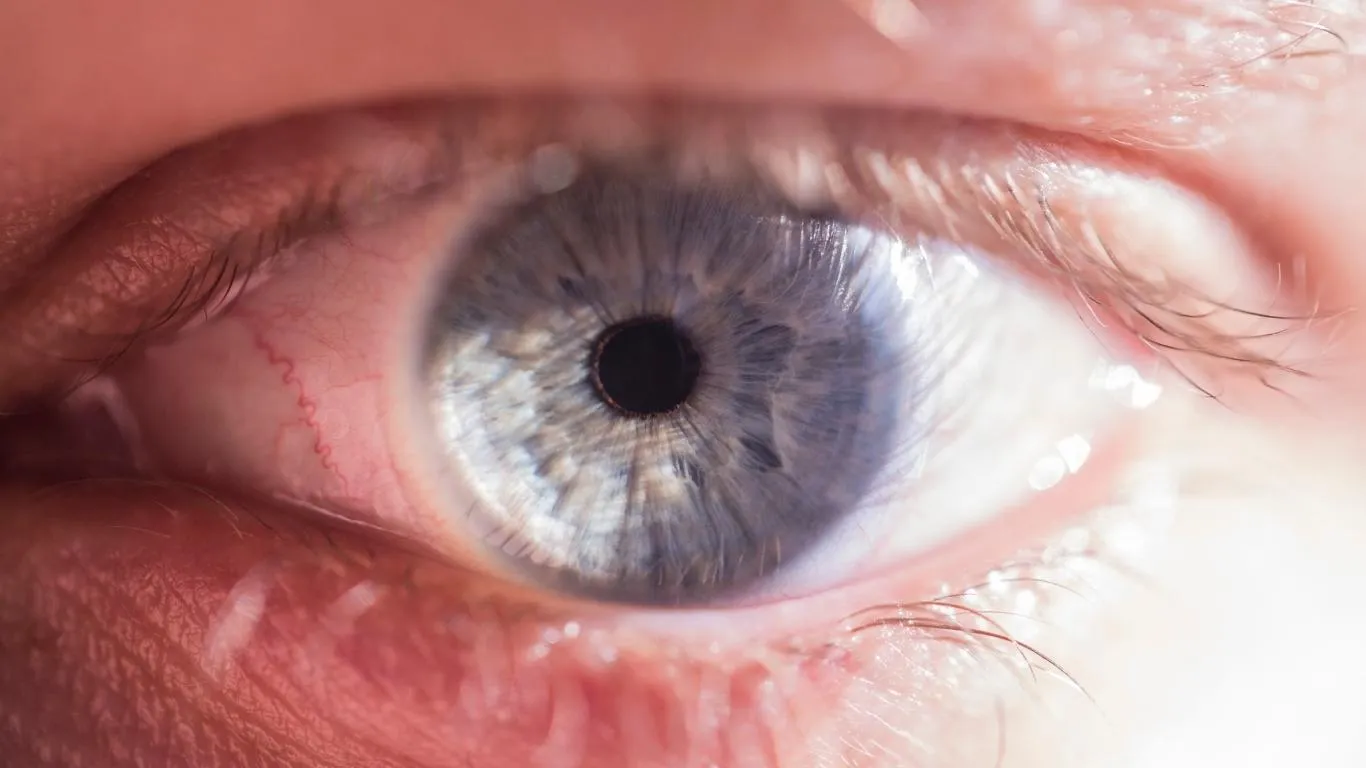
Sometimes, even after all the right food choices and supplements, floaters can still be disruptive. That’s when medical options like laser vitreolysis or vitrectomy are considered. But they’re not first-line treatments for a reason.
Before you go down that path, explore these natural management approaches in detail: Do natural remedies really work?
What’s Helped Me the Most
If I had to sum it up, it’s consistency over intensity. A single kale salad won’t change your vision overnight, but months of smarter eating, hydration, and sleep? That’s what made my floaters fade into the background. They’re still there, sure — but I’m not obsessing over them every time I open my eyes in the morning.
For a full picture of what else might be causing your floaters and what to do about them, here’s the complete overview on eye floater causes and treatment.

Camellia Wulansari is a dedicated Medical Assistant at a local clinic and a passionate health writer at Healthusias.com. With years of hands-on experience in patient care and a deep interest in preventive medicine, she bridges the gap between clinical knowledge and accessible health information. Camellia specializes in writing about digestive health, chronic conditions like GERD and hypertension, respiratory issues, and autoimmune diseases, aiming to empower readers with practical, easy-to-understand insights. When she’s not assisting patients or writing, you’ll find her enjoying quiet mornings with coffee and a medical journal in hand—or jamming to her favorite metal band, Lamb of God.