How Smoking Makes Eye Floaters Worse and What You Can Do
It started with just a few of them. Those squiggly little specks floating across my vision whenever I glanced at a bright wall or the blue sky. I figured they were harmless — just one of those “getting older” things people talk about. But after a few years of smoking, something shifted. The floaters weren’t just there; they were everywhere. And that’s when I started wondering — is smoking actually making my eye floaters worse?
How Smoking Affects the Eyes (And Why Floaters Get Worse)
We all know smoking isn’t great for our lungs or our hearts — but the eyes? That’s something fewer people talk about. Yet, cigarette smoke is full of toxic compounds that absolutely hammer the blood vessels and tissues in the eye, particularly the vitreous humor — the jelly-like substance where floaters originate.
Here’s the short version: Smoke exposure damages the delicate collagen fibers inside the eye. Those fibers clump, cast shadows on the retina, and voilà — floaters.
The Breakdown of Vitreous Collagen
One of the first things smoking does is accelerate oxidative stress in the eye. This basically means your eyes are under constant attack from free radicals. Over time, that oxidative stress breaks down the collagen framework in the vitreous body. As that gel breaks down, floaters increase — both in number and in how noticeable they are.
It’s not just theory. I spoke with my own optometrist after noticing a rapid uptick in floaters after quitting smoking cold turkey. She said it was no coincidence — the damage had been building for years. Quitting helped slow things down, but the impact was already there.
- Nicotine restricts blood flow to the retina.
- Carbon monoxide reduces oxygen delivery to eye tissues.
- Formaldehyde and ammonia contribute to cellular breakdown.
Why Eye Floaters May Suddenly Worsen for Smokers
If you’re a smoker — or even a former smoker like me — and you’ve noticed your floaters getting worse, here’s why:
- Chronic inflammation: Smoking irritates and inflames eye tissues, including the vitreous.
- Accelerated vitreous syneresis: That’s the fancy name for the liquefying of the eye’s gel, which happens faster in smokers.
- Increased risk of posterior vitreous detachment: Smoking can increase your risk for this common floater cause — especially after age 40. This condition is one of the top culprits.
Floaters May Be Warning Signs of Something Bigger
Here’s the scary part — floaters aren’t always just floaters. In smokers, they can be early signs of retinal tears, diabetic retinopathy, or macular degeneration. It’s not just about visual annoyance — it can be about vision loss.
One article I came across put it bluntly — if you smoke, your eyes are aging faster than they should. And that includes the parts of your eye you can’t see in the mirror.
Researchers from nei.nih.gov also point out that smokers are two to four times more likely to develop age-related macular degeneration — and floaters are often a precursor symptom when vitreous stress is involved.
Retinal Detachment: The Silent Threat
One particularly dangerous condition smoking contributes to is retinal detachment. Not all floaters mean this, of course, but a sudden increase in floaters or light flashes could be a sign — especially in long-time smokers. It’s why getting floaters checked quickly is key.
Are Floaters Reversible After Quitting Smoking?
Honestly, one of the first questions I had after quitting was: will my floaters go away?
Short answer: probably not. At least not completely.
Once the vitreous gel starts to degrade, it doesn’t “heal” in the traditional sense. However, your body does stop the damage — and that’s huge. Many people (myself included) find that floaters become less noticeable over time. They may settle or your brain just starts to tune them out.
Still, that doesn’t mean you’re stuck. There are ways to manage or reduce the visual impact. Some people turn to natural floaters remedies, while others explore medical options like YAG laser treatment or vitrectomy in extreme cases. Of course, none of it works if you’re still feeding the problem with every puff of a cigarette.
More on these options is covered in the pillar article on treatment options, which breaks down when to watch, when to worry, and when to act.
Is It Just Smoking — Or Is Something Else Going On?
As much as smoking is a huge contributor, it’s not the only one. For example, stress and dehydration both play surprisingly big roles in worsening floaters too — and both of those go hand in hand with a smoking lifestyle.
There’s also growing evidence that smoking combined with certain health conditions — like diabetes or autoimmune disorders — leads to a kind of compound effect. One thing worsens the other, and the result is floaters that go from tolerable to disruptive.
For a deep dive into these overlaps, check out this comprehensive pillar guide on floaters causes. It breaks down what’s normal, what’s not, and when you should take action.
So, Can You Actually Do Anything About These Floaters?
I get asked this a lot, especially from people who also smoked for years like I did — “Is there any way to fix this?” And I totally get it. After quitting smoking, it’s frustrating to deal with the leftover visual clutter that won’t go away. While there’s no magic pill that makes floaters disappear, there are things that helped me tone them down, or at least stop new ones from forming.
1. Hydration Isn’t Optional
I didn’t take this seriously until I read about how dehydration worsens floaters. Turns out, your vitreous gel is mostly water — and when you’re dried out, it starts to shrink and pull. That’s when the floaters show up like party crashers. Since I’ve been drinking more water, especially after workouts or long flights, the floaters seem less chaotic and less frequent. Maybe it’s placebo. Maybe it’s science. Either way, my eyes feel better.
2. Ditch the Smoke, but Don’t Stop There
Quitting smoking is the first big win. But what shocked me is how important it is to repair the aftermath. I started focusing on foods rich in antioxidants — berries, leafy greens, salmon. I even tried some of the floaters-specific supplements that support vitreous health. Some worked. Some didn’t. But overall, they helped give my body a fighting chance.
On top of that, my eye doc recommended omega-3s, lutein, and avoiding blue light exposure for hours at night. I laughed at first — but it’s helped.
Medical Options When Floaters Disrupt Daily Life
Let’s be real — some floaters are just a nuisance. But others? They’re show-stoppers. I remember one weekend I was driving and suddenly thought my windshield was dirty. Nope — it was a new floater, big and spider-like, right in my central vision. That’s when I started researching actual treatments.
Vitrectomy vs Laser Therapy
Two main options came up: laser vitreolysis and vitrectomy. One uses laser pulses to break up the floaters (less invasive), while the other removes the vitreous gel altogether (more aggressive). If your floaters seriously affect your vision, these procedures are worth exploring. This breakdown on floater treatments helped me figure out what’s worth discussing with an eye specialist — and what’s just hype.
Important: Smoking history makes you a riskier candidate for surgery. Smokers have higher chances of retinal complications, which makes careful screening even more crucial. It’s not a no — just a “let’s be cautious.”
Why Smokers Shouldn’t Ignore Sudden Floaters

Here’s something that really shook me: a guy I met at my eye clinic shared how he ignored a sudden wave of floaters after smoking for 20 years. Thought it was nothing. A week later, he had retinal detachment. Emergency surgery saved his sight — barely. It’s why I now take any sudden floater changes seriously.
Especially if you’re over 40 or have high blood pressure (yep, that’s a connection too), floaters can be more than just annoying. They might be your eye’s way of sending up a red flag.
- Flashes of light? Call your ophthalmologist.
- Loss of peripheral vision? Emergency room — now.
- Sudden shower of floaters? Don’t wait and see. Get checked.
When Other Health Conditions Make It Worse
After digging deeper, I found that smoking’s effects on floaters multiply if you’ve got other health stuff going on. Like diabetes — which I didn’t know could even affect floaters until I read this eye-opening article. Or autoimmune diseases. Or even hormonal changes.
And I was stunned when I saw how some eye medications — especially for smokers with glaucoma — could worsen floaters. It’s not always the disease doing damage. Sometimes it’s the fix.
What to Ask Your Doctor
If you’re dealing with worsening floaters and have a history of smoking, consider bringing this list to your next eye appointment:
- “Is this related to posterior vitreous detachment?”
- “Do I have signs of retinal stress or thinning?”
- “Could any of my current meds be contributing to floaters?”
- “What’s the safest way to slow down progression now that I’ve quit smoking?”
Protecting Your Eyes Going Forward
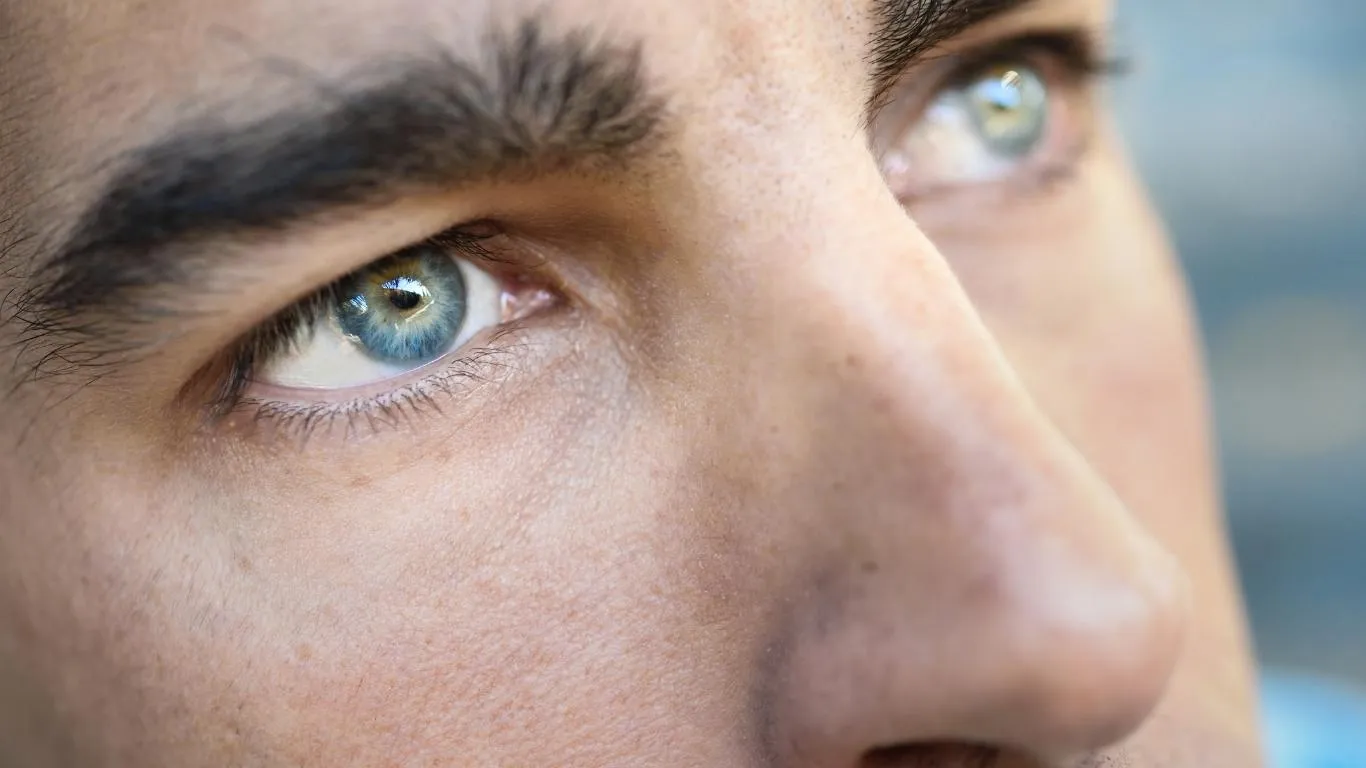
My biggest takeaway after all this? Floaters aren’t just a nuisance — they’re information. Your eyes are telling you something. And if you’re a smoker (or a recovering one), you’ve got extra incentive to listen closely.
Here’s what’s worked for me and a few others I’ve talked to over the years:
- Quit smoking — Obviously. But really commit. Even vaping can cause oxidative damage.
- Protect against UV light — sunglasses aren’t a style choice anymore, they’re a shield.
- Regular eye exams — I do them every 6 months now. No regrets.
- Diet, hydration, rest — basic stuff, but powerful long-term.
If you’re curious how other factors like aging, trauma, or infections contribute to floaters — especially after quitting smoking — the full breakdown is in the comprehensive floater causes guide.
And for the full understanding of what floaters are, how they form, and what you really need to know about them, check the main breakdown here: What Are Eye Floaters?

Camellia Wulansari is a dedicated Medical Assistant at a local clinic and a passionate health writer at Healthusias.com. With years of hands-on experience in patient care and a deep interest in preventive medicine, she bridges the gap between clinical knowledge and accessible health information. Camellia specializes in writing about digestive health, chronic conditions like GERD and hypertension, respiratory issues, and autoimmune diseases, aiming to empower readers with practical, easy-to-understand insights. When she’s not assisting patients or writing, you’ll find her enjoying quiet mornings with coffee and a medical journal in hand—or jamming to her favorite metal band, Lamb of God.