

Migraine Symptoms That Disrupt Daily Life and How to Spot Them
For years, I thought my splitting headaches were just stress. But then came the dizziness, the flashing lights, and the unbearable sensitivity to sound—and suddenly, things didn’t feel so “normal” anymore. If you’ve ever felt like your headaches are more than just headaches, you’re not alone. Recognizing the symptoms of a migraine is a crucial step in getting the right diagnosis and finding effective relief. Let’s walk through what migraine symptoms really look like—beyond the pain.
What Do Migraine Symptoms Actually Feel Like?
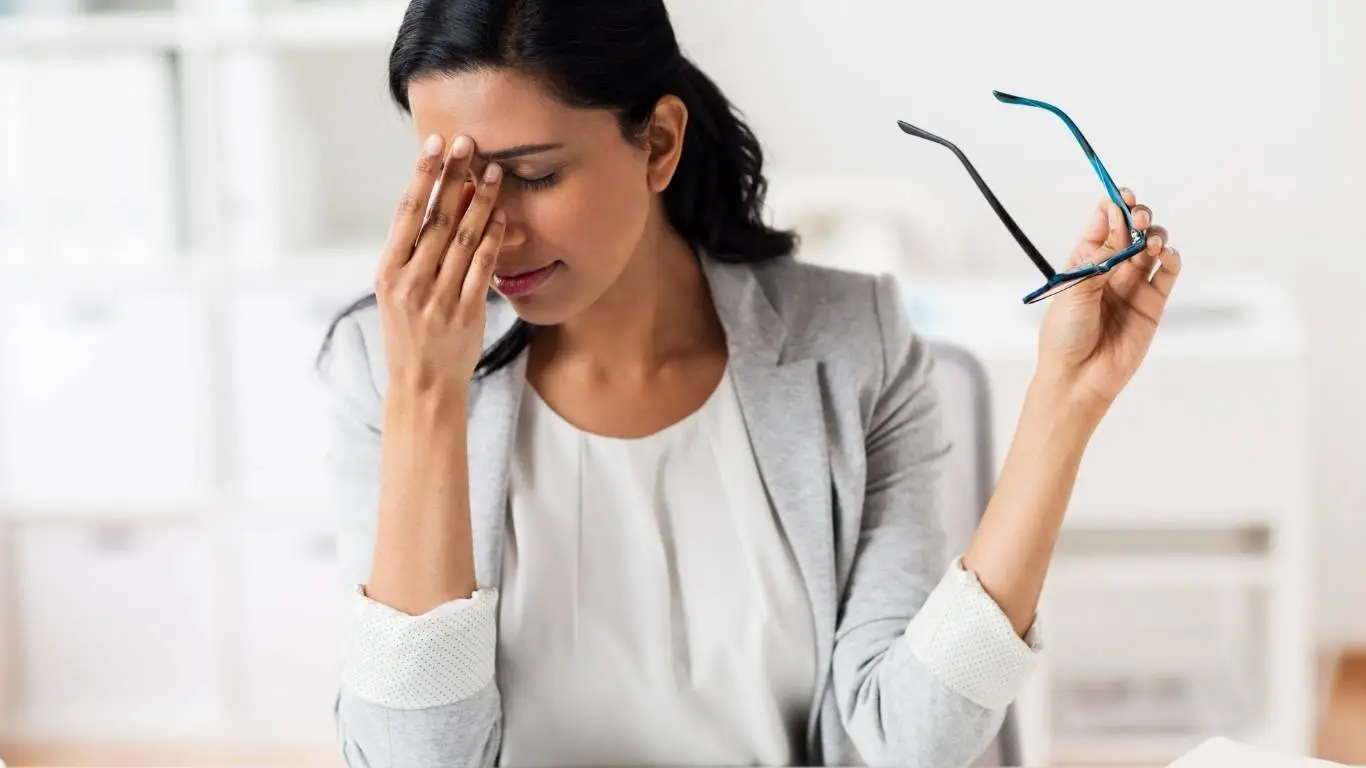
While most people associate migraines with throbbing head pain, the reality is more nuanced. In my case, the pain didn’t even start in the head—it began with visual distortions. That’s what threw me off at first. Migraines can show up differently depending on your body and the type of migraine you’re experiencing.
Common Physical Symptoms
- Throbbing or pulsating pain, often on one side of the head
- Nausea or even vomiting
- Visual auras like flashing lights, zigzag lines, or blind spots
- Sensitivity to light and sound — even whisper-level noise can feel overwhelming
- Fatigue and confusion that linger long after the migraine itself fades
What stood out to me the most wasn’t just the pain—it was how invasive the whole experience felt. It hijacked my day, my clarity, even my appetite.
Less Obvious, But Equally Disruptive Signs
It’s easy to overlook the symptoms that don’t scream “headache.” I once spent an entire day thinking I had food poisoning—only to realize later that nausea and bloating were part of my migraine prodrome. Here are some commonly missed warning signs:
- Neck stiffness or discomfort before the pain hits
- Yawning excessively without feeling tired
- Mood swings — anxiety, depression, or irritability with no clear reason
- Difficulty concentrating or “brain fog”
- Cravings for certain foods, especially chocolate or salty snacks
If these signs sound familiar, you might be in the early stages of a migraine attack. According to National Institute of Neurological Disorders, migraines often begin hours or even days before the actual headache.
Understanding the Four Migraine Phases

Migraine symptoms tend to follow a pattern—divided into four stages. Not everyone experiences all of them, and they can be subtle. But recognizing these can help you prepare or even interrupt the cycle.
1. Prodrome (The Early Warning)
This phase can start up to 48 hours before the actual pain begins. Common symptoms include:
- Neck pain or stiffness
- Changes in mood or energy levels
- Food cravings
- Frequent urination
Tracking these can be surprisingly helpful. I started using a migraine diary after noticing I always got cranky before a migraine. Now I know when to rest and hydrate before it spirals.
2. Aura
Around 25–30% of people experience this phase, typically right before the headache. It includes temporary neurological disturbances like:
- Flashes of light or blind spots
- Tingling in the hands, face, or arms
- Difficulty speaking or understanding language
If you’ve ever suddenly lost vision in one eye and panicked, it could’ve been a migraine aura—not a stroke. Still, consult a neurologist to be sure, especially the first time it happens.
3. Headache
This is the most recognized phase, often lasting from 4 to 72 hours. The pain can be:
- Unilateral (on one side), but not always
- Pulsating or pounding
- Worsened by movement, light, noise, or smells
For me, noise became unbearable—I’d hear a phone vibrate and want to scream. During this phase, many rely on over-the-counter meds, prescription treatments, or even ice packs and dark rooms.
4. Postdrome (The “Migraine Hangover”)
Even after the headache fades, you’re not exactly back to normal. I often feel spaced out, weak, and oddly emotional. This phase can last another 24–48 hours and may include:
- Exhaustion
- Difficulty concentrating
- Sensitivity to light/sound
Some people also experience slight euphoria—which I can only describe as feeling “clear” after the storm. Strange, but real.
How to Know if Your Headache is Actually a Migraine
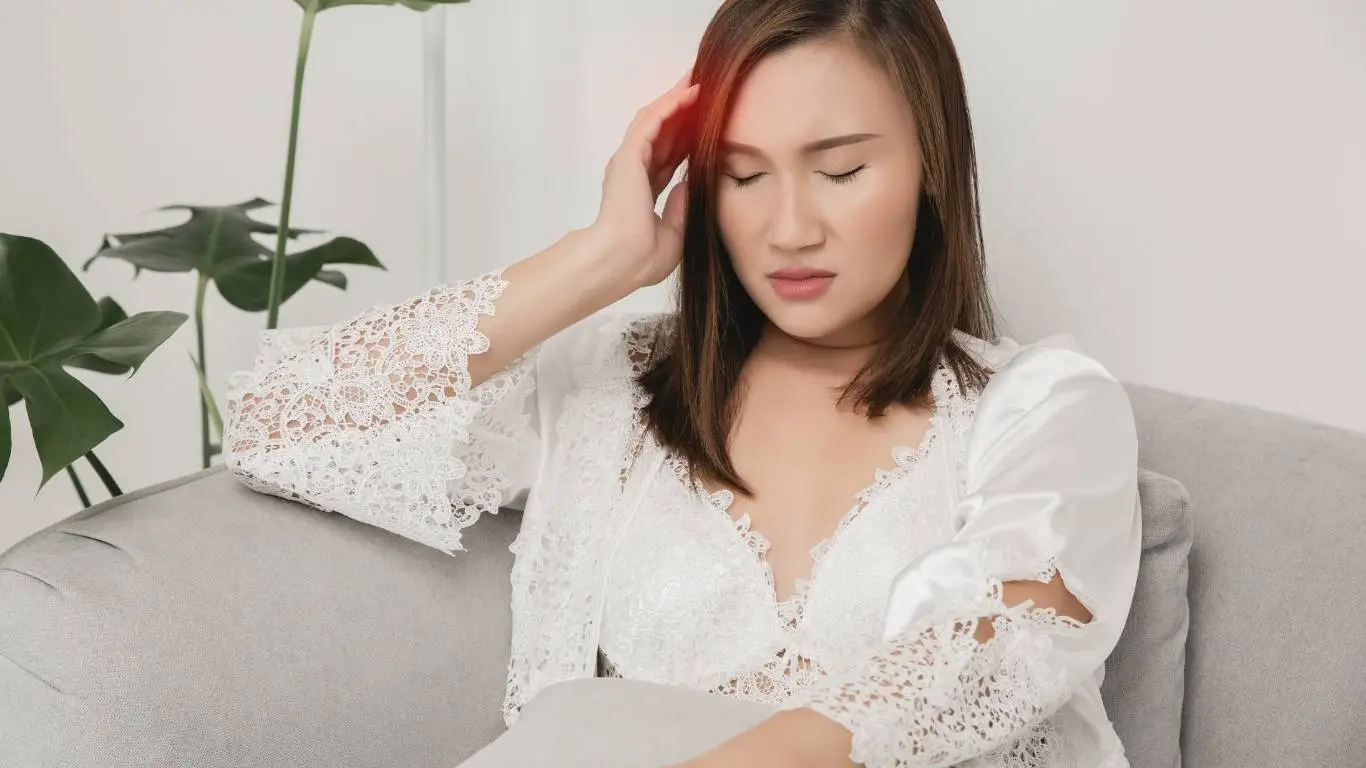
Here’s the big question: Is it just a headache—or is it a migraine? According to the Mayo Clinic, a migraine diagnosis generally depends on a few key patterns:
- Recurring attacks lasting 4 to 72 hours
- Moderate to severe intensity with physical limitations
- At least two characteristics: one-sided pain, throbbing, worsened by movement, or sensitivity to light/sound
If this sounds like your experience, you might want to explore the migraine diagnosis process with a qualified medical provider. And don’t dismiss it—it’s not “just a bad headache.”
For an even broader understanding of migraine-related topics, check the full guide on Migraines & Headaches.
What Causes Migraine Symptoms to Flare Up?

If you’ve ever wondered why your migraines seem to strike at the worst times—like right before a big meeting or during your weekend off—you’re not imagining things. The causes of migraine symptoms are complex, involving both internal predispositions and external triggers. Mine often come uninvited after a bad night’s sleep or a skipped meal. But not everyone reacts the same way.
Underlying Causes
While the exact cause of migraines is still being studied, researchers suggest it involves a combination of genetic, neurological, and environmental factors. You might be more prone if migraines run in your family or if your brain tends to be hypersensitive to stimuli.
Some internal factors include:
- Genetic predisposition — especially if a parent also suffers migraines
- Neurological changes involving serotonin and brainstem activity
- Hormonal fluctuations — a major player in menstrual and pregnancy-related migraines
If hormonal imbalance seems to worsen your symptoms, check out hormonal migraine triggers for deeper insights.
Common External Triggers
For many people, identifying what sets off a migraine is half the battle. These triggers don’t cause migraines outright—but they can activate the symptoms if you’re already susceptible.
- Stress and anxiety — emotional tension can be a major catalyst
- Dietary choices — certain cheeses, chocolate, caffeine withdrawal, alcohol
- Sleep disruption — both too much and too little
- Bright lights or loud noises
- Weather changes — barometric pressure shifts are a nightmare for me personally
If you’ve noticed weather plays a role, explore this guide on weather-triggered migraines.
Managing Migraine Symptoms Without Losing Your Mind

Once you recognize the signs, the next step is managing the symptoms without letting them dictate your life. In my experience, it’s not about “curing” migraines—but about building a toolkit that helps you function through them, and ideally, prevent them when possible.
Medical Approaches
Depending on severity and frequency, you might benefit from:
- Prescription medications like triptans or gepants
- Botox injections for chronic cases (yes, really—it works for many)
- CGRP inhibitors for targeted symptom control
Always consult a specialist for a proper diagnosis—randomly trying meds can do more harm than good. You can find out more about the diagnosis process here.
Lifestyle Adjustments That Actually Work
Beyond meds, there are several daily habits that have reduced the frequency of my symptoms. They’re not glamorous, but consistency is key:
- Keeping a migraine diary — track what you eat, how you sleep, and when symptoms strike
- Maintaining regular sleep patterns — even on weekends
- Staying hydrated — dehydration is a sneaky trigger
- Limiting screen time — especially without blue light protection
- Managing stress with techniques like journaling, therapy, or CBT
I didn’t believe in tracking things until I started seeing patterns. Turns out my “random” attacks had a very specific rhythm, often linked to skipped meals or staying up late.
Natural Tools for Real Relief

If you prefer to explore natural methods—or want to supplement your medical plan—there’s a growing list of options. Some of them have even been backed by research from trusted sources like NCBI.
Effective Natural Approaches
- Magnesium supplements to reduce aura and frequency
- Essential oils like peppermint or lavender for calming attacks
- Yoga and stretching for reducing neck tension
- Acupuncture for chronic sufferers
Personally, applying lavender oil to my temples while laying in a dark room is my go-to ritual when I feel a migraine coming. It doesn’t cure it, but it often dulls the edge enough to function.
Environmental Changes That Help
Sometimes, small tweaks in your space can make a big difference:
- Use blackout curtains or ergonomic pillows for better sleep
- Invest in noise-reducing earplugs for hypersensitivity
- Wear blue-light filtering glasses during screen time
These things may seem small, but when you’re mid-attack, they feel like lifesavers. Especially if you work from home or in front of screens daily like I do.
If you want to explore the root page of this series, you can head back to our full guide on Migraines & Headaches.
Can You Prevent Migraine Symptoms Long-Term?

If there’s one thing I’ve learned after years of migraines, it’s this: waiting for symptoms to hit is a losing game. Prevention is where the real control lies. And while no strategy is bulletproof, combining a few steady habits can drastically reduce both frequency and intensity.
Daily Prevention Strategies That Work
- Regular sleep and wake times — even on weekends
- Balanced meals — avoid long gaps between eating
- Hydration — especially during travel or heat exposure
- Limiting caffeine and identifying food triggers with a migraine diary
- Exercise — gentle movement like yoga or walking (too much intensity can backfire)
I started by tracking my headaches alongside my routines. Turns out, skipping breakfast or sleeping in too late were common threads. Awareness made it easier to build around the patterns.
Supplements That Support Prevention
Some people benefit from adding the right nutrients. I’ve personally had success with:
- Vitamin B2 and B6 — helps reduce oxidative stress in the brain
- Omega-3s — supports vascular function and inflammation control
- CoQ10 — some studies suggest fewer attacks over time
Supplements aren’t magic, but they’re an easy, low-risk way to support your system over the long haul.
Smart Tech and Tools Making Migraine Management Easier

In recent years, tech has made serious strides in migraine relief. From wearables to smart apps, there are now tools to help track, manage, and even interrupt migraine symptoms in real time.
Wearable Relief Devices
- Cefaly — a forehead device that stimulates the trigeminal nerve
- Nerivio — a smartphone-controlled armband for acute migraine relief
- More FDA-cleared devices are entering the market every year
I was skeptical about these at first, but Nerivio helped reduce my pain in under an hour without any meds. It felt like a mini win in a long battle.
Apps and Smart Tools
- Migraine tracking apps — excellent for spotting trends and sharing data with your doctor
- Smartwatches — help monitor heart rate, sleep, and stress
The more data you collect, the easier it becomes to identify subtle triggers—like late-night stress spikes or poor sleep the night before a flare-up.
Living with Migraines: Work, Travel, and Everyday Life

Living with migraine symptoms is tough—physically, mentally, and socially. You’re often juggling the fear of an attack with the guilt of canceling plans. But there are ways to make daily life more migraine-friendly.
At Work
- Create a migraine-safe workstation — ergonomic chair, low-glare monitor, blue-light filters
- Use earplugs or noise-canceling headphones in open office environments
- Block out recovery time after high-stress meetings if possible
I learned to advocate for myself quietly—blocking out calendar slots when I sensed symptoms brewing. It’s not always perfect, but it helps me avoid full meltdowns at work.
While Traveling
- Travel tips include keeping meds in carry-on, bringing eye masks, and staying hydrated
- Choose window seats to avoid overhead air blasts
- Be mindful of altitude pressure, which can trigger attacks
For me, dehydration and inconsistent meals were the top travel triggers. Now, I carry electrolyte packs and healthy snacks in every bag, no matter where I’m going.
You’re Not Alone—And You Deserve Relief

Managing migraine symptoms isn’t just about enduring pain—it’s about reclaiming your life. Whether you’re just starting to explore your symptoms or you’ve been dealing with them for years like I have, there’s a world of support and solutions available to you.
From foundational education to natural remedies and wearable tech, building a personalized migraine plan can help you regain control, one step at a time.
Don’t hesitate to seek help, experiment with solutions, and most importantly—listen to your body. You know it better than anyone else.