

Why Migraines in Different Populations Need Personalized Care
When I first began researching migraines, I assumed they affected everyone in pretty much the same way. But it didn’t take long to realize that migraines aren’t just a “one-size-fits-all” condition. From children struggling to focus in school, to pregnant women juggling hormones and headaches, to seniors who mistake symptoms for something else entirely—migraines affect every demographic differently. And understanding those nuances can make all the difference in proper diagnosis and relief.
Migraines in Children: More Than Just a Headache
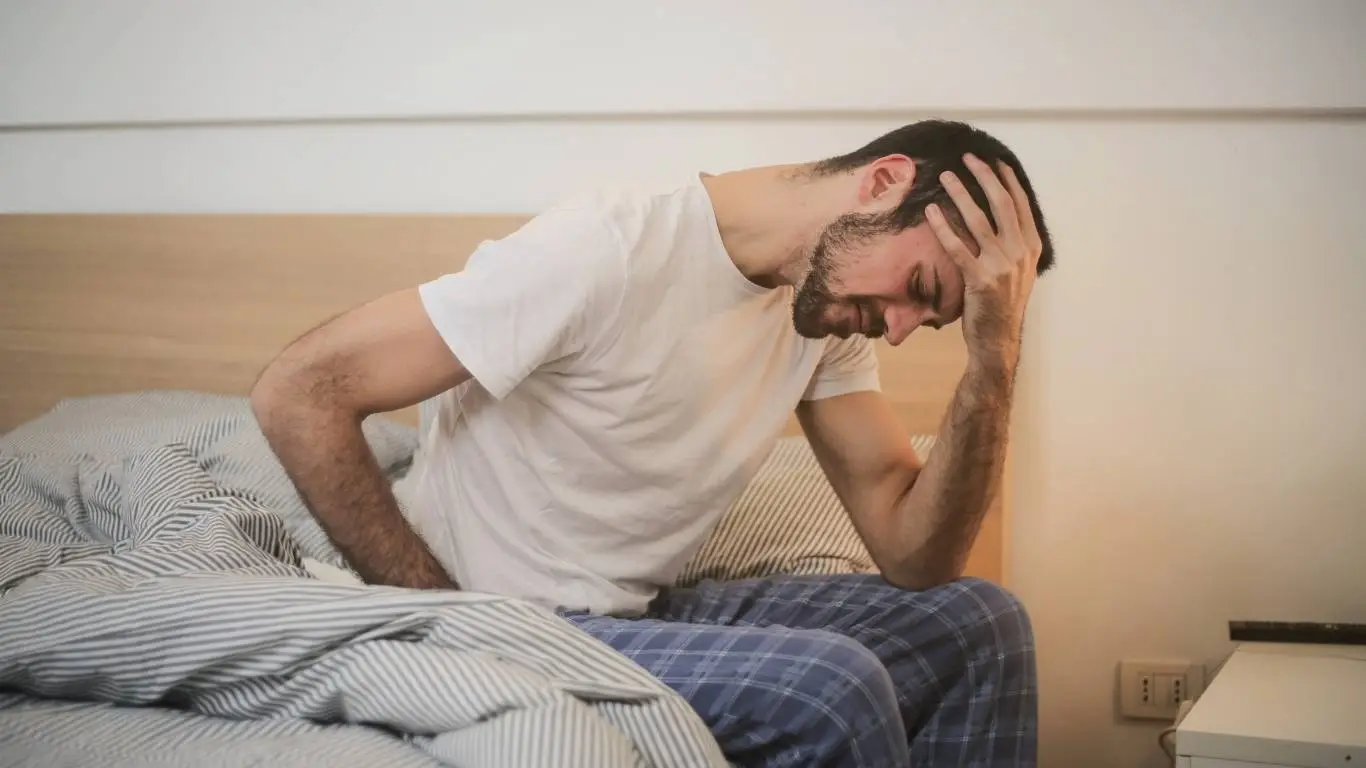
Children who experience migraines often can’t express their symptoms as clearly as adults. Instead of saying “I have a throbbing headache,” they might complain of stomach pain, nausea, or simply act withdrawn. According to Mayo Clinic, abdominal migraines are especially common in younger kids—a condition where pain centers around the belly instead of the head.
As a parent, watching your child struggle with unexplained pain is deeply frustrating. My nephew, for instance, missed several school days before a pediatric neurologist finally diagnosed his episodic symptoms as migraines. Recognizing the signs early can help reduce the impact on development and academic performance.
Key Symptoms in Children
- Stomach pain or cramping without clear cause
- Sudden fatigue and pale skin tone
- Nausea or vomiting
- Refusal to eat or play
- Heightened sensitivity to light or noise
If these symptoms appear regularly, refer to our guide on Childhood Migraines for early warning signs and management tips.
Migraines During Teenage Years: Hormones and Stress Collide
The teenage brain is already navigating a rollercoaster of hormones. Add academic pressure, screen time, and social stress, and you’ve got the perfect recipe for chronic headaches. Teenage girls are especially vulnerable during menstruation, often experiencing migraines that are difficult to distinguish from hormonal tension headaches.
Our detailed post on Teen & School Migraine Triggers explores how to identify and manage flare-ups triggered by stress, poor sleep, or diet choices common among adolescents.
Teen-Specific Triggers to Watch
- Irregular sleep schedules due to school and screen use
- Diet fluctuations—often skipping meals or overindulging in processed foods
- Emotional stress from exams or social dynamics
- Hormonal surges, especially in young women
Educating teens about proper migraine hygiene—hydration, routine, and rest—can empower them to regain control over their health.
Pregnancy and Migraines: A Hormonal Tug-of-War

One of the most surprising things I learned while expecting my first child was how drastically pregnancy can alter migraine patterns. For some women, migraines vanish completely in the second and third trimester, likely due to stabilized estrogen. For others, especially in early pregnancy, migraines worsen and become a significant challenge—especially since many medications are off-limits during this time.
Safe and effective strategies become even more crucial, as outlined in our guide on Pregnancy Migraines. It’s a must-read for expecting mothers seeking natural and doctor-approved relief options.
Safe Relief Techniques During Pregnancy
- Hydration: Dehydration is a common trigger; drink water regularly
- Rest: Adequate sleep and rest help manage hormonal imbalances
- Cold compresses: Applied to the forehead or neck
- Acupressure: Some pregnant women find targeted pressure points helpful
Always consult with a healthcare provider before using any supplements or remedies. We also explore Natural Remedies for Migraines for safe alternatives during pregnancy.
Senior Populations: Misdiagnosed and Often Overlooked
Older adults often experience migraines differently, and sadly, their symptoms are sometimes mistaken for other age-related conditions like vision problems, mini-strokes, or general cognitive decline. What’s more, some seniors develop migraines later in life—without any history of headaches in their youth.
The challenge lies in distinguishing migraines from conditions with overlapping symptoms. In my grandmother’s case, a late-onset migraine was initially misdiagnosed as a transient ischemic attack (TIA). A second opinion made all the difference.
Our article on Migraines in Seniors dives into why the elderly need unique diagnostic and treatment approaches.
Signs to Watch in Seniors
- Sudden vision changes (aura or blurred sight)
- Vertigo or imbalance
- Neck stiffness or pain without injury
- Language disruption or confusion during an episode
Unlike the classic throbbing headache, migraines in seniors may manifest more subtly, making it even more vital to track symptoms carefully using a Migraine Diary.
Bridging the Gaps: One Condition, Many Faces

No matter the age, background, or hormonal profile—migraines demand an individualized approach. That’s why understanding population-specific triggers, symptoms, and responses to treatment is so important for effective care. At Healthusias.com’s Migraine Hub, we provide structured resources tailored to each group. You can explore more on triggers, symptoms, and diagnosis through our full library:
Migraines in Women: A Complex Relationship with Hormones

As someone who’s personally navigated migraines around my monthly cycle, I can tell you—they’re no joke. Women are three times more likely than men to experience migraines, and much of that comes down to fluctuating estrogen levels. This isn’t just anecdotal; it’s backed by research from Cleveland Clinic, which notes that hormonal shifts during menstruation, pregnancy, or menopause significantly influence migraine frequency and intensity.
In fact, Menstrual Migraines are a recognized subtype, often triggered just before or during a woman’s period. These migraines can be more resistant to treatment and often feel more intense than other types.
Hormonal Migraine Management Tips
- Track your cycle: Use a migraine diary to identify hormonal patterns
- Stay consistent: Maintain regular sleep, hydration, and meal schedules
- Talk to your OB/GYN: Adjusting birth control or hormone therapy may help
We also recommend reading Hormonal Triggers for Migraines to better understand the biochemical shifts involved.
Men and Migraines: Underdiagnosed and Often Ignored

Migraines in men are frequently underdiagnosed, partially because men are less likely to seek treatment or report symptoms. It’s a cultural issue too—headaches are often dismissed as a “female” condition, despite the fact that millions of men deal with debilitating migraine attacks that affect their work, relationships, and physical well-being.
Unlike hormonal patterns in women, male migraine triggers often revolve around stress, poor sleep, and overexertion. Men may also experience more tension-type headache overlap, making diagnosis trickier.
Common Triggers Among Men
- Long working hours and high-pressure environments
- Skipping meals or consuming too much caffeine
- High-impact physical activity or dehydration
- Lack of stress management or coping tools
Raising awareness around male migraine is essential. Our comprehensive introduction to Understanding Migraines explores how symptoms manifest differently based on gender, lifestyle, and biology.
Migraines in Marginalized and Underserved Communities
Another angle that rarely gets the attention it deserves is how migraines disproportionately affect marginalized groups—often due to lack of access to healthcare, insurance barriers, and diagnostic gaps. For example, communities of color are less likely to be properly diagnosed and treated for chronic migraine, even when reporting similar or more severe symptoms than their white counterparts.
In rural settings, the problem is access itself. Many don’t have nearby neurologists or migraine specialists. One of our contributors from a rural district in East Java shared how her community relied more on traditional remedies simply because prescription treatments were out of reach—either physically or financially.
We dive deeper into these disparities and alternative approaches in the Comorbid Conditions & Access Gaps section of our migraine cluster.
Ways to Improve Care Equity
- Community migraine education programs
- Telemedicine and remote consult options
- Access to affordable alternative treatments
- Insurance advocacy for prescription relief therapies
Organizations like NIH have acknowledged these disparities and are working toward broader access—but grassroots awareness and local support remain critical.
Professionals and Migraines: High-Functioning but Suffering

High-achieving professionals often push through migraine symptoms to maintain their performance—at the expense of long-term health. In corporate roles, migraines are not just painful; they’re disruptive. You’re expected to show up and deliver, even with blinding pain, light sensitivity, or nausea. I remember quietly ducking into a dark conference room between meetings just to recover from the dizzying onset of a migraine aura.
This kind of self-suppression is dangerous. If left unmanaged, migraines can lead to burnout, increased sick days, and even job loss. It’s not just about pain—it’s about productivity, focus, and mental clarity. That’s why professionals should check out our article on Working With Migraines, which offers practical, career-friendly tips for navigating symptoms discreetly and effectively.
Migraines in the Workplace: Management Tactics
- Preemptive medication before high-stress days
- Screen filters and ergonomic workstations
- Communicating needs with HR or supervisors
- Using quiet, dark spaces when symptoms arise
It’s also worth looking into migraine management devices for relief during work hours—some wearables and glasses are discrete enough to use even in formal environments.
Empowering Every Population Through Tailored Support

Migraines may be universal, but their impact is highly personal. Whether you’re a working parent, teenager, expectant mother, or retiree—understanding the specific ways migraines show up in your life is the first step toward effective relief. And at Healthusias Migraine Hub, we’re committed to making that support visible and accessible.
You can continue exploring detailed insights into treatment options, natural remedies, and more by visiting these dedicated cluster pages:
Managing Migraines in Students: Balancing Learning and Recovery

Migraines don’t wait for finals to be over. For students, they tend to strike at the worst times—right before exams, during early morning classes, or mid-assignment. I remember tutoring a university student who would suddenly shut down mid-session, eyes closed, head cradled in his arms. It wasn’t laziness—it was a silent struggle with undiagnosed migraines.
Younger populations navigating academic environments face a unique mix of physical, emotional, and cognitive demands. The pressure to perform can compound the stress that often triggers migraine episodes. In our breakdown on Tips for High-Performance Migraine Management, we offer insights for students and professionals alike who need to stay productive while managing chronic symptoms.
School-Friendly Migraine Prevention Tips
- Keep a consistent sleep schedule—even on weekends
- Pack protein-based snacks and hydrate between classes
- Use blue-light filters on tablets or laptops
- Communicate with instructors about accommodations
Students can also benefit from using migraine tracking apps that help pinpoint school-related triggers and patterns over time.
Technology Users and Screen-Induced Migraines

In our hyperconnected world, people across all age brackets are now spending 6–10 hours daily in front of a screen. Whether it’s scrolling on your phone, working remotely, or gaming late into the night, screen overuse has become one of the top hidden migraine triggers. Blue light, screen glare, and repetitive focus strain the optic nerve and intensify headaches, especially for those predisposed to migraines.
I personally experienced relief after switching to blue-light-filtering glasses and reducing late-night screen exposure. And I wasn’t alone—our article on Blue Light Glasses for Migraine Prevention shares testimonials from users who noticed fewer attacks within weeks of making the switch.
Essential Tech Habits for Migraine Sufferers
- Follow the 20-20-20 rule: every 20 minutes, look 20 feet away for 20 seconds
- Use anti-glare screen covers and matte monitors
- Take short breaks every hour, even during work or study sprints
- Consider using wearable neurostimulation devices designed for screen fatigue relief
Sleep-Deprived Populations and Night-Shift Workers

If you’re part of the workforce that burns the midnight oil—nurses, drivers, customer support agents—odds are your sleep hygiene is disrupted. And poor sleep is one of the strongest migraine triggers, according to studies from Sleep Foundation.
Sleep-deprived populations are caught in a cycle: migraines lead to poor sleep, which in turn increases migraine frequency. Night-shift workers, especially, report sleep-disorder-related migraines that don’t respond well to typical treatments unless sleep patterns are addressed first.
Improving Sleep for Migraine Relief
- Use blackout curtains or a sleep mask during daytime rest
- Stick to a wind-down routine—even when working nights
- Limit caffeine intake at least 6 hours before sleep
- Keep electronics out of the bedroom to promote deeper rest
Better sleep routines are one of the most cost-effective migraine interventions—especially for shift-based workers who often feel left out of mainstream health advice.
Fitness Enthusiasts and Exercise-Induced Migraines

Exercise is often touted as a remedy for migraines, but for some people, it can actually trigger them. That paradox is frustrating. I had a client who loved CrossFit but began noticing head throbs after heavy lifting. Turns out, her pre-workout supplement, combined with dehydration and exertion, was the perfect storm for migraines.
Our post on the Exercise-Migraine Connection explores how to adjust your workouts to stay healthy without triggering pain.
How to Work Out Without Worsening Migraines
- Hydrate well before, during, and after your session
- Avoid intense cardio or HIIT on migraine-prone days
- Warm up gradually—sudden exertion is a known trigger
- Track symptoms after each session to spot patterns
If you rely on physical activity for mental health, don’t quit—just adapt. Lighter routines like yoga or walking may work better during flare-up periods. See our resource on Yoga for Migraine Relief for beginner routines.
Migraines Across Every Walk of Life

From childhood to old age, desk jobs to overnight shifts, migraines do not discriminate—but their patterns, causes, and coping strategies certainly do. One of the hardest lessons I learned is that managing migraines isn’t about “powering through”—it’s about listening to your body and customizing your approach to your unique context.
That’s why we built the entire Migraines & Headaches Hub at Healthusias—to serve as a structured resource center. If you’ve made it this far, it means you care about understanding your condition deeply—and that’s the first step toward meaningful relief.
We encourage you to continue exploring:
No two migraine stories are alike. But your relief plan can—and should—be tailored to who you are, where you live, and how you live. And that’s what we’re here to support.