How Health Anxiety About Serious Illnesses Can Quietly Control You
About six months ago, I found myself spiraling every time I felt a headache or tightness in my chest. Late-night Googling sessions turned a minor symptom into a full-blown mental health spiral. That’s when I realized I wasn’t just stressed—I was stuck in a loop of health anxiety about serious illnesses. And it wasn’t rare. Turns out, thousands of people silently live with this constant dread. If your brain jumps to worst-case scenarios over every bodily sensation, you’re definitely not alone.
What Is Health Anxiety, Really?

Health anxiety—also called hypochondria or illness anxiety disorder—isn’t just “worrying too much.” It’s a persistent fear that you might have, or will develop, a serious illness despite little or no medical evidence. I used to think checking symptoms on WebMD was helping me feel more in control. In reality, it was feeding a vicious cycle that made things worse.
According to National Institute of Mental Health, people with health anxiety often interpret normal bodily sensations—like a stomach gurgle or muscle twitch—as a sign of a deadly condition. It’s not about faking symptoms; the fear is real, deeply rooted, and very distressing.
Common Signs You Might Be Dealing with Health Anxiety
- Frequently checking your body for lumps, bumps, or irregularities
- Repeated visits to the doctor, even after being told you’re fine
- Constant Googling of symptoms (a.k.a. “cyberchondria”)
- Avoiding health-related content because it triggers panic
- Reassurance-seeking behavior from family and friends
- Intrusive thoughts about terminal illness, even without symptoms
How Health Anxiety Disrupts Your Daily Life
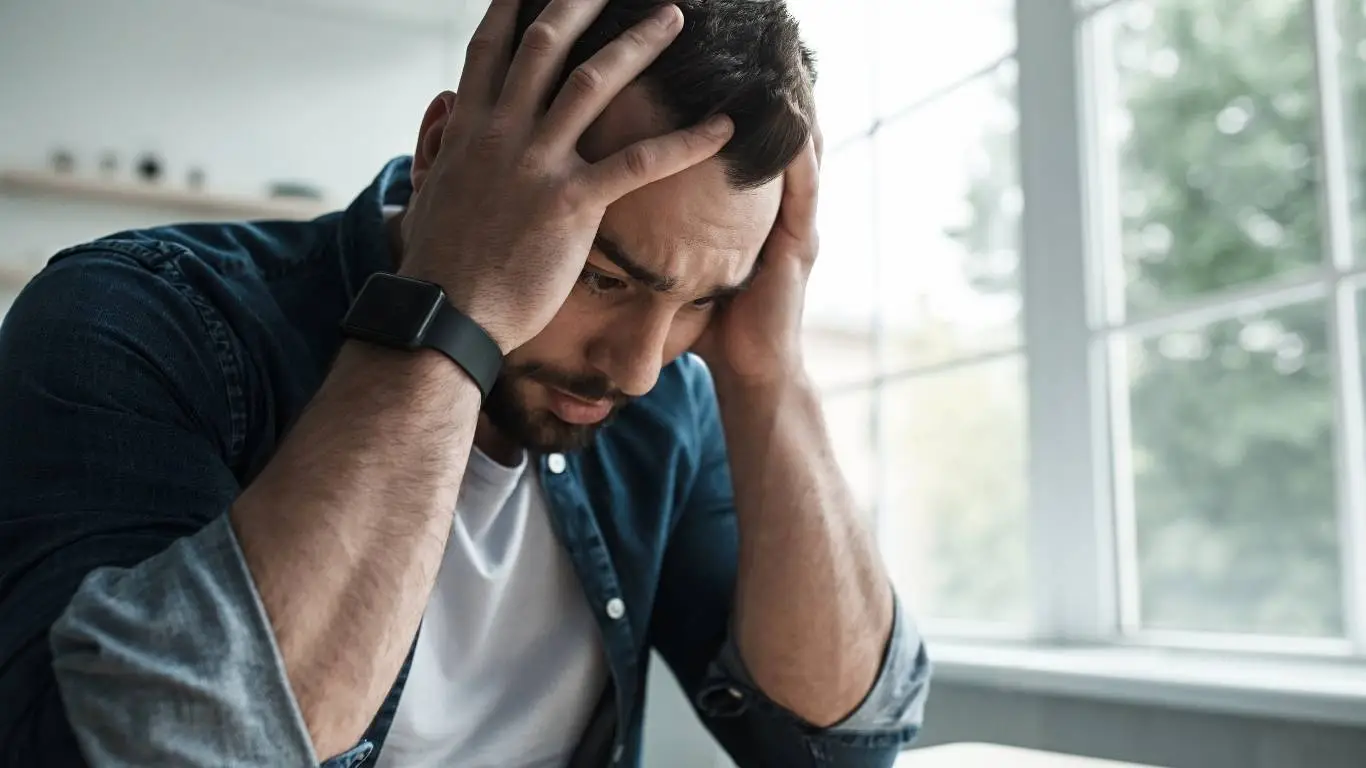
This isn’t just about worrying a little too much—health anxiety can be debilitating. It often hijacks your routines, sleep, relationships, and even your ability to concentrate. Personally, I found it nearly impossible to work without feeling a surge of fear every time I noticed a slight ache. And let’s not even talk about productivity—every alert from my body felt like a red flag.
There’s a great resource on how anxiety in daily life quietly disrupts your routine that captures exactly how subtly yet powerfully it creeps in. The disruptions start small but can quickly escalate into social withdrawal or even panic attacks.
Why the Fear Feels So Real
Health anxiety often mimics symptoms of the illnesses we fear. That’s the ultimate cruel trick. Racing heart? That could be anxiety—but our brains scream heart attack. A study from ncbi.nlm.nih.gov explains how our brain’s threat detection system can overreact, misinterpreting benign signals as serious threats.
And the more you pay attention to the symptoms, the worse they seem to get. It’s a loop of fear-symptom-reassurance-fear again.
The Role of Physical Sensations in Health Anxiety
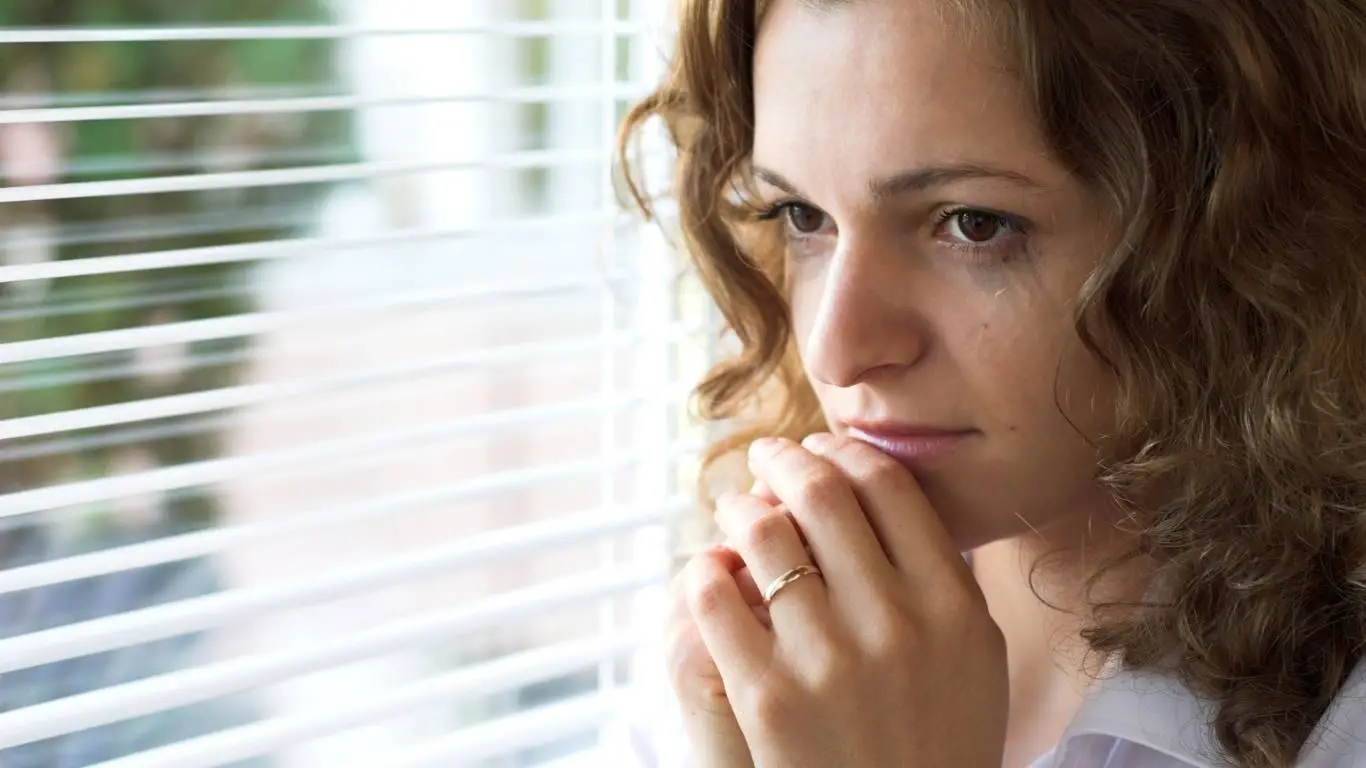
One thing that blew my mind was learning how deeply anxiety affects the body. Dizziness, chest pain, shortness of breath—these aren’t just “in your head.” They’re real physical responses. There’s a well-detailed breakdown of this in why chest pain from anxiety feels so real and so alarming, and it hit home.
Hyper-awareness of physical sensations—called interoception—is amplified in health anxiety. What feels like just a flutter to others can feel like doom for someone with health anxiety. That’s not being dramatic; it’s how our nervous system is wired under stress.
My Personal Cycle: From Google to Panic
- Notice a sensation (tight throat)
- Immediately check symptoms online
- Read that it could be thyroid cancer or ALS
- Experience a spike in heart rate, trembling, short breath
- Reassurance doesn’t work—I need more evidence
- Back to Google, doctor, or mirror to check again
And the scariest part? Even when the doctor says you’re fine, your mind doesn’t buy it. That’s a sign this is a psychological challenge, not a physical one.
When Reassurance Becomes the Enemy

I used to think reassurance from doctors, friends, or forums would calm me down. Instead, it fed the loop. There’s actually a fascinating breakdown on why a self-assessment anxiety quiz might be the wake-up call you need, which helped me shift my approach.
Every time you get reassurance, you feel better—for a moment. But then the next symptom triggers another spiral. Over time, reassurance becomes a drug you need more and more often, and it never really fixes the root cause.
The Diagnostic Side: Is It Anxiety or Something Else?
One of the biggest hurdles is figuring out whether it’s anxiety or an actual medical issue. And guess what? You’re not imagining how hard that process is. Medical professionals often miss or misinterpret these cases. I highly recommend reading why misdiagnosed anxiety cases are more common than you think.
And if you’ve ever been through endless tests only to hear “everything looks normal,” you’re not crazy. That can actually be part of the diagnostic process for health anxiety, as detailed in this guide on anxiety disorder diagnosis and assessment.
Why It’s More Than Just Anxiety

Health anxiety often overlaps with other mental health conditions like OCD, panic disorder, or depression. I didn’t realize I was also struggling with obsessive thinking until I came across this piece on obsessive thoughts in anxiety. That insight was a game-changer.
It’s not just about fear—it’s about control, vulnerability, and uncertainty. All of which can be incredibly hard to sit with. But awareness is where things start to change.
For a deeper understanding of how all these forms of anxiety are connected and how they can control your daily life without you even realizing it, check out this main pillar article.
How Cognitive Shifts Can Loosen Health Anxiety’s Grip

One of the most helpful things I ever learned was this: it’s not the symptom—it’s the story we tell ourselves about the symptom. That little mental shift opened up so much space. Cognitive Behavioral Therapy (CBT) really emphasizes this concept, and it’s not just theory—it actually works. I came across an excellent breakdown of it in this guide on CBT for anxiety, and wow, I wish I had found it sooner.
CBT helps you identify irrational beliefs, challenge your automatic thoughts, and slowly rewire your fear-based responses. So when your brain screams, “This headache is a brain tumor,” you eventually learn to respond, “Or it could just be a tension headache because I’ve been overthinking everything again.”
It’s Not About Ignoring Symptoms—It’s About Interpreting Them Differently
One helpful exercise for me was writing down the last five symptoms I obsessed over… and what actually happened. Spoiler: none of them turned out to be a serious illness. This kind of evidence-based journaling is part of cognitive restructuring—and yes, it can feel weird at first, but it seriously helped calm my panic-driven thinking.
Breathing and Grounding Tools That Actually Help
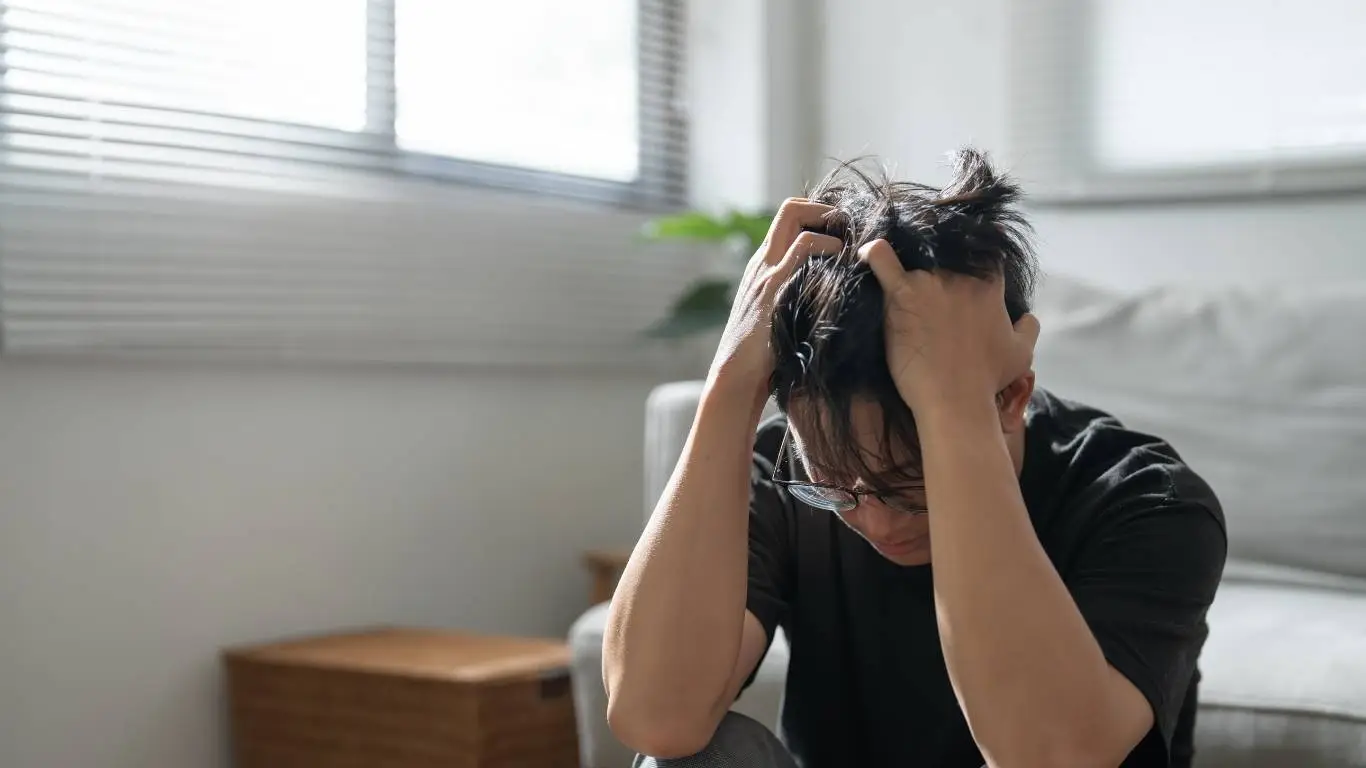
When your mind is racing, your body follows. That’s why breathing techniques work. They slow your physiology down, which then tells your brain, “Hey, we’re not dying right now.” A practical and clear guide I used to get started is this one on breathing exercises. It walks through easy techniques you can do anywhere—on a plane, in a meeting, or in bed during a 3AM anxiety attack.
One trick that helped me is the 4-7-8 method: breathe in for 4 seconds, hold for 7, exhale for 8. Sounds basic, but it works. Combine that with grounding methods like the “5-4-3-2-1” technique and you’ve got a solid coping foundation.
Lifestyle Habits That Quiet the Health Anxiety Storm

Sometimes it’s not just about how we think—it’s about how we live. My sleep, diet, and screen time were a mess when my health anxiety peaked. Once I started prioritizing these things, it didn’t cure me—but it gave me a buffer, a little more bandwidth to handle stress.
Try These Calming Lifestyle Adjustments
- Cut down on caffeine—this one hurt, but made a difference
- Stick to consistent sleep and wake times
- Move daily, even if it’s just a walk (it’s gold for overthinking)
- Start journaling to get obsessive thoughts out of your head
- Eat regularly and avoid sugar spikes
This article on lifestyle and self-help tips for anxiety was a turning point for me. I realized anxiety wasn’t just a brain thing—it was a whole-life thing.
When Medication Becomes a Conversation

Honestly, I was hesitant about medication for a long time. I worried that taking meds meant I was “really broken.” But that stigma needs to go. Medication isn’t a crutch—it’s a bridge. And for some of us, it makes the journey livable.
Reading this deep dive on SSRIs helped clarify a lot of the myths I’d believed. It’s also worth checking out how doctors actually assess anxiety, which you can explore in this breakdown of diagnostic tests.
Important Notes on Medication:
- It may take weeks to fully kick in—don’t expect instant relief
- Side effects are real, but they usually settle after the first phase
- Work with a doctor who takes your concerns seriously
Alternative & Complementary Options That Actually Feel Good

I’m all about layering strategies, and that’s where complementary approaches shine. I never thought I’d be someone doing progressive muscle relaxation or aromatherapy, but here we are. These practices don’t replace therapy or medication, but they make daily life feel more doable.
If you want to experiment, this guide on complementary anxiety approaches has some surprisingly effective methods that don’t feel like “therapy.” And let’s be honest—sometimes you just need tools that feel easy and accessible.
Getting Comfortable With Uncertainty

This one’s the toughest. At its core, health anxiety is a control problem. We’re trying to outrun uncertainty, to find certainty in a body that’s always changing. But life doesn’t come with guarantees. And once I started practicing that idea—really sitting with it—I noticed a shift.
Exposure work helped me here. Instead of checking, I practiced not checking. Instead of asking someone, I let the question float. And slowly, the urge didn’t scream so loud. That’s exactly the idea behind this powerful article on exposure therapy for phobias—facing fear, not avoiding it, is how we shrink its grip.
And if you’re deep in this right now, start here: this guide on hidden causes of anxiety helped me stop blaming myself and start addressing what was really going on.

Camellia Wulansari is a dedicated Medical Assistant at a local clinic and a passionate health writer at Healthusias.com. With years of hands-on experience in patient care and a deep interest in preventive medicine, she bridges the gap between clinical knowledge and accessible health information. Camellia specializes in writing about digestive health, chronic conditions like GERD and hypertension, respiratory issues, and autoimmune diseases, aiming to empower readers with practical, easy-to-understand insights. When she’s not assisting patients or writing, you’ll find her enjoying quiet mornings with coffee and a medical journal in hand—or jamming to her favorite metal band, Lamb of God.