

What Is a Migraine and Why It’s More Than a Headache
One of the most misunderstood neurological conditions I’ve personally battled for years is the migraine. When people casually say, “It’s just a headache,” I can’t help but wince—because anyone who has truly experienced a migraine knows it’s far more than head pain. Migraines can derail your day, disrupt your work, and pull you away from your family or hobbies. But what exactly is a migraine, and why does it affect millions so profoundly?
Understanding the True Nature of Migraines

A migraine isn’t just a severe headache—it’s a complex neurological disorder. It often comes with throbbing pain, usually on one side of the head, and can be accompanied by symptoms like light and sound sensitivity, nausea, and even visual disturbances. In fact, in my own experience, a migraine episode feels like a full-body shutdown, not just a painful head throb.
The World Health Organization ranks migraines among the top 10 most disabling medical conditions globally, yet it’s still underdiagnosed and undertreated. Understanding what sets migraines apart from other types of headaches is key to managing and living with this condition.
Types of Migraines and How They Differ

Not all migraines are created equal. There are several types, and recognizing which one you’re dealing with can impact your treatment plan:
- Migraine with Aura – This type includes visual or sensory disturbances before the headache begins. You might see flashes of light, zigzag patterns, or feel tingling in your face or hands. Learn more on Migraine with Aura.
- Migraine without Aura – The most common form, characterized by the classic throbbing pain without any pre-headache warning signs.
- Silent Migraine – You may experience aura or other symptoms, but without the head pain. It’s confusing at first—I’ve had these, and they made me question whether I was really having a migraine at all. Full article here: Silent Migraine.
- Hemiplegic Migraine – A rare but intense type that mimics stroke-like symptoms such as weakness on one side of the body. Definitely one of the scariest episodes I’ve witnessed in a relative.
You can explore more distinctions in our Migraine vs Tension Headache comparison, which clears up a lot of everyday confusion between the two.
What Triggers Migraines?

Migraines don’t usually come out of nowhere. Triggers vary from person to person, but many sufferers report common patterns. Based on both clinical evidence and community experiences, here are frequent culprits:
- Hormonal Changes – Especially in women, fluctuations during menstruation, pregnancy, or menopause can provoke attacks. You can read more in our piece on Hormonal Migraine Triggers.
- Environmental Factors – Changes in weather, high altitudes, bright lights, and even strong smells are known migraine catalysts. See our article on Weather Trigger Migraines.
- Stress – It’s a big one. Stress doesn’t just cause migraines—it also worsens their duration and frequency. Read: Stress-Induced Migraines.
- Food and Beverages – Aged cheese, red wine, chocolate, and artificial sweeteners are classic offenders. More insights at Foods Trigger Migraines.
- Sleep Irregularities – Both oversleeping and sleep deprivation can cause a migraine. This is explored in depth in Sleep Disorders and Migraines.
Keeping a detailed migraine diary has been a game-changer for me—it helps identify personal patterns and reduce future attacks.
Common Symptoms You Shouldn’t Ignore

Symptoms can vary widely, even from one episode to the next. A migraine attack typically includes several phases, although not everyone experiences all of them. Based on clinical research from Mayo Clinic and my own journey, these are hallmark signs:
- Prodrome – Subtle warning signs like mood changes, food cravings, or neck stiffness. This is your body whispering, “Something’s coming.”
- Aura – Visual or sensory disruptions, often a sign in those with aura-type migraines.
- Attack – The peak pain stage, where throbbing, pulsing head pain, nausea, and dizziness dominate.
- Postdrome – Sometimes called the migraine “hangover,” leaving you drained or foggy even after the pain has passed.
Each phase offers insight into what your body is going through—and a chance to intervene earlier next time.
How Migraines Are Diagnosed

Diagnosing migraines usually doesn’t require brain scans or fancy equipment. Instead, it starts with detailed medical history and symptom tracking. Your doctor may refer you to a neurologist for migraines to rule out other serious conditions like tumors or epilepsy.
The International Headache Society outlines diagnostic criteria based on duration, intensity, and frequency. If you’re still unsure whether what you’re feeling is a migraine or something else, our guide on How Migraines Are Diagnosed offers clarity.
As someone who was misdiagnosed for years, I can’t stress enough how important it is to advocate for yourself. Ask questions, keep records, and don’t settle for generic “just a headache” answers.
Explore more migraine insights and related tips on our main Migraine & Headache hub.
Effective Migraine Treatment Options

Treating migraines isn’t a one-size-fits-all approach. I learned the hard way after trying over-the-counter meds that barely took the edge off. The right treatment often depends on your migraine type, frequency, and how much it disrupts your daily life. Here’s a breakdown of the most commonly used strategies:
1. Medications
- Acute Medications – Designed to stop a migraine in progress. This includes NSAIDs like ibuprofen and specialized migraine drugs like triptans. Explore OTC Migraine Medications and Prescription Migraine Drugs.
- Preventive Medications – For those with frequent episodes, daily meds such as beta-blockers or CGRP inhibitors might be recommended. Learn more about CGRP Inhibitors.
One thing that helped me was tracking how I responded to each medication. Eventually, my neurologist and I found a combo that reduced my episodes from 4 per week to 1 or 2 per month.
2. Neuromodulation Devices
Thanks to advances in migraine science, wearable relief tools are now FDA-approved. Devices like Nerivio or Cefaly offer non-drug options for prevention or acute relief. These are especially useful if medications aren’t well tolerated.
You can see our curated reviews of the Top Migraine Relief Devices for options that may work for you.
Natural Remedies and Complementary Therapies
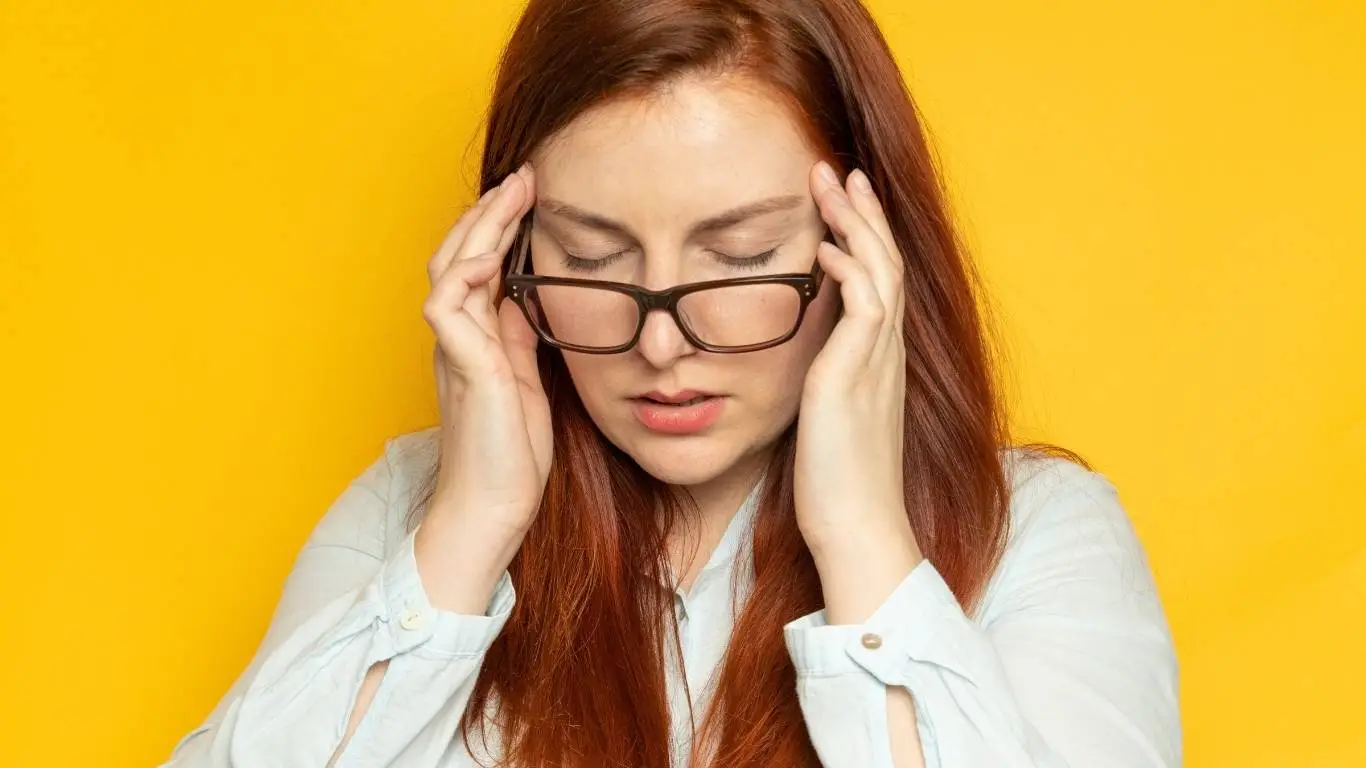
If you’re like me and prefer to explore holistic approaches alongside traditional treatments, the good news is: there are many! While they don’t always work alone, natural therapies can boost the effectiveness of your overall plan.
- Acupuncture – Many patients, including myself, report fewer migraine days after regular sessions.
- Yoga – Gentle movement, breathing, and posture work have shown benefits in managing stress-induced migraines.
- Herbal Remedies – Feverfew, butterbur, and magnesium are popular, though I always recommend consulting a health professional first. Learn more: Magnesium for Migraine.
- Essential Oils – Peppermint and lavender oil have helped with mild attacks in my experience.
For more guidance, check out our Natural Migraine Remedies Hub.
Lifestyle Strategies That Actually Work

Over the years, I’ve come to realize that lifestyle habits have just as much impact as medications. These are a few adjustments that have made a real difference in my life and for many in the migraine community:
- Consistent Sleep – I now go to bed and wake up at the same time every day. It dramatically reduced my weekend migraines. Read more on Migraine Sleep Habits.
- Hydration – Dehydration is a subtle but powerful trigger. I always keep water nearby. Learn why in Dehydration Migraine Link.
- Nutrition – Avoiding processed food and logging meals helped me identify food sensitivities. Consider professional advice from a Nutritionist for Migraine Diet Plans.
- Stress Reduction – CBT and biofeedback have both helped calm my nervous system during trigger phases.
Populations Affected Differently by Migraines

One reason migraines are so misunderstood is how differently they affect people. For example:
- Menstrual Migraines are hormonally driven and can be more resistant to treatment.
- Teenagers may struggle with school performance and screen time triggers.
- Seniors often experience atypical migraine symptoms and are prone to misdiagnosis.
Our in-depth Migraine Populations section explores these variations in more detail.
Living With Migraines: Practical Daily Tips

Managing migraines is a journey, not a checklist. The biggest game-changer for me was building routines that support recovery and prevention. If you live with migraines, consider these real-life strategies:
- Create a migraine-friendly workspace with adjustable lighting and noise reduction.
- Carry a small earplug set to reduce auditory overload in public settings.
- Wear blue light glasses if you work on screens for long hours—this alone reduced my workday migraines by half.
Whether you’re just beginning to explore what migraines mean for your life, or you’ve been battling them for decades like I have, staying informed and connected to real solutions is the key to reclaiming control.
For a full list of topics, visit our Migraine & Headache main page.