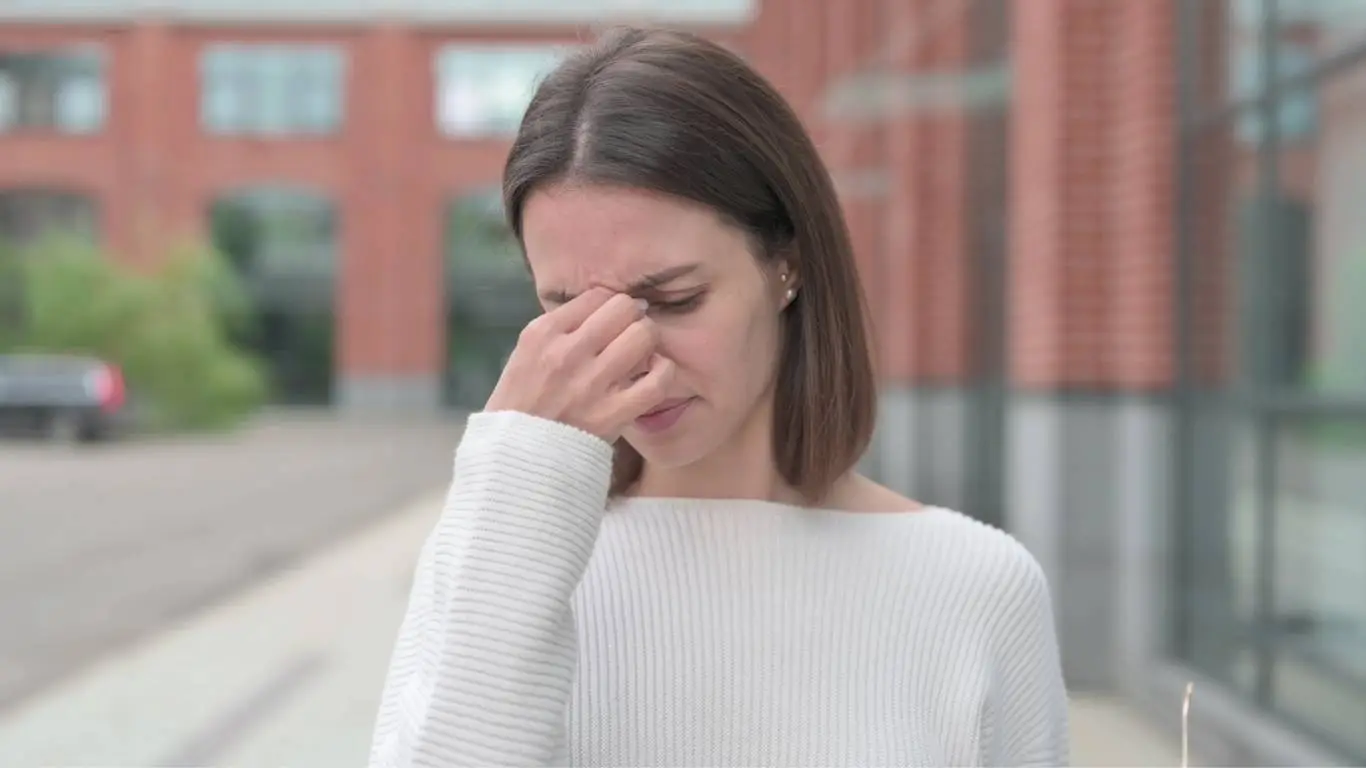
How To Stop Anticipatory Anxiety Before Events From Taking Over
For as long as I can remember, I’ve had this thing where I’d get super anxious before something even happens—whether it’s a presentation, a trip, or even just meeting up with friends. It wasn’t the event itself that rattled me; it was the *build-up*. This wasn’t just about feeling nervous. It felt like my chest was tightening days in advance, like my brain was rehearsing every possible way something could go wrong. Turns out, there’s a name for this: anticipatory anxiety. And if you’re like me, always on edge before events, you’re definitely not alone.
What Is Anticipatory Anxiety (And Why It’s So Sneaky)

Anticipatory anxiety isn’t your typical pre-event jitters. It’s more like a full-on spiral that kicks in *way* before the actual situation. It’s that stomach-churning sense of dread you feel just thinking about an upcoming meeting, social gathering, or even a doctor’s appointment. Unlike regular anxiety that pops up in the moment, anticipatory anxiety is future-focused. Your brain goes into “what if” overdrive, imagining every worst-case scenario possible.
According to experts at verywellmind.com and psychologytoday.com, this type of anxiety often shows up in people who deal with generalized anxiety disorder (GAD), panic disorder, or social anxiety disorder. And honestly? It can be exhausting.
Common Signs You’re Dealing with It
- Obsessive thoughts about what could go wrong
- Physical symptoms like nausea, headaches, or chest tightness
- Trouble sleeping days before the event
- Mentally rehearsing conversations or scenarios over and over
- Avoidance or even canceling plans last minute
Sound familiar? Yeah, been there. It wasn’t until I read this article on anxiety and workplace performance that I realized how deeply it was messing with my confidence and day-to-day life.
Why Your Brain Loves to Stress Out Ahead of Time

Here’s the deal: your brain is wired to keep you safe. So when it senses potential danger—even if it’s just a meeting or a date—it flips on the “fight or flight” switch. Anticipatory anxiety is basically your brain trying to protect you from things that aren’t even happening yet. But in doing so, it *overreacts*, flooding you with stress hormones that you don’t actually need.
There’s also the mental rehearsal trap. Our brains think that by playing out worst-case scenarios, we’ll somehow be more prepared. But all that does is reinforce fear pathways, making it even worse next time. I didn’t fully understand this until I read about how neurotransmitters and anxiety work. It was like—finally!—someone put the science behind the spiral.
Are You More Vulnerable Than Others?
If you grew up in a high-stress household, or had overly critical parents, anticipatory anxiety might be your default mode. Genetics also play a role. There’s a fascinating breakdown here on how family history can shape anxiety. In my case, both my parents were high-strung, and now I see how I’ve internalized that response to stress.
Events That Trigger Anticipatory Anxiety (Some Might Surprise You)

- Public Speaking – Even just introducing yourself in a meeting can trigger it
- Traveling – Especially flights or new environments
- Social Gatherings – Including casual friend hangouts
- Job Interviews – Or any situation where you’re being evaluated
- Medical Appointments – Even routine checkups
- Phone Calls – Yes, even scheduling a haircut
One time I canceled a dentist appointment *not* because of the dentist, but because the lead-up made me feel physically ill. It’s not the event—it’s the anticipation that wrecks me. And apparently, I’m not the only one. This relatable piece on panic disorder vs. heart attack symptoms touches on just how real those physical symptoms can feel.
How to Manage the Anxiety Before It Hijacks Your Week

This is where it gets personal. Over the years, I’ve tested dozens of things—some worked, most didn’t. Here are the ones that actually helped:
1. Breathing Techniques (They Really Work)
Before you roll your eyes—yes, it sounds basic. But learning actual breathing exercises that target anxiety was a game-changer for me. The key is consistency. I do 4-7-8 breathing every morning now.
2. CBT Thought-Challenging
I worked with a therapist on this. When a thought like “I’m going to bomb the meeting” pops in, I’ve learned to ask: “What’s the evidence for and against that?” More often than not, I’m catastrophizing. The steps laid out in this CBT anxiety guide really helped me reframe things.
3. Limit Caffeine
This one stung, because I love my cold brew. But cutting down helped reduce that wired, jittery edge that made pre-event anxiety worse. If you’re on the same boat, this article breaks it down well.
4. Magnesium-Rich Foods
I didn’t expect food to make such a difference, but magnesium helped me more than I expected. Especially in those couple days before a triggering event. These foods became regulars in my kitchen.
5. Practice, Not Perfection
I used to think I had to crush every event. Now, I aim to just *show up*. Even if I mess up, the world doesn’t end. Getting comfortable with being uncomfortable has helped reduce the fear leading up to things.
Anticipatory anxiety has a way of creeping into every corner of your life. But once you start recognizing it—and actively working through it—it loses a lot of its power. If you’re just starting this journey or feel like nothing has worked, the breakdown in lifestyle and self-help strategies for anxiety might be exactly what you need. Also, don’t miss the core breakdown on how anxiety disorders quietly control daily life—it gives a powerful bird’s eye view.
Building Real Resilience Against Anticipatory Anxiety

Let’s get real for a second—anticipatory anxiety doesn’t just disappear because you’ve got a few techniques up your sleeve. I had to learn this the hard way. You don’t “cure” it overnight. But what you *can* do is build resilience. And the more you flex that mental muscle, the less control the anxiety has. There were days I’d be pacing in my living room dreading a coffee chat with a friend. Now? I still get nervous sometimes, but I don’t let it steer the ship.
Emotional Regulation (Not Just a Buzzword)
This isn’t about suppressing your feelings. It’s about understanding them. I learned how to name what I was feeling instead of just labeling it all as “anxiety.” Was it fear? Embarrassment? Pressure to perform? Getting granular helped me defuse the intensity. A therapist once said, “You’ve got to feel it to move through it.” That stuck.
One underrated tool? Journaling. It gave my thoughts a safe place to land and kept me from spiraling inside my head. Some days I only wrote a few lines, but even that helped release the mental buildup.
Movement That Calms, Not Drains
Look, I’m not a gym rat. But I started doing yoga at home—nothing fancy, just stretches and breathwork—and it was a game changer. Physical tension melted. My thoughts slowed down. This breakdown on why yoga benefits anxiety helped me take it seriously.
Even a 10-minute walk before an event helped. I’d just put on headphones, listen to something light, and let my nervous system reset. Over time, I began to *crave* these little resets before big things.
Dealing With the “What Ifs” in Real Time

Anticipatory anxiety thrives on “what if” scenarios. I used to lie awake thinking: What if I say something dumb? What if I forget what I’m supposed to say? What if I panic in front of everyone?
One tactic that helped me was creating a “what if” response plan. I’d literally jot down answers to those fears. For example:
- What if I forget what I’m saying during a meeting?
I’ll pause, take a breath, and say, “Let me gather my thoughts for a second.” It’s human. - What if I panic?
I’ve gotten through it before. I’ll excuse myself, step outside, and come back if I need to.
Once you have a backup plan—even a loose one—the fears lose their grip. It’s not about preventing all bad outcomes, but trusting that you can handle them if they come. This approach tied in well with what I learned from exposure therapy. Facing anxiety doesn’t mean leaping headfirst—it means gradually proving to yourself that you can survive discomfort.
Rewiring Your Inner Dialogue
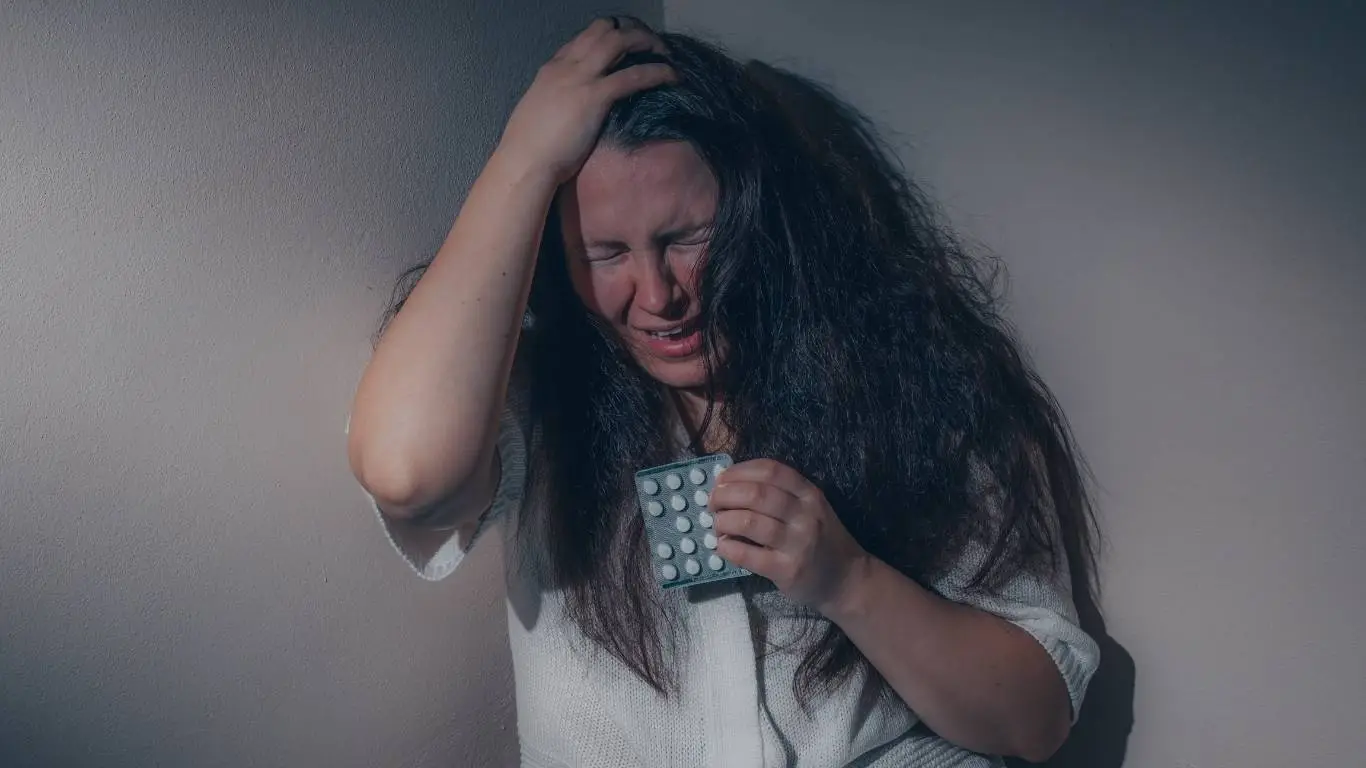
I used to beat myself up before I even messed anything up. Like, “Why can’t I just chill like normal people?” But that mindset only made the anxiety worse. The real shift happened when I started treating myself like I’d treat a friend going through the same thing. Gentle, curious, supportive.
There’s a whole therapeutic model behind this—compassion-focused therapy—but for me, it started small. Instead of “You’re going to bomb this,” I’d try, “You’re nervous because it matters. You’ve done hard things before.”
And guess what? Self-compassion helps regulate cortisol. It’s not fluff. It’s science. Sites like nimh.nih.gov dive into the biology behind that. But all I know is: it worked.
Setting Boundaries Around Stressful Events
This one felt radical: I started scheduling buffer time around events. No back-to-back calls. No late-night prep the day before. Just space. I also let close friends know when I was feeling off and needed extra quiet. Turns out, people respect honesty way more than we expect.
If an event stressed me out, I’d plan something low-stress afterward—a walk, a favorite show, a treat. It sounds simple, but it gave me something to look forward to instead of dreading the whole day.
Why It’s Okay to Ask for Help (Even If You’re High-Functioning)

I used to think therapy was only for “severe” cases. But if you’re dreading every upcoming event, or losing sleep days before something minor, that’s your sign. It doesn’t have to be this hard. There are amazing virtual therapy options now. I started with one 30-minute consult and never looked back.
For some people, meds help too. I was hesitant, but eventually, after talking to my provider, I gave a low-dose SSRI a shot. That paired with therapy made things manageable. You can explore what might work best for you starting here: medical treatment options for anxiety.
If there’s one place to understand the full picture of what you’re up against—and all your options—check out this guide on anxiety disorders diagnosis and assessment. That piece gave me clarity when I needed it most.
And if you want the broader context of how anxiety shows up in your everyday life (even when you’re not anticipating an event), this foundational piece is a must-read: Why Anxiety Disorders Can Secretly Control Your Daily Life. It’s the big picture I wish I had sooner.

Camellia Wulansari is a dedicated Medical Assistant at a local clinic and a passionate health writer at Healthusias.com. With years of hands-on experience in patient care and a deep interest in preventive medicine, she bridges the gap between clinical knowledge and accessible health information. Camellia specializes in writing about digestive health, chronic conditions like GERD and hypertension, respiratory issues, and autoimmune diseases, aiming to empower readers with practical, easy-to-understand insights. When she’s not assisting patients or writing, you’ll find her enjoying quiet mornings with coffee and a medical journal in hand—or jamming to her favorite metal band, Lamb of God.