Managing Anxiety After Miscarriage Can Feel Overwhelming But You’re Not Alone
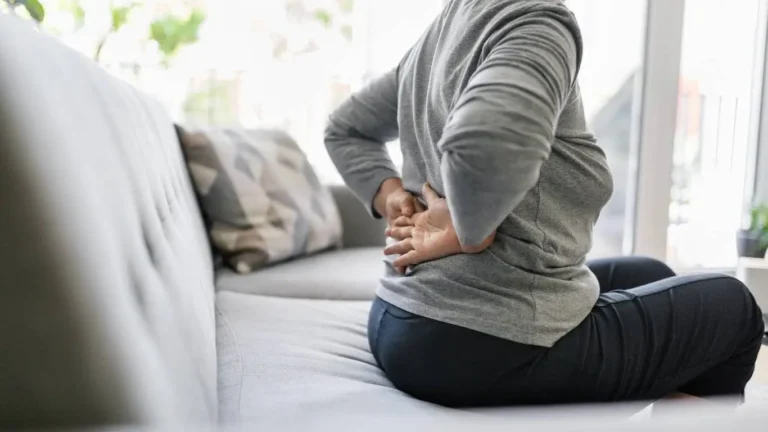
Losing a pregnancy is one of those experiences that you can’t fully grasp until it happens to you. I remember sitting in the bathroom, staring at the faint pink line on the test, then weeks later—just like that—it was over. The emotional whiplash is unreal. Grief? Yes. But what hit me harder was the anxiety that quietly crept in afterward. If you’re reading this, maybe you’re here too—trying to figure out how to breathe again, how to sleep again, how to feel safe in your body. You’re not alone, and no, you’re not “overreacting.” Managing anxiety after miscarriage is a deeply personal journey, and in this article, we’re diving into the real, usable ways to start reclaiming your peace.
Why Anxiety After Miscarriage Is More Common Than You Think
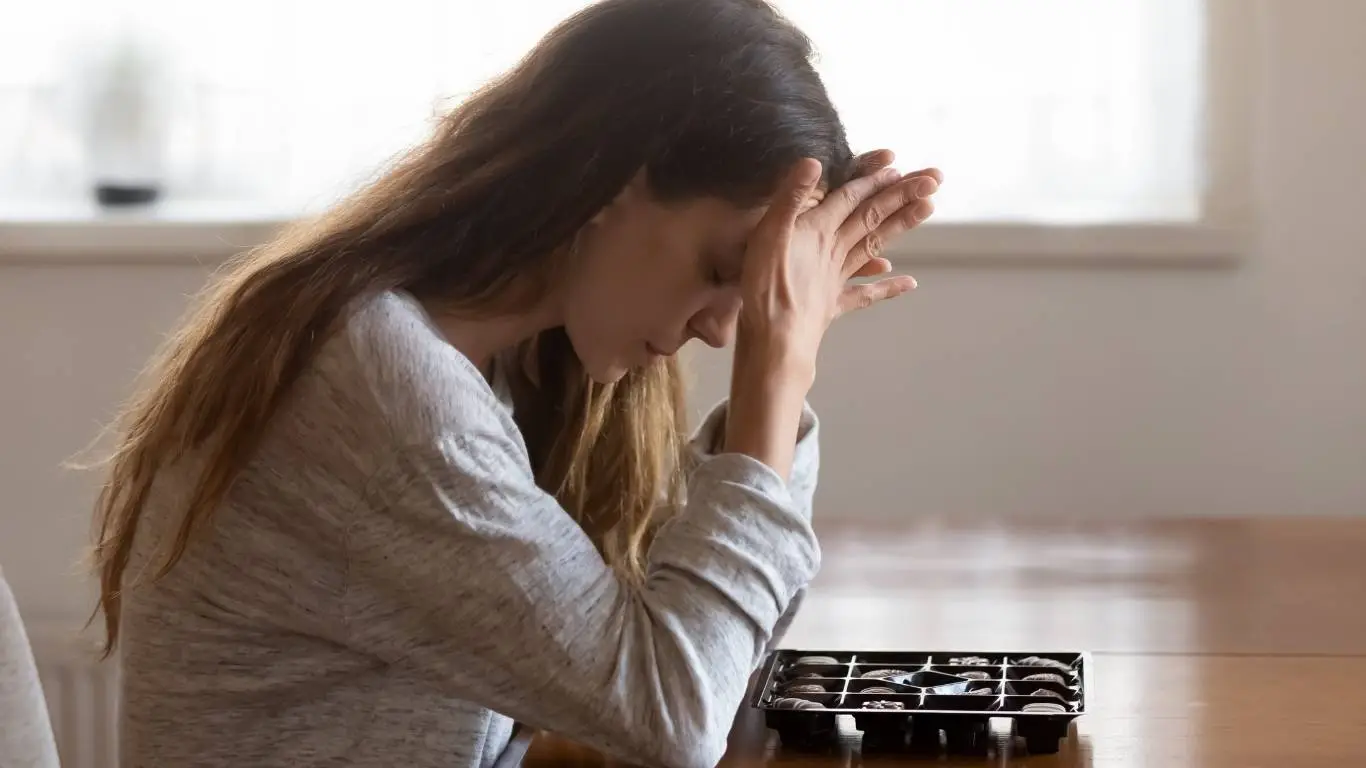
One thing I quickly learned is that miscarriage doesn’t just impact your physical body—it hits every layer of your being. After my loss, I was constantly on edge. Every twinge, every moment of quiet, every future plan suddenly felt dangerous or fragile. It wasn’t until I came across this explanation about hormonal imbalance and anxiety that I realized how biological my feelings actually were. You’re not broken. Your body is reacting to trauma, grief, and abrupt hormonal shifts all at once.
And let’s be real: society doesn’t talk about this enough. Anxiety after miscarriage isn’t rare—it’s just rarely acknowledged. Studies suggest that as many as 1 in 5 women may experience symptoms of generalized anxiety disorder (GAD) after pregnancy loss (https://www.nimh.nih.gov). Yet, many of us walk through it silently, wondering if we’re the only ones who can’t “just move on.”
What Anxiety Feels Like After Loss

It’s not just sadness. For me, it was chest tightness at night. A mind that wouldn’t shut off. An irrational fear that something else bad was going to happen. This piece on anxiety chest pain could’ve been written straight from my journal.
Here’s how anxiety can show up post-miscarriage:
- Sleep issues: Racing thoughts, vivid dreams, waking in panic
- Hypervigilance: Obsessing over bodily sensations or future pregnancy plans
- Intrusive thoughts: Guilt, fear of punishment, self-blame
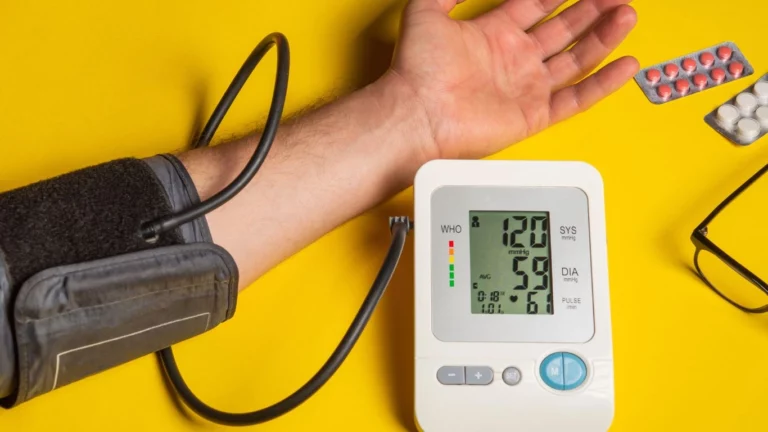
- Physical symptoms: Dizziness, nausea, heart palpitations (this one hit me hard)
These aren’t signs of weakness. They’re the body’s alarm system, still blaring after the emergency. The key isn’t to “shut it off”—it’s to slowly reset it.
How to Start Calming the Storm

1. Breathing: It’s Not Just Woo-Woo Stuff
I used to roll my eyes when someone told me to “just breathe.” But breathwork, when done properly, is legit. This breakdown of breathing exercises changed how I approached panic spirals. Try the 4-7-8 technique before bed. It can lower cortisol, calm your nervous system, and help you sleep without the spiral.
2. Magnesium Is Your Friend
After a few nights of researching at 2 a.m. (thank you, insomnia), I stumbled across the link between magnesium and anxiety relief. I added pumpkin seeds, spinach, and a magnesium glycinate supplement—and within days, things felt… less sharp. Less raw.
3. Consider CBT or Trauma-Informed Therapy
This isn’t “just in your head.” Therapy gave me space to untangle the grief from the panic. CBT (Cognitive Behavioral Therapy) gave me tools to challenge irrational thoughts, while EMDR therapy helped me reprocess the trauma in a way talk therapy couldn’t touch. Don’t wait until you’re drowning—reach out early.
4. Herbal Support That Doesn’t Feel Like a Placebo
I was skeptical of herbal remedies—until I wasn’t. Chamomile tea and ashwagandha were gentle anchors. This guide to herbal anxiety supports gave me solid direction without the fog of prescription meds.
Reshaping Daily Life After Miscarriage

One of the hardest things was returning to “normal” when I didn’t feel normal. I stopped answering texts. I ghosted baby showers. And I hated that I hated it. But slowly, I started rebuilding. I set a gentle routine—walks in the morning, tea at night, journaling in between.
As I began to trust my body again, I also began to trust life a little more. This lifestyle-focused pillar helped me create a blueprint that made sense for where I was—not where someone thought I should be.
And I leaned into articles like this one on how anxiety shapes daily life. It gave language to things I couldn’t explain and permission to take healing at my own pace.
#LNF

Camellia Wulansari is a dedicated Medical Assistant at a local clinic and a passionate health writer at Healthusias.com. With years of hands-on experience in patient care and a deep interest in preventive medicine, she bridges the gap between clinical knowledge and accessible health information. Camellia specializes in writing about digestive health, chronic conditions like GERD and hypertension, respiratory issues, and autoimmune diseases, aiming to empower readers with practical, easy-to-understand insights. When she’s not assisting patients or writing, you’ll find her enjoying quiet mornings with coffee and a medical journal in hand—or jamming to her favorite metal band, Lamb of God.