Key Differences Between Floaters and Flashes You Shouldn’t Ignore
It started on a quiet Sunday morning. I was sipping coffee and scrolling my phone when I noticed what looked like a shadowy thread drifting across my vision. A few days later, it was accompanied by sudden bursts of light in the corner of my eye—like someone turned on a strobe. That’s when I realized I needed to know the difference between floaters and flashes of light. If you’ve ever wondered whether what you’re seeing is harmless or something more serious, you’re not alone.
Understanding Eye Floaters
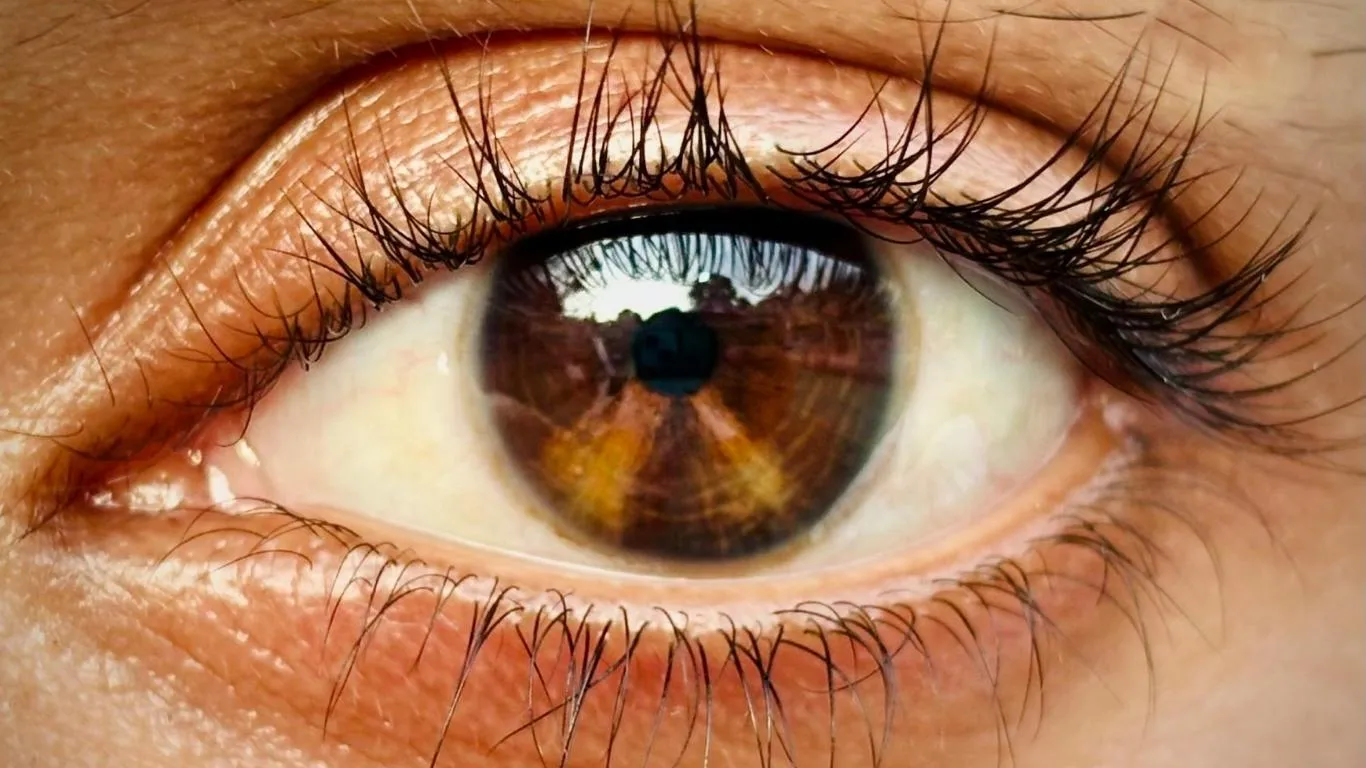
Eye floaters are those squiggly, blurry shapes that drift lazily across your vision. They’re especially noticeable when you’re staring at a plain, bright background like a blue sky or a white wall. I used to think it was just my glasses, but nope — turns out, floaters live inside your eyeball.
What Causes Floaters?
They’re actually tiny clumps of collagen or cells floating in the vitreous — the gel-like substance inside your eye. As we age, the vitreous starts to shrink and become more liquid, leading to clumps or strands that cast shadows on the retina. That’s what you see as floaters.
Common causes include:
- Aging (most common)
- Eye trauma or injury
- Diabetes-related eye issues
- Physical eye trauma
- Eye surgeries or procedures like YAG capsulotomy
Are Floaters a Health Risk?
Most of the time, no. They’re annoying but harmless. That said, if they suddenly increase or you notice them alongside light flashes, it could signal a more serious issue, like a retinal tear or detachment. I learned that the scary way when my ophthalmologist asked if I’d been seeing “a curtain falling over your vision” — not a fun chat.
For more detailed causes, check out this great breakdown on common eye floater causes.
Flashes of Light – What’s Going On?

Flashes, on the other hand, feel like sudden streaks of lightning or camera flashes in your peripheral vision — even in a dark room. It’s not a migraine aura (been there, different vibe). These flashes usually come from something tugging on your retina.
Causes of Light Flashes
Flashes typically result from mechanical stimulation of the retina. When the vitreous pulls away or shrinks, it can tug on the retina. That tug is what your brain interprets as a flash.
- Posterior vitreous detachment (PVD)
- Eye trauma (a punch or fall)
- Retinal tear or detachment
- Ocular migraines (less common)
Are Flashes Dangerous?
Unlike floaters, flashes are more likely to be serious. If you see flashes that come on suddenly and frequently — especially with new floaters — call an eye doctor ASAP. According to the American Academy of Ophthalmology, these symptoms could be early signs of retinal detachment.
So, What’s the Key Difference?
It took me weeks to separate the two, but here’s a simple breakdown based on what my eye doctor explained — and what I experienced:
| Floaters | Flashes |
|---|---|
| Drifting shapes or threads | Sudden bursts of light |
| Move as your eyes move | Appear randomly, especially in the dark |
| Usually harmless, age-related | Could signal retinal issues |
One of the best guides I came across while doing my own research was this deep dive into floaters vs. other eye problems. It really helps you distinguish what’s what.
When Should You Be Concerned?
If you ever experience a *sudden* increase in floaters, flashes, or any shadow over your vision (especially if it looks like a veil), don’t brush it off. I did for a few days, and it almost cost me. My retina was close to detaching — a literal emergency.
According to Mayo Clinic, you should see a specialist immediately if you notice:
- Sudden new floaters or increase in number
- Frequent light flashes
- A dark curtain or shadow in your peripheral vision
Also worth checking is this piece about why eye trauma-related floaters shouldn’t be ignored.
Other Conditions That Mimic These Symptoms
Sometimes, what you think is a floater or flash isn’t one at all. Migraine auras, for example, often bring shimmering lights that mimic flashes but come with a headache. Eye infections or inflammation (like uveitis) can also cause similar visual disturbances.
And if you’ve recently had eye surgery or trauma, like LASIK or a sports injury, floaters and flashes can pop up unexpectedly. I had a friend who noticed them weeks after LASIK — turned out, floaters after LASIK are a known issue.
More detailed background on what floaters are and how they develop is available in this eye floaters overview article.
Floaters and Flashes After Surgery or Trauma
Okay, so here’s something that caught me off guard — a few weeks after my dad had cataract surgery, he started seeing floaters. He called me in a panic, thinking something had gone terribly wrong. Turns out, it’s more common than people realize.
Procedures like cataract surgery, laser treatments, or even retinal work can stir up floaters or trigger flashes as the vitreous gets jostled around or starts to separate. It’s not always cause for alarm, but definitely worth a check-in if the visual changes are sudden.
Trauma is another major player. Even a minor sports injury — think basketball to the face — can lead to sudden onset floaters or light flashes due to retinal traction or bleeding. Trust me, I’ve seen more floaters after a boxing class than I care to admit.
Are There Any Treatments for Floaters and Flashes?
This is probably the question I get the most from friends who finally notice floaters. And here’s the honest answer: it depends.
Managing Floaters
For most people, floaters become less noticeable over time as the brain learns to ignore them. But if they’re seriously affecting your daily life, options include:
- Observation (aka: doing nothing and hoping they fade)
- Vitrectomy — surgically removing the vitreous gel (and floaters with it)
- Laser vitreolysis — breaking up the floaters using laser energy
Keep in mind: both procedures carry some risk and are usually reserved for severe cases. I considered laser treatment once, but ended up deciding against it after reading about the rare complications.
Treating Flashes
Unlike floaters, flashes can signal something urgent — like a retinal tear. In that case, doctors may recommend:
- Laser photocoagulation to seal a tear
- Cryopexy (freezing treatment)
- Surgical reattachment if the retina has detached
If you’re wondering whether those sparkles in your side vision are serious or not, get checked. I learned the hard way that quick action can save your sight.
What Your Symptoms Might Be Telling You
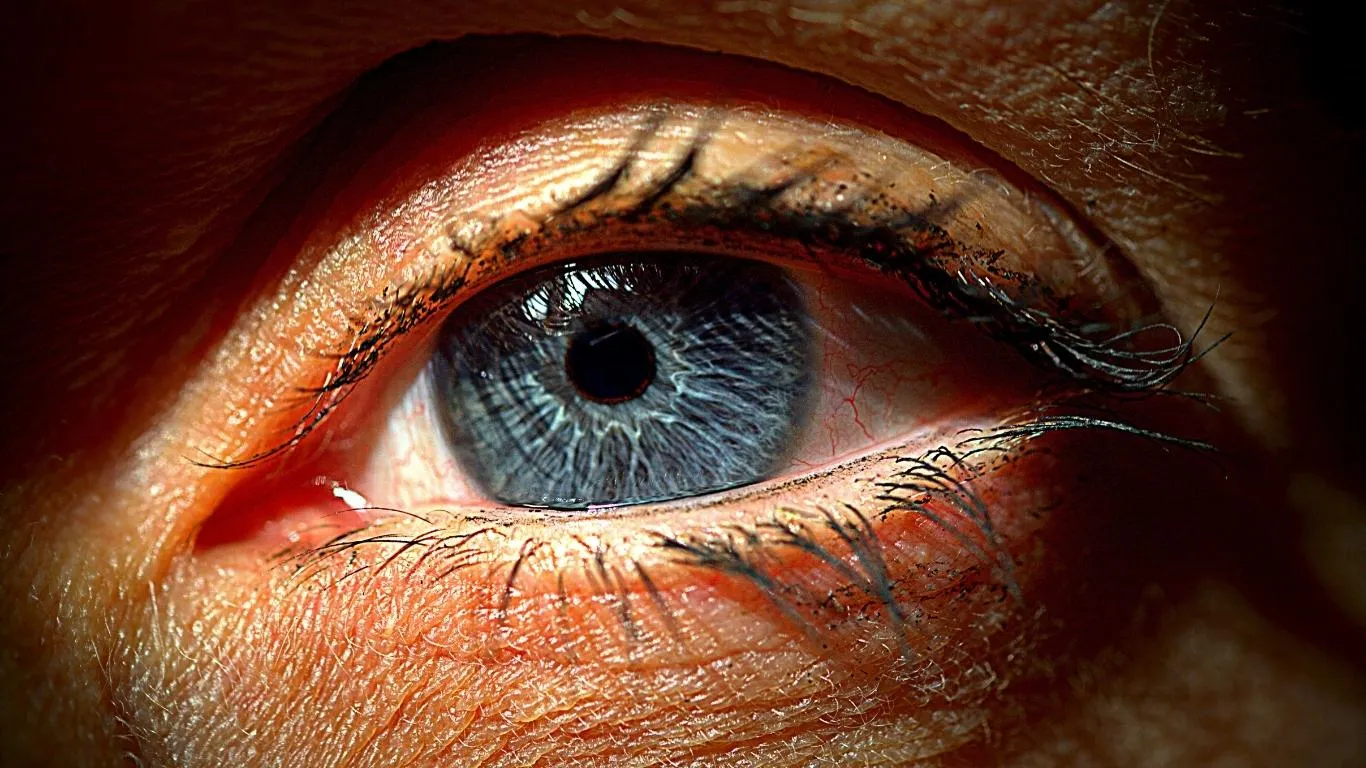
When people ask me “is this normal?” I usually tell them to listen to their body — or in this case, their eyes. If your floaters or flashes show up out of nowhere or worsen suddenly, it’s not something to ignore.
You might be dealing with:
- Complications after an infection
- Hormonal changes
- Early diabetic retinopathy
- Retinal holes or weakening
Here’s the deal — not all floaters or flashes mean danger. But understanding them, especially the differences between similar eye issues, helps you know when to act and when to chill.
When to See an Eye Doctor Immediately
If you take nothing else away from this article, remember this: sudden changes in your vision should always be taken seriously. Here’s when you shouldn’t wait:
- You see a sudden shower of new floaters
- You experience frequent or intense light flashes
- There’s a shadow or curtain-like effect in your vision
- Vision is blurry or dimming on one side
These are all possible signs of retinal tear or detachment — and you don’t want to mess with that. I’ve seen someone ignore the signs and end up needing emergency surgery to save their vision.
Don’t second-guess it. The sooner you get examined, the better your chances of preventing permanent damage.
Keeping Your Eyes in Check
I’ve made it a habit now to go for regular eye exams, especially after hitting 40. Let’s be honest — a lot changes with our vision as we age, and catching problems early can really save you the stress (and money).
To help reduce eye strain and maybe even keep floaters in check, consider:
- Taking breaks from screens (yes, put the phone down… sometimes)
- Staying hydrated
- Eating eye-friendly foods (leafy greens, omega-3s, etc.)
- Wearing sunglasses to protect from UV damage
Some even recommend vision supplements that support vitreous health — just make sure they’re from trusted sources and discussed with your doc first.
If you want a deeper dive into the root of these visual issues, the full guide on what causes eye floaters is incredibly helpful.
For a complete breakdown of causes and warning signs that may signal something serious, check out our comprehensive post: When Eye Floaters Could Be a Serious Problem.

Camellia Wulansari is a dedicated Medical Assistant at a local clinic and a passionate health writer at Healthusias.com. With years of hands-on experience in patient care and a deep interest in preventive medicine, she bridges the gap between clinical knowledge and accessible health information. Camellia specializes in writing about digestive health, chronic conditions like GERD and hypertension, respiratory issues, and autoimmune diseases, aiming to empower readers with practical, easy-to-understand insights. When she’s not assisting patients or writing, you’ll find her enjoying quiet mornings with coffee and a medical journal in hand—or jamming to her favorite metal band, Lamb of God.