Best Yoga Poses To Ease Anxiety And Restore Inner Calm
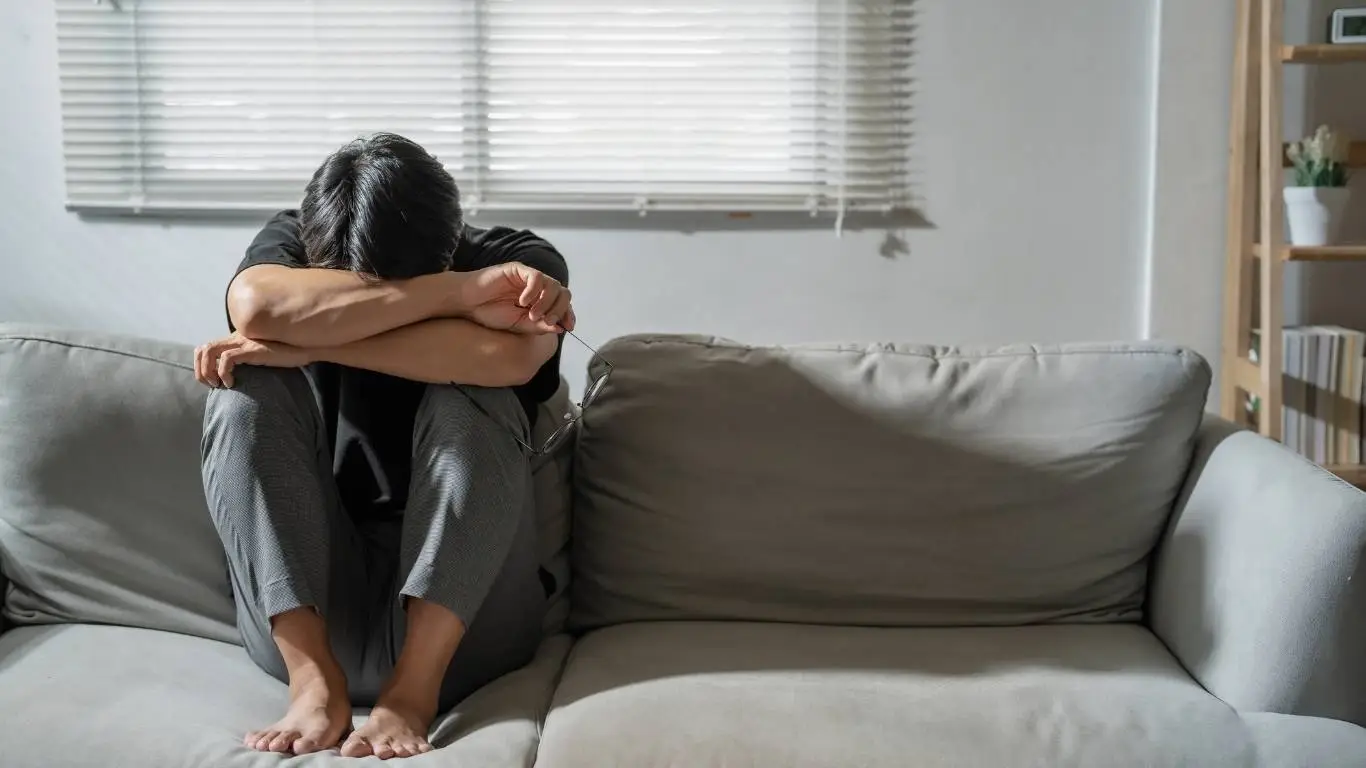
When I first started incorporating yoga into my daily routine, I was honestly just looking for a way to move my body without the pressure of high-impact workouts. What I didn’t expect was the surprising mental shift that came with it—especially in how it helped me manage anxiety. If you’re constantly battling that restless, uneasy energy, those racing thoughts, or even just the weight of daily stress, certain yoga poses can truly become a grounding lifeline. And no, you don’t have to be a yogi or even flexible to get started. The goal isn’t performance—it’s peace.
Why Yoga Helps Calm Anxiety
Yoga isn’t just stretching—it’s a deliberate connection between breath, body, and brain. Studies from ncbi.nlm.nih.gov and clevelandclinic.org confirm that consistent yoga practice reduces cortisol levels and increases GABA, the neurotransmitter responsible for calm. It physically alters your stress response.
From my personal experience, I noticed the biggest impact not during the poses themselves but *after*—a kind of soft mental reset I didn’t realize I needed. But it’s the type of yoga you do that matters.
Not All Yoga Is Equal
If you’re thinking power yoga or heated sessions are the answer, that’s probably going to fuel your adrenaline rather than soothe your nervous system. The best styles for anxiety include:
- Hatha yoga: Gentle, steady movements paired with controlled breathing
- Yin yoga: Deep stretches held for longer, allowing the nervous system to unwind
- Restorative yoga: Completely supported postures using props to trigger relaxation
Each of these can shift your internal state from fight-or-flight to rest-and-digest—especially when combined with intentional breathwork.
Top Yoga Poses That Calm the Nervous System
1. Child’s Pose (Balasana)
This is my go-to whenever I feel overwhelmed. It’s a grounding posture that encourages introspection and ease.
- Kneel, bring big toes together and knees apart
- Fold forward with arms extended or by your sides
- Let your forehead rest on the mat—it triggers the vagus nerve, which calms the brain
Pair this with breathing exercises that work and it becomes a full-body reset.
2. Legs Up the Wall (Viparita Karani)
This one always surprises people with how powerful it feels. You lie on your back and elevate your legs up against a wall—it’s an inversion that helps drain stress and bring mental stillness.
According to psychologytoday.com, mild inversions like this help regulate blood flow and lower heart rate.
3. Cat-Cow (Marjaryasana-Bitilasana)
When my anxiety is more physical—like tight chest, racing heart, or shallow breathing—this movement helps release that locked-up energy. It syncs breath with gentle spinal motion, which feels strangely liberating when your mind is spiraling.
Move slowly and match each motion with your inhale and exhale. It teaches presence, which anxiety tends to rob from us.
4. Standing Forward Bend (Uttanasana)
This is more than a stretch—it’s a release. When I’m stuck in my head, folding forward brings me back to my body. Physically, it lengthens the spine and soothes the nervous system.
Let your head hang heavy, and bend the knees if needed. Don’t worry about “looking right”—this pose is about surrender.
5. Seated Forward Bend (Paschimottanasana)
Similar to Uttanasana, but done seated, this pose has an introspective quality that feels emotionally balancing. It’s one of those postures where you can actually feel the tension leave your jaw and shoulders if you let it.
Don’t reach for your toes—reach for a feeling of release.
Breathwork Makes the Difference
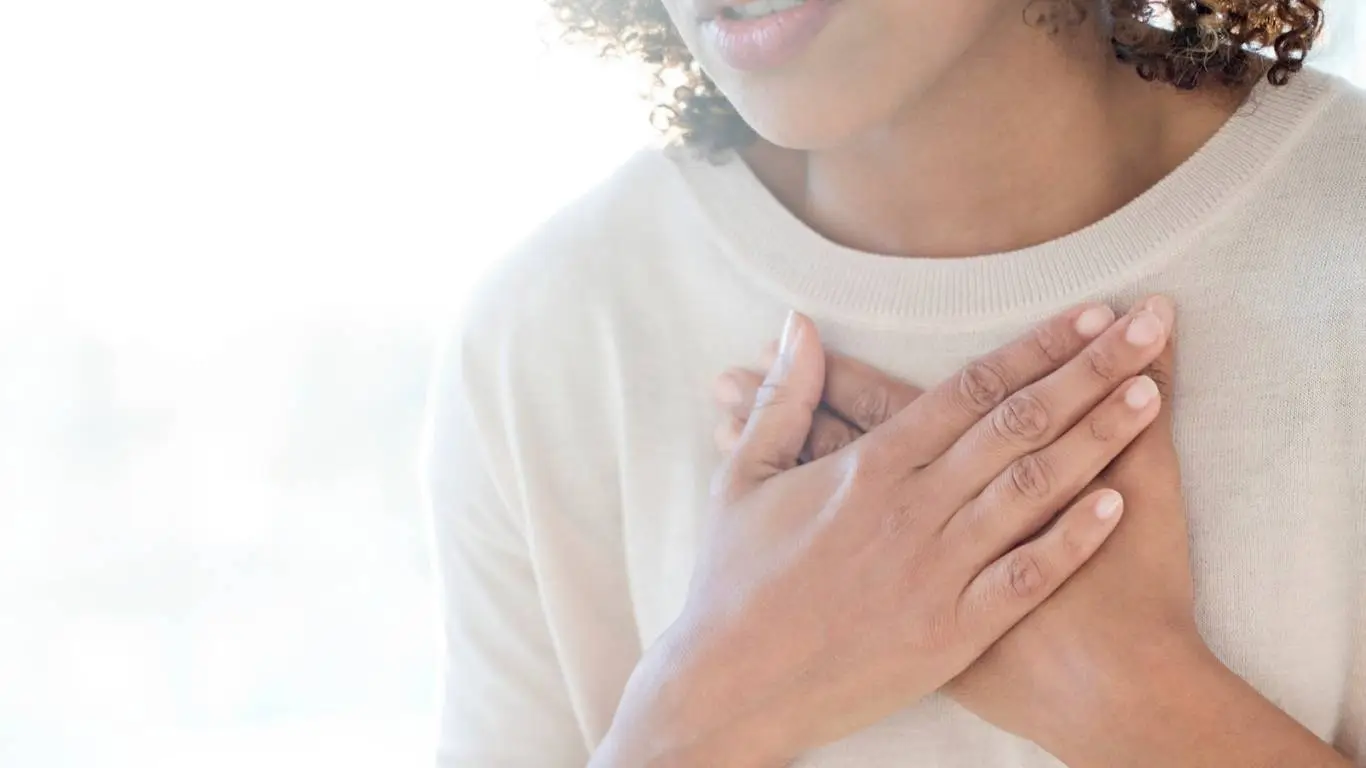
You can do every pose above and still feel anxious if you’re not breathing properly. Most of us with anxiety tend to hold our breath or breathe shallowly into the chest, which tells the brain to stay on high alert.
- Try 4-7-8 breathing: Inhale for 4 seconds, hold for 7, exhale slowly for 8.
- Practice belly breathing: Let your abdomen rise and fall, not your chest.
- Exhale longer than you inhale: This engages the parasympathetic system.
If you’re curious about how this works on a deeper level, I found this article super helpful: Breathing exercises for anxiety relief.
Setting the Mood for a Grounding Practice

Don’t underestimate your space. Dimming the lights, playing ambient music, or diffusing lavender oil can make a big difference in how your nervous system responds. If you’re curious, aromatherapy for anxiety is actually backed by science.
I’ve even found that practicing barefoot on a grounding mat, or near a window with natural light, helps me feel connected and calm. Small sensory shifts can anchor your experience.
How to Build a Sustainable Yoga Routine for Anxiety Relief
You don’t need an hour-long practice. Even 10–15 minutes a day is enough. What helped me stay consistent was not treating it like a workout, but like a moment to breathe and *be*. Here’s how to get started:
- Choose 2–3 calming poses that feel good to you
- Practice after waking up or before bed—it frames the day beautifully
- Track how you feel afterward to reinforce the habit
If you feel your anxiety disrupts your daily flow, there’s a deeper dive into that here: how anxiety disrupts your daily life. And to get a broader understanding of what you may be experiencing, this main guide on anxiety disorders offers a solid foundation.
How Yoga Encourages Mindfulness Without the Pressure
I used to think mindfulness meant sitting still in silence for 20 minutes, trying not to think—which just gave me more anxiety. But yoga? It naturally brings you into the moment *without* the mental gymnastics. You’re not trying to stop thoughts; you’re just moving with them. That’s the magic.
Mindfulness in yoga happens between breaths and transitions. When you focus on how your foot presses into the mat, or how your breath guides your movement, there’s simply no room for spiraling thoughts. You aren’t forcing stillness—it just happens.
Anchor Your Awareness, Not Your Expectations
One of the biggest mindset shifts that helped me was this: there’s no “good” or “bad” yoga session. Some days I feel light and fluid; other days, I feel heavy and distracted. Both are valid. What matters is showing up. That alone is an act of self-care.
When anxiety is high, try poses that keep you close to the floor. They give a sense of security, a kind of physical anchoring that tells your brain: “You’re safe now.”
Best Yoga Props for Soothing Practice
If you’ve never used props, you’re missing out on serious comfort. My favorite anxiety-soothing sessions always include:
- Bolsters: Ideal for restorative poses, letting your body fully relax without effort
- Yoga blocks: Support during forward folds or seated poses to prevent strain
- Eye pillows: Create gentle pressure and block light for deeper relaxation
- Blankets: Add warmth and support under knees or hips
Trust me, adding these into your practice takes things from “meh” to “deeply comforting.” It’s a level of support your nervous system didn’t know it needed.
Yoga vs. Other Anxiety Relief Tools
There are lots of tools for managing anxiety—therapy, journaling, meds, nutrition changes, supplements like magnesium. But yoga brings something unique: it combines physical movement, intentional breath, and mental presence all at once. Few methods address all three layers like this.
I still use other methods—like journaling or nutritional support—but yoga feels like the glue that holds everything together.
Should You Combine Yoga with Therapy?
Absolutely. Especially therapies like Mindfulness-Based Cognitive Therapy, which align beautifully with yoga’s core principles. Combining the two gives you a structured mental framework with a somatic release mechanism.
And if your anxiety feels deeply rooted in life experience, professional counseling adds another powerful layer of support. It’s not about choosing one or the other—it’s about creating synergy.
Nutrition and Hydration for a Calmer Practice

There were days when I’d do a relaxing yoga session… and still feel jittery. Turns out, my pre-practice habits weren’t helping. Caffeine, sugar, and dehydration all made me feel wired no matter how much I stretched or breathed.
So here’s what helped:
- Swapping coffee for caffeine-free calming drinks
- Staying hydrated with electrolyte water before practice
- Eating a small protein-rich snack 30 minutes prior
- Trying out calming supplements like magnesium or omega-3s with my doctor’s OK
If you’re curious about food’s role in your anxiety patterns, check out this full guide on diet and anxiety.
Creating a Long-Term Relationship with Yoga

I’ll be honest—there were weeks I fell off the mat. Life gets busy, anxiety flares, motivation dips. But every time I return, it feels like coming home. That’s the beauty of yoga—it doesn’t judge. It waits.
To stay consistent:
- Set a specific time each day: Even if it’s 7 minutes, make it yours
- Use video guides: There are amazing anxiety-specific yoga flows out there
- Track how you feel after: This positive feedback loop will keep you coming back
- Make space special: Light a candle, unroll a mat, and step into your sanctuary
And if you’re wondering how all of this fits into the bigger picture of healing, this is a helpful deeper look: Types of anxiety disorders. Knowing the root of your experience can make yoga feel more personal—and more effective.
When Yoga Isn’t Enough: Knowing the Signs

There was a time I thought yoga would “fix” my anxiety. But some days, it only softened the edge—and that’s okay. If your symptoms persist or intensify, it may be time to explore other resources.
Diagnostic tools and self-assessments like the GAD-7 questionnaire can offer clarity. You’re not alone, and you’re not doing it wrong. Sometimes yoga is the beginning—not the whole journey.
For a deeper understanding of how anxiety shows up and disrupts daily life, this comprehensive overview is a great next read.

Camellia Wulansari is a dedicated Medical Assistant at a local clinic and a passionate health writer at Healthusias.com. With years of hands-on experience in patient care and a deep interest in preventive medicine, she bridges the gap between clinical knowledge and accessible health information. Camellia specializes in writing about digestive health, chronic conditions like GERD and hypertension, respiratory issues, and autoimmune diseases, aiming to empower readers with practical, easy-to-understand insights. When she’s not assisting patients or writing, you’ll find her enjoying quiet mornings with coffee and a medical journal in hand—or jamming to her favorite metal band, Lamb of God.