

Hormonal Imbalance Migraines That Disrupt Your Daily Life
When I first noticed my migraines were syncing with certain times of the month, I thought it was just a coincidence. But after a few cycles of blinding pain arriving like clockwork before my period or after a hormonal treatment, I realized something deeper was going on. Hormonal imbalance migraines aren’t just frustrating—they’re disruptive, often misunderstood, and deeply personal. Let’s break down what’s really happening inside the body and why hormones can be a powerful trigger for migraine sufferers.
Understanding the Hormonal-Migraine Connection

Hormonal fluctuations can significantly affect the central nervous system. For many people—especially women—these shifts are at the root of migraine attacks. Estrogen and progesterone, the two primary female sex hormones, play a direct role in regulating inflammation and brain activity. When they fluctuate (especially when estrogen drops), the likelihood of migraines rises.
It’s no surprise then that menstrual migraines are a known and medically recognized subtype. However, it’s not just limited to periods. Any kind of hormonal shift—puberty, pregnancy, menopause, starting or stopping birth control—can light the fuse.
Why Estrogen Drop is a Migraine Trigger
Estrogen influences serotonin—a key neurotransmitter linked with mood and pain regulation. When estrogen dips rapidly (such as just before menstruation), serotonin levels may also fall. This triggers a cascade effect that alters blood vessels and heightens sensitivity in the brain, making a person more vulnerable to migraine episodes.
It’s Not Just Women
Though far more common in women, hormonal imbalance migraines can also affect men. Conditions like low testosterone or thyroid dysfunction can disrupt the endocrine system and provoke migraine attacks. Migraine triggers rooted in hormone health apply to everyone, regardless of gender.
Common Signs Your Migraine May Be Hormonal

- Migraine occurs around the same time in your cycle
- Headaches begin or intensify after starting or stopping birth control
- Increased migraine frequency during perimenopause
- Relief during pregnancy (especially second and third trimesters)
- Worsening migraines during hormone replacement therapy
If any of these sound familiar, your body might be reacting to hormonal changes more strongly than average. Discussing your symptoms with a healthcare provider who understands the broad spectrum of migraine symptoms can help tailor a treatment plan specific to hormonal shifts.
Hormonal Imbalance Types That Influence Migraines

1. Estrogen Dominance
Too much estrogen without enough progesterone can cause overstimulation of the brain and nervous system, making migraines more frequent or intense.
2. Low Estrogen
Sudden drops, like the kind before menstruation or during perimenopause, can set off a chain reaction in the brain’s vascular system—leading to inflammation and pain.
3. Progesterone Deficiency
This calming hormone helps balance out estrogen. When levels drop, it’s easier for the brain to become overstimulated—leading to those all-too-familiar throbbing headaches.
4. Thyroid Imbalance
Both hyperthyroidism and hypothyroidism are linked to migraine symptoms. Your thyroid affects nearly every system in your body, including hormones that control inflammation and neurotransmitter function.
Tracking Hormonal Patterns for Migraine Prevention

Learning to spot the rhythm of your body can be a game changer. I started using a migraine journal, recording my headache days alongside cycle dates, sleep, stress, and food. The pattern became obvious within two months. You can start with simple paper notes, or use tech tools like migraine tracking apps for more detail.
- Record when migraines occur
- Note the phase of your menstrual cycle
- Track symptoms like nausea, aura, and fatigue
- Identify other possible triggers (foods, stress, weather)
This data not only helps you understand your body—it gives your doctor actionable insight, especially when planning hormonal or preventive treatment options.
Treating Hormonal Imbalance Migraines

Treatment often involves a combination of migraine-specific therapies and hormone-focused interventions. It’s rarely a one-size-fits-all approach. Some people find relief through lifestyle changes, others need medical options like hormonal therapy or prescription medications.
Natural Hormonal Support
- Magnesium – Known to help with menstrual migraine prevention (ncbi.nlm.nih.gov)
- Vitamin B2 (Riboflavin) – Helps reduce migraine frequency when taken daily
- Chasteberry – Used in herbal medicine to balance estrogen levels
As with all supplements, speak to your provider before starting. Some people react differently, especially if other medical conditions are present. You might also explore complementary treatments like acupuncture for migraines or consider biofeedback therapy to train your brain away from stress-induced triggers.
For more in-depth information on managing migraines holistically, don’t miss our main migraine hub, where we explore everything from diagnosis to modern treatment options.
Hormonal Birth Control and Migraine: What to Know

When I started using hormonal birth control in my twenties, my migraines got worse before they got better. It was only after switching to a low-estrogen formulation that I noticed real improvement. That personal trial-and-error mirrors what many people go through. Hormonal contraceptives can either help or aggravate migraines depending on the type and your body’s response.
Combined Oral Contraceptives (COCs)
These contain both estrogen and progestin. For people with migraines without aura, low-dose COCs may help regulate hormonal swings and prevent drop-related attacks. However, for those who experience migraine with aura, COCs may increase the risk of stroke and are generally avoided.
Progestin-Only Pills (POPs)
POPs are often better tolerated for migraine sufferers and avoid estrogen drops altogether. But some people may still experience irregularities that can influence their migraine patterns.
Talk to a neurologist or gynecologist familiar with migraine protocols to tailor the right method. You can also learn more about different prescription options at our prescription migraine medications guide.
Managing Hormone-Linked Migraine Through Lifestyle

The hormonal system is incredibly sensitive to daily habits. Sleep, nutrition, and stress are three areas where subtle changes can lead to big improvements in migraine frequency and severity. Here’s what worked for me and many others:
Sleep Consistency
Going to bed and waking up at the same time—even on weekends—helps regulate cortisol and melatonin, both of which influence hormones like estrogen. We dive deeper into this topic in our guide to migraine sleep habits.
Balancing Blood Sugar
Hormonal fluctuations are made worse by glucose spikes and crashes. Eat meals at regular intervals and include protein and healthy fats to keep blood sugar—and hormones—steady.
Stress Regulation
When stress rises, so does cortisol. High cortisol disrupts estrogen and progesterone. Techniques like yoga, deep breathing, and even journaling have been shown to reduce both stress and migraine frequency. Try combining this with techniques from CBT for migraines or mindfulness-based interventions.
Menopause and Migraine: The Transition Years
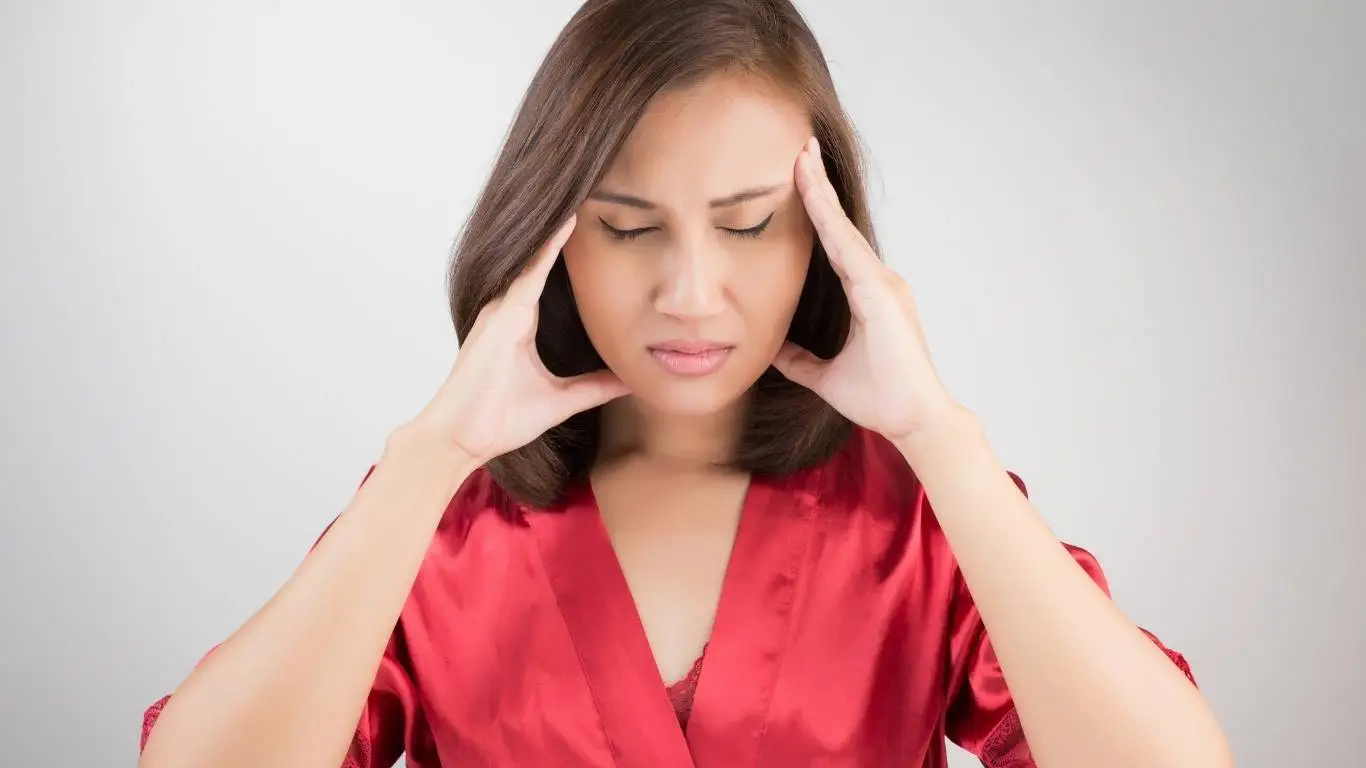
During perimenopause, hormones fluctuate wildly—often more than during a normal monthly cycle. Many women report that migraines become more frequent or severe in the lead-up to menopause. However, once menopause is complete and hormones stabilize, some find relief.
But not everyone does. In fact, for a significant number, senior migraines remain a challenge. The key is tracking changes and working with a provider on a strategy that may include low-dose hormone replacement therapy (HRT), non-hormonal migraine medications, or lifestyle adjustment support.
HRT: Helpful or Harmful?
Hormone replacement therapy can reduce migraine intensity for some by leveling out hormonal swings. But it’s not for everyone—risks and benefits need to be carefully weighed. Lower-dose, transdermal patches are generally better tolerated than oral forms.
Integrative Approaches That Support Hormonal Stability

Many people (myself included) turn to integrative approaches to ease the migraine-hormone storm. These options aren’t just “natural”—they’re evidence-backed and often recommended alongside traditional care. Always vet sources, such as findings from mayoclinic.org, before starting any new therapy.
- Omega-3 Fatty Acids: Help reduce neuroinflammation and support hormone production
- CoQ10: Supports mitochondrial function and energy regulation in the brain
- Yoga & Gentle Movement: Especially restorative yoga, has been shown to ease both tension and hormonal disruption
- Essential Oils: Particularly peppermint and lavender, for their soothing effects during attacks (see our migraine essential oils guide)
When to Seek Professional Help

If you’re dealing with frequent or severe migraines, especially those linked to hormone shifts, it’s time to get a tailored approach. A neurologist specializing in migraines—or even a migraine-trained nutritionist familiar with hormone balance—can make all the difference. The right tests, tracking tools, and treatment strategy will move you from reactive to proactive care.
Don’t forget, your hormone-related migraine journey connects with a much larger landscape of migraine knowledge. Explore our full migraine hub page or visit the migraine diagnosis section to better understand your patterns, types, and treatment paths.