Troubling Floaters in Autoimmune Diseases You Shouldn’t Ignore
So, I was sitting outside on a sunny day, trying to enjoy my coffee, when I noticed these tiny shadowy specks drifting in my vision. At first, I thought it was just dust or maybe sleep in my eyes. But nope—there they were again the next day. If you’ve ever had that moment of “what is this weird dot floating in my eye?” you’re not alone. It’s a common thing, especially if you’re living with an autoimmune condition. These little vision gremlins are called eye floaters, and for those of us managing autoimmune diseases, they can be more than just annoying—they might be a clue that something deeper is going on.
Why Autoimmune Diseases Often Lead to Floaters
Autoimmune diseases like lupus, rheumatoid arthritis, multiple sclerosis, and sarcoidosis aren’t just about joint pain, fatigue, or internal inflammation. They can mess with your eyes too—and that includes triggering floaters. I learned this the hard way after a uveitis flare-up during a lupus episode that made it feel like I was watching the world through a snow globe. That wasn’t fun.
So why do these floaters appear more frequently in people with autoimmune issues?
- Inflammation — Chronic inflammation caused by autoimmune activity can affect the vitreous humor (that gel-like substance in your eye), leading to floaters.
- Vascular changes — Autoimmune conditions may cause damage to tiny blood vessels in the retina, resulting in hemorrhages or deposits that can manifest as floaters.
- Medication side effects — Immunosuppressants or corticosteroids prescribed to manage autoimmune diseases can sometimes bring floaters along for the ride.
According to the American Academy of Ophthalmology, these floaters aren’t always benign, especially when connected to underlying systemic issues. Inflammation in the uveal tract, for instance, could lead to serious vision complications if not addressed quickly.
Uveitis: The Common Culprit

Among autoimmune-related causes, uveitis tops the list. It’s basically inflammation of the middle layer of your eye, and it’s as uncomfortable as it sounds. During an active flare, floaters can appear suddenly and in large numbers.
I still remember the urgency when my doctor mentioned “posterior uveitis.” It felt like a term out of a medical drama, but it’s a serious thing. Left untreated, it can lead to retinal scarring and even permanent vision loss. If you notice floaters appearing along with eye pain or redness, that’s your cue to get checked—fast.
More on this in our in-depth post: How Uveitis Triggers Eye Floaters and What You Should Know.
Common Autoimmune Conditions That May Cause Floaters
Eye floaters might be one of the first signs of autoimmune involvement in the eye. Several autoimmune diseases are especially notorious for this:
- Systemic Lupus Erythematosus (SLE) — Can lead to retinal vasculitis and inflammatory floaters.
- Rheumatoid Arthritis (RA) — Sometimes involves scleritis and uveitis, both linked with floaters.
- Sarcoidosis — Inflammation from granulomas can affect the eye directly.
- Multiple Sclerosis (MS) — Can cause optic neuritis, and floaters might signal visual pathway issues.
- Behçet’s Disease — Known to cause recurrent episodes of uveitis and severe floaters.
Floaters in these cases often don’t come alone—they can be accompanied by blurry vision, light sensitivity, or even flashes. And that combination? Definitely not something to ignore.
Explore more on the link between autoimmune disease and floaters: Autoimmune Disease Floaters May Be a Hidden Threat to Your Vision.
When Floaters Become a Red Flag
Not all floaters are harmless, especially for people with systemic autoimmune conditions. Here’s when they deserve more attention:
- Sudden increase in number or size of floaters
- Flashes of light appearing with floaters
- Loss of peripheral vision or shadow-like curtains
- Floaters after head trauma or during disease flare-ups
If these symptoms sound familiar, it’s wise to see an ophthalmologist who understands systemic disease impact. Early intervention could mean the difference between managing inflammation and long-term vision loss. A solid primer on this can be found in Floaters Before Retinal Tear: Could Be a Serious Warning Sign.
How I Manage Floaters Without Losing My Mind
Let’s be real—floaters are distracting. They float into view when I’m reading, working, or scrolling through my phone. Here are a few things I’ve found helpful:
- Anti-inflammatory diet — I stick to foods that reduce systemic inflammation: think salmon, leafy greens, and turmeric tea (yes, it’s a thing).
- Blue light filter glasses — Help reduce the visibility of floaters on screens. Check out: Why Blue Light Filter Glasses May Be Making Eye Floaters Worse
- Eye yoga and movement — Gentle eye rotations and focusing exercises keep things flexible. There’s some surprising science behind it.
- Checkups during flares — Whenever my autoimmune symptoms spike, I make sure to include an eye check-in. It’s become part of my health routine.
For anyone curious about other strategies to deal with floaters naturally: Natural Ways to Manage Eye Floaters: Fact or Fiction?.
Further Reading on Eye Health and Floaters

To better understand how autoimmune-related floaters fit into the bigger picture of eye health, check out our comprehensive post here: Eye Floater Treatments: From Observation to Surgery.
Also, the main resource that breaks down causes, symptoms, and treatment options across all floater types is available at What Are Eye Floaters? Causes, Symptoms, and Treatment Options.
Why You Shouldn’t Ignore Vision Changes During Autoimmune Flares
One thing I’ve learned from living with an autoimmune condition: everything is connected. If your joints are flaring or your energy’s tanking, there’s a good chance something subtle might be happening in your eyes too. The problem? Most of us (myself included, at first) tend to write off floaters as harmless or just “one of those things.”
But here’s the thing—floaters can sometimes be the only symptom of something more serious going on inside the eye. For example, I once ignored a sudden cloud of floaters after a stressful flare. Turns out, it was linked to inflammation spreading in my retina. If I had waited any longer, it might have damaged my sight permanently.
One great resource on how autoimmune damage affects the retina is this breakdown: When Multiple Sclerosis Floaters Disrupt Daily Vision.
Floaters + Autoimmune Medications: The Hidden Connection
If you’re on long-term immunosuppressive therapy—or steroids like prednisone—you might want to watch how your eyes react. Some meds used to treat autoimmune diseases can actually increase your risk of floaters, either by accelerating vitreous degeneration or triggering intraocular pressure spikes.
For instance:
- Systemic corticosteroids can lead to posterior subcapsular cataracts and vitreous instability.
- Biologics like TNF inhibitors sometimes have unexpected ocular side effects, especially if inflammation is redirected internally.
- Long-term NSAID use has been loosely linked to floaters in certain individuals—check out this helpful read: Can NSAIDs Contribute to Eye Floaters?
It’s not about blaming the meds (they’re often necessary), but rather being proactive. If your vision changes after adjusting your treatment, bring it up with both your rheumatologist and an eye specialist.
How to Talk to Your Eye Doctor (Especially if You Have an Autoimmune Condition)
I’ll admit—I used to dread eye appointments. It felt like I was being dramatic, going in because of some floating dots. But once I found an ophthalmologist who understood autoimmune complications, it was a game-changer.
Here’s what’s helped me during appointments:
- Bring a full list of your current medications, especially immunosuppressants.
- Mention the frequency and appearance of floaters—are they strands, dots, or webs?
- Be honest about flare cycles. Vision symptoms often align with systemic inflammation.
- Ask directly if inflammation markers in your eyes are present (ex: vasculitis, vitreitis).
If your specialist shrugs off the connection, don’t hesitate to find someone who specializes in ocular immunology. That one change led to faster diagnoses and treatment in my case.
When Floaters Might Be a Sign of Retinal Trouble
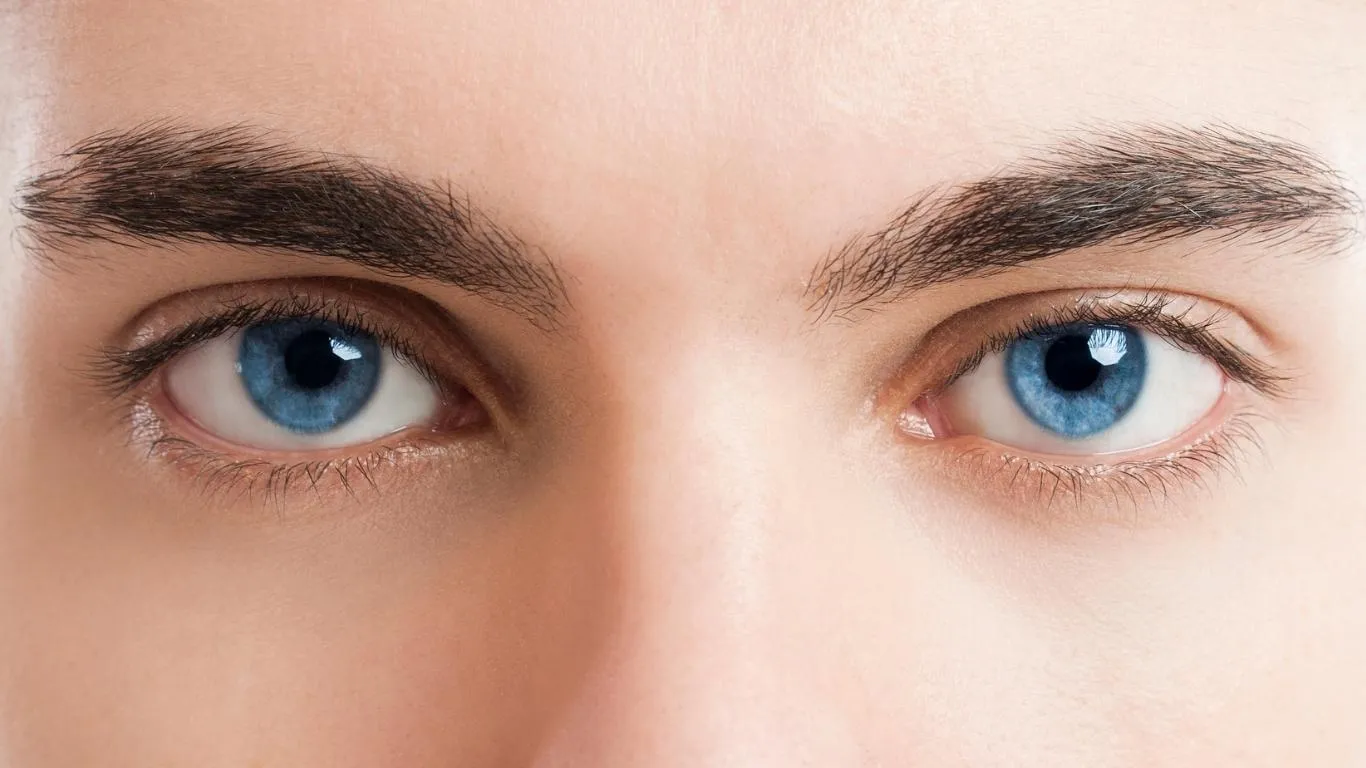
We talked about uveitis, but let’s not forget another serious possibility: retinal detachment or retinal tears. Floaters can sometimes be the early alarm bell for these conditions—especially in autoimmune patients with chronic inflammation.
For example, a study referenced by ncbi.nlm.nih.gov reported a higher incidence of vitreoretinal complications in patients with Behçet’s disease. Those aren’t your everyday floaters.
If you ever notice:
- A sudden shower of floaters
- A curtain or veil coming over your vision
- Flashes of light that persist, even with eyes closed
…get it checked. These are classic signs of retinal tears or detachment. For more on this, head over to: What Floaters With Retinal Bleeding Mean for Your Vision.
Natural Strategies for Reducing Autoimmune-Linked Floaters
I’ll be honest—I’ve tried everything short of standing on my head to make floaters go away. While they can’t be erased completely (yet), some natural strategies have honestly helped reduce their intensity.
- Hydration — I underestimated how much proper water intake helped my eye clarity. Dehydration thickens the vitreous.
- Anti-inflammatory supplements — Omega-3s, magnesium, and lutein are part of my daily lineup. These have studies backing their effect on eye and immune health. Here’s a good overview: Best Supplements for Floaters That Actually Help Your Vision.
- Vision hygiene — I reduce screen time during flares, switch to warmer light, and use blue-light filters.
- Stress reduction — Seriously, stress flares floaters. Whether it’s a walk or just deep breaths, it makes a difference.
And yes, yoga for eye relief? Not as weird as it sounds: Best Yoga Poses for Eye Floater Relief That Actually Help.
Understanding the Bigger Picture: It’s Not Just About the Eyes
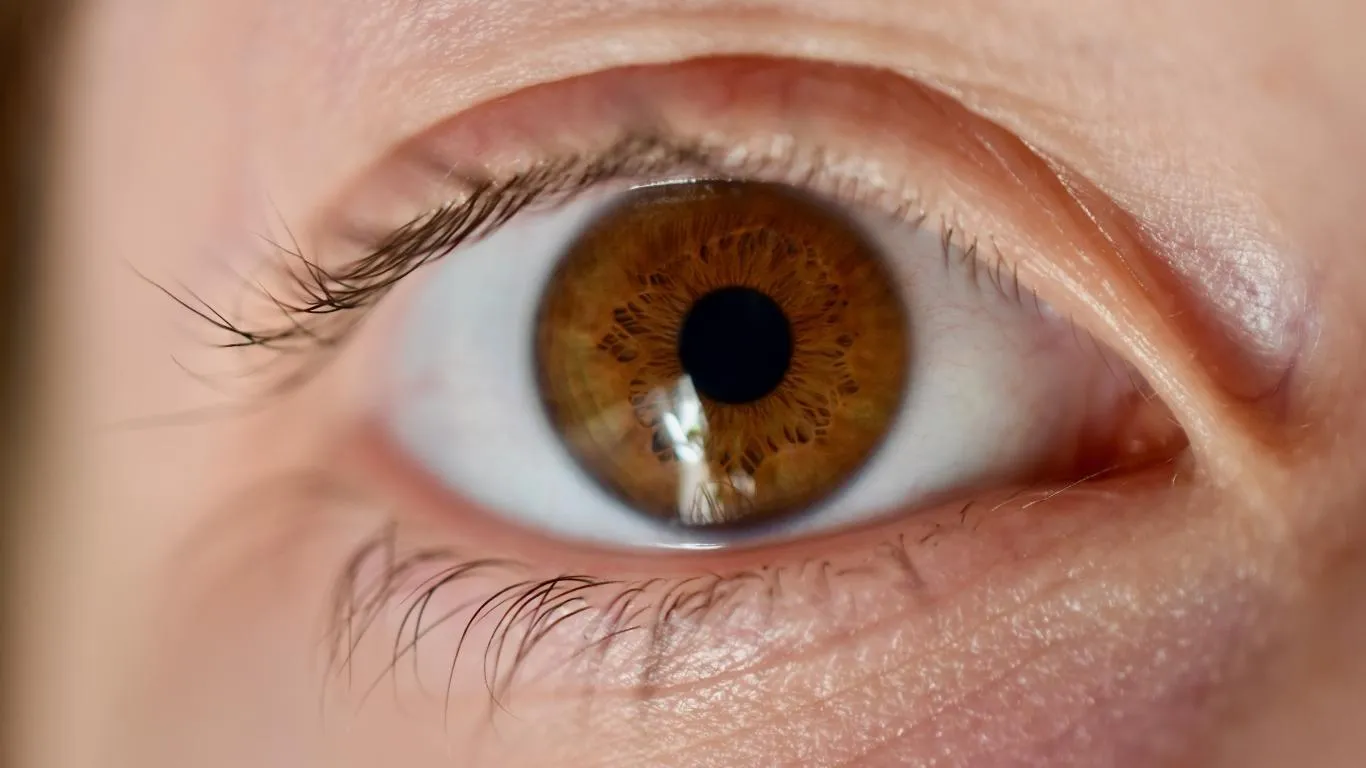
Floaters may seem like a minor inconvenience, but they’re sometimes a reflection of something much deeper. In autoimmune conditions, they often signal systemic inflammation manifesting through your vision. That’s why it’s crucial not to ignore or downplay them.
Keeping your rheumatologist in the loop, staying regular with eye checkups, and listening to those little signs your body gives (even if they float) makes a world of difference.
And if you haven’t read our full breakdown yet on floaters across all major causes, check this out: What Are Eye Floaters? Causes, Symptoms, and Treatment Options.
More in-depth knowledge on systemic causes of floaters (including aging, trauma, and chronic inflammation) is also covered in: Common Causes of Eye Floaters: From Aging to Eye Injuries.

Camellia Wulansari is a dedicated Medical Assistant at a local clinic and a passionate health writer at Healthusias.com. With years of hands-on experience in patient care and a deep interest in preventive medicine, she bridges the gap between clinical knowledge and accessible health information. Camellia specializes in writing about digestive health, chronic conditions like GERD and hypertension, respiratory issues, and autoimmune diseases, aiming to empower readers with practical, easy-to-understand insights. When she’s not assisting patients or writing, you’ll find her enjoying quiet mornings with coffee and a medical journal in hand—or jamming to her favorite metal band, Lamb of God.