
How Long Floaters Usually Last and When to Be Concerned
If you’ve ever stared up at the sky or glanced at a blank wall and suddenly noticed strange, drifting shapes in your vision — you’re not alone. These floating specs, swirls, or cobweb-like strands can be as baffling as they are annoying. I remember sitting at my desk, thinking a bug flew past my eye, only to realize it was something internal — something that stubbornly refused to go away no matter how hard I blinked. That was my first real introduction to eye floaters. And if you’re like me, the first thing you probably want to know is: how long do floaters usually last? Let’s break it down, in a real-world, no-nonsense kind of way.
What Are Eye Floaters, Really?
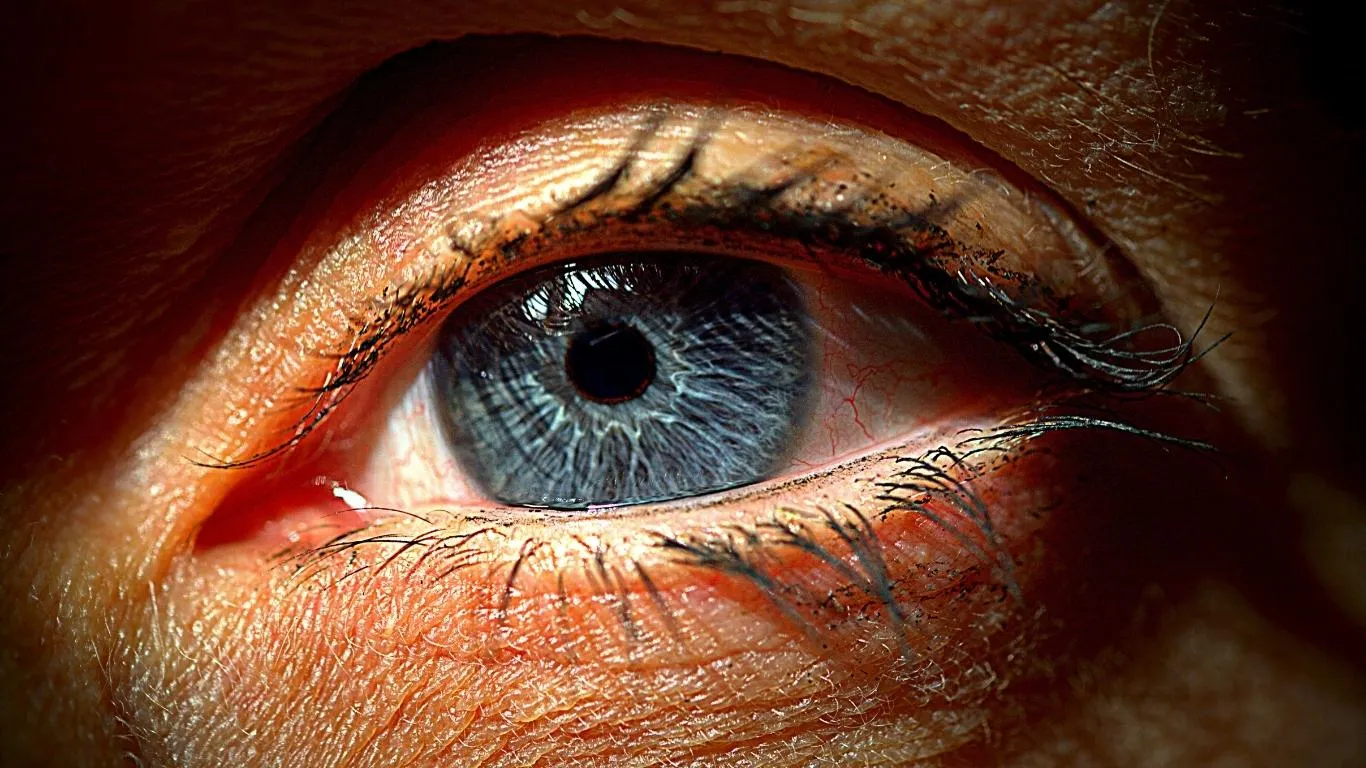
Floaters are essentially tiny clumps of collagen or cells floating around inside the vitreous — that gel-like substance filling the back of your eye. As light enters your eye, it casts a shadow of these little clumps onto your retina, and that’s what you see drifting across your vision.
They’re most noticeable against light, uniform backgrounds — like a white wall, a computer screen, or a bright blue sky. For some, floaters fade quickly. For others, they linger for months or even years.
So, How Long Do Floaters Usually Last?
This is the question I get asked the most — and honestly, the answer depends on what’s causing them.
1. Age-Related Floaters
For the majority of people, floaters develop naturally as they age. The vitreous begins to shrink and liquefy, causing the collagen fibers to clump together. These floaters may hang around for weeks to months, and eventually, many people notice them less as the brain starts to tune them out.
More on the link between age and floaters can be found in this insightful piece: why are eye floaters common in older adults.
2. Posterior Vitreous Detachment (PVD)
This is one of the most common reasons people suddenly develop floaters. When the vitreous pulls away from the retina — typically after age 50 — a sudden “shower” of floaters may appear. These floaters often settle and become less noticeable over 3 to 6 months. However, some might persist much longer.
If you’ve been told you have a PVD, this article breaks down what’s really happening: posterior vitreous detachment and floaters.
3. Eye Injuries or Trauma
If your floaters showed up after an injury — like getting hit in the eye or even a car accident — they could last longer or indicate more serious issues. Some post-traumatic floaters remain permanent if caused by hemorrhage or structural changes in the vitreous.
You might want to check this out if your floaters started after trauma: eye floaters after injuries.
4. Eye Infections or Inflammation
Floaters caused by eye inflammation (uveitis) or infections often resolve as the underlying condition heals — typically within a few weeks to months, depending on treatment. However, persistent floaters may remain as a side effect.
For more depth on this, here’s a great breakdown: uveitis and floaters.
5. Post-Surgery or Post-LASIK Floaters
Some people report floaters after LASIK or cataract surgery. These can last a while — several months or more — especially if they result from subtle vitreous changes. I personally had a couple show up after PRK, and it took almost a year before I stopped noticing them entirely.
You may find this relevant: floaters after cataract surgery.
Why Some Floaters Disappear and Others Don’t
One of the biggest misconceptions is that floaters physically disappear. Most don’t — they just move out of your central vision or your brain learns to ignore them. It’s kind of like living near a train track. At first, you hear every rumble. After a while? You don’t even notice it.
In rare cases, floaters actually dissolve as your vitreous adapts and stabilizes. More often, the annoying ones drift lower or settle in a less visible spot.
- Smaller floaters: Often vanish from sight within weeks.
- Larger clumps: Can linger for months or years.
- Persistent floaters: Might need medical evaluation, especially if they interfere with daily life.
When to Be Concerned About Long-Lasting Floaters
It’s easy to ignore floaters — I tried to for months. But some situations really do warrant a closer look:
- Sudden increase in floaters, especially accompanied by flashes of light
- Dark curtain or shadows moving across your field of vision
- Blurred or distorted vision developing alongside new floaters
These can signal serious retinal issues. Here’s one resource you’ll want to keep bookmarked: floaters and retinal tears.
If floaters come on after a fall or impact, don’t delay — more info here: post-accident floaters.
Authoritative sources like aao.org and ncbi.nlm.nih.gov echo these warnings, so take them seriously.
Why Most Floaters Don’t Need Treatment

Most floaters — even the annoying ones — are harmless and fade with time. In fact, many eye specialists won’t recommend any treatment unless they’re causing significant vision problems or emotional stress. If you’re struggling, don’t miss this comprehensive overview of treatment options: eye floater treatment options.
For the full picture on floaters, including causes, symptoms, and treatment paths, I highly recommend reading the main pillar guide: eye floaters: causes, symptoms, and treatment.
Can You Speed Up the Disappearance of Eye Floaters?
Here’s the deal — there’s no magic fix to “zap” floaters away overnight. Trust me, I looked into everything when I first started seeing them. But there are definitely things you can do to help your eyes heal, support your vitreous health, and possibly reduce how much these pesky floaters bother you.
1. Stay Hydrated and Nourished
Sounds basic, but your eyes are 98% water. Dehydration can thicken the vitreous gel, making floaters more prominent. I noticed mine got worse during dry months or when I was skipping water. Adding omega-3s and foods rich in antioxidants like vitamin C and lutein also seemed to help.
There’s some real science behind that — see this breakdown on how dehydration affects floaters and nutrition and eye floaters.
2. Reduce Screen Time and Bright Light Exposure
Excessive screen time or scrolling under harsh lighting can make floaters way more noticeable. I had to switch to blue light filters and took more breaks to blink and relax my focus. It actually helped.
This article helped me understand what was going on: screen time and floaters.
3. Avoid Eye Rubbing
I was guilty of this too. Turns out, frequent eye rubbing can disturb the vitreous and even make floaters worse. Who knew?
Read more on this subtle cause here: eye rubbing and floaters.
When Are Treatments Actually Needed?

Okay, so most floaters fade or get tuned out by your brain. But for a small group of us? They stick around — and not in a harmless way. If you’ve had floaters longer than 6 months and they still interfere with daily tasks like reading, driving, or even just enjoying a movie, it might be time to consider treatment options.
1. Vitrectomy
This is the big one — a surgical procedure where the vitreous gel is removed and replaced with a saline-like solution. It’s highly effective, but comes with risks like retinal detachment or cataracts. Not something to jump into lightly, but for severe cases? It’s a game-changer.
2. Laser Vitreolysis
Less invasive than vitrectomy, this procedure uses a laser to zap large floaters and break them up. It’s not available everywhere and doesn’t work on all floater types, but I’ve heard from folks in eye support forums who swear by it.
This detailed piece explores both options thoroughly: eye floater treatment overview.
Do Floaters Ever Indicate Something More Serious?
Yes, and this part’s crucial. Floaters that last a long time aren’t always benign. Some are actually the first sign of underlying disease — something that needs immediate care.
- Retinal tears – Often start with sudden floaters and flashes
- Uveitis – Inflammatory condition that causes dense floaters and light sensitivity
- Diabetic retinopathy – Can cause hemorrhaging into the vitreous
If floaters appeared suddenly and haven’t faded, especially if you have diabetes or autoimmune conditions, it’s worth reading this: diabetes and floaters.
Another under-the-radar cause? Autoimmune flare-ups. I was shocked to find out how often autoimmune disease floaters are overlooked by general practitioners.
For a professional resource to check red flag symptoms, visit mayoclinic.org.
Supporting Eye Health Long Term
If there’s one thing floaters have taught me, it’s that eye health is a lifelong investment. Whether you’ve just noticed your first one or have been living with them for years, it’s worth creating habits that protect your vision over time.
Simple Long-Term Tips:
- Get yearly eye exams, even if your vision seems “fine”
- Use UV-blocking sunglasses outdoors
- Rest your eyes during long screen sessions (20-20-20 rule)
- Include vision-friendly foods in your diet like leafy greens, eggs, and citrus
- Manage chronic conditions like blood pressure, diabetes, and inflammation
It also helps to understand your personal floater patterns. If you notice changes — more floaters, darker ones, or anything unusual — don’t just shrug it off. Better safe than sorry.
Want to dive deeper into the different causes of floaters? Start here: common causes of floaters.
And for the complete picture, this main guide has everything you need: eye floaters: causes, symptoms, and treatment.

Camellia Wulansari is a dedicated Medical Assistant at a local clinic and a passionate health writer at Healthusias.com. With years of hands-on experience in patient care and a deep interest in preventive medicine, she bridges the gap between clinical knowledge and accessible health information. Camellia specializes in writing about digestive health, chronic conditions like GERD and hypertension, respiratory issues, and autoimmune diseases, aiming to empower readers with practical, easy-to-understand insights. When she’s not assisting patients or writing, you’ll find her enjoying quiet mornings with coffee and a medical journal in hand—or jamming to her favorite metal band, Lamb of God.