Rapid New Floaters With Eye Pain Could Mean Serious Eye Trouble
It hit me on a random Tuesday—like someone flicked a grain of dust across my vision, except it wouldn’t go away. A few hours later, I started noticing more of these strange shapes drifting around—almost like translucent threads. But then came the kicker: a sharp pain behind my eye. That’s when I knew it wasn’t just typical eye fatigue. If you’ve ever noticed rapid new floaters with eye pain, let me tell you—it’s not something you want to ignore.
What Exactly Are Eye Floaters?
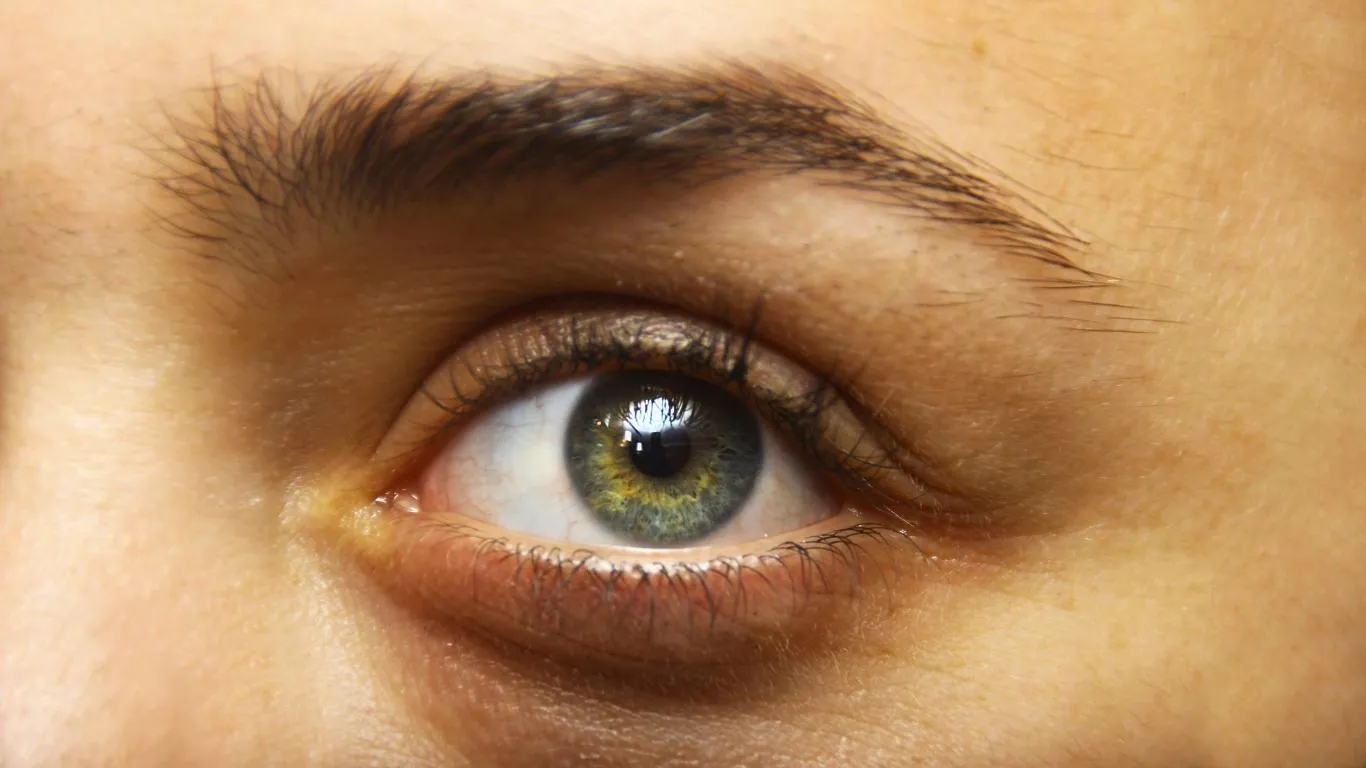
Most people describe floaters as squiggly lines, cobwebs, or translucent blobs that drift across their field of vision. They’re caused by tiny clumps of collagen or cells inside the vitreous—the gel-like substance that fills your eye. Normally, they’re harmless and develop gradually over time.
But if you’re seeing a sudden shower of new floaters, especially accompanied by eye pain, that’s a whole different story. This combo could be a signal that something more serious is going on behind the scenes.
When Floaters and Pain Happen Together

Seeing floaters suddenly is unsettling enough. But add in a stabbing or throbbing pain behind or inside the eye? That’s a red flag your body’s waving hard. While floaters alone are often benign, floaters plus eye pain can point to more urgent eye health issues.
Conditions That Might Be at Play
- Posterior Vitreous Detachment (PVD): A natural aging process where the vitreous gel pulls away from the retina. It’s usually painless—but not always. Sometimes the pull can be aggressive and cause discomfort. Learn more here.
- Retinal Tear or Detachment: This is the biggie. A rapid increase in floaters and pain can mean your retina has torn or is detaching—this is a medical emergency. Read this if you suspect retinal issues.
- Uveitis: Inflammation of the middle layer of the eye, often causes floaters, redness, and yes—pain. It can be linked to autoimmune issues, infections, or even trauma. More on uveitis here.
- Trauma: Even mild hits to the head or eye can cause vitreous changes and inflammation. Check this if you’ve had an eye injury.
Signs You Shouldn’t Ignore
After talking to an ophthalmologist—and frankly freaking out a little—I learned that floaters with pain is one of those “don’t wait and see” situations. Here’s what to look out for:
- Sudden burst of floaters (like confetti in your vision)
- Flashes of light or lightning-like streaks
- Eye pain that feels deep or pulsing
- A dark curtain or shadow creeping across your sight
- Blurry or reduced vision alongside floaters
Any of the above? Call your eye doctor. Seriously. I’m so glad I did.
Is It Always an Emergency?
Here’s the nuance: not every case of new floaters and pain signals disaster—but enough do that you really can’t afford to shrug it off. In my case, it was inflammation, not a tear—but catching it early made treatment way easier.
To better understand when floaters go from “just annoying” to dangerous, I highly recommend checking out this comprehensive breakdown on when floaters are dangerous. It’s detailed, practical, and based on real clinical insight.
What to Expect at the Eye Clinic
If you’ve never had a retinal exam before, prepare for the eye drops. The doctor will dilate your pupils to look at the back of your eye—and trust me, those lights are intense. But it’s a critical step to rule out retinal tears or inflammation. Better to leave with blurry vision for a few hours than permanent damage, right?
One helpful article that guided me before I visited the eye specialist was this one: treatment options for eye floaters. It explains exactly what to expect, from observation to surgery if needed.
Possible Causes You Might Overlook
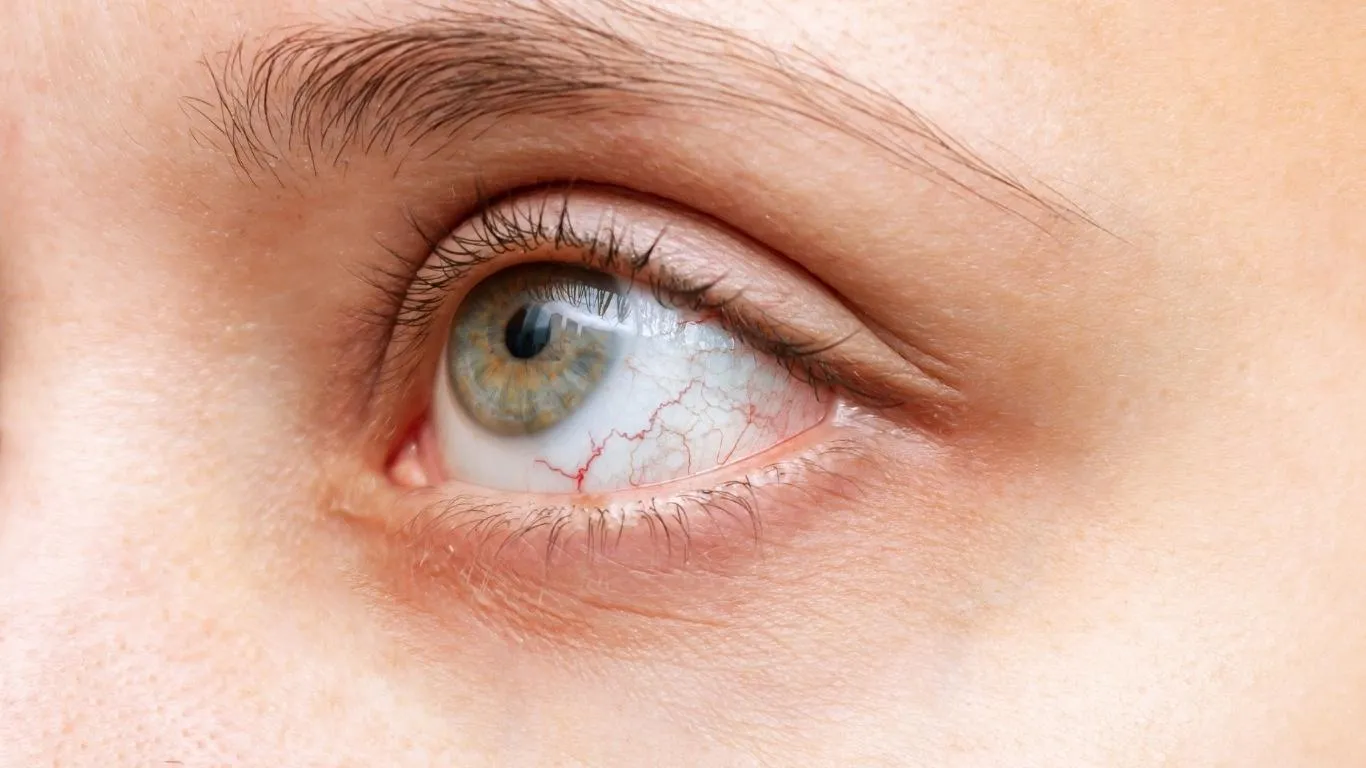
Sometimes, what’s causing those painful floaters isn’t immediately obvious. It could be something systemic going on. Here are some commonly missed culprits:
- Diabetes-related eye changes
- Stress and cortisol spikes
- Even small unnoticed trauma
- Underlying inflammation
In my case, the inflammation was caused by an autoimmune flare-up I didn’t know I had. That discovery changed the whole trajectory of my health care.
There’s also a broader discussion on causes worth diving into, especially for recurring floaters with pain. The team at Healthusias put together a solid foundational guide: Common Causes of Eye Floaters. It’s a must-read if this is a recurring issue for you.
For a deeper primer on floaters overall, don’t skip the main guide: What Are Eye Floaters? It’s packed with answers to the questions you didn’t even know to ask.
What Treatments Actually Work?
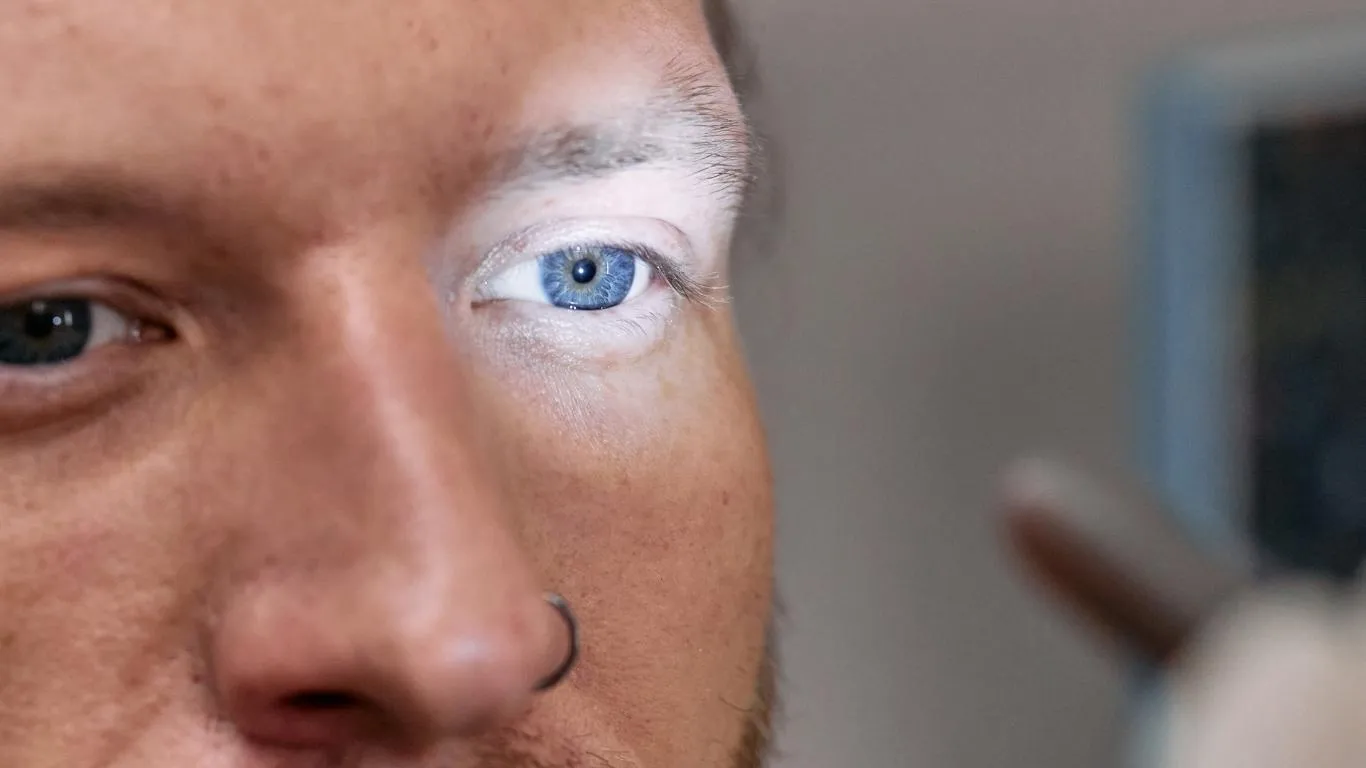
If you’re like me, the moment you leave the clinic with a diagnosis, your brain jumps to: “Okay, how do I fix this?” Well, the truth is—it depends. Floaters aren’t always treatable in the traditional sense, especially when they’re harmless. But when they come on fast and bring pain with them? That’s where real medical management kicks in.
Medical Interventions
- Anti-inflammatory drops or oral meds: If your floaters are due to something like uveitis or post-injury inflammation, steroid-based eye drops are often the first step. Been there, done that—it worked.
- Laser vitreolysis: A non-invasive laser option that helps break up floaters in the vitreous. It’s not suitable for everyone, but it can be helpful in chronic or disruptive cases.
- Vitrectomy: A surgical option where the vitreous (and floaters) are removed. It’s pretty invasive and typically reserved for serious or vision-threatening cases.
In my case, it was all about reducing inflammation and monitoring retinal traction. I had to go back for follow-ups (which were annoying but worth it). If you’re wondering what these treatments involve, I found this breakdown of eye floater treatments super helpful and realistic.
Lifestyle Changes That Actually Help
Look, I’m not here to sell magical supplements or promise overnight fixes. But after this whole experience, I did start looking at things I could tweak in my routine. And surprisingly, a few adjustments made a big difference—not just for my floaters, but for my eye health overall.
Here’s What Worked for Me
- Hydration & nutrition: I increased omega-3s, leafy greens, and cut down on added sugar. My eyes felt less dry, and floaters became less noticeable.
- Targeted supplements: I tried lutein, zeaxanthin, and a collagen-supporting formula. No miracle, but they did help over time.
- Reducing screen time: When I stared at screens for 10+ hours straight, my floaters danced like they were at a rave. Cutting back helped—a lot.
- Eye movement exercises: Nothing fancy, just gentle directional gaze shifts. Took 2 minutes, felt surprisingly relieving.
Can Stress and Hormones Make It Worse?
Oh, 100%. When I was under heavy stress, my floaters got worse—like noticeably worse. There’s emerging evidence that cortisol and systemic inflammation could affect the vitreous structure and even retinal sensitivity. Plus, hormonal changes can play a role too, especially around menopause or thyroid shifts.
If that hits close to home, these might help you dig deeper:
How to Track Symptoms Before They Get Worse
One of the smartest things I did after my floaters first hit? I kept a log. Just a simple notes app entry each day: how many floaters I noticed, any flashes, pain intensity, whether it was sunny, etc. After two weeks, I could actually see patterns—when it flared, when it didn’t.
Turns out, I’m not the only one doing this. There’s growing clinical advice around tracking floaters daily to catch trends early and avoid complications.
Who’s Most at Risk?
Not to freak you out, but there are definitely some people more likely to deal with this combo of sudden floaters and pain:
- Anyone over 40 (especially with age-related vitreous changes)
- People with high myopia (near-sighted folks, like me)
- Autoimmune disease patients
- Diabetics, particularly those with retinopathy
- Anyone who’s had recent eye surgery or trauma
If you fall into these categories, just be extra vigilant. It’s not about paranoia—it’s about catching problems early.
So, Is It Ever “Just Floaters”?
Sometimes, yes. Floaters are a normal part of aging and don’t always mean disaster. But once you toss eye pain into the mix, you’re in a different ballpark. Thankfully, with the right awareness, a good eye specialist, and consistent tracking, you can catch serious problems before they escalate.
I’d recommend checking out this full guide that walks through the differences between floaters and other eye issues. It helped me understand when to stress and when to breathe.
If you haven’t already, bookmark this in-depth article: Eye Floaters: Causes, Symptoms & Treatment Options — it’s a great place to start or come back to if you’re feeling overwhelmed by all this.

Camellia Wulansari is a dedicated Medical Assistant at a local clinic and a passionate health writer at Healthusias.com. With years of hands-on experience in patient care and a deep interest in preventive medicine, she bridges the gap between clinical knowledge and accessible health information. Camellia specializes in writing about digestive health, chronic conditions like GERD and hypertension, respiratory issues, and autoimmune diseases, aiming to empower readers with practical, easy-to-understand insights. When she’s not assisting patients or writing, you’ll find her enjoying quiet mornings with coffee and a medical journal in hand—or jamming to her favorite metal band, Lamb of God.