How Persistent Floaters Can Quietly Damage Your Mental Health
It started during a routine walk under the sun. Little grayish threads, dots, and shadows floated across my vision. I blinked. Rubbed my eyes. They didn’t go away. Over weeks, they multiplied—more strands, more specks—following my line of sight like ghostly parasites. If you’ve been there, you already know: persistent eye floaters aren’t just a minor annoyance. They can mess with your mind in ways that are hard to explain to anyone who hasn’t experienced it.
When Floaters Hijack Your Focus
Imagine trying to read a book, work on your laptop, or even enjoy a movie—only to be interrupted by dancing visual static. That constant movement becomes impossible to unsee. You try to ignore it, but the more you fight it, the more you’re aware of it. For some, it escalates to obsessive monitoring, scanning for new floaters, and worrying if it’s a symptom of something worse.
While the main guide on eye floaters breaks down the science behind vitreous changes, this is something deeper. This is psychological territory. And for many people, it begins to erode peace of mind.
Anxiety, Isolation, and the Emotional Toll
The longer floaters stick around, the more emotionally exhausting they become. There’s this unspoken frustration: you look fine from the outside, but inside you’re fighting a 24/7 visual interference. And that fight breeds anxiety. I personally spiraled into late-night internet searches, obsessing over posterior vitreous detachment and retinal issues, convinced I was one blink away from blindness.
In support forums, people describe similar battles—some even equating the mental toll of floaters with chronic illness. And there’s growing concern in ophthalmology that persistent floaters can lead to social withdrawal, depressive symptoms, and obsessive-compulsive patterns. You cancel social plans, dread brightly lit rooms, and second-guess yourself every time a new floater appears.
The Link Between Mental Health and Visual Discomfort
Studies in psychosomatic medicine have begun to touch on this, suggesting a loop: anxiety worsens the perception of floaters, and floaters intensify anxiety. It’s a feedback cycle that can lead to insomnia, loss of concentration, and even panic attacks in extreme cases. And let’s be real—most eye doctors don’t prepare you for this. They’ll say, “You’ll get used to it.” But what if you don’t?
The Obsession with Monitoring
It’s not just that floaters are annoying—it’s that they hijack attention. You begin to track them obsessively. Every white wall becomes a test. Every cloudy sky, a magnifier. I caught myself tilting my head, switching eyes, trying to see how bad they looked from each angle. And that behavior is draining. It turns normal daily routines into visual obstacle courses.
The brain, it turns out, is wired to notice motion—especially in your field of vision. Floaters exploit that reflex. Over time, some sufferers report visual fatigue and mental burnout. And for many, no amount of distraction seems to work.
How Persistent Floaters Disrupt Sleep and Productivity
Here’s what surprised me the most: floaters affected my sleep. Not directly, of course—but the anxiety and fixation kept my mind running at 3 AM. I’d lie in bed wondering if the flickers I saw in the dark were new floaters or something more serious. And by morning, the exhaustion just made them seem worse. This is common among those with chronic visual disturbances. When your brain doesn’t get a break, neither does your perception.
Even daily productivity can tank. I started missing deadlines, avoiding bright rooms, and even reduced my time outdoors. One study suggested that persistent floaters can significantly reduce quality of life, ranking just below migraines for visual interference.
Resources like this in-depth look at how floaters disrupt life post-trauma or surgery show how far-reaching the impact can be—even without physical damage.
The Social Disconnect
It’s isolating. Friends and family don’t understand. Try explaining that squiggly specks in your vision make it hard to hold a conversation or drive. They think you’re exaggerating, or that it’s “just in your head.” That lack of validation only deepens the psychological spiral.
Why It’s Time to Take the Mental Side Seriously
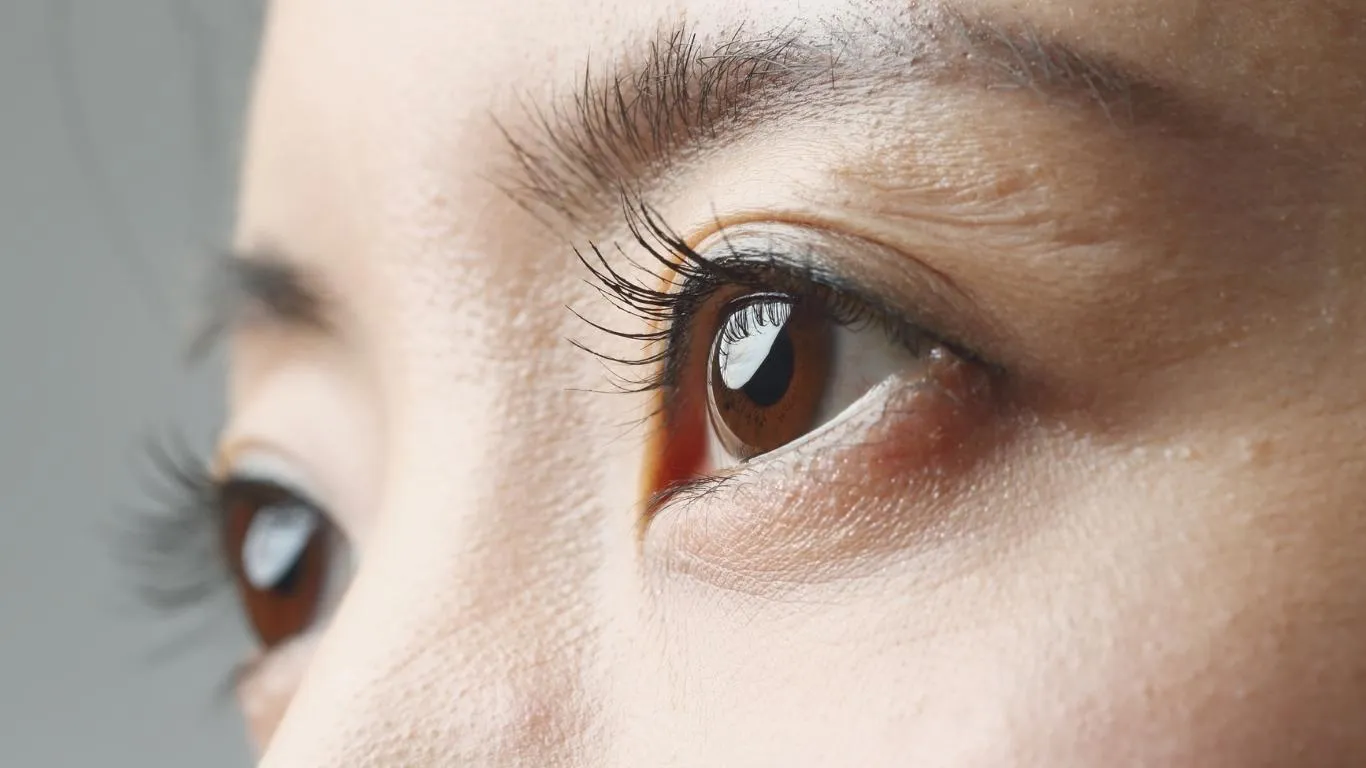
Floaters may be benign from a clinical standpoint, but the lived experience tells another story. There’s still limited research on the emotional burden of chronic floaters, but anecdotal evidence is everywhere. From online support groups to peer-reviewed journals, the consensus is clear: this isn’t just a visual condition—it’s a psychological one too.
What helped me most wasn’t just understanding the biology—it was reading that I wasn’t alone. Sites like aao.org and ncbi.nlm.nih.gov provide clinical insights, but pairing that with this deeper perspective on when floaters may mean more helped connect the dots between eye health and mental well-being.
If you’re struggling, know that you’re not overreacting. You’re reacting normally to an abnormal experience—and that matters. We don’t talk enough about the mental health side of floaters, but we should. The sooner we take it seriously, the better the care will be.
For those just beginning to explore their symptoms and mental reaction to floaters, I highly recommend reading this breakdown of common floaters causes as a foundational primer.
What Actually Helps? Coping When Floaters Won’t Leave
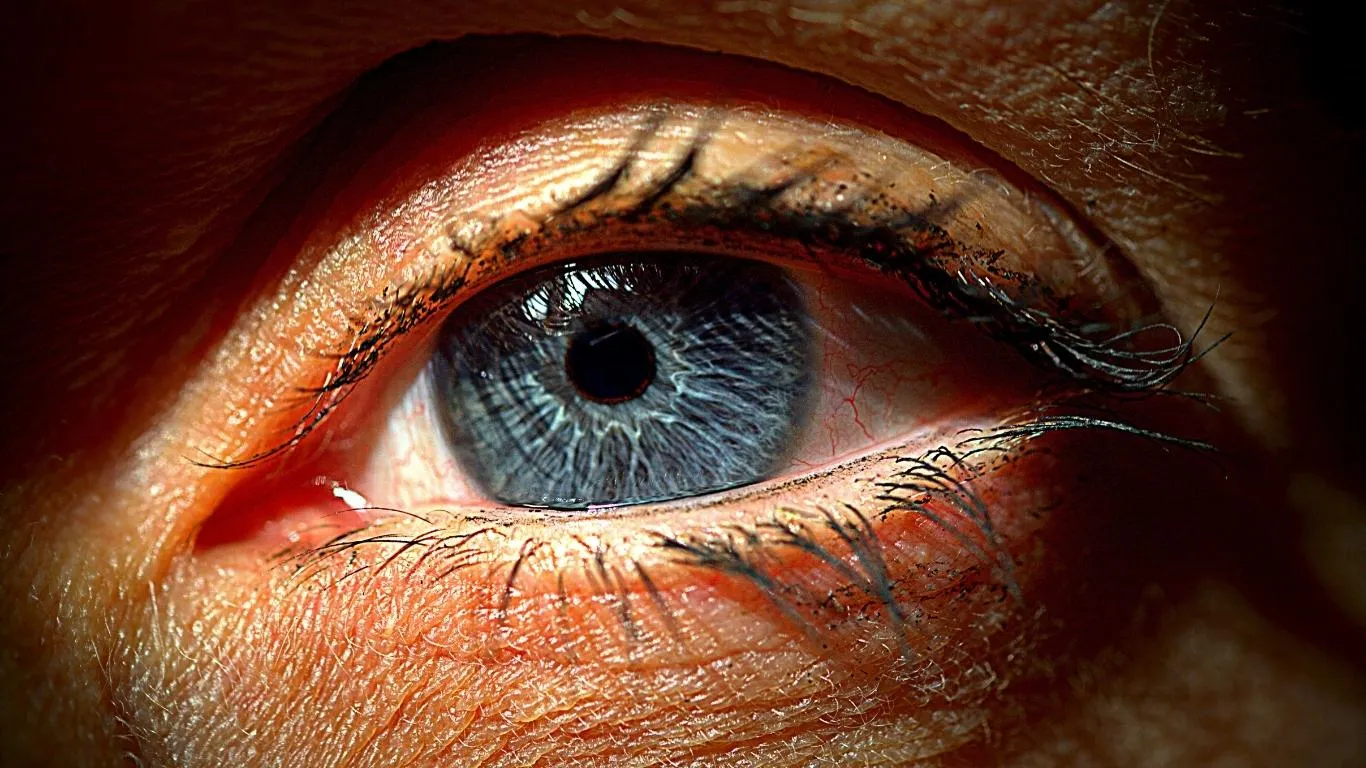
Let’s be real—when eye floaters persist, and you’ve been told, “You’ll just get used to them,” it can feel like a slap in the face. Because what if you don’t? I didn’t. Not right away, anyway. But what I did figure out, eventually, was that the key wasn’t to force acceptance. It was about *regaining control*. And that started with a few shifts in both mindset and daily habits.
First Rule: Stop Obsessively Searching
I know the cycle well. You see a new dot, thread, or smudge in your vision—and within five minutes you’re deep into forums or on your third ophthalmology video. The problem is, that habit reinforces the idea that something’s wrong *right now*, when in fact, floaters usually stay stable. The more attention you give them, the louder they get.
What helped me the most was setting limits. I chose two days a month to check for updates or research. That’s it. No daily floaters rabbit hole. It’s not about denial—it’s about taking back your mental bandwidth.
Mindfulness and Floaters: Does It Actually Work?
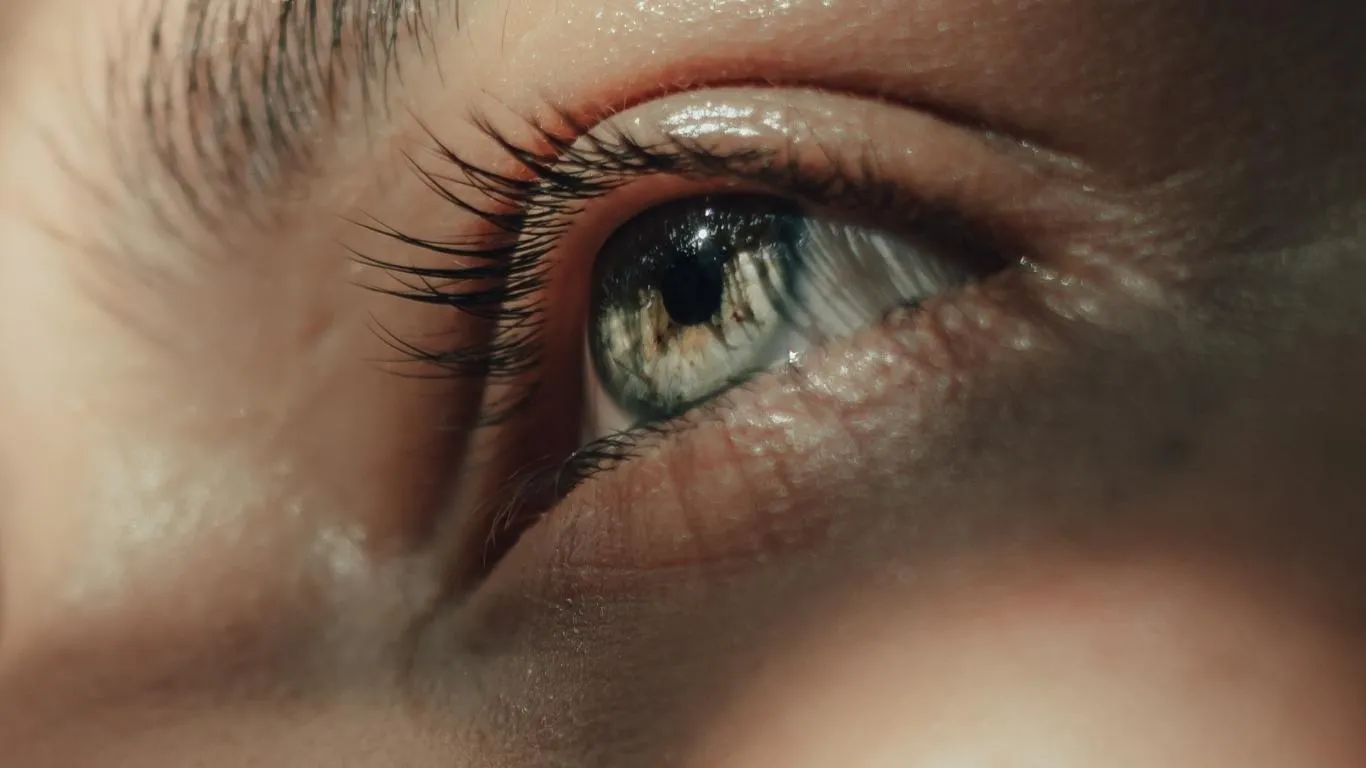
I rolled my eyes when someone suggested meditation. But desperate, I tried it—and wow, it changed everything. Not because it made floaters go away, but because it helped me break the cycle of mental hyper-focus. Mindfulness gives your brain something else to do when floaters show up. You’re still aware of them, but they stop being center stage.
If you’re new to it, apps like Headspace or Calm are solid starting points. Short 5-minute sessions, focusing on breath or sound—not vision. Over time, you can actually retrain your brain to stop “checking” for floaters all the time.
My “Floaters Toolbox” for Getting Through the Day
Here are a few things I found surprisingly effective in real life:
- Darker Interfaces: Switched my phone and laptop to dark mode—it made floaters far less noticeable.
- Sunglasses: Not just for sun, but to reduce glare in bright environments where floaters are aggressive.
- Contrast Control: I started wearing light amber-tinted glasses indoors, especially against white walls. Game changer.
- Ceiling Fans: Stopped staring at rotating blades—floaters love them. Trust me.
There’s a great breakdown of how these daily adjustments matter in this article on screen-time and vision comfort.
When It’s Time to Get Help
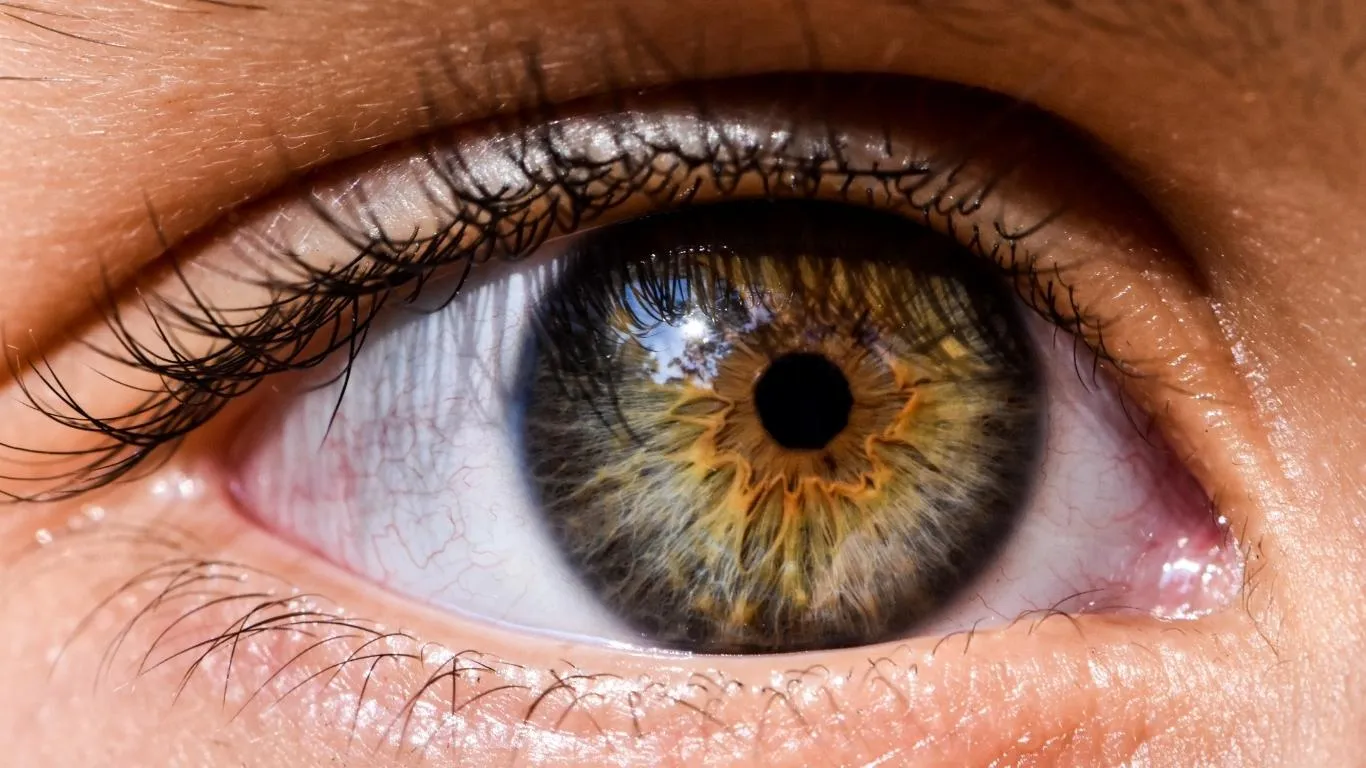
If floaters start hijacking your quality of life—your sleep, your mood, your work—it’s okay to ask for help. Not just from your eye doctor, but from a mental health professional. I eventually did, and it helped unpack the deeper anxiety I had tied to vision loss and lack of control.
Most eye specialists dismiss floaters as harmless, but mental health specialists? They listen. They can help build strategies to cope with visual triggers, manage the anxiety loop, and even offer therapy approaches like CBT (Cognitive Behavioral Therapy) that reframe how you interpret your symptoms.
For medical floaters that cause severe distress, some people explore treatments like laser vitreolysis or vitrectomy. These options come with risks, and it’s vital to read articles like this guide on treatment options before even considering them.
Nutrition, Supplements, and Vision Health
Another area I underestimated? Nutrition. While no magic supplement cures floaters, supporting eye health helps reduce inflammation and slow down vitreous degeneration. I started including more:
- Omega-3s: From fish oil and flaxseeds—helps eye tissue stay hydrated.
- Vitamin C and E: Antioxidants to reduce oxidative stress in the vitreous.
- Magnesium: Which interestingly reduced some of my floaters’ perceived intensity, possibly due to calming the nervous system.
Check out these science-backed supplements if you’re curious about building a supportive routine.
Do Floaters Ever Get Better?
Here’s the hopeful part: for many people, yes. They fade. The brain adapts. Visual neuroplasticity kicks in and filters them out naturally over months or even years. Some people forget they even had them. Others, like me, still see them—but no longer panic when they appear.
It’s also worth reading this personal insight from people dealing with floaters after eye surgery or trauma. Sometimes just knowing you’re not alone makes all the difference.
Owning Your Experience, Not Letting It Own You
It’s easy to feel powerless with floaters. They’re in your eyes. You can’t touch them. You can’t erase them. But you *can* reclaim how you respond to them. Floaters taught me a lot about mental resilience—and about the need to advocate for yourself in a system that often overlooks “non-serious” conditions.
Educating yourself, building a floaters support toolkit, and knowing when to get help can make all the difference. If this condition is affecting you mentally, that’s not imaginary. That’s real—and it deserves real solutions.
For a broader understanding of causes—especially if your floaters seem linked to stress, aging, or underlying health issues—read this resource on common causes of eye floaters. And for more structured guidance, don’t miss our main article on what causes floaters, symptoms, and treatment.

Camellia Wulansari is a dedicated Medical Assistant at a local clinic and a passionate health writer at Healthusias.com. With years of hands-on experience in patient care and a deep interest in preventive medicine, she bridges the gap between clinical knowledge and accessible health information. Camellia specializes in writing about digestive health, chronic conditions like GERD and hypertension, respiratory issues, and autoimmune diseases, aiming to empower readers with practical, easy-to-understand insights. When she’s not assisting patients or writing, you’ll find her enjoying quiet mornings with coffee and a medical journal in hand—or jamming to her favorite metal band, Lamb of God.