Why Osteopathic Manipulation Therapy Relieves Chronic Back Pain
Ever had one of those days where your back feels like it’s carrying the weight of the world—literally? That was me not too long ago. A long desk job, a few too many awkward sleeping positions, and a stressful season had my spine begging for help. Painkillers offered brief relief, but the discomfort always crept back in. That’s when I stumbled into something that completely changed how I approach pain: Osteopathic Manipulation Therapy, or OMT. Not only did it help ease the pain, but it actually addressed the root of it. If you’re navigating chronic or acute back pain, this might be what you’ve been searching for too.
What Is Osteopathic Manipulation Therapy?

Osteopathic Manipulation Therapy is a hands-on technique used by Doctors of Osteopathic Medicine (DOs) to diagnose, treat, and prevent conditions—especially musculoskeletal issues like back pain. The method involves using the hands to stretch muscles, move joints, and apply gentle pressure. But it’s not just about cracking joints; it’s about restoring balance, mobility, and function across the body.
What drew me to OMT initially was its whole-body approach. Rather than masking symptoms, it helps your body heal itself. And honestly, that felt more empowering than popping pills every morning. Plus, it’s rooted in science and practiced by trained physicians—not just your average massage therapist.
Why More People Are Turning to OMT for Back Pain

We’re in a time where everyone is searching for alternatives to invasive procedures or addictive medications. Back pain is now one of the leading causes of disability worldwide, and many treatments feel like a band-aid solution. OMT offers something different: it supports healing from within. I remember reading an article about herniated disc complications, and it really highlighted how crucial early, holistic care can be.
Back Pain Relief Without Surgery
One thing I appreciated about my osteopathic sessions is the non-invasive nature. There were no needles, no surgeries, and no long recovery time. Just gentle, targeted manipulation that helped relieve tension I didn’t even realize I was holding. For conditions like bulging discs or postural stress, OMT can be a game changer.
A Personal Reset for Your Nervous System
Did you know your spine is basically the highway for your nervous system? When things are misaligned, the traffic jam affects everything—from sleep and digestion to mood and immunity. OMT helps open up that flow again. For me, after three sessions, not only did my lower back stop screaming, but I also noticed I was sleeping better and waking up more refreshed.
How Does OMT Work, Exactly?

The process starts with an evaluation. Your DO checks your posture, mobility, and pain points. They’ll ask questions that actually make you feel heard—something I appreciated immensely. Then comes the treatment phase, which might include:
- Soft tissue work to ease muscle tension
- Muscle energy techniques where you actively help with movement
- High-velocity low-amplitude (HVLA) adjustments—think gentle, strategic joint pops
- Counterstrain techniques that focus on relaxing areas in spasm
Each session is tailored. One of my visits focused entirely on my hips because that’s where my imbalance started. That’s the beauty of OMT—it treats the person, not just the symptoms.
And It’s Backed by Science
It’s easy to write off alternative therapies, but OMT isn’t pseudoscience. According to the NIH, OMT has shown positive outcomes in treating lower back pain and improving functionality. It’s also recognized by Mayo Clinic for certain chronic conditions, especially when combined with other conservative treatments.
Is Osteopathic Therapy Right for You?

If you’re someone who:
- Struggles with chronic or recurring back pain
- Wants a drug-free and surgery-free treatment path
- Prefers personalized care that treats the root issue
Then yeah, OMT is absolutely worth exploring. It worked for me when traditional approaches just left me frustrated. And it’s not just for young athletes or bendy yogis—this is for everyday people tired of living with pain.
Bonus: OMT Pairs Well with Lifestyle Changes
Back pain isn’t just a physical issue; it’s tied into how we live, move, and even think. I found pairing OMT with ergonomic changes and better stress management made results last longer. You can explore more lifestyle-focused solutions in this guide: natural remedies for back pain. Simple shifts like adjusting my office chair or adding more anti-inflammatory foods made a noticeable difference.
Still Curious About Your Options?

One thing I love about the approach on Healthusias is how it emphasizes informed decision-making. OMT is just one of the many conservative treatments explored in their deep dive here: conservative back pain therapies. If you want a well-rounded look at causes, treatment paths, and mind-body care, start there.
And for a broader overview of back pain itself, don’t miss this central resource: Back Pain Main Pillar.
Advanced Techniques in Osteopathic Manipulation Therapy
Once I got into the rhythm of regular OMT sessions, I was surprised by how nuanced the techniques actually are. It’s not a one-size-fits-all solution. Each adjustment, pressure point, and movement was selected based on what my body was telling the physician that day. That’s when I really saw the difference between basic bodywork and skilled osteopathic care.
Beyond the more commonly used methods like muscle energy technique or HVLA adjustments, advanced OMT incorporates techniques like:
- Visceral manipulation – gentle techniques focused on organs to improve their mobility and connection to the musculoskeletal system
- Cranial osteopathy – subtle manipulations of the skull that promote nervous system balance
- Myofascial release – targeting fascia (connective tissue) to reduce tightness and restore alignment
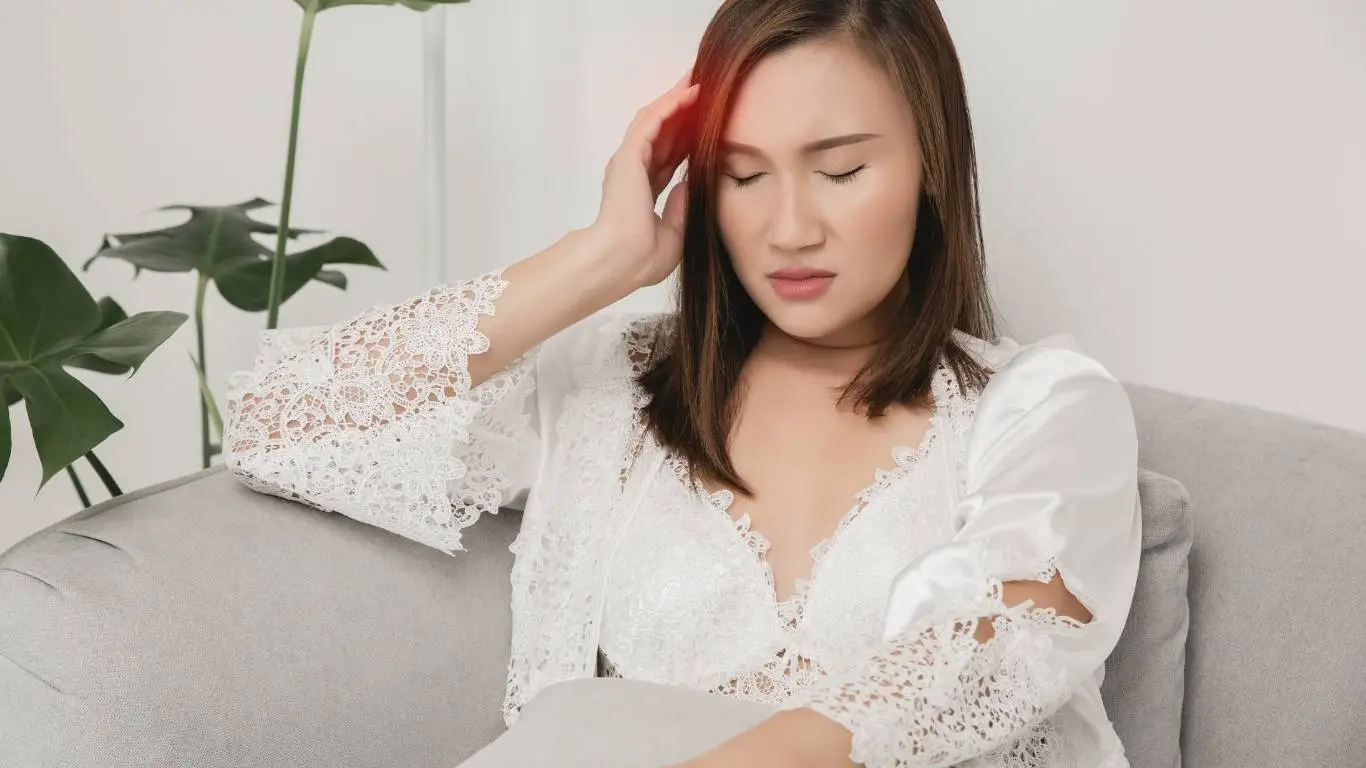
One of the sessions that included cranial work had a surprising result: fewer headaches and less jaw tension. I didn’t even realize how much tension I’d been holding in my face until it was gone. A reminder that back pain often comes with a web of other dysfunctions, and OMT can address all of them if done right.
The Role of Osteopathic Therapy in Whole-Person Healing

This is where OMT really stood out to me—it’s not just about the spine. It’s about treating the whole human. When I first started therapy, my DO asked questions about sleep, digestion, mental health, and even hydration. That whole-body view gave me more confidence in the process.
The body doesn’t operate in parts. Tight hamstrings can pull on the lower back, poor sleep can lead to inflammation, and chronic stress can cause muscle tension. OMT approaches pain with all that in mind. If you’re only targeting pain with a pill or a massage, you’re missing the bigger picture.
If you’re interested in this mind-body connection, check out this guide on the mental and emotional dimensions of back pain. It made me realize how much unprocessed stress was literally sitting in my shoulders and lower spine.
Integrating OMT with Other Therapies
OMT doesn’t exist in a bubble. In fact, it works best when paired with other supportive treatments. I was skeptical at first, but adding gentle yoga stretches and basic core strengthening really helped extend the benefits of each session. My mobility improved, but more importantly, I stopped re-triggering my pain after workouts or long workdays.
Many DOs recommend integrating:
- Stretching and targeted mobility exercises
- Pilates for core control and spinal alignment
- Stress reduction techniques like breathing or meditation
- Anti-inflammatory diet changes to support healing
Who Should Avoid OMT?

It’s not all sunshine and spinal releases. There are certain cases where OMT might not be ideal, or at least should be modified. For instance, individuals with:
- Severe osteoporosis
- Fractures or spinal instability
- Advanced disc herniation with nerve compression
This is why a proper medical evaluation is so essential. I always appreciated that my DO took imaging and reports seriously before doing any high-velocity techniques. Safety always came first.
If you’re unsure whether you might be dealing with something more serious, this article outlines a few warning signs in back pain that should never be ignored.
Stories from Real Patients (Like Me)

One of the things that kept me coming back to OMT was hearing others in the waiting room. One woman found relief after a back strain she got while lifting her toddler. Another guy avoided spinal surgery after just six months of consistent treatment.
My story wasn’t dramatic. No major injury. Just accumulated stress, poor posture, and not taking care of myself for too long. OMT helped me reboot. I’m not “cured” forever, but I have tools now—and more importantly, I feel like I’ve reclaimed some control over my own health.
Where to Learn More and Get Started

If you’re curious, don’t just rely on blogs like this (though thanks for reading). Talk to an actual DO. Bring your questions. Ask about their training in OMT—it varies. Some are more sports-focused, others holistic. You want someone who understands your goals and your lifestyle.
And take time to explore deeper content like this comprehensive look at back pain types and anatomy. It helped me understand why my pain kept moving around and why focusing on one spot wasn’t enough.
Lastly, the foundational page on back pain at Healthusias is packed with links, tools, and helpful articles. If you want to get smarter about your pain (and not just treat it), it’s a solid place to begin.

Camellia Wulansari is a dedicated Medical Assistant at a local clinic and a passionate health writer at Healthusias.com. With years of hands-on experience in patient care and a deep interest in preventive medicine, she bridges the gap between clinical knowledge and accessible health information. Camellia specializes in writing about digestive health, chronic conditions like GERD and hypertension, respiratory issues, and autoimmune diseases, aiming to empower readers with practical, easy-to-understand insights. When she’s not assisting patients or writing, you’ll find her enjoying quiet mornings with coffee and a medical journal in hand—or jamming to her favorite metal band, Lamb of God.