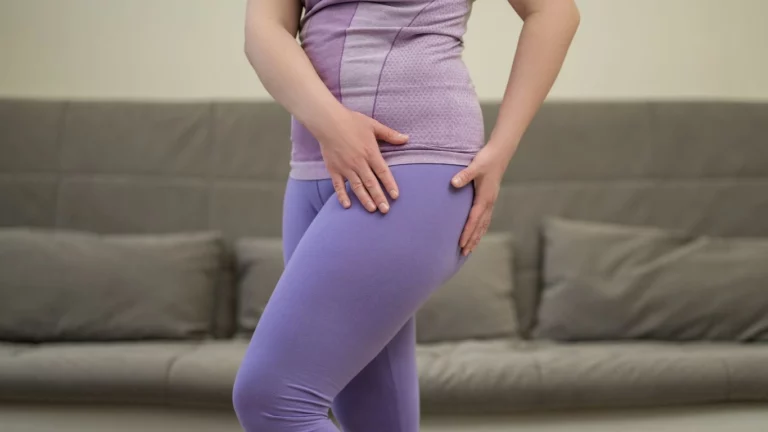
Why Cupping Therapy For Chronic Back Pain Is Worth Trying
My first real encounter with cupping therapy wasn’t in a clinic—it was at a friend’s house. She had these circular bruises all over her back, and I remember thinking, “Did someone attack you with a hot coffee mug?” Turns out, she had been doing cupping for her lower back pain. At first, I laughed it off. But when my own chronic back pain became unbearable—especially after long work-from-home hours slouched in a chair not designed for humans—I gave in. Skeptical but desperate, I booked my first cupping session. What happened next kind of blew my mind.
How Cupping Therapy Works for Back Pain Relief

Cupping therapy, though trendy now thanks to athletes and celebrities, is anything but new. It dates back to ancient Chinese and Middle Eastern medicine, where the belief was simple—get the blood flowing, move stagnant energy (or “Qi”), and healing follows. If you’ve never tried it, picture this: round glass or silicone cups are placed on your back and a vacuum is created, pulling your skin slightly upward. Feels weird? Absolutely. But the suction encourages increased circulation, releases muscle tension, and may even help flush out built-up toxins.
Types of Cupping You Might Encounter
- Dry cupping: Uses suction only—no bleeding, no fire-breathing dragons involved.
- Wet cupping: Involves light skin incisions followed by suction (not for the squeamish, but some folks swear by it).
- Moving cupping: Cups are glided over oiled skin to treat larger muscle groups.
My first session was a mix of dry and moving cupping. No pain, just a strange pulling sensation—and surprisingly, immediate relief in areas that had been stiff for weeks.
Why Cupping Might Be a Game-Changer for Chronic Back Pain

Chronic back pain doesn’t just mess with your body—it creeps into your sleep, mood, productivity, even relationships. Cupping may help in several key ways:
- Improved circulation: The suction draws more blood to the target area, delivering nutrients and oxygen where it’s needed most.
- Muscle relaxation: Feels like a deep-tissue massage, but less pressure and no sore thumbs involved.
- Inflammation reduction: Some studies suggest cupping may suppress inflammatory cytokines, helping reduce chronic inflammation.
- Fascia release: Helps loosen the connective tissue that often tightens and restricts movement in back pain sufferers.
According to NIH studies, cupping therapy can be beneficial for lower back pain relief—especially when combined with traditional approaches like evidence-based therapies. And if you’re dealing with lingering pain after injury or desk-bound posture strain, this might be a solid tool in your kit.
What to Expect Before, During, and After a Session
Before your session, make sure you’re hydrated, not too full (you’ll be face down for a while), and mentally prepared for the lovely purple circles that’ll show up post-treatment. These marks aren’t bruises; they’re blood stagnation being pulled to the surface. Some last a day, others a week. Mine usually fade in 3-4 days—well worth the tradeoff for being able to bend and move again.
Session Breakdown
- Consultation: A quick talk with the practitioner about your pain points, history, and what you’re hoping to relieve.
- Application: Cups are heated (in traditional methods) or pumped for suction and placed for 5–15 minutes.
- Aftercare: Keep the area warm, avoid cold showers right away, and drink lots of water to flush toxins.
After my third session, I noticed a huge improvement in my mid-back flexibility, which had been tight for years. It wasn’t a magic bullet, but definitely a step in the right direction.
Pairing Cupping With Other Approaches for Better Results

If you’re going all-in on cupping, don’t ignore other proven strategies. I’ve found the best results come when I combine it with:
- Daily stretching routines—especially post-cupping when your muscles are relaxed
- Correcting posture issues and using ergonomic chairs or sit-stand desks
- Rehabilitation programs with professional guidance
Some people also combine cupping with acupuncture or chiropractic adjustments. The key is to approach it holistically—not expecting any one thing to do all the work.
Who Should (and Shouldn’t) Try Cupping for Back Pain

Cupping isn’t for everyone, and that’s okay. It’s best for people dealing with muscle tension, circulation issues, or chronic back tightness. However, if you’ve got:
- Broken skin or active skin infections
- Bleeding disorders or blood-thinning medications
- Severe cardiovascular conditions
…then check with your doctor first. Always go to a licensed practitioner who knows what they’re doing—not someone who learned it on YouTube last week.
Want to explore more natural remedies? Check out this in-depth piece on lifestyle and natural back pain treatments. Also, don’t miss the full back pain pillar guide to understand the bigger picture of chronic back conditions.
Does Science Support Cupping for Chronic Back Pain?

Let’s be real—there’s a lot of “woo-woo” out there when it comes to pain relief. So what does actual research say about cupping? Quite a bit, actually. A growing number of clinical studies and reviews suggest that cupping therapy can significantly reduce pain intensity, especially in chronic lower back pain sufferers. The suction effect promotes microcirculation, breaks up scar tissue, and may help normalize muscle tone in overworked regions of the back.
One randomized trial found that people with non-specific chronic low back pain experienced better relief with cupping than with standard heat or massage alone. And while more research is always welcome, the existing data points to one thing—it’s not just placebo.
How Long Do the Effects Last?
This varies. Some feel relief for a few days; others, like me, go several weeks before needing another round. What helped me was consistency—I didn’t stop after the first session. I booked a package of six spaced out over a month, then followed up every 4–6 weeks. That rhythm has kept my pain mostly in check without daily medication.
Real-World Success Stories (Including Mine)

I was hesitant at first, but when traditional methods plateaued, cupping was the wild card I didn’t expect to work. I still remember standing up after my second session and realizing I could finally twist my torso without that deep ache in my lower back. I’ve since met others with similar stories—athletes, teachers, even truck drivers—who now swear by it.
If you’re struggling with back pain that lingers despite stretching, exercise, or ergonomic adjustments, it’s worth considering cupping as part of your toolbox. Just make sure you’re working with a qualified practitioner, and manage your expectations—it’s not a miracle, but it’s real.
Pairing Cupping with Mind-Body Approaches
I’ll be honest—some of my pain was tied to stress. When I’m tense, my back feels it first. So I started stacking cupping sessions with mindfulness techniques. Basic breathwork, evening yoga, and even mental-emotional awareness techniques made a noticeable difference. Turns out, you can’t separate the spine from the mind as easily as you think.
What to Ask Before Your First (or Next) Cupping Appointment

Choosing the right cupping therapist is crucial. Don’t just go by Instagram aesthetics. Ask questions like:
- Are they certified? Always check their background in Traditional Chinese Medicine (TCM), acupuncture, or physical therapy.
- What’s their approach to back pain? Someone who tailors sessions to your symptoms—not just a copy-paste routine—is who you want.
- Do they combine other modalities? Some pair cupping with massage, stretching, or acupuncture for a layered healing approach.
If you’re curious how cupping compares to other minimally invasive options, it’s worth reading up on non-surgical back pain treatments too—sometimes combining methods gets better outcomes.
Common Myths About Cupping (That I Believed Too)

- “It’s painful.” Nope. The sensation is strange but not painful. Think of it like reverse massage pressure.
- “It’s just placebo.” As we covered earlier, plenty of studies suggest otherwise.
- “The marks mean damage.” Those purple circles? They’re not bruises. They fade naturally and indicate blood being drawn to the surface—not trauma.
Even my own partner was skeptical until he tried it after a tough gym week. Now he books more often than I do.
When Cupping Isn’t the Right Call

Cupping isn’t for everyone, and being smart about it is part of healing. Skip it (or consult your doctor first) if you have:
- Severe varicose veins or bleeding disorders
- Open wounds, recent surgery, or compromised immune function
- Advanced heart disease or uncontrolled diabetes
That said, many of these issues don’t rule it out completely. A good practitioner will tailor the intensity and placement—or recommend safer alternatives when necessary. If you’re managing other conditions like arthritis, check out how arthritis-related back pain can overlap with chronic discomfort.
Long-Term Maintenance and What’s Worked for Me

What’s kept my back pain from coming back with a vengeance isn’t just cupping—it’s the whole routine. Here’s what I do monthly:
- One cupping session (30 minutes, focusing on lower back)
- Twice weekly stretching with resistance bands
- Workstation reset (yes, I rearrange my desk like a feng shui pro)
- 30-minute walk daily to get my spine moving again
Also, reading resources like unexpected back pain triggers helped me avoid stuff that was quietly making things worse—like bad shoes and over-reliance on heating pads.
If you’re serious about managing chronic back pain and want to understand its many dimensions, explore the comprehensive guide on back pain types and anatomy. It’s a solid deep dive worth bookmarking.
And if you haven’t already, the full overview on all things back pain is your go-to hub for navigating treatments, triggers, and recovery plans.

Camellia Wulansari is a dedicated Medical Assistant at a local clinic and a passionate health writer at Healthusias.com. With years of hands-on experience in patient care and a deep interest in preventive medicine, she bridges the gap between clinical knowledge and accessible health information. Camellia specializes in writing about digestive health, chronic conditions like GERD and hypertension, respiratory issues, and autoimmune diseases, aiming to empower readers with practical, easy-to-understand insights. When she’s not assisting patients or writing, you’ll find her enjoying quiet mornings with coffee and a medical journal in hand—or jamming to her favorite metal band, Lamb of God.